




Facts and Features

| Common & Scientific Name: | Rose — Rosa L. |
|---|---|
| Etymology: | Latin rosa, from Greek rhódon, from an old Iranian root wrd- (Avestan varəda, Armenian vard). The rhododendron is literally a "rose tree"; in modern Persian the rose is gul — and gul ended up meaning simply "flower". |
| Family: | Rosaceae — the same family as the apple, the pear, the cherry, the strawberry and the almond. |
| Species: | Around 150 wild species (published counts run from 100 to 300 depending on the taxonomic criterion), and 30,000 to 35,000+ cultivars. |
| Foliage: | Pinnate, odd-pinnate, with serrated leaflets. |
| Flower: | Five petals in the wild species; more than a hundred in the double cultivars. |
| Fruit: | The hip — an accessory aggregate fruit formed by the swollen hypanthium. |
| Habit: | Shrubs, climbers and ramblers, from 20 cm to over 20 m. The stems are armed with prickles — outgrowths of the skin, not true thorns. |
Rose main features chart
A Rose Before It Had a Name
The word arrived long before the flower we know. Latin rosa comes from Greek rhódon, and rhódon comes from an old Iranian root, wrd-, that survives in Avestan varəda and Armenian vard. The chain is still visible in words nobody reads as floral any more: a rhododendron is a "rose tree", and the island of Rhodes struck coins with a rose on them for centuries.
In modern Persian the rose is gul — and gul slowly came to mean "flower", full stop. The rose ate the generic word. It is the only flower we know of that managed that.
The Romans gave it a second job. Banquet rooms were decorated with carved or painted roses, following the myth in which the rose was Venus's gift to her son, who passed it on to Harpocrates, the god of silence. A rose on the ceiling meant that whatever was said under it stayed there: sub rosa, under the rose. Christianity inherited the habit and carved roses onto confessionals, where the same promise applied.
And there is a family surprise. Rosaceae includes the apple, the pear, the cherry, the plum, the strawberry, the raspberry, the blackberry — and the almond. When you eat an apple you are eating a cousin of the rose. Two of the trees we have already written about are Rosaceae too: the almond tree and the Kanzan cherry. The rose keeps better company than its reputation suggests.
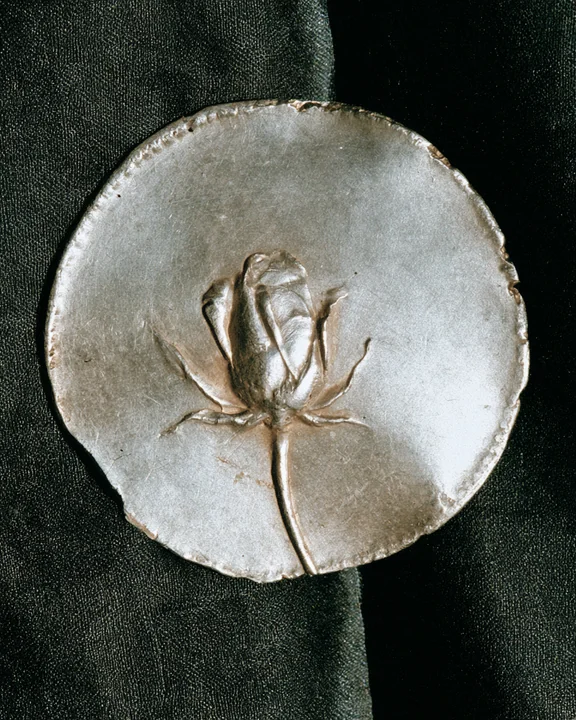
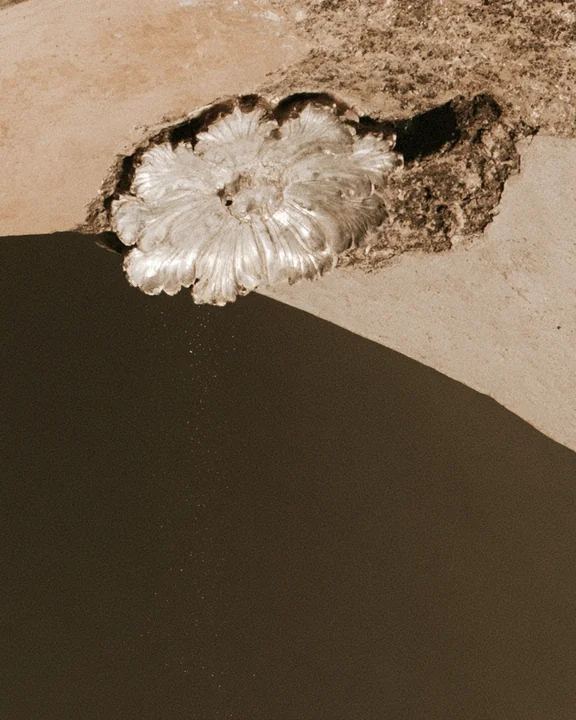
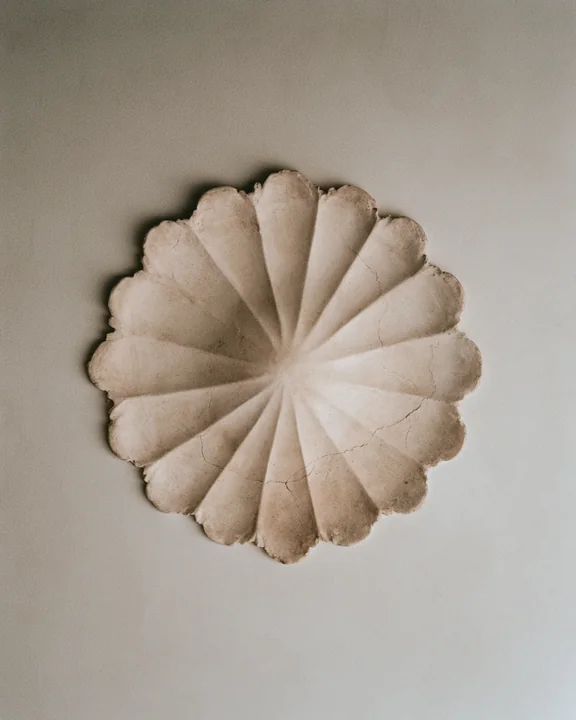
The rose has been a plaster relief for centuries
The most monumental rose in Western art is not painted: it is the rose window of Chartres, of Notre-Dame, of León — radial stone tracery and filtered light. Its domestic descendant sits over your head right now, in any old flat with mouldings. English still calls it a ceiling rose, and it is still cast in plaster. A flower turned into relief, hung on a ceiling, read by the light that crosses it. We did not invent that idea; we work inside a very long habit.
Did you know...?
35M
years of rose fossils
The oldest undisputed rose fossils, from the Florissant Formation in Colorado, are 30 to 35 million years old. Older estimates circulate, but this is the firm figure. The rose had been here for tens of millions of years before there was anyone around to admire it.
Where Roses Live Now
The rose is a wild plant that became a logistics operation. Three countries move most of the world's stems: the Netherlands, Ecuador and Kenya, with the United States as the largest buyer. The Dutch position is the odd one — the country is simultaneously the biggest exporter and one of the biggest importers, because it buys equatorial flowers grown where the light never varies, then grades, bunches and re-exports them through its own auction system. It is the same infrastructure, and the same instinct, that built the tulip trade four centuries ago.
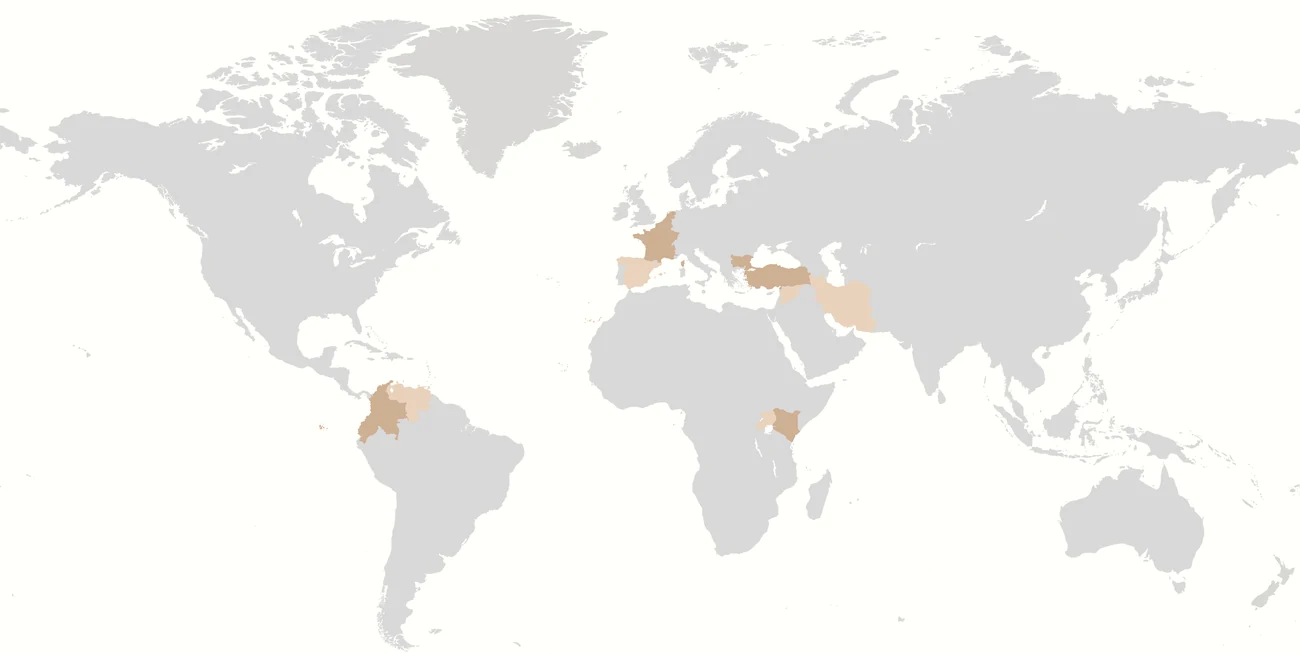
Our studio is in Barcelona, and here the rose has a date. Every 23 April, for Sant Jordi, Catalonia sells around seven million roses in twenty-four hours. In the last edition, 63% came from Colombia, 20% from the Netherlands, 15% from Ecuador and barely 2% from local growers; the dominant colour was red, and the varieties were 'Freedom' and 'Naomi'. The abstract trade table becomes very concrete when it is the flower someone hands you in the street.
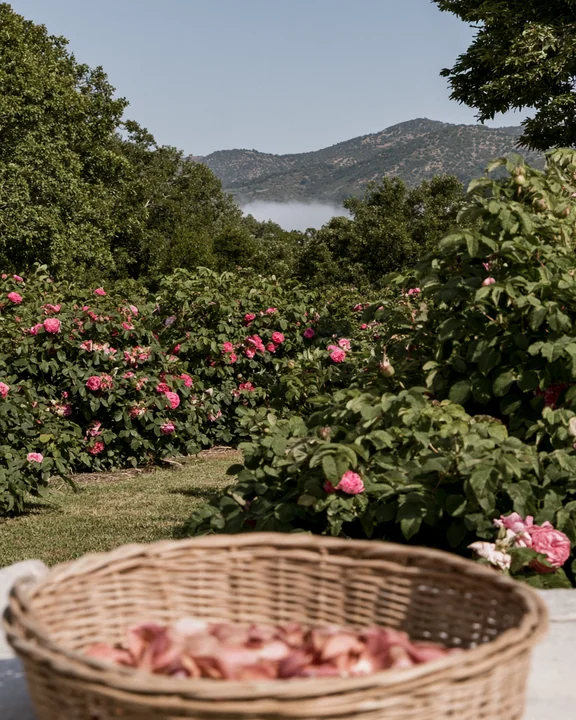
"The world is a rose; smell it and pass it to your friends."
— Persian proverb
Did you know...?
~7M
roses in a single day
Every 23 April, for Sant Jordi, Catalonia — where our studio is — sells some seven million roses in twenty-four hours. Most of them landed at an airport a few days earlier.
Rose Varieties: The Visual Index
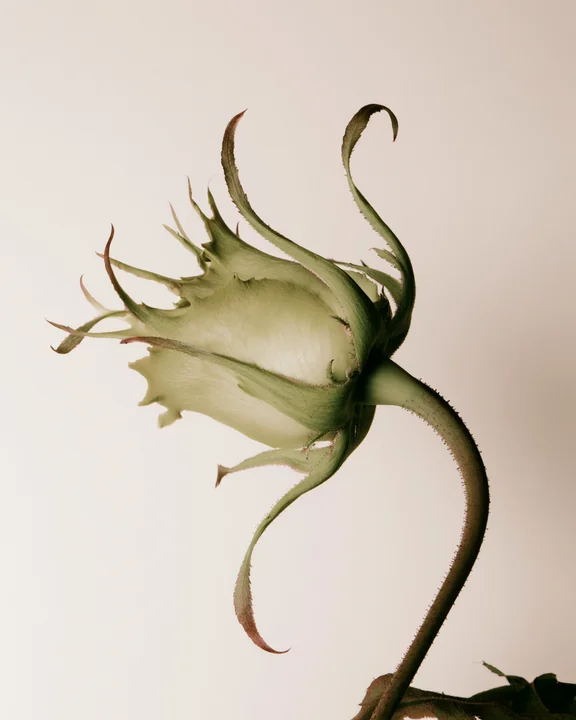
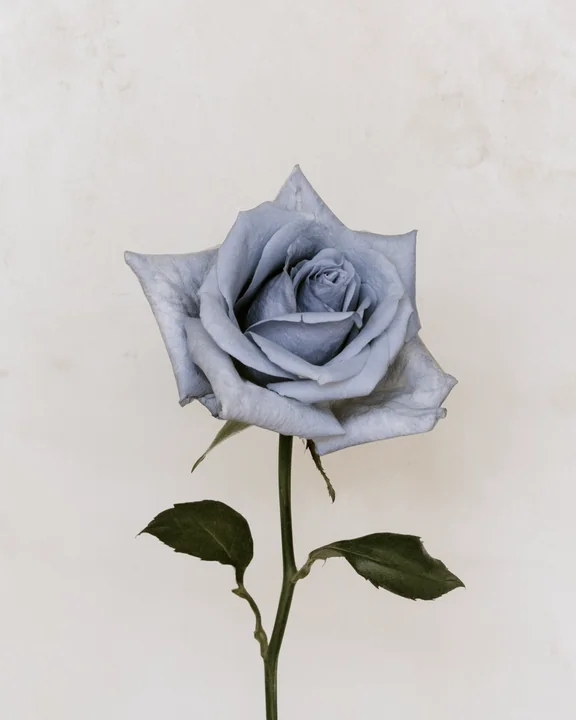
Around 150 wild species, and somewhere between thirty and thirty-five thousand cultivars on top of them. Any selection is arbitrary, so here are the ones that say something: the rose that industry runs on, the rose that broke the rules of what a rose looks like, and the rose that had to be engineered because it could not be grown.
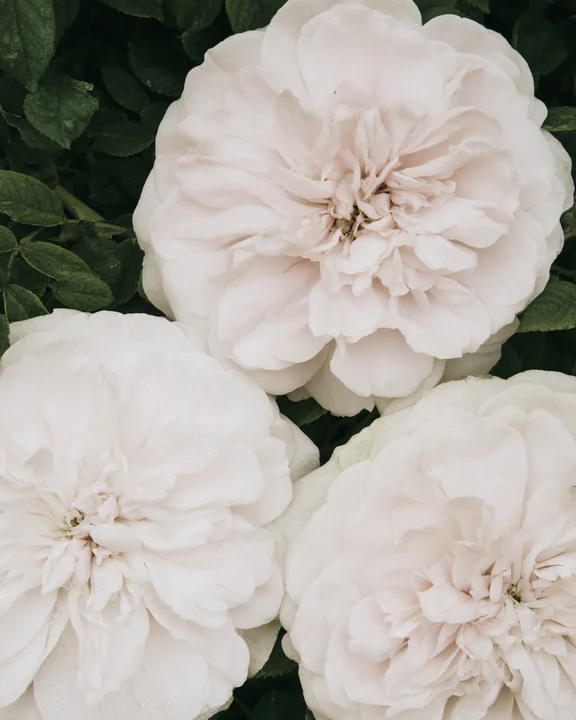
What looks like armor is only skin
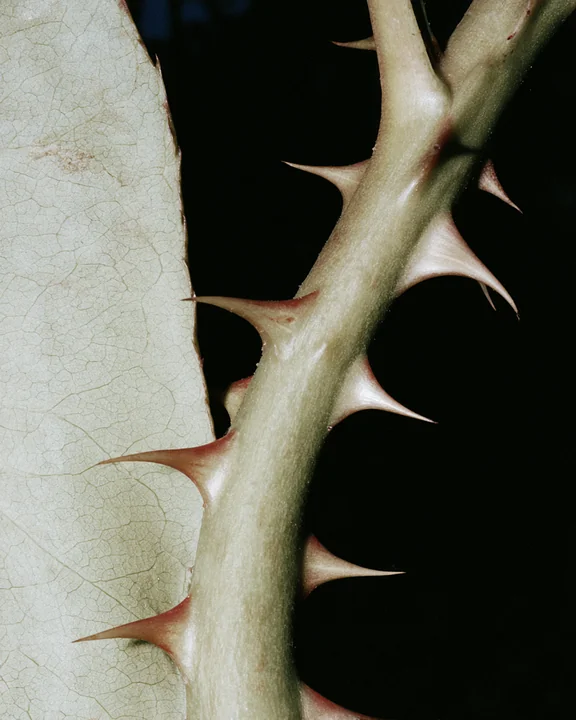
A rose has no thorns. What it has are prickles: outgrowths of the epidermis, with no vascular bundles running into them, which is exactly why you can snap one off cleanly with a fingernail. A true thorn is a modified stem or leaf, plumbed into the plant — the orange tree has those, the blackthorn has those. The rose only has skin, raised and hardened.
It is the plant's oldest piece of theatre, and it works: everyone believes the armor.
The rose that cannot seed itself
'Viridiflora' produces no seed and no hips. Every green rose alive today descends from a cutting somebody chose to take, and the line has held since the mid-nineteenth century on nothing but that decision, repeated. A plant that exists because it kept being wanted.
The Rose's Modern Powers
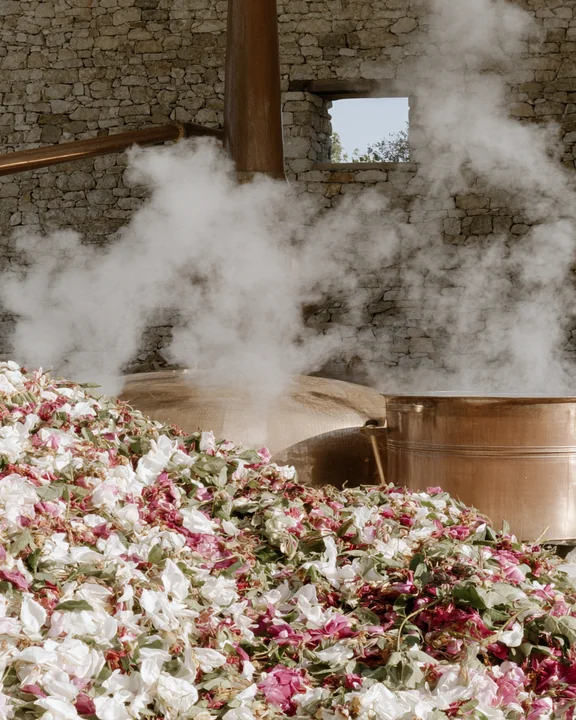
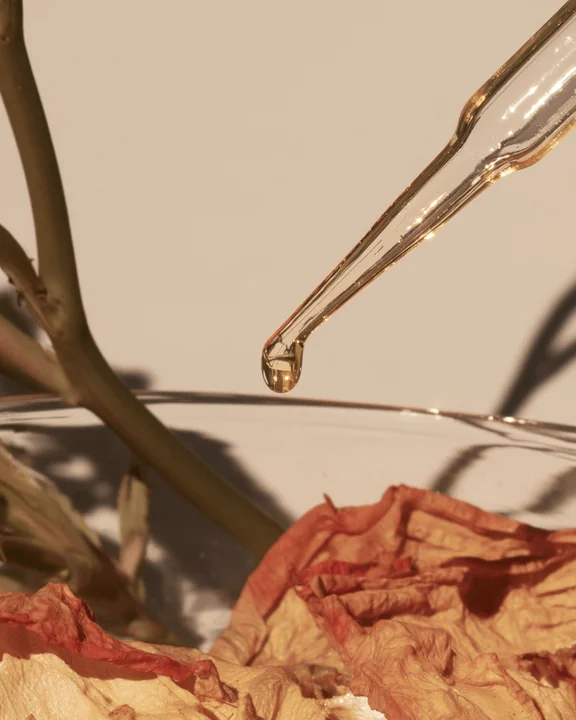
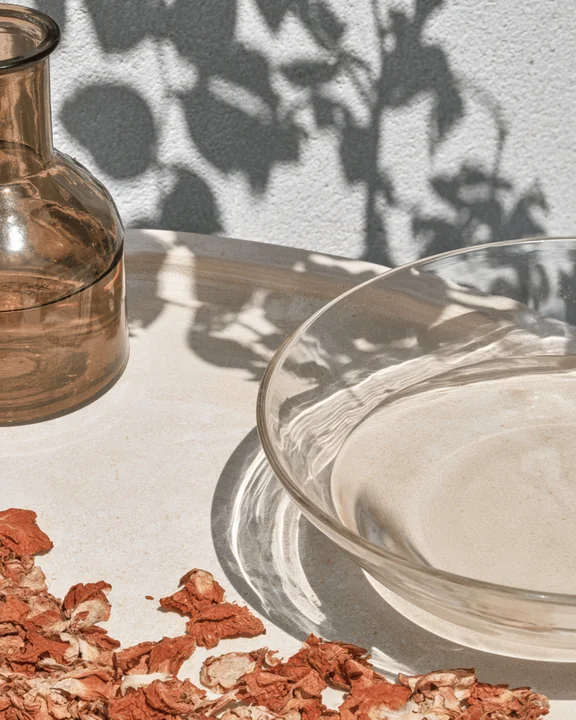
Rose otto is one of the most expensive materials in perfumery, and the reason is arithmetic rather than mystique: roughly 4.5 tonnes of petals yield a single ounce of oil, and the petals have to be hand-picked at dawn, because the volatiles leave as the sun rises. The two great species split the market — Rosa damascena, distilled in Bulgaria, Turkey and Iran, and Rosa centifolia, the May rose of Grasse, which flowers once a year.
Inside that oil there is a figure worth stopping on. The scent is built on citronellol, geraniol, nerol and phenylethanol, but the compound that decides its character is β-damascenone, which accounts for about 0.1% of the oil and roughly 70% of what we actually smell. Its detection threshold is among the lowest ever measured.
Which makes the supermarket rose easier to forgive. For decades, cut-flower breeding selected vase life, stem length, colour and resistance to transport. Perfume is metabolically expensive for the plant and evaporates in transit, so it fell outside the criteria. The best-selling rose in the world is often the one that smells of nothing — not by accident, but by specification.
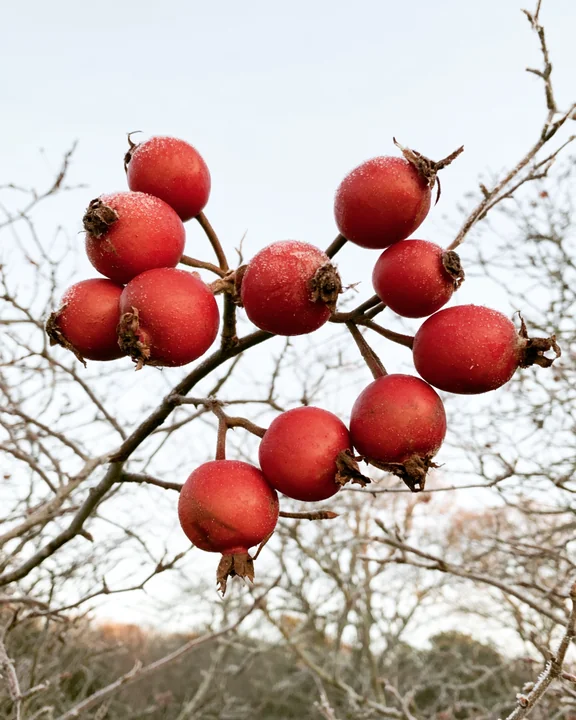
And then there is the fruit, which most people never associate with the flower. The hip of Rosa canina carries around 400 mg of vitamin C per 100 g, against roughly 50 in an orange. When citrus imports were cut off in the Second World War, Britain organised a national rosehip harvest from 1941 — schoolchildren included — and turned hedgerows into syrup.
The rose at the end of the vine row
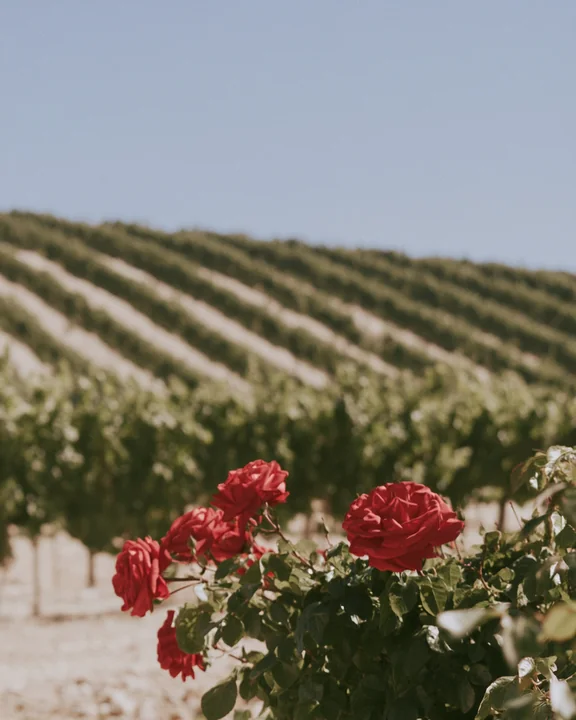
The old explanation is that the rose catches mildew first and warns the winemaker. It is half wrong: the mildews that attack roses and vines are different species and cannot cross over. But the practice survives because it still works — the humidity and temperature that let fungus take a rosebush are the same conditions that endanger the grapes. The rose is not an early carrier. It is a barometer with petals.
Did you know...?
0.1% → 70%
of the scent, from a trace
β-damascenone is barely 0.1% of damask rose oil and delivers close to 70% of what we perceive. What defines the character of a thing is almost never what weighs the most in it.
The Heaviest Symbolism a Flower Ever Carried
No other flower has been asked to mean so many incompatible things at once. In classical antiquity the rose belonged to Aphrodite: desire, beauty, and the short life of both. In the same culture, on the same ceiling, it meant silence. Christianity then took the whole apparatus and reassigned it — the white rose became the purity of the Virgin, and the string of prayers named after garlands of roses became the Rosary.
Politics used it as a uniform. In the fifteenth-century English dynastic wars, the white rose stood for York and the red rose for Lancaster, and the conflict took the flower's name. Two colours of the same species, on two sides of the same war.
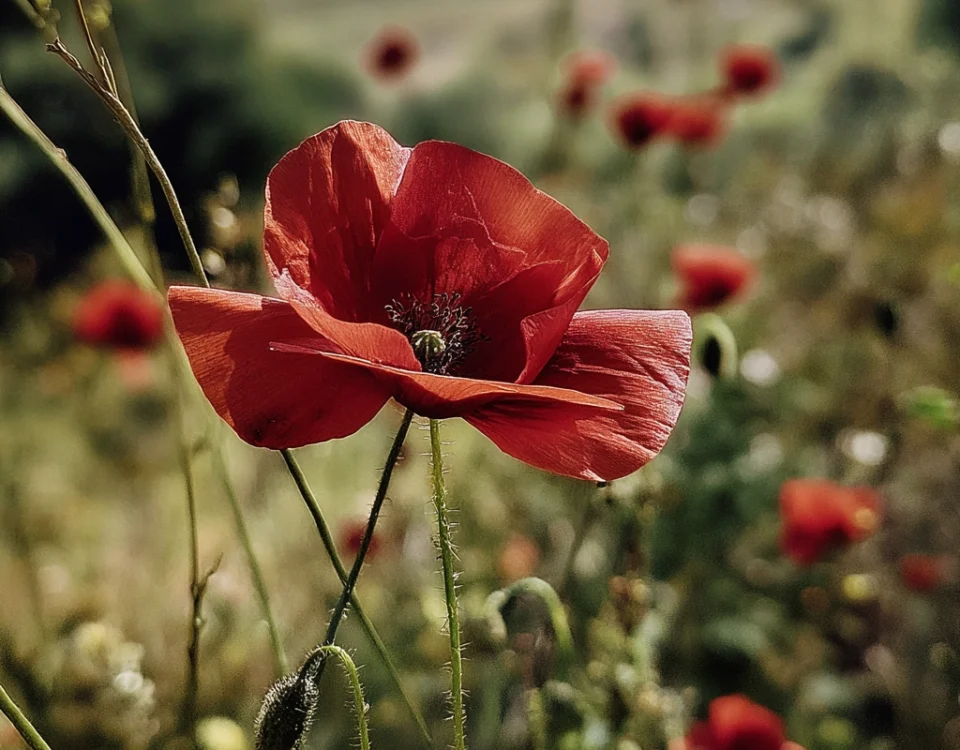
The mystics went further in. Sufism calls the pursuit of divine truth the Path of the Rose. The Zohar uses a thirteen-petalled rose for the thirteen attributes of Divine Mercy. Rosicrucianism binds the geometric cross to the unfolding flower. In every case the reading depends on the same physical fact: a rose is a structure that opens, layer after layer, and never shows you everything at once. Like the poppy, it is a flower we read partly because it does not last.
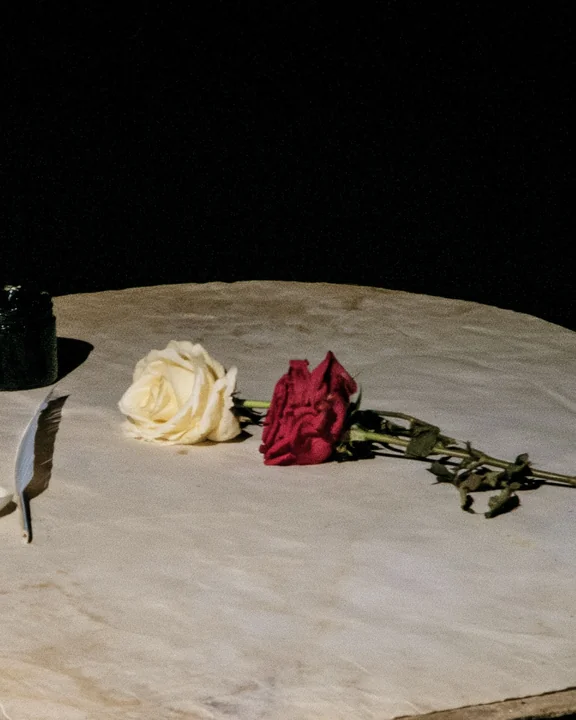
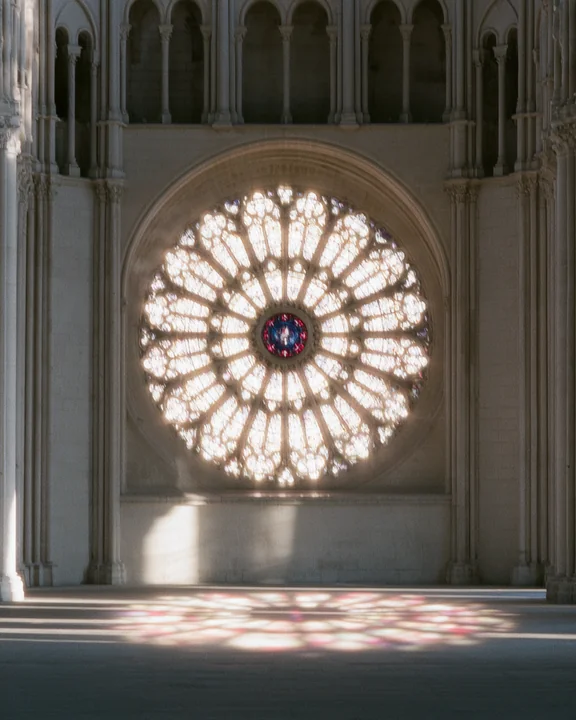
"The Rose is without an explanation; She blooms, because She blooms."
— Angelus Silesius
Roses in Art: 10 Works to Fall Into
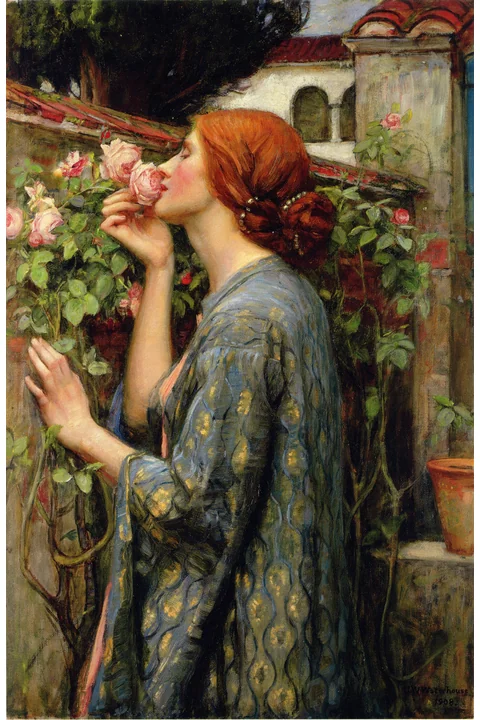
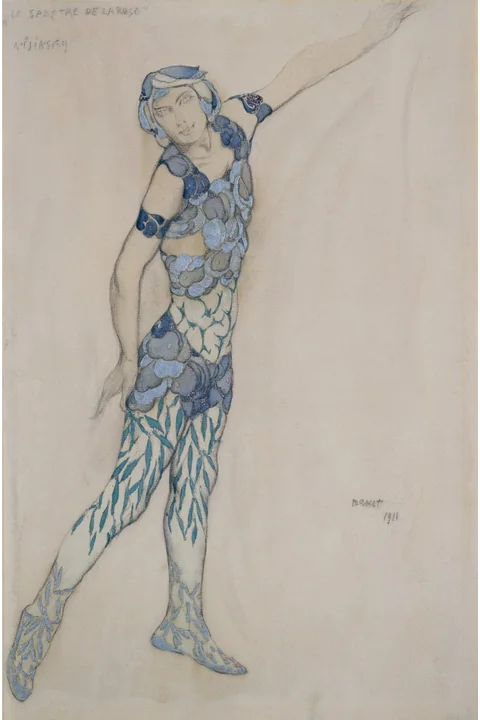
Ten works, in chronological order, from an illuminated manuscript to an abstraction. The line stops in 1920, and it stops there for legal reasons rather than aesthetic ones: everything past that date is still in copyright and we cannot reproduce it here. The rose's visual history obviously does not end with Klee — Georgia O'Keeffe put it on monumental canvases, Robert Mapplethorpe photographed it in high-contrast black and white, Andy Warhol turned it into a repeatable product. We can name them. We just cannot show them.
Ten public-domain roses, 1490 to 1920
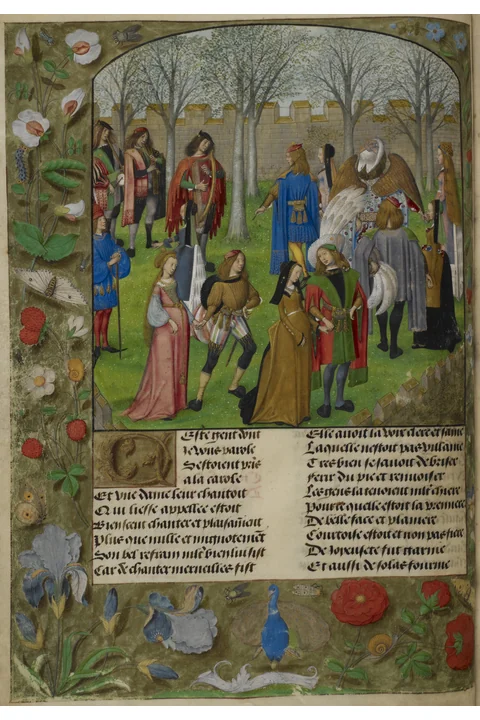
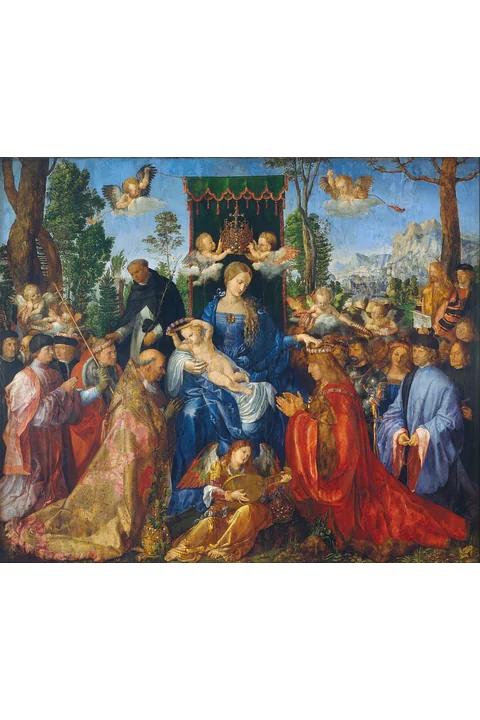
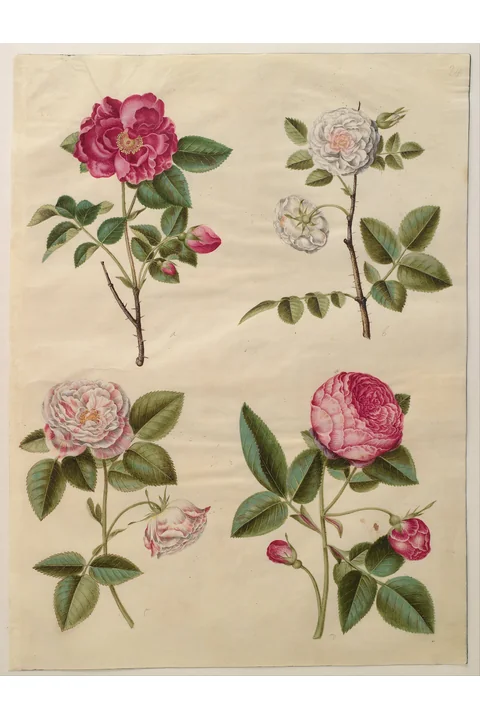
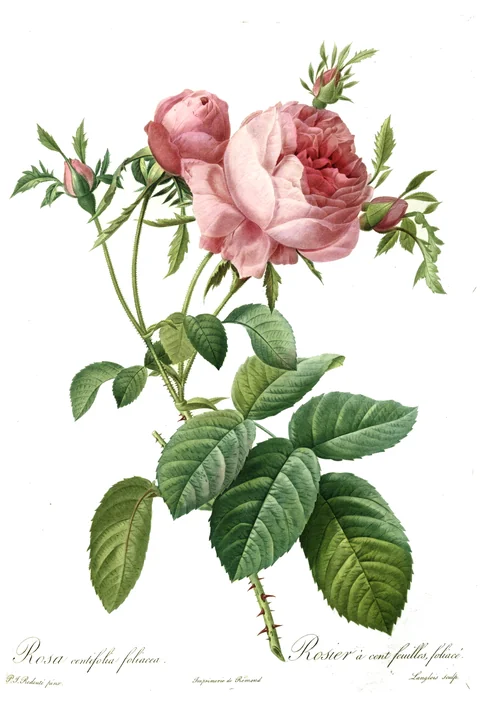
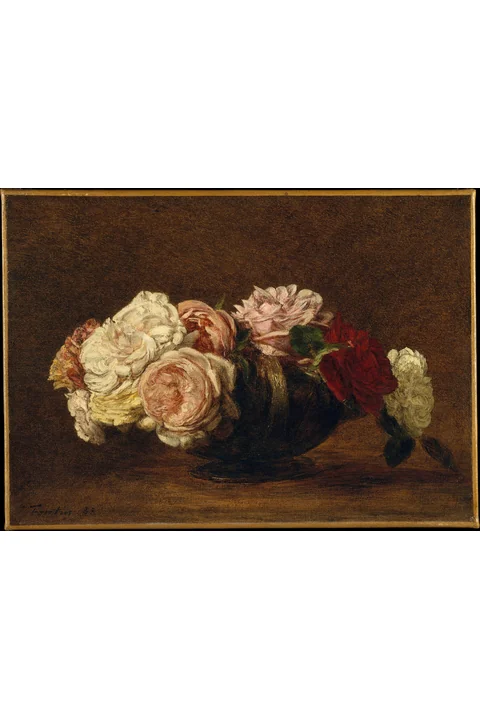
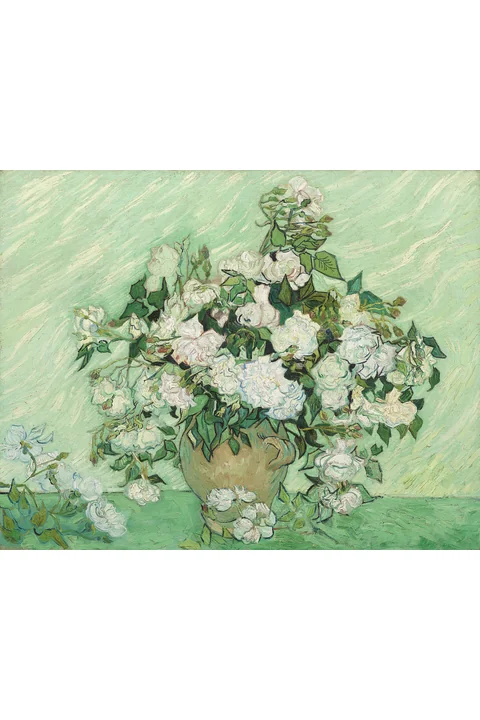
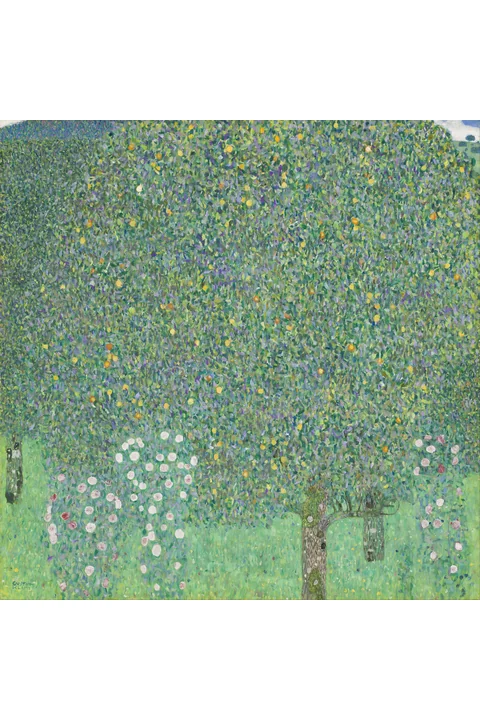
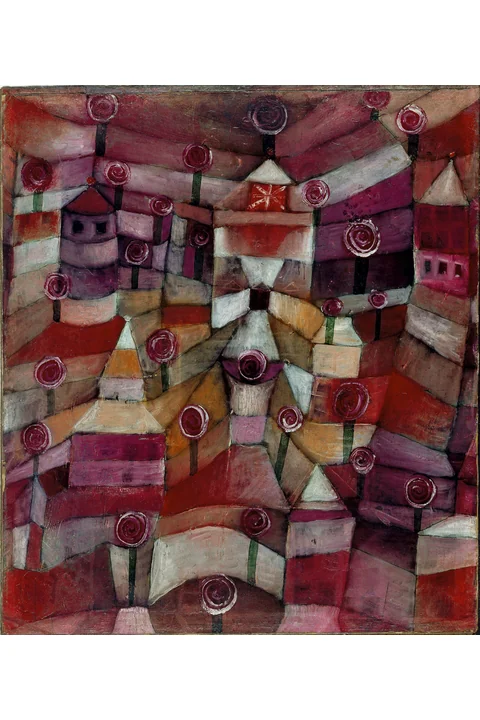
Look at the last two. Klimt's Rosebushes under the Trees is a field of marks from edge to edge in which the roses very nearly disappear — the flower dissolved into texture. Klee reduces them to spirals on a surface with visible body and impasto. Six of the ten are from 1883 onwards, and the sequence ends in abstraction, which is where our own work lives: not the rose described, but the rose as a surface that holds light.
Rose Contemporary Artworks:

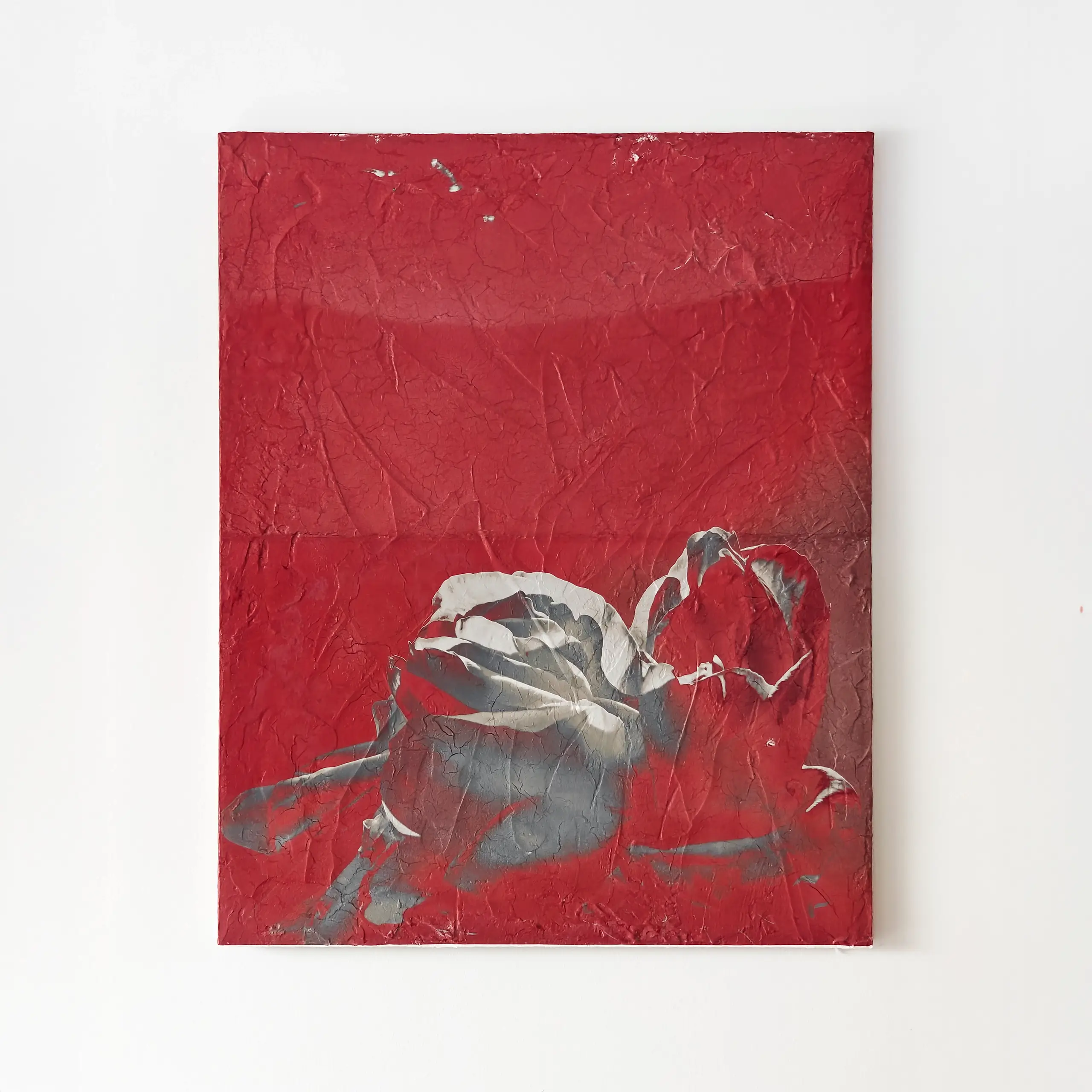
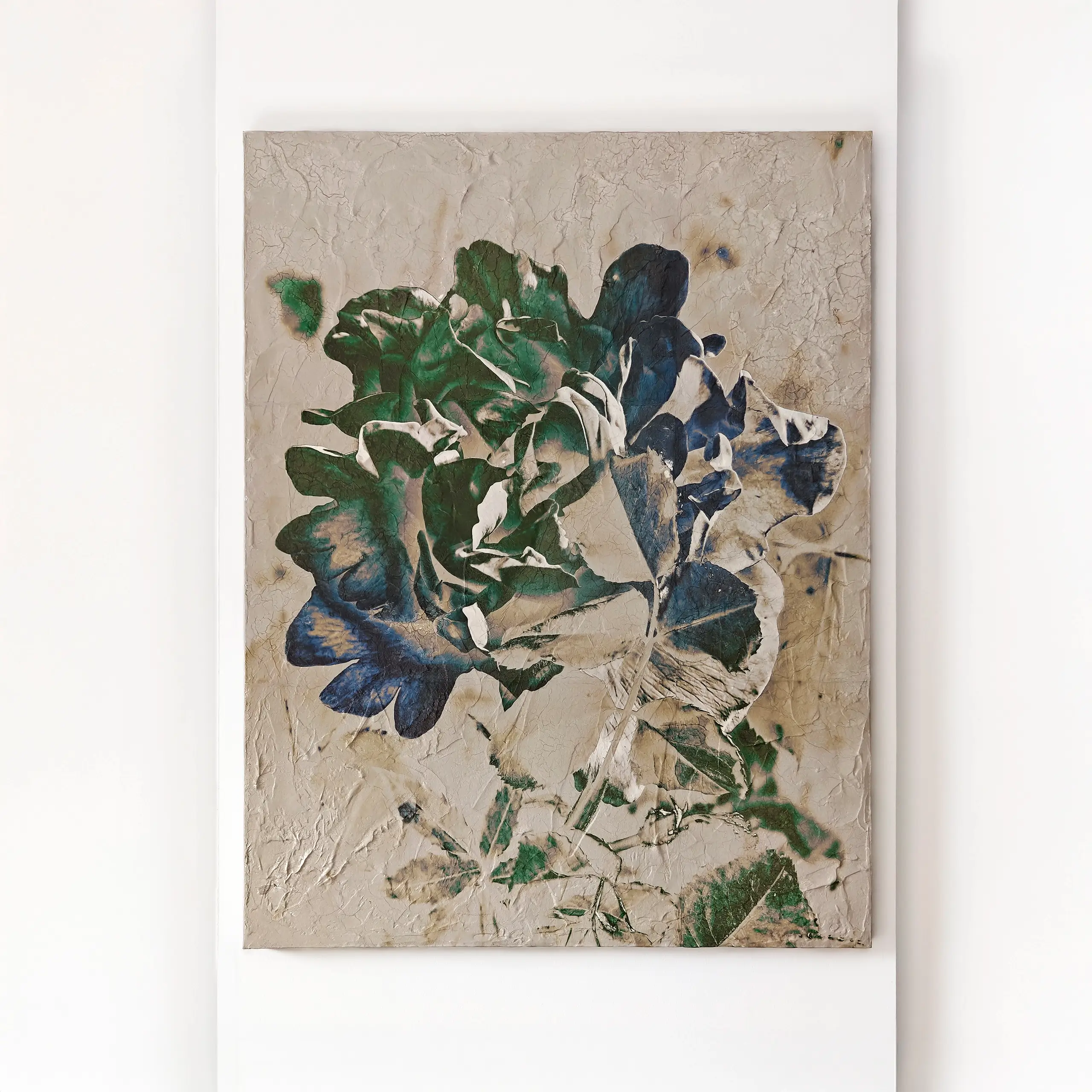
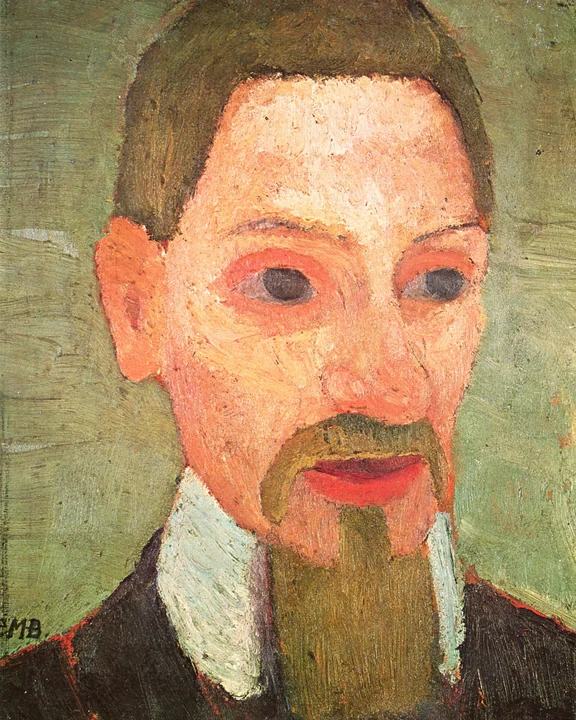
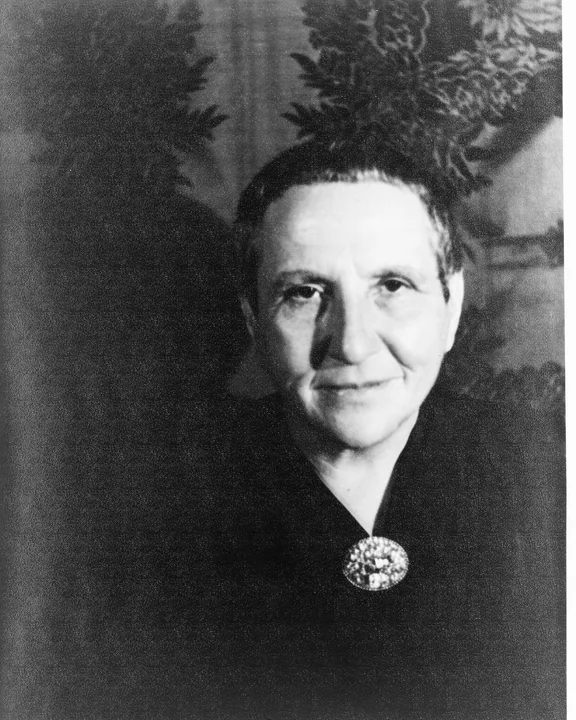
Personalities Who Loved or Decoded the Rose
Four people who changed what the rose means: the patron who financed its modern form, the painter who fixed its image, the poet who wrote his own epitaph about it, and the writer who tried to give the word back its weight. Before all of them, Cleopatra — who, legend says, filled a room with rose petals a foot deep, the earliest recorded case of a flower used as an instrument of persuasion.
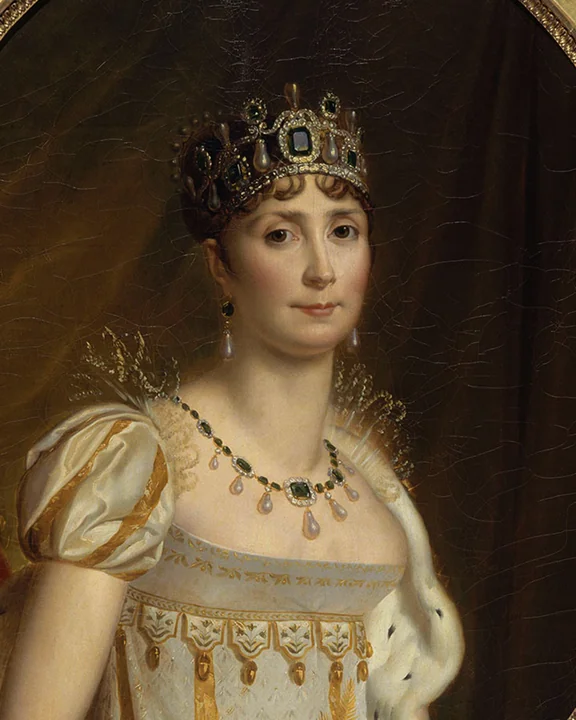
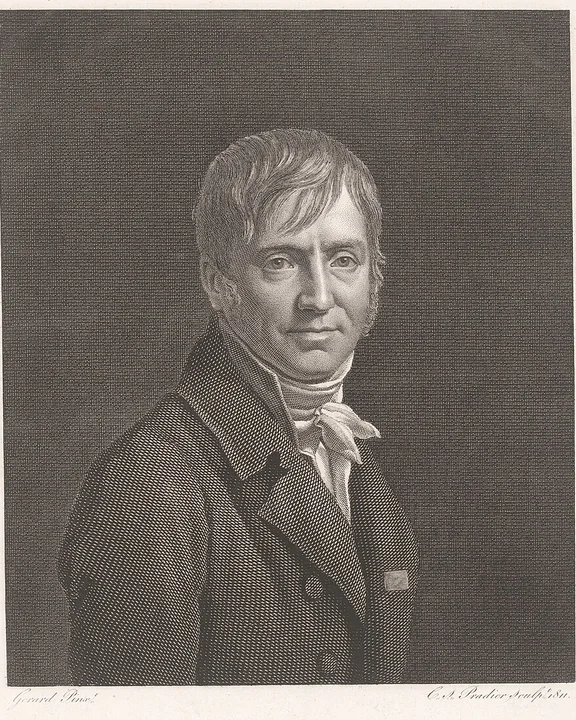
Live the Rose Life (Inspire Action)
-
For readers — Umberto Eco's The Name of the Rose, whose title comes from the medieval line about the rose of which only the name remains; and The Little Prince, for the rose that matters because of the time that was spent on it.
-
For film lovers — the enchanted rose in Beauty and the Beast, used as a countdown; and the obsessive rose garden in American Beauty, the façade of a perfection that does not exist.
-
For foodies — rose water in Persian, Indian and Maghrebi pastry, where it does the work that vanilla does elsewhere; and the rose hip, with roughly eight times the vitamin C of an orange.
-
For art lovers — our Rose collection, and the rest of our work. If you would rather start from where the images come from, there is our inspiration page.
-
For travellers — the Kazanlak Rose Festival in Bulgaria, first weekend of June, where the picking still starts at dawn; the Roseraie de L'Haÿ-les-Roses outside Paris, the first garden in the world dedicated to roses alone, from 1894; and Parc de Cervantes in Barcelona, some ten thousand bushes and an international rose competition every May, a short walk from our studio.
-
For eco-activists — drip irrigation and organic cultivation are changing an industry with a heavy water and pesticide record. And the uncomfortable question worth carrying to the florist: which costs more, the flight from Kenya or the heated greenhouse in the Netherlands?
Rose FAQs
No. They are prickles: outgrowths of the epidermis with no vascular bundles, which is why they come away cleanly under a fingernail. A true thorn is a modified stem or leaf, connected to the plant's plumbing. What looks like structural armor is skin.
There is no black pigment in roses. 'Black Baccara' and the Halfeti rose of Turkey are very dark reds and garnets that read as black depending on the light — at dusk, or against a warm background, they close the last step themselves.
Not naturally: the rose lacks the gene needed to synthesise delphinidin, the blue pigment. The commercial blue rose was achieved by genetic modification — suppressing the red pigment and introducing the blue-producing gene from the pansy and the iris.
Decades of breeding for vase life, stem length, colour and resistance to transport. Scent is metabolically expensive for the plant and volatile in transit, so it simply fell outside the selection criteria.
Almost every garden rose is two plants grafted together. The graft died and the rootstock came back: what you are looking at is the plant underneath.
The rose of Jericho, the rose of Sharon, the Christmas rose (Helleborus) and the desert rose (Adenium). None of them is a Rosa. They borrowed the prestige of the name, which tells you how far that prestige reached.
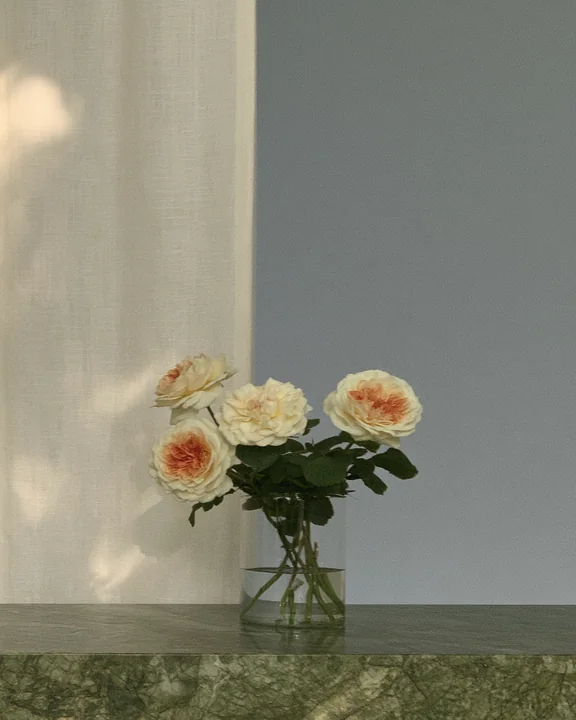
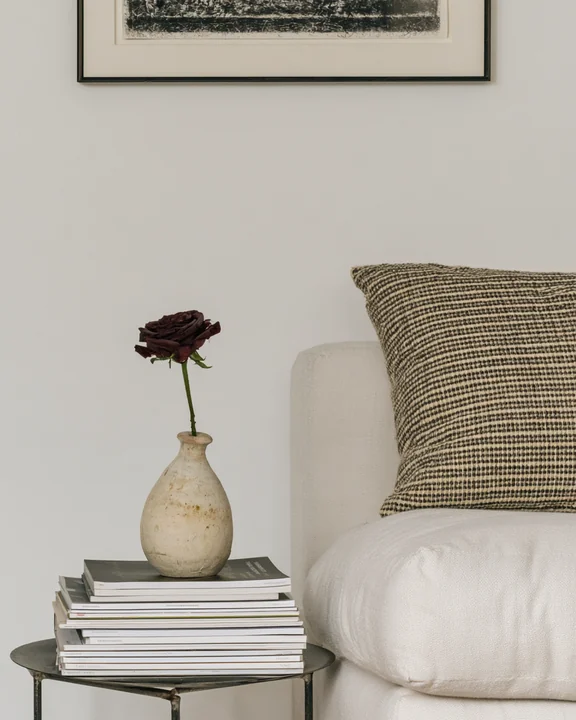
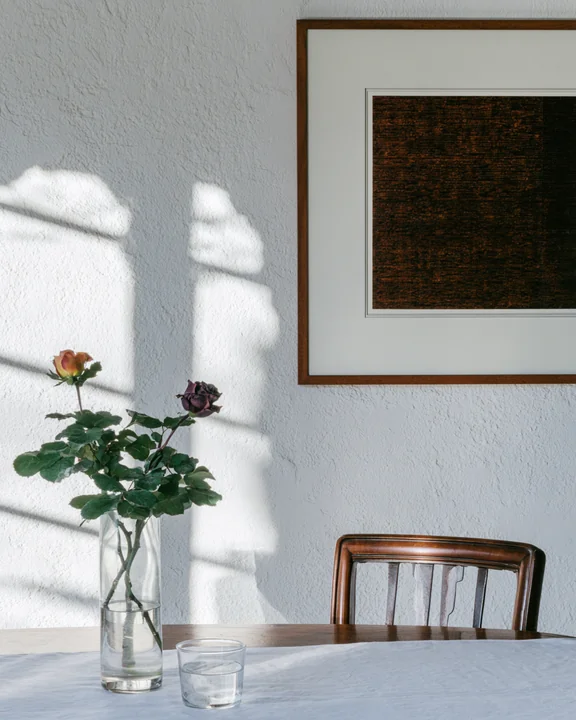
The rose, at home
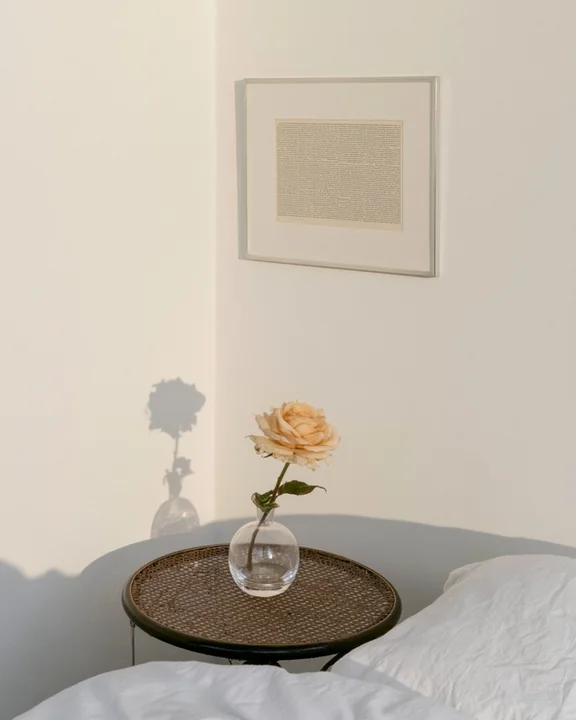
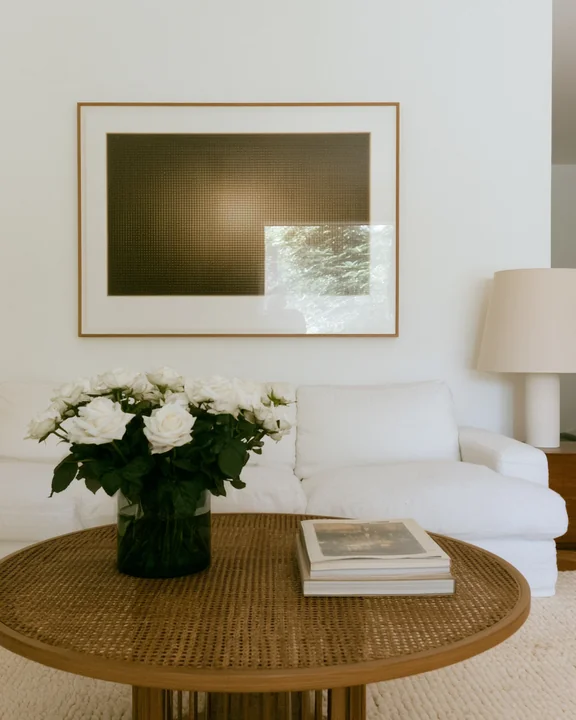
From Nature to Canvas
How do you capture a rose beyond its famous red?
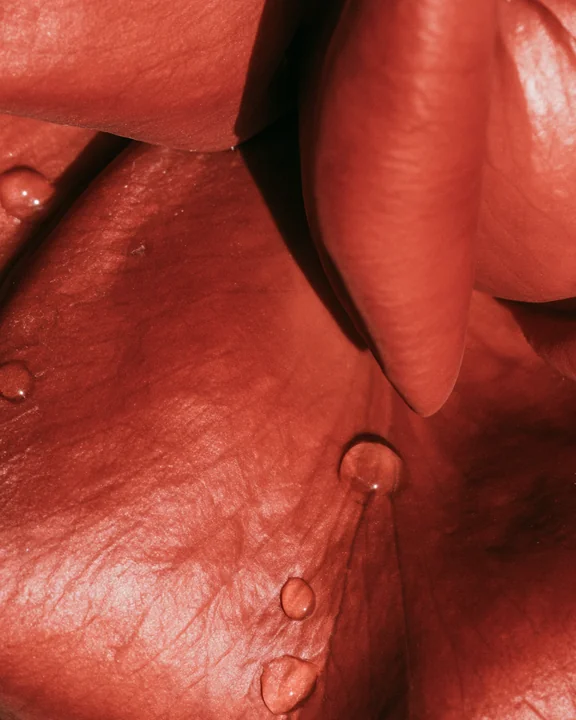
That was our problem in the studio. The colour is the first thing anyone sees and the least interesting thing about the flower, so we went looking at the surface instead. A rose petal is covered in conical micro- and nanostructures that produce what researchers named, in 2008, the petal effect: a drop of water stays perfectly spherical on it, refusing to spread — and at the same time sticks so firmly that you can turn the petal upside down and the drop stays put. It repels and it holds, with the same skin, at the same time.
That is the whole article in one square centimetre. The prickle that looks like armor and is only skin. The fossil of thirty-five million years and the cultivar that cannot survive a season without a gardener. The flower of Venus and the flower of silence. York and Lancaster. The rose has always been two things at once, and it resolves the contradiction in its material rather than in its meaning — which is exactly the kind of problem we are interested in.
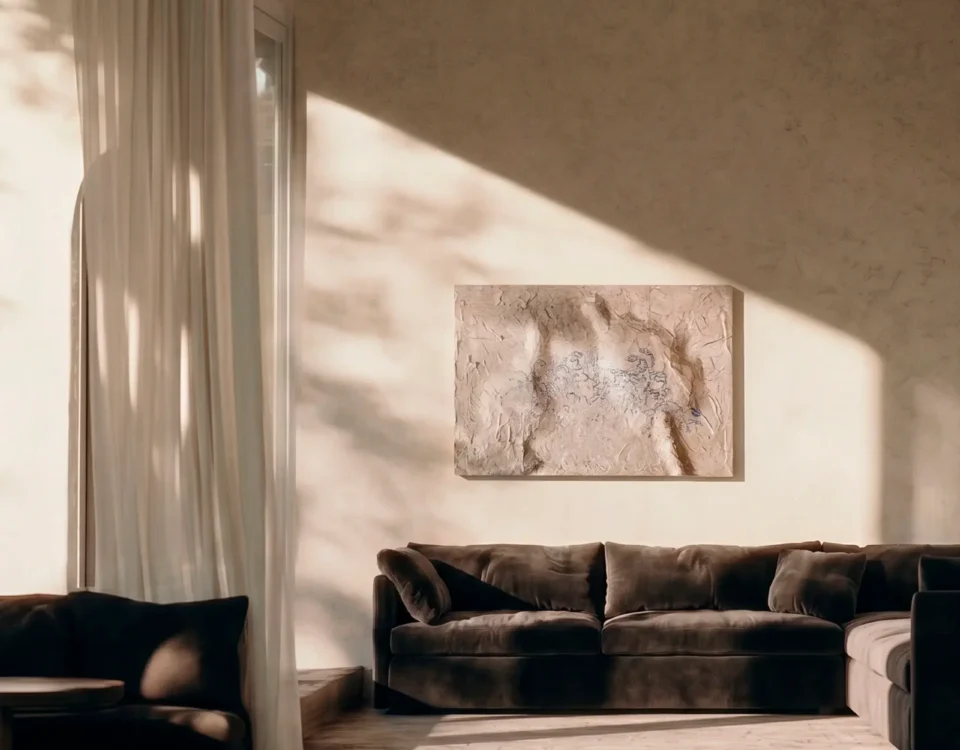
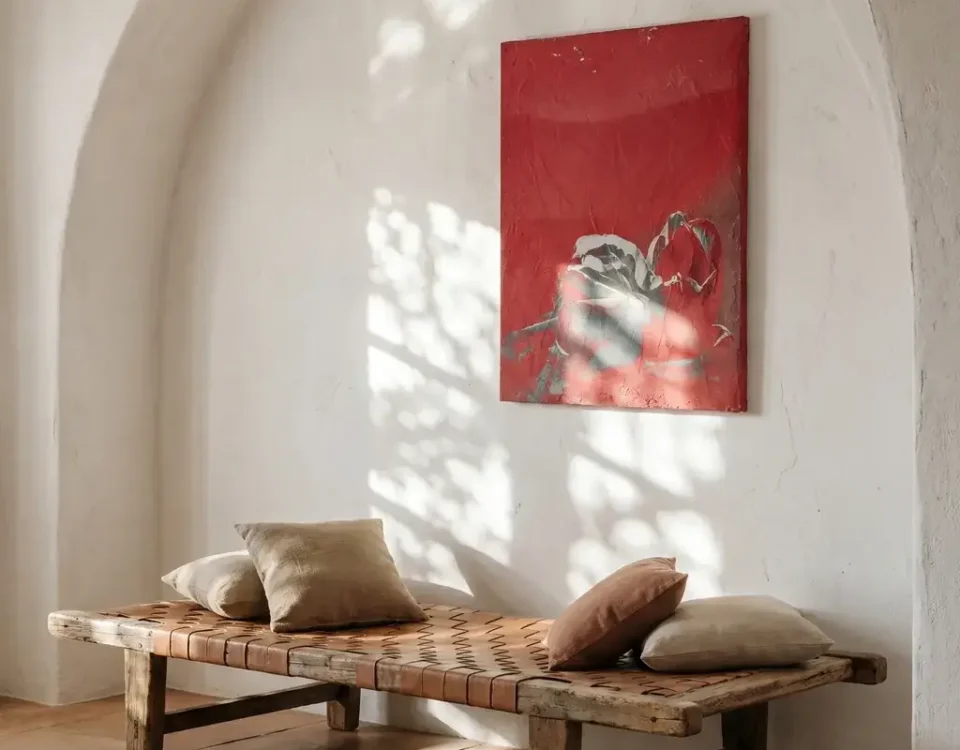
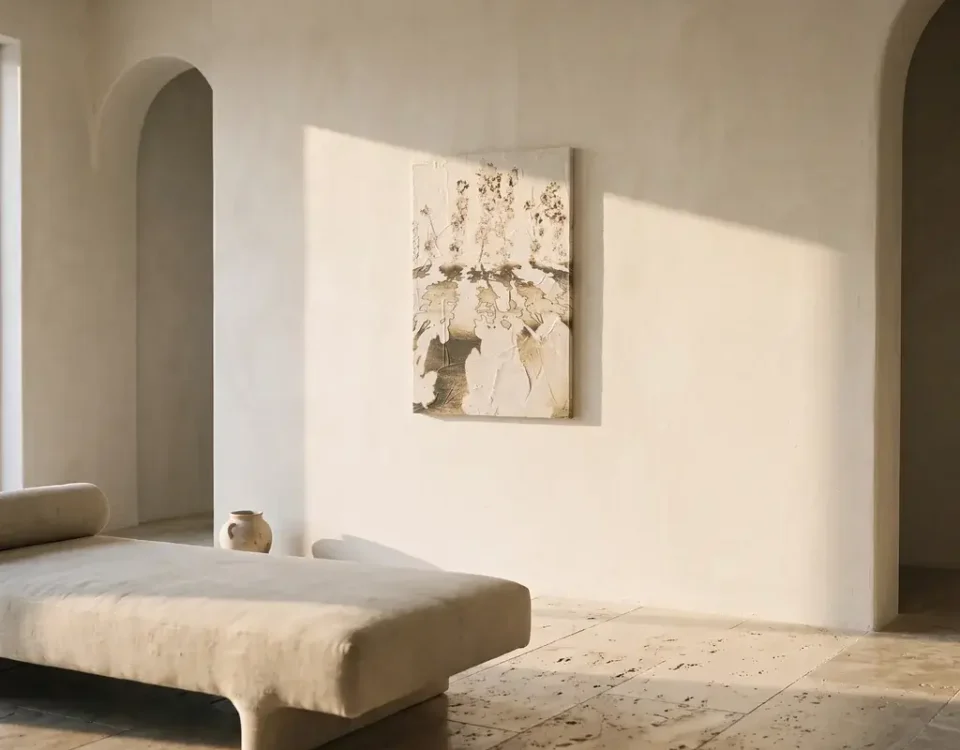
We loved our images, but not their physical expression: printed, flat, behind glass. So we stopped printing them. We work in photographic relief in plaster on canvas — the image is transferred onto a plaster surface built to catch light and shadow, so that what you see changes as the day moves across it. It is closer to a petal than to a photograph. If you want to see how that logic runs through the rest of the work, the pieces are organised by theme, and there is more about the two of us in about us.