





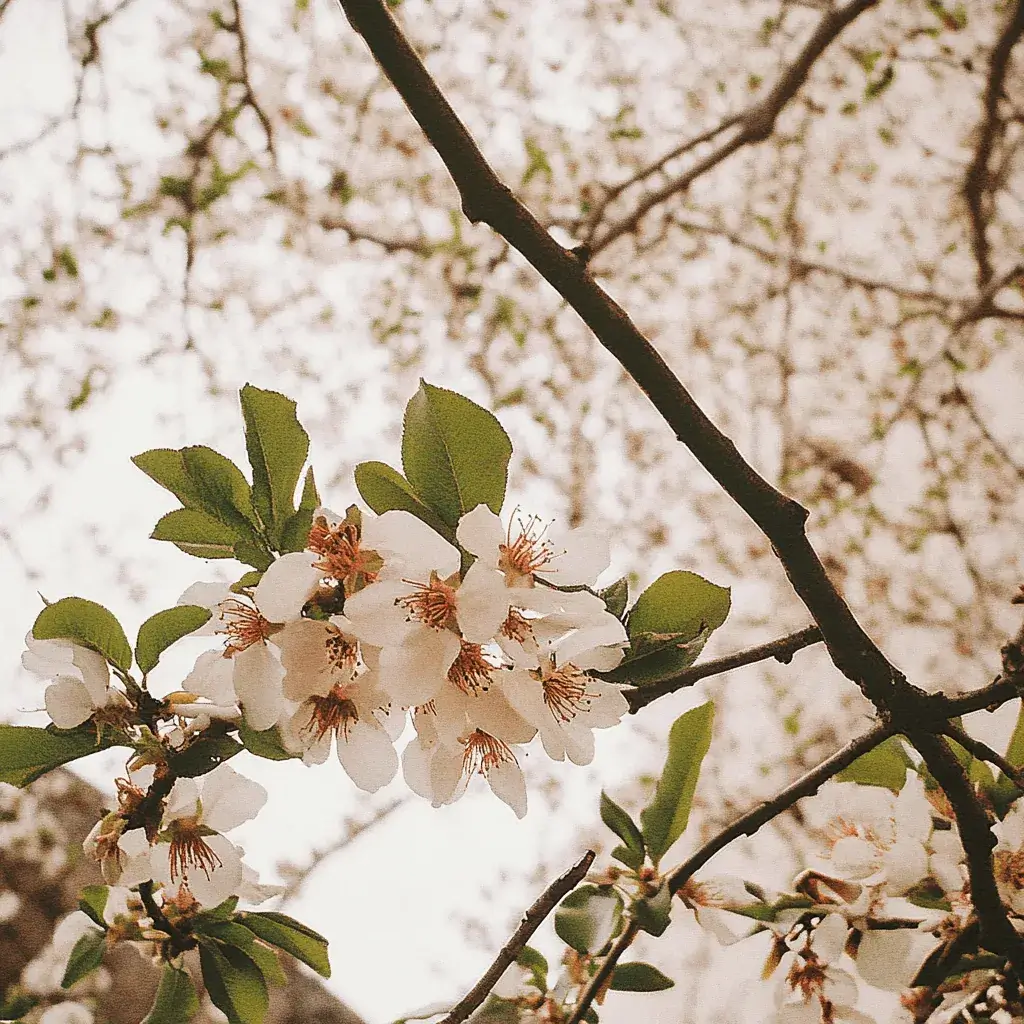

Almendro
Facts and Features
| Scientific Name: | Prunus dulcis |
| Common Names: | Almond tree, sweet almond, "almendro" |
| Etymology: | From Latin amygdalus, rooted in Greek amygdalē, symbolizing its early bloom as "the awakened." |
| Family: | Rosaceae |
| Native Regions: | Mediterranean Basin, Middle East, Central Asia |
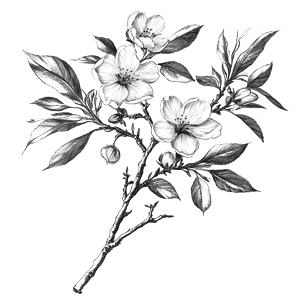
| Blossoms: | Pale pink to white, blooming in late winter or early spring |
| Foliage: | Deciduous, shedding leaves in autumn |
| Fruit: | A drupe with a hard outer shell protecting the almond seed |
| Height: | Typically 4–10 meters (13–33 feet) |
Almond Tree main features chart
5,000 Years of Heritage: Origin and History
The almond tree (Prunus dulcis) has its roots in the arid regions of Central Asia and the Middle East, where wild almonds first grew thousands of years ago. These regions provided the perfect environment for their development, with dry climates and mild winters.
Archaeological evidence suggests that almonds were one of the earliest domesticated tree crops, with cultivation dating back over 5,000 years. Ancient civilizations, including the Egyptians and Mesopotamians, valued almonds for their nutritional benefits and symbolic meaning.

Silk Road: Almonds traveled along trade routes, spreading to Greece, Rome, and eventually the Mediterranean basin.
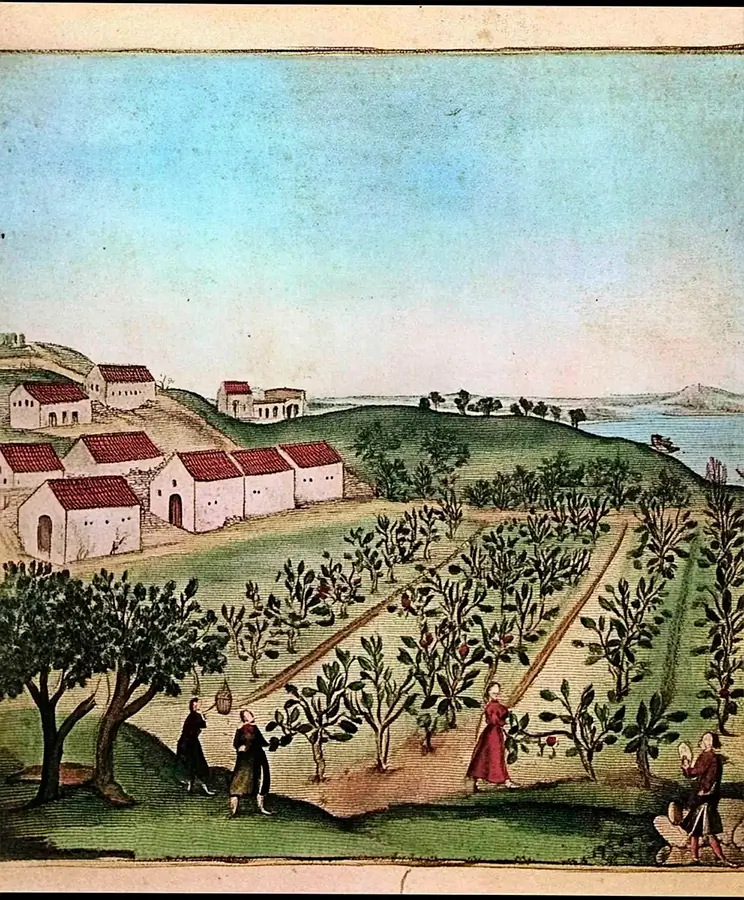
Modern Expansion: Spanish Franciscan missionaries introduced almonds to California in the 18th century, which now dominates global production.

In the Ancient Egypt, almonds were considered a luxury food, found in King Tutankhamun’s tomb as a provision for the afterlife.
The Power of Almonds
Why do almonds have this Superfood Status? Probably because of the wealth of nutritional and health benefits that they offer:
- Heart Health: Almonds reduce LDL (bad cholesterol) and are linked to improved cardiovascular function.
- Nutritional Density: Rich in vitamin E, magnesium, protein, and healthy fats.
- Skin and Hair Care: Vitamin E nourishes skin and enhances hair strength.
- Weight Management: Despite being calorie-dense, almonds promote satiety and support healthy weight loss.
- Blood Sugar Control: Their combination of fiber, protein, and healthy fats helps stabilize blood sugar levels.
Even the harshest frost cannot prevent the almond tree from blooming
Where Does It Grow Best?
The almond tree thrives in Mediterranean climates with warm summers and mild winters. Key growing regions include:

California, USA: Leading global almond production with sustainable practices. | Australia: A significant exporter focusing on eco-conscious farming methods | Spain: Particularly Andalusia, where almond blossom festivals attract tourists. | Iran: The almond tree’s native home, still producing high-quality almonds using ancient methods. | Italy: Known for Sicilian almond varieties used in culinary traditions
DID YOU KNOW...?
of almonds in a tree lifetime!
Which are its Variaties and Uses Today?
The almond tree boasts a range of varieties, each adapted to specific climates and uses. Nonpareil almonds, known for their smooth shells and sweet taste, dominate global markets, while Marcona almonds are prized for their rich, buttery flavor in gourmet cuisine. Other types, like Mission and Carmel, cater to specialized agricultural needs and regional preferences.


Culinary Delights
Almonds have become a staple in kitchens worldwide. From almond milk and flour to oils and nut butters, they’re a cornerstone of plant-based and health-conscious diets. Almonds enhance desserts, savory dishes, and even beverages, blending nutrition with versatility.
Wellness and Beauty
Almond oil, extracted from the seed, is a cherished ingredient in skincare and haircare, celebrated for its hydrating and soothing properties. Its vitamin E content makes it a go-to for natural beauty routines, while almond-based products feature prominently in luxury cosmetics.
Innovative and Eco-Friendly
Almond byproducts are finding new life in sustainable industries. Almond shells are repurposed into biodegradable materials for fashion, packaging, and even eco-friendly construction, while almond hulls are being utilized as sustainable livestock feed, reducing waste and supporting eco-friendly farming practices.
A Symbol of Hope Across Cultures
Throughout the ages, the almond tree has carried profound symbolic meanings:
- Greek Mythology: In Greek myths, the almond blossom symbolizes eternal and true love, a bond so strong it endures even beyond death.
- Biblical Significance: In the Bible, the almond tree symbolizes God watching over the world to fulfill His promises and execute His judgments. It is also referred as the "watcher of winter" because it blooms in January while other trees remain dormant.
- Persian Traditions: In Persian culture, the almond symbolizes fertility, abundance, and love.
- European Folklore: Knights carried almond branches during journeys, representing hope and resilience.
Its cultural depth adds layers of meaning to its physical beauty, reinforcing its role as a bridge between nature and human storytelling. Today, it stands as a reminder that even in challenging times, renewal is always possible.
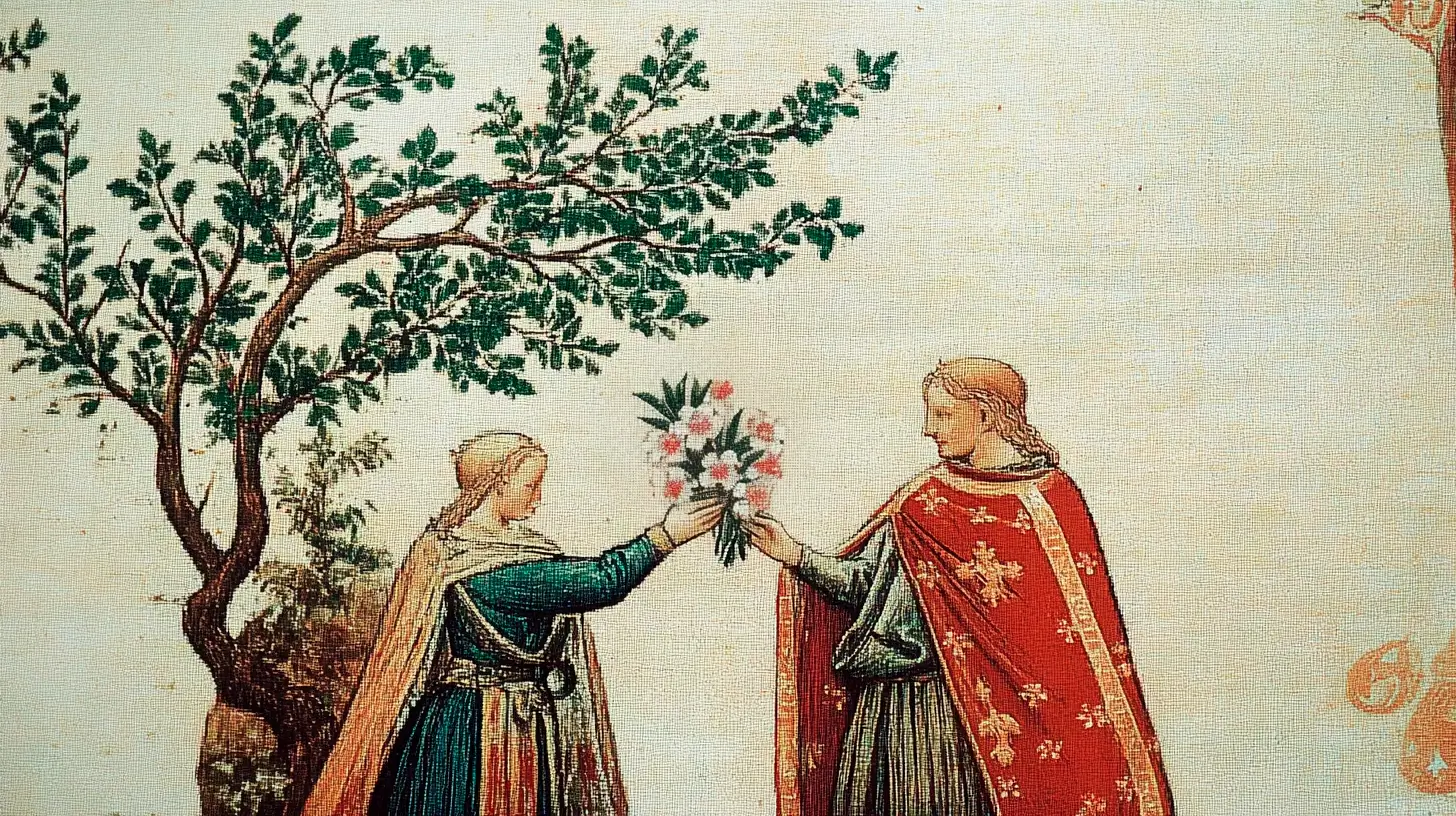
Woman giving almond tree branches to an european knight before he leaves for a journey
And Almonds met Art
Few trees have inspired artists as profoundly as the almond tree. Its blossoms, fragile yet bold, have found their way into timeless masterpieces:

‘Almond Tree in Blossom’ – Vincent van Gogh (1888)
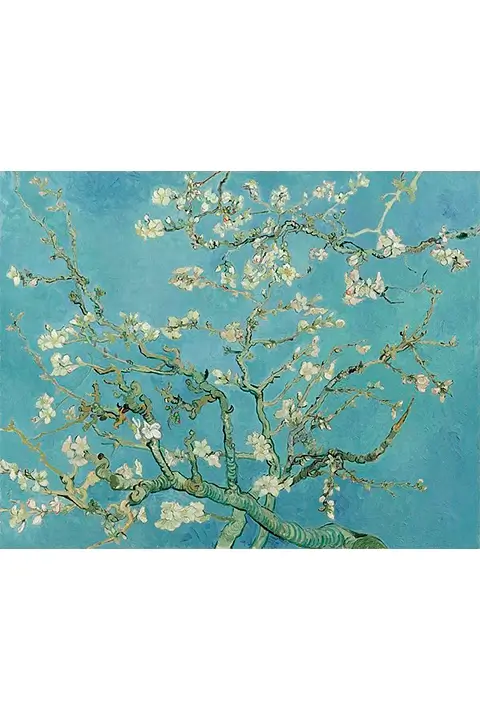
‘Almond blossom’ – Vincent van Gogh (1890)

‘Almond Trees in Provence’ – Paul Cezanne (1900)

‘Almond trees in Asis’ – Joaquín Sorolla
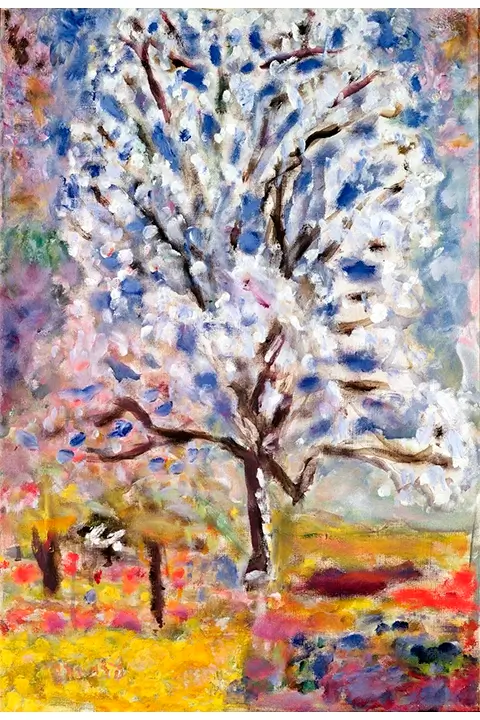
‘The Almond Tree in Blossom’ – Pierre Bonnard (1947)
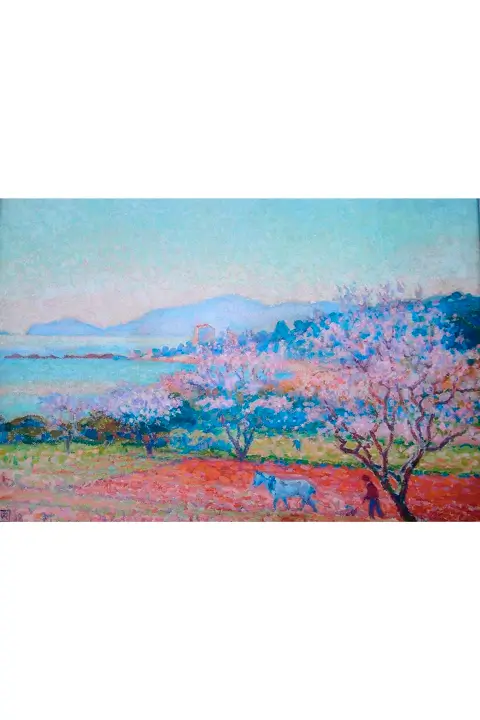
‘The Almond Flowers’ – Theo van Rysselberghe (1905)

‘Almond tree in blossom’ – John Peter Russell (1887)
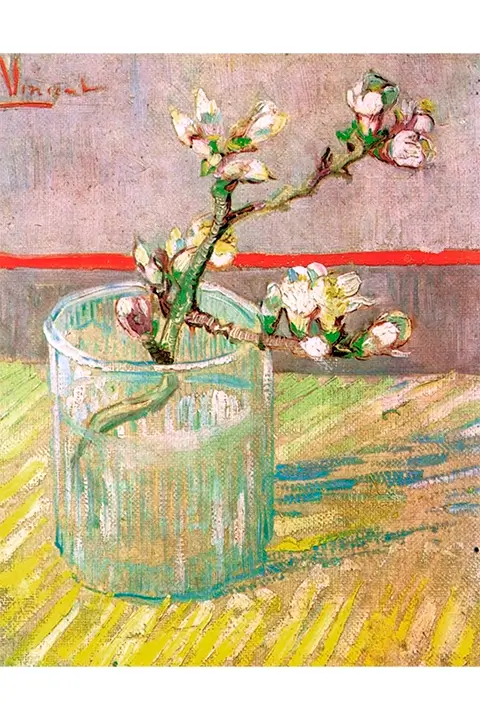
‘Blossoming Almond Branch in a Glass’ – Vincent van Gogh (1888)
Loved by Poets and Painters
Throughout history, the almond tree has captivated some of the greatest thinkers and creators:
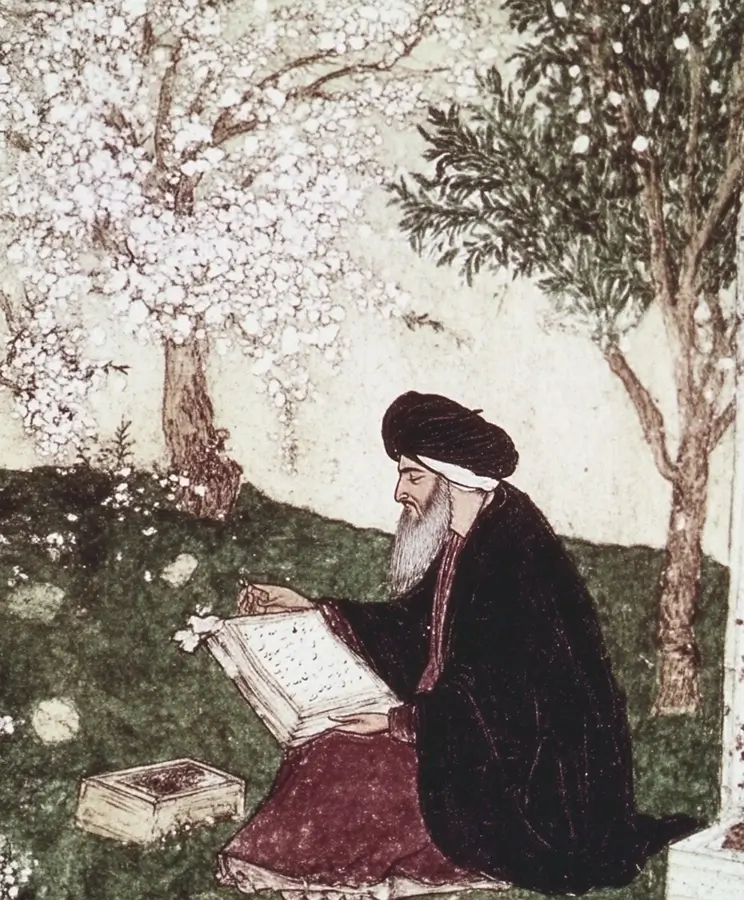


Hafiz, the Persian poet, likened the tree’s blossoms to moments of spiritual awakening.
Vincent van Gogh,inspired by its bold defiance of winter, painted it as a symbol of hope. His iconic "Almond Blossom" painting celebrates the tree’s delicate beauty and symbolizes hope.
Emily Dickinson, whose poetry often referenced nature, described the almond tree as a silent yet profound storyteller.
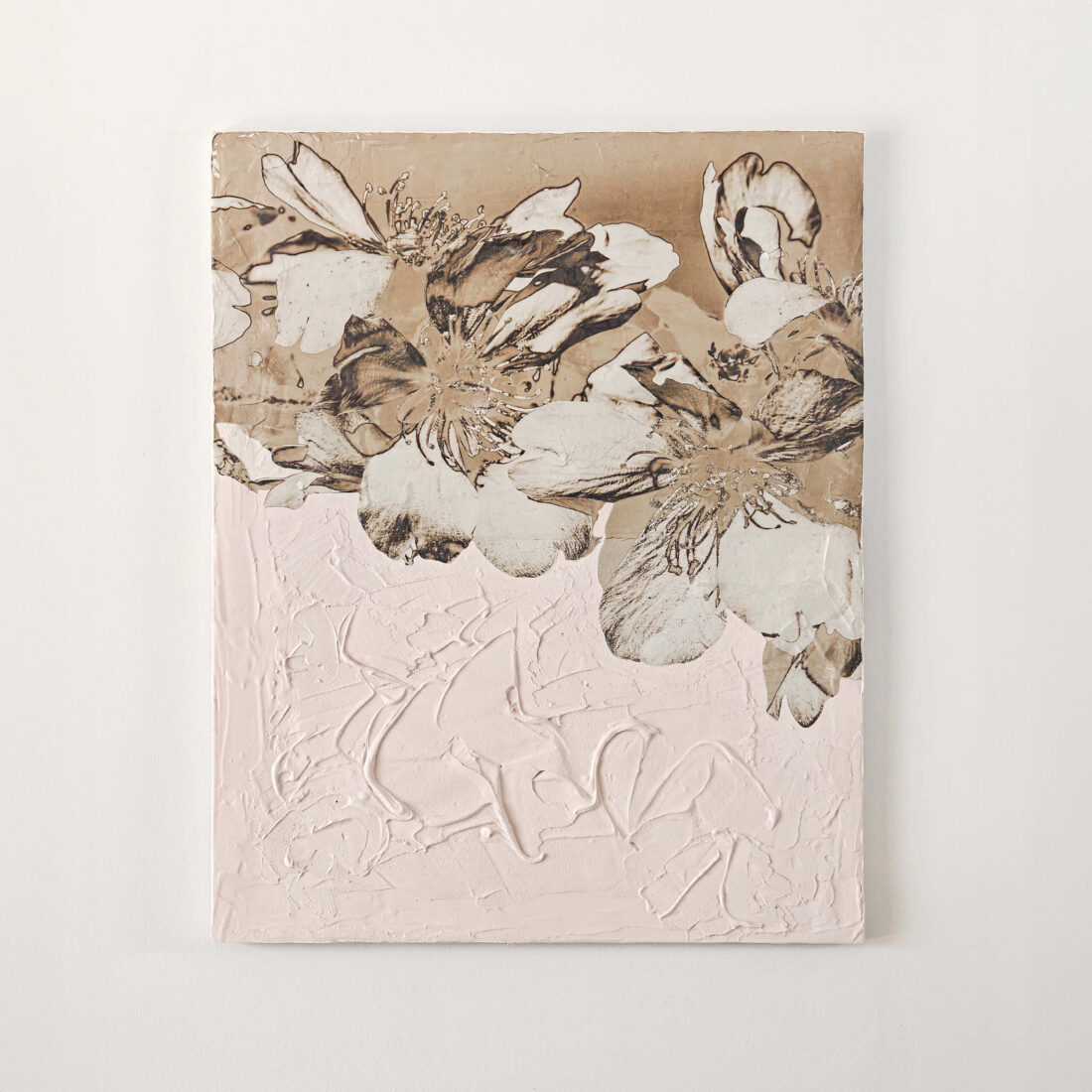
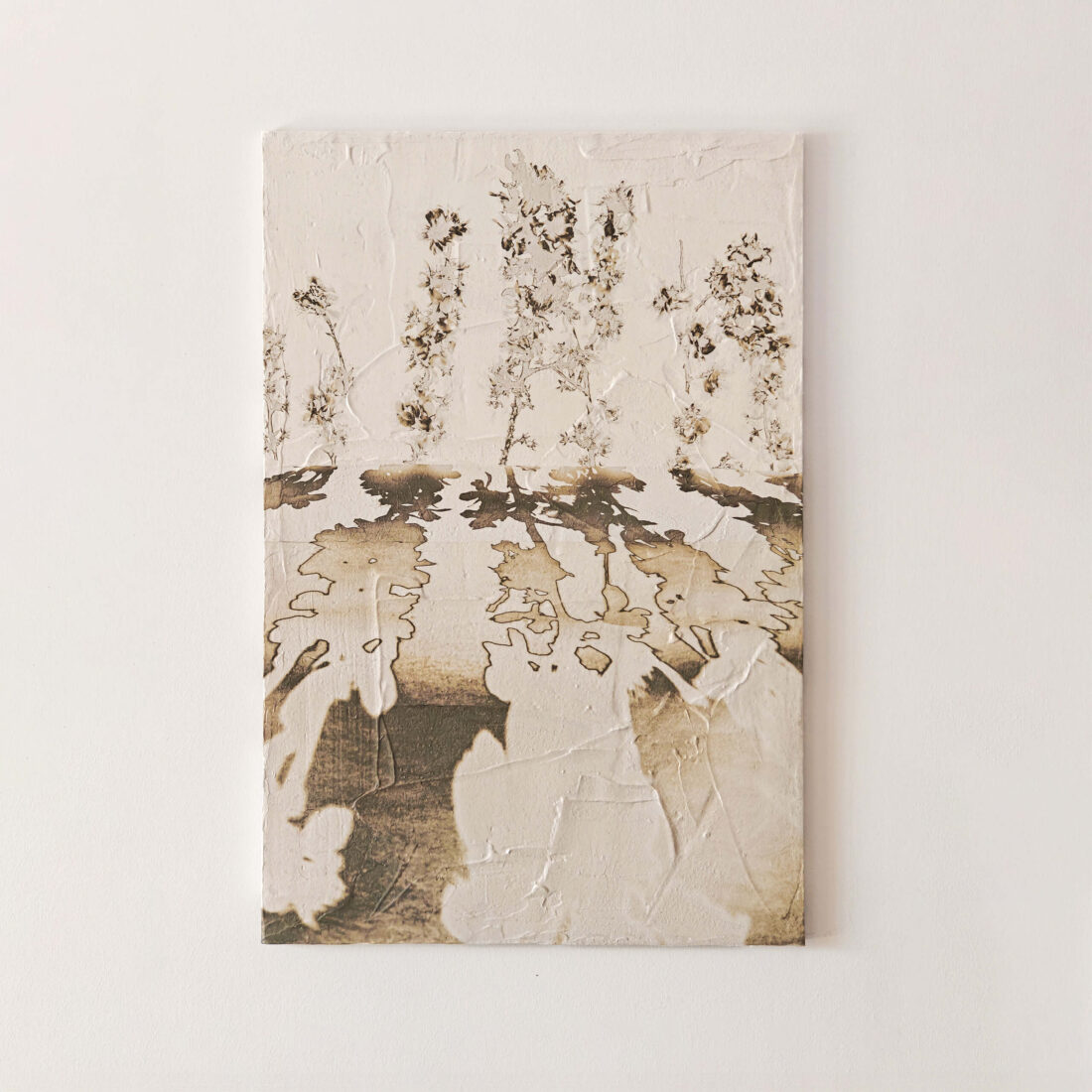
The almond tree’s textures, patterns, and symbolism inspire modern artists exploring themes of identity and nature. Textured plaster artworks, in particular, bring its organic essence into contemporary spaces.










A Celebration of Beauty
Across the world, the almond tree inspires a variety of celebrations and activities:
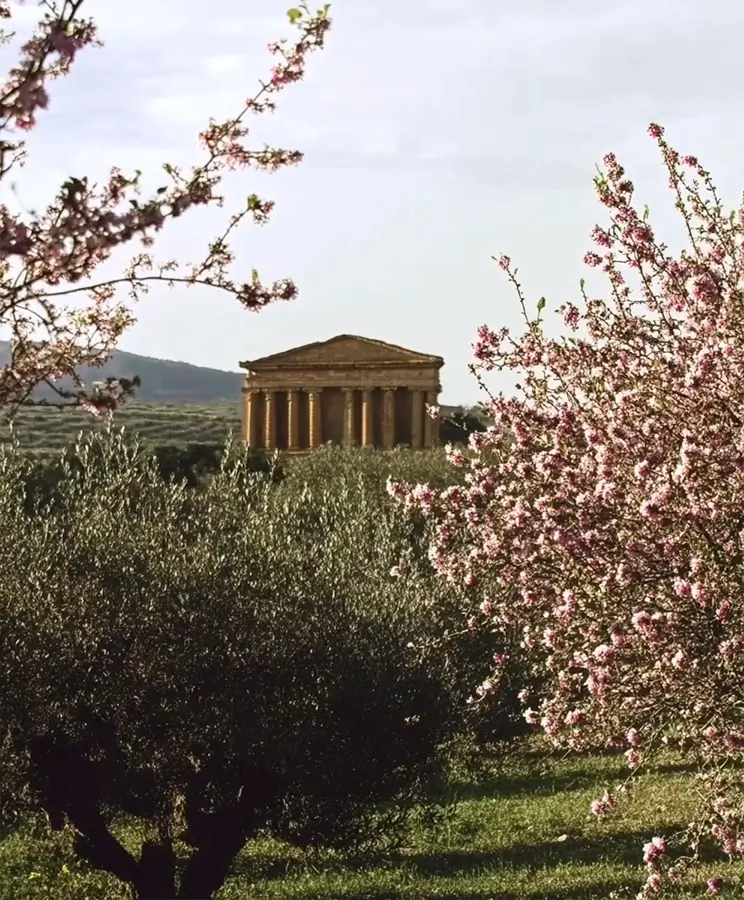

Agrigento Almond Blossom Festival (Italy): Held in Sicily, this event features music, dance, and cultural exhibitions amidst blooming almond trees.
Tejeda Almond Blossom Festival (Spain): Visitors gather in the Canary Islands to admire blossoms and enjoy local artisan goods.
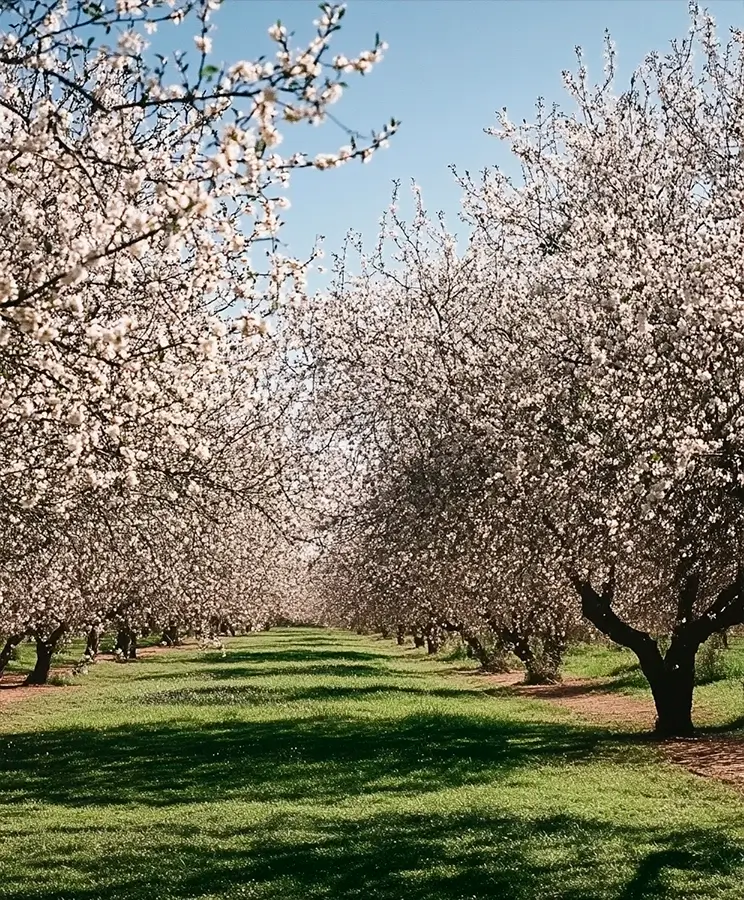
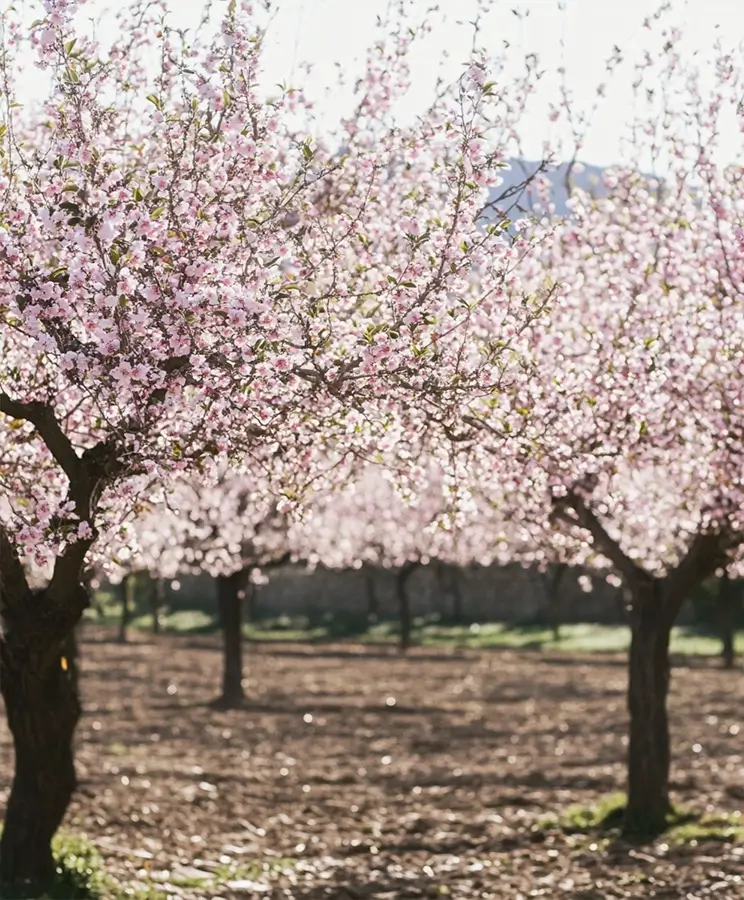
Ripon Almond Blossom Festival in California, USA: A lively event with parades, carnivals, and community gatherings celebrating the state’s almond heritage.
Ruta de los Almendros en Flor, Spain (Almond Blossom Route): It offers visitors a chance to walk through enchanting orchards—a reminder of the tree’s cultural and ecological significance.
These events are a testament to the almond tree’s enduring role in connecting people to nature and tradition.
Hope blossoms in the almond tree, a promise of spring amidst winter’s grasp.
Closing Thoughts: Experience the Almond Tree in Life and Art
The almond tree stands as a bridge between the natural world and human creativity. From its early blossoms that defy winter to the nourishing almonds that sustain us, it embodies a harmony of resilience and beauty.
Through textured artworks inspired by its form, or through festivals and culinary experiences, the almond tree offers countless ways to connect with its essence. Explore the COBELIO collection to discover how this timeless tree has shaped our creations.
Let the almond tree’s story remind you to find beauty in renewal, and strength in fragility—a message as timeless as the tree itself.