



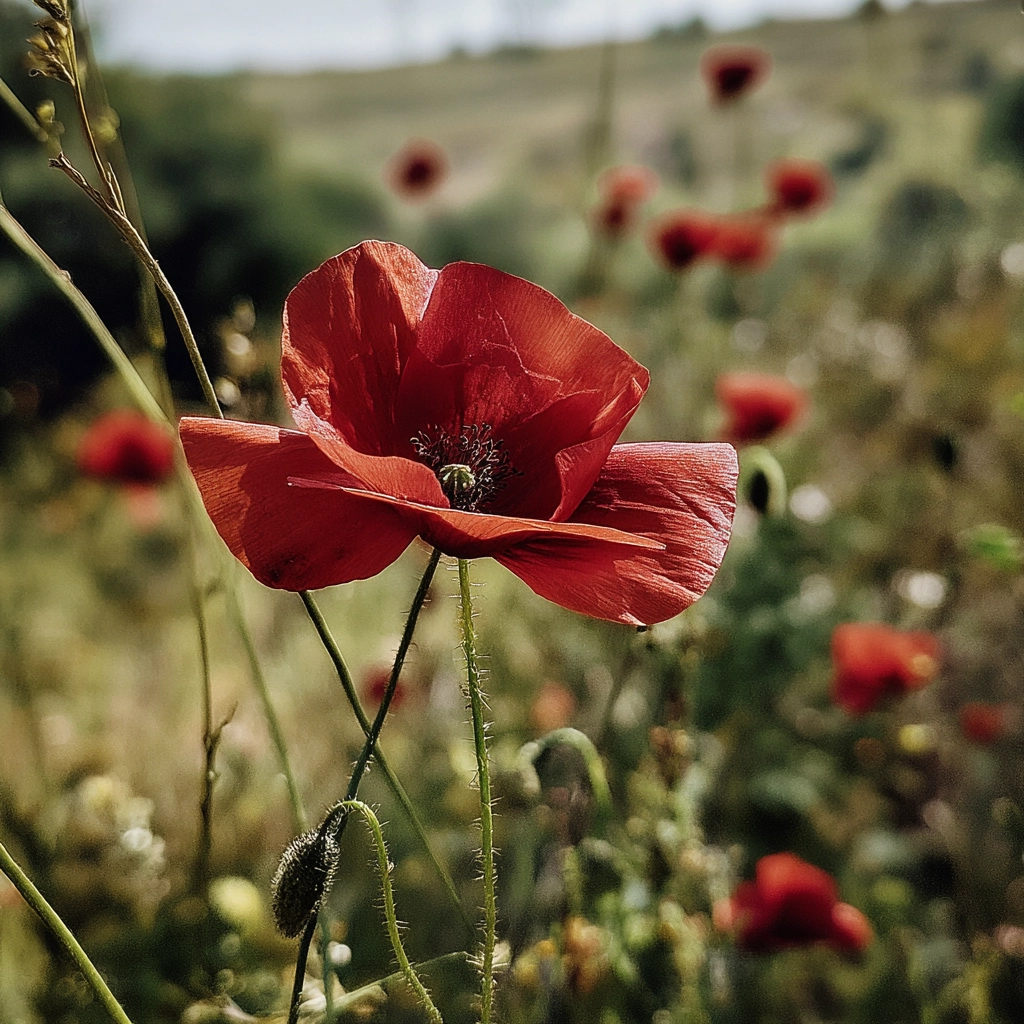

Poppy
Facts and Features
| Common & Scientific Name: | Poppy (Papaver spp.) |
| Etymology: | From Latin papaver; in Greek, linked to pappas (milk, for the plant’s latex) |
| Family: | Papaveraceae |
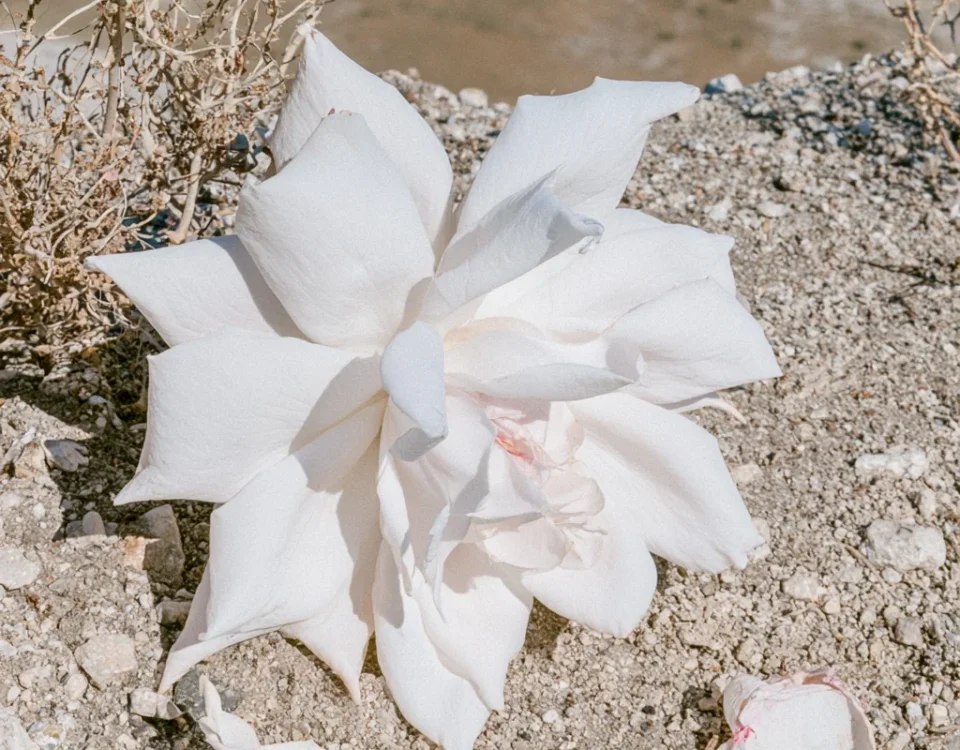
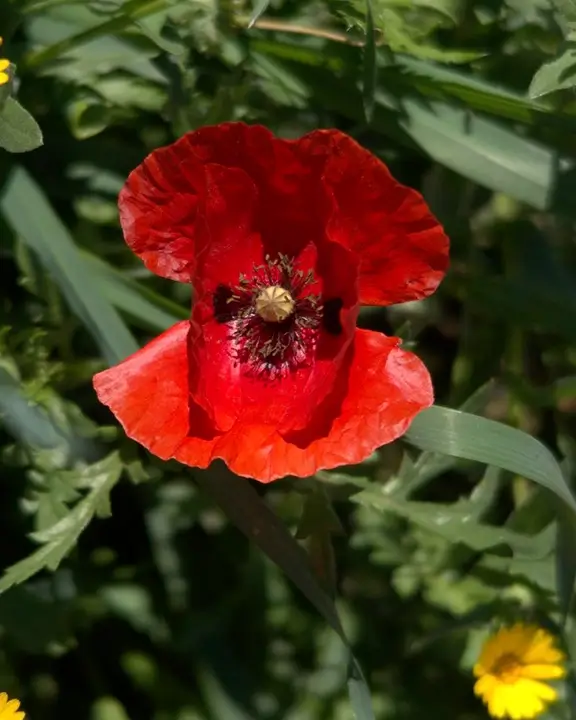
| Blossoms: | Silky, crêpe-like petals in red, orange, pink, white, purple, or yellow; black or white central stamens |
| Foliage: | Lobed or finely cut blue-green or bright green leaves |
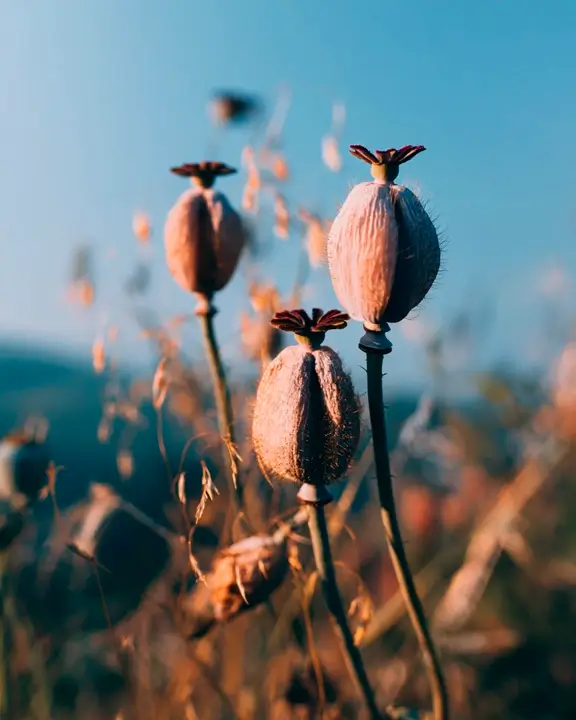
| Fruit: | Capsule containing thousands of tiny kidney-shaped seeds |
| Height: | Typically 30–120 cm depending on species |
Poppy main features chart
Where Do Poppies Come From? – Their Cultivation Journey
The history of poppies is as vivid as their blossoms. First domesticated by the Sumerians around 3400 BCE, the opium poppy was called hul gil or “joy plant.” From Mesopotamia, knowledge of its sedative latex spread to Egypt, where pharaohs such as Akhenaten oversaw vast poppy fields near Thebes. The Greeks elevated it from magic to medicine – Hippocrates prescribed poppy extracts as narcotics. By the time of Alexander the Great, poppies marched eastward into Persia and India.
In medieval Europe, opium’s power was taboo yet irresistible. Later, 16th-century alchemist Paracelsus created laudanum, an opium tincture, launching poppy’s formal medicinal era. But its dark twin surfaced when the British East India Company exported opium to China, sparking the Opium Wars in the 19th century. Thus, the poppy’s journey is both one of healing and geopolitical strife – a flower with an ancient passport stamped by every civilization it passed.
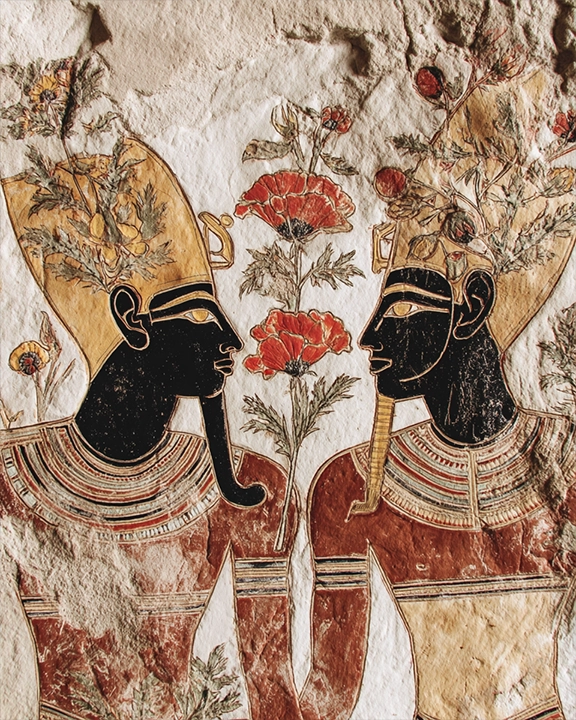
Pharaohs such as Akhenaten oversaw vast poppy fields near Thebes.

Hippocrates prescribed poppy extracts as narcotics
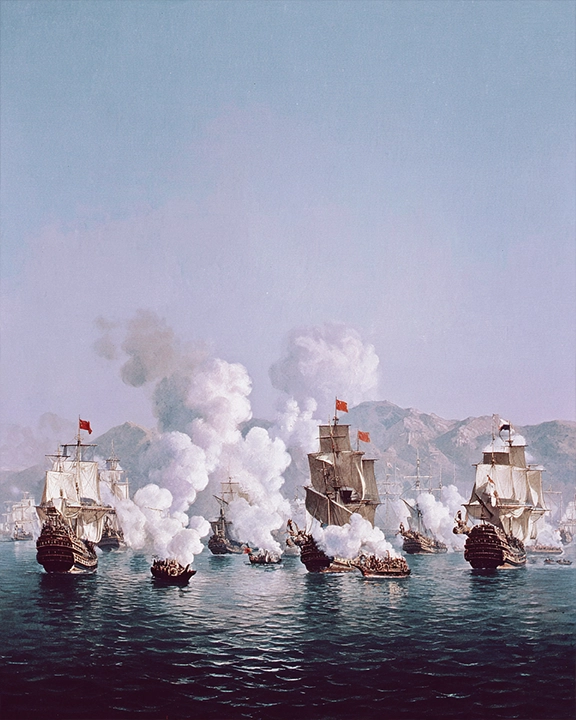
The British East India Company exported opium to China, sparking the Opium Wars in the 19th century
“A single flower [poppy] brought low an empire.”
A Global Floral Nomad
Today, poppies thrive from Mediterranean hillsides to Californian deserts.
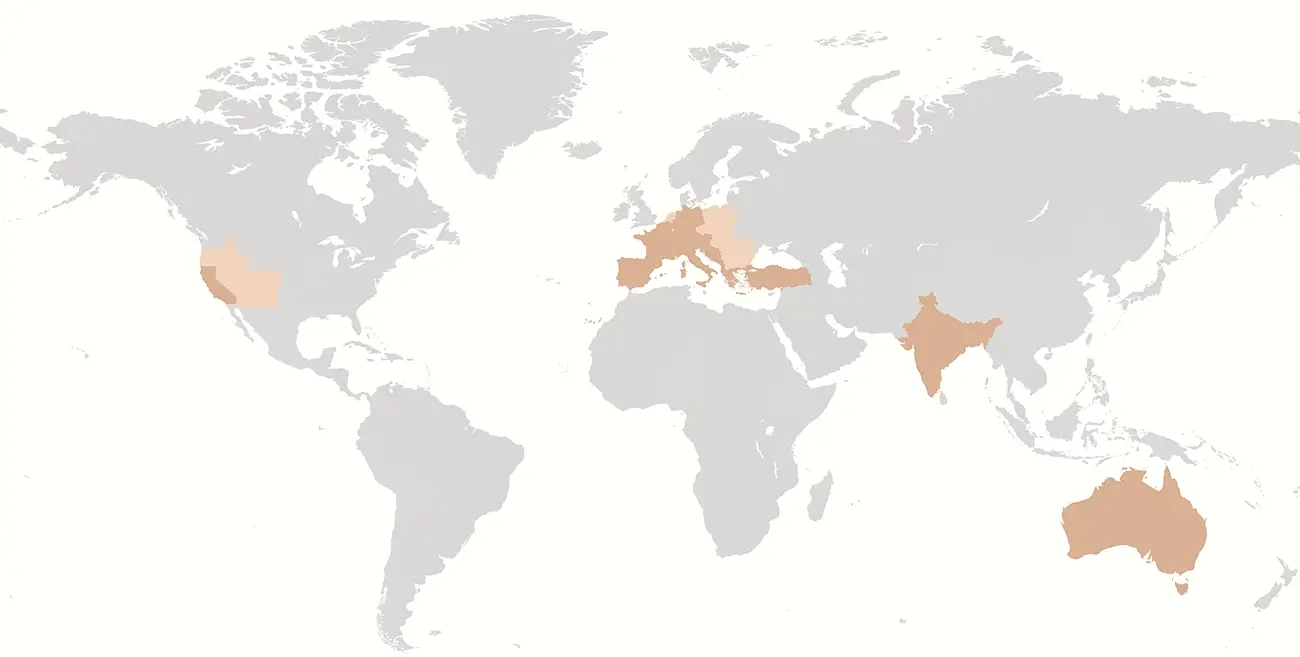
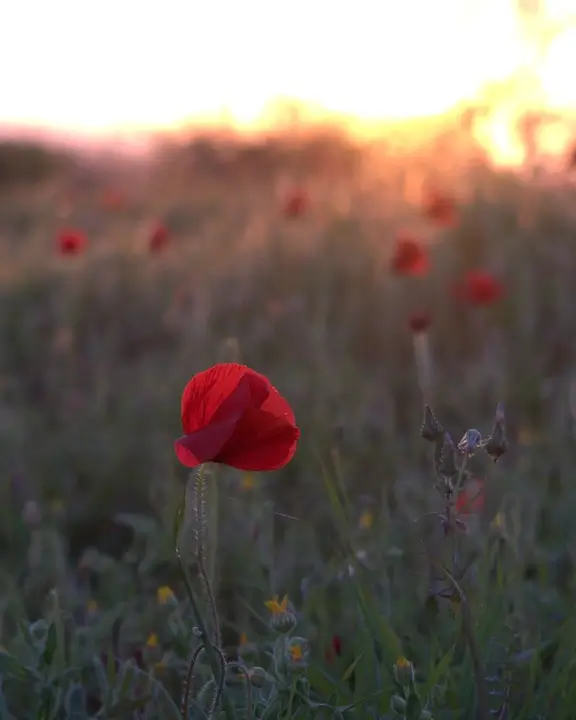
Papaver rhoeas, the iconic red field poppy, dots Eurasian fields, roadsides, and war-scarred lands, germinating in disturbed soils. Papaver somniferum prefers temperate zones with cool winters and warm summers, making Turkey, India, and Australia major producers of pharmaceutical opiates. California poppies (Eschscholzia californica) blanket arid western U.S. landscapes in golden hues every spring. The elusive Himalayan blue poppy (Meconopsis baileyi) flourishes only in cool misty mountain meadows.
Healing, Feeding, Beautifying: Poppy's Properties and Benefits
While their petals steal the show, poppies hold a surprisingly rich portfolio of practical uses. Across disciplines—medicine, cuisine, conservation, and even art—they’ve proven themselves as more than just a pretty bloom
Medicinal Power
-
Opium alkaloids (morphine, codeine, papaverine) revolutionized pain relief, anesthesia, and cough suppression.
-
Corn poppy petals (P. rhoeas) offer gentle sedative and antitussive effects; traditional teas and syrups for children.
-
California poppy extracts are used as mild sedatives or anxiolytics in herbal medicine.
Ornamental Allure
From flamboyant Oriental poppies (P. orientale) to delicate Iceland poppies, they turn gardens into textured art installations. Also, dried seed pods star in floral arrangements for their sculptural forms.
Culinary Delight
Tiny poppy seeds are safe and nutty, used for breads, pastries, curries, and to produce poppyseed oil – a cholesterol-free edible oil rich in beneficial fatty acids.
Industrial Uses
Poppyseed oil serves as a non-yellowing binder in fine oil paints, ideal for white pigments.
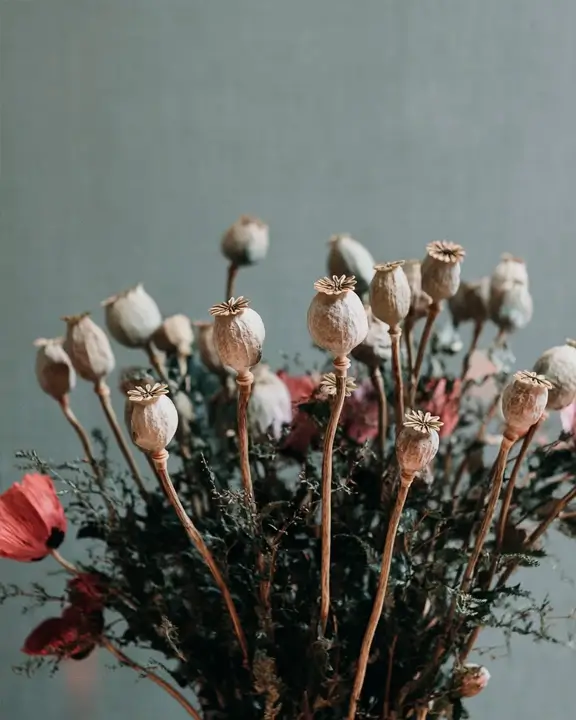
Dried seed pods star in floral arrangements for their sculptural forms.
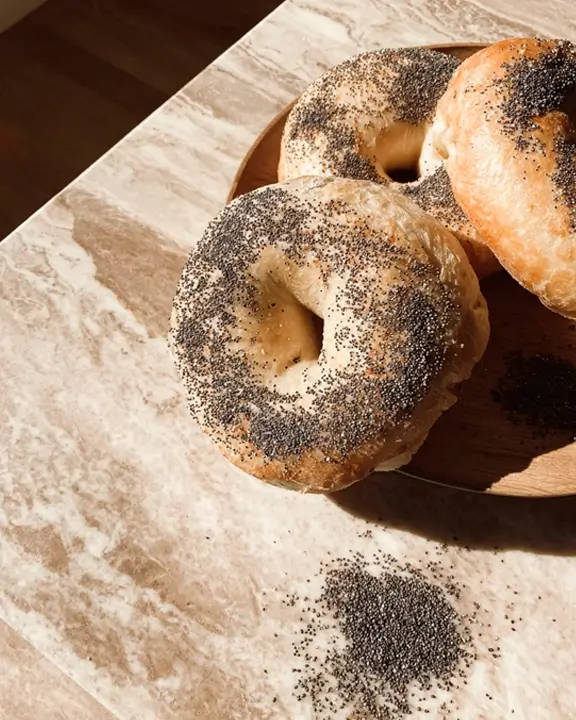
A classic twist on the poppy’s culinary legacy: crisp golden bagels topped with nutty poppy seeds—tiny specks of flavor rooted in centuries of tradition.
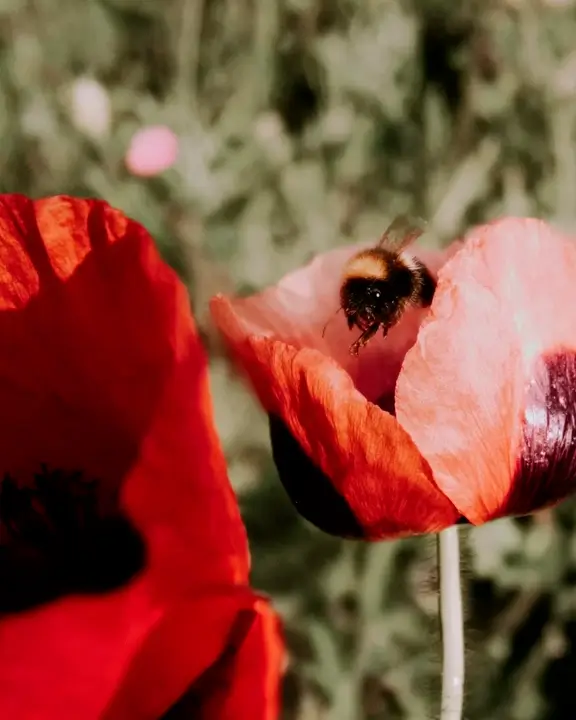
Sustainability & Biodiversity Boosters
-
Poppies support pollinators with abundant clean pollen.
-
Act as pioneer species regenerating disturbed soils (e.g. WWI battlefields).
-
California poppies aid xeriscaping, reducing irrigation needs.
The poppy is thus a “photo relief” of nature itself – textured, layered, ever-shifting.
“Watching the moon / at dawn, / solitary, mid sky / is the poppy flower.”
A Gallery of Poppies – The Main Varieties Today
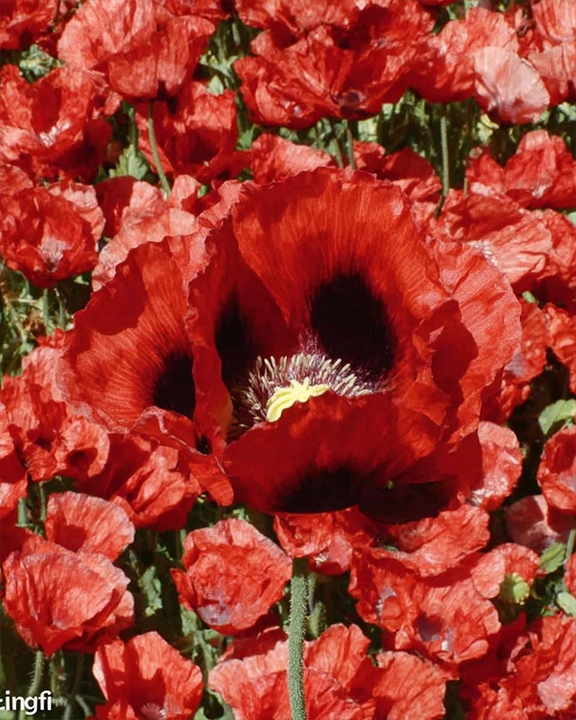
Papaver somniferum: opiate source and culinary seed crop.
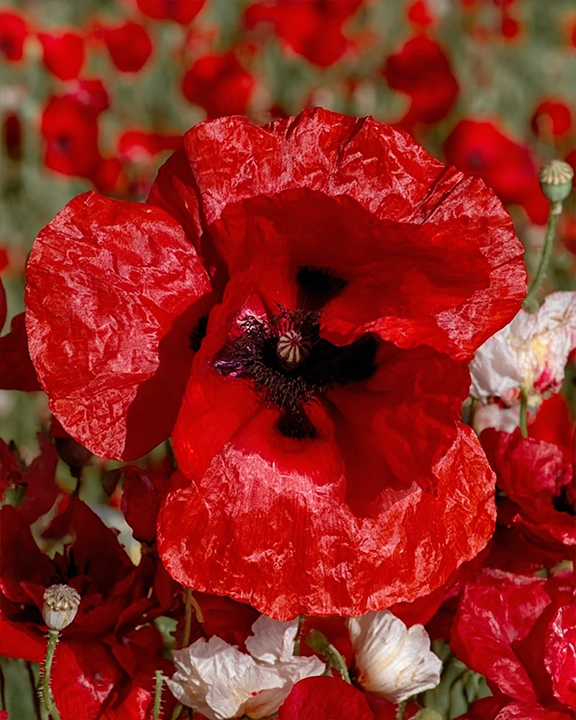
Papaver rhoeas: wildfield poppy, remembrance flower, mild herbal sedative.
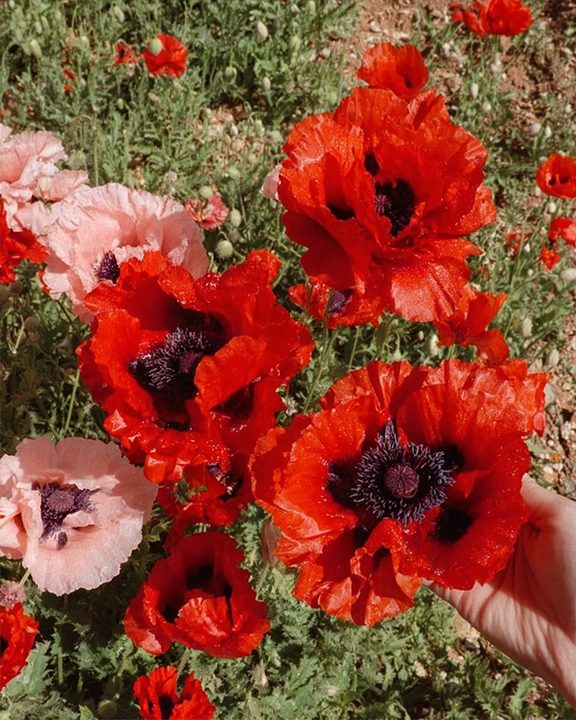
Papaver orientale: ornamental giant blooms.
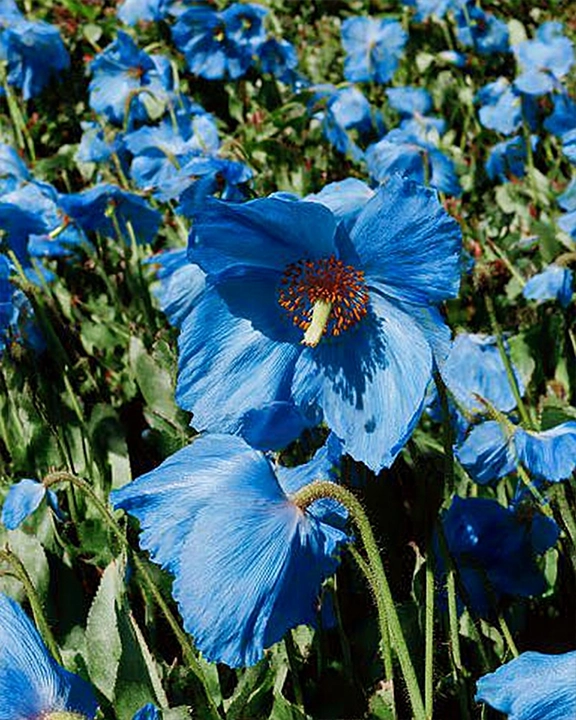
Meconopsis spp.: Himalayan blue poppies; rare garden treasures.
DID YOU KNOW...?
before resurrection!
Symbols of Sleep, War, and Beauty – The Cultural Power of Poppies
It's worth pausing to acknowledge just how many cultural doors this flower unlocks. From mythology to politics, memorials to metaphors, poppies have been assigned meanings as vivid as their petals:
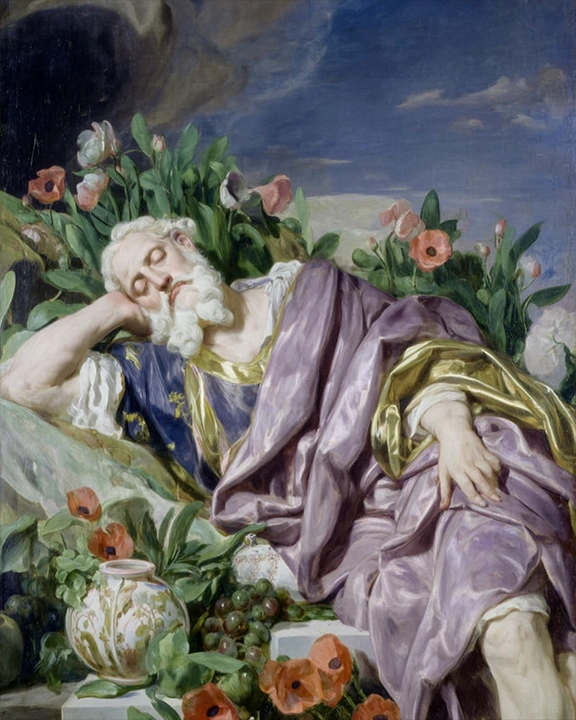
Sleep and death: Linked to Hypnos and Morpheus in Greek mythology.
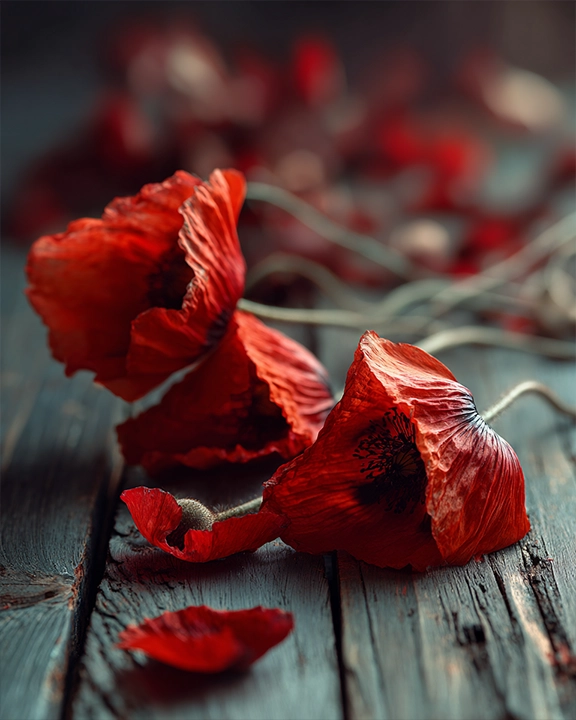
Beauty and ephemerality: As Robert Burns wrote, “Pleasures are like poppies spread: You seize the flower, its bloom is shed.”
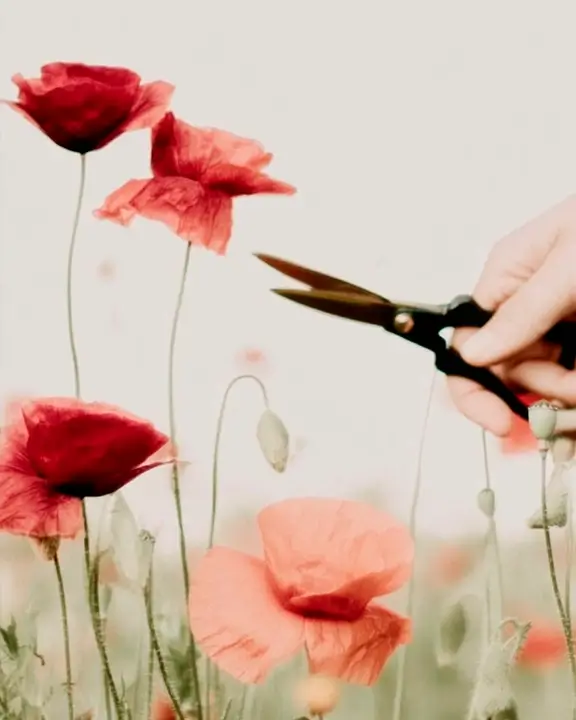
Political weight: In China, poppies evoke Opium War humiliations, while in Australia “tall poppy syndrome” warns against flaunting success.
Poppies in Art – 10 Iconic Works Featuring the Flower
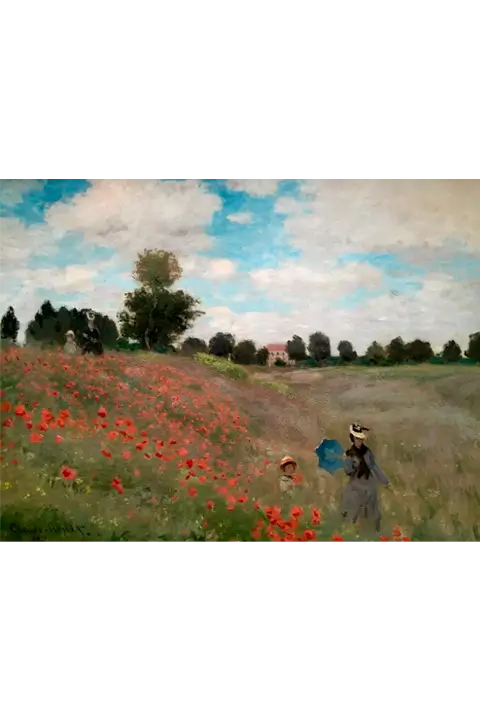
“Wild Poppies, near Argenteuil” – Claude Monet (1873)
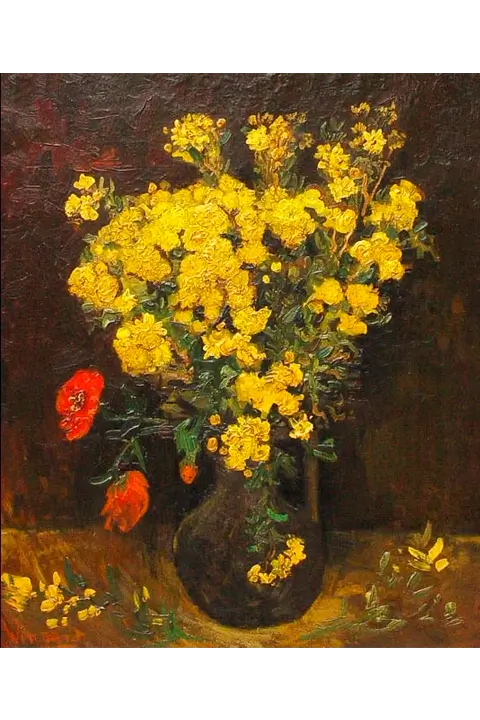
“Poppy Flowers” – Vincent van Gogh (1887)
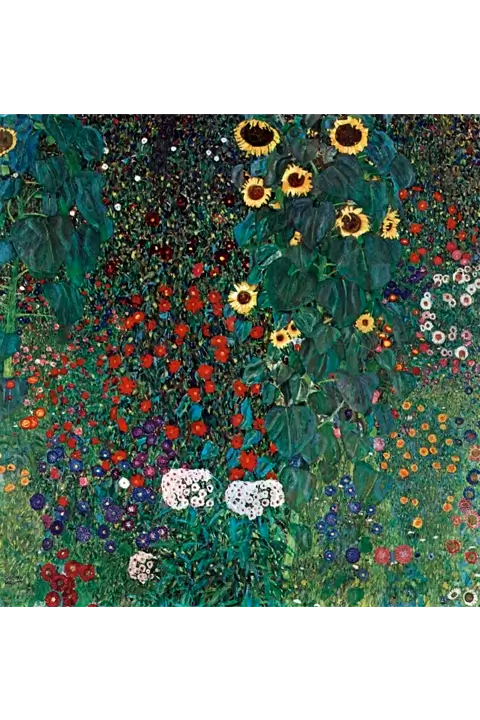
“Farm Garden with Sunflowers” – Gustav Klimt (1907)
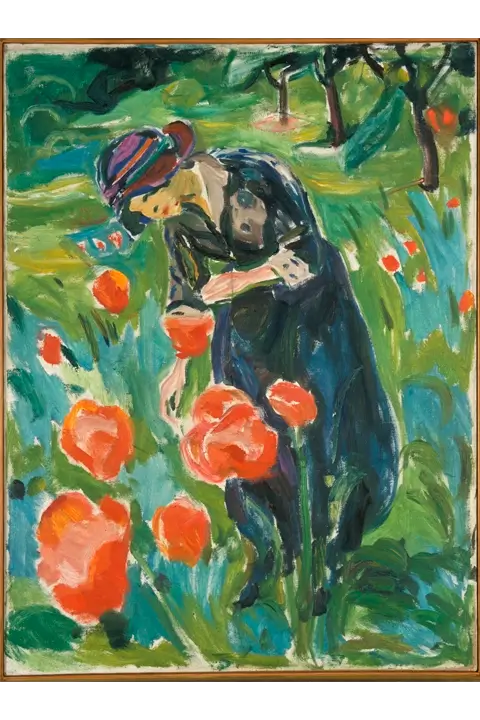
“Woman with Poppies” – Edvard Munch (1919)
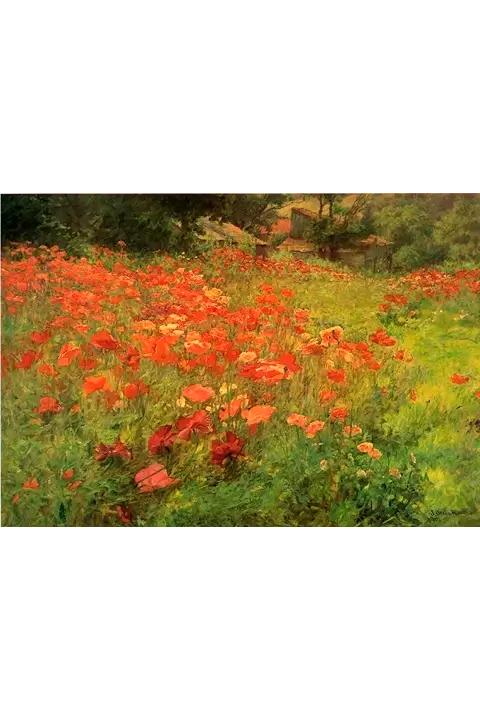
“In Poppyland” – John Ottis Adams (1901)
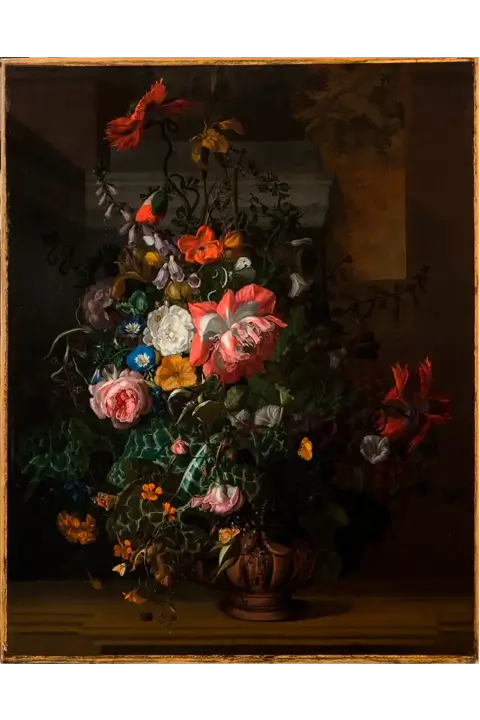
“Roses, Convolvulus, Poppies…” – Rachel Ruysch (1680)
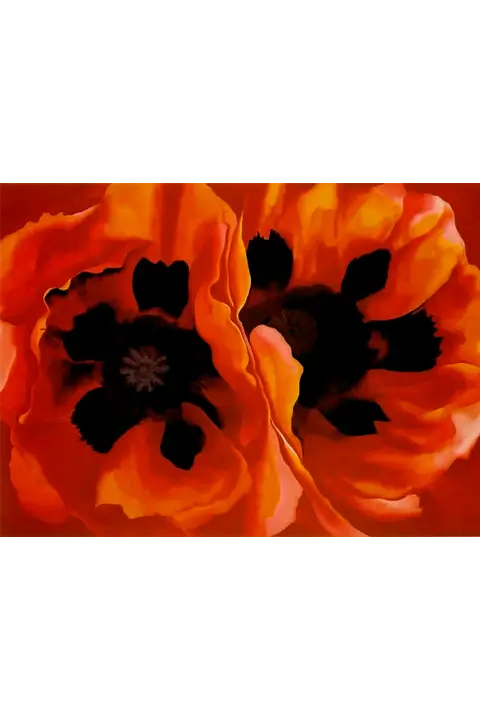
“Oriental Poppies” – Georgia O’Keeffe (1927)
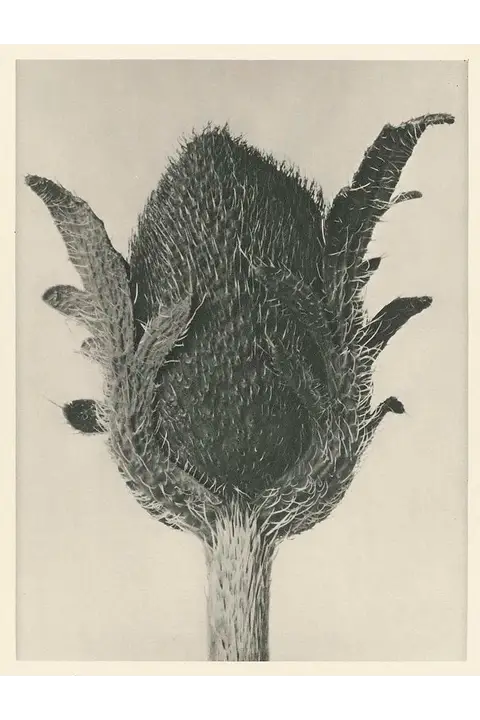
Karl Blossfeldt – Papaver rhoeas, c.1928
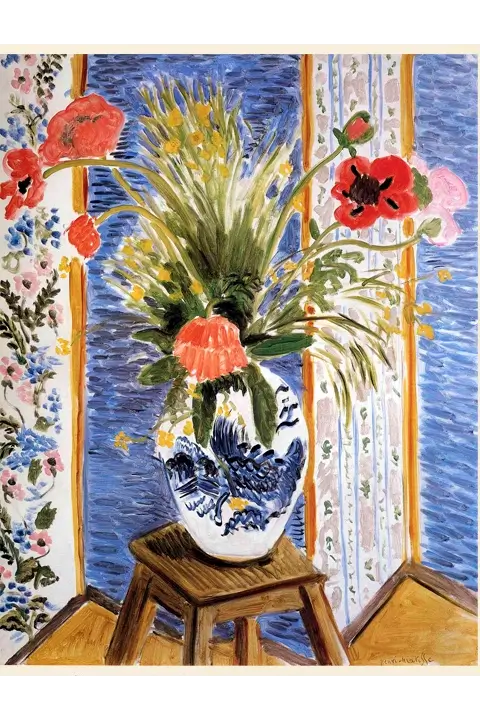
Poppies (c.1919) by Henri Matisse
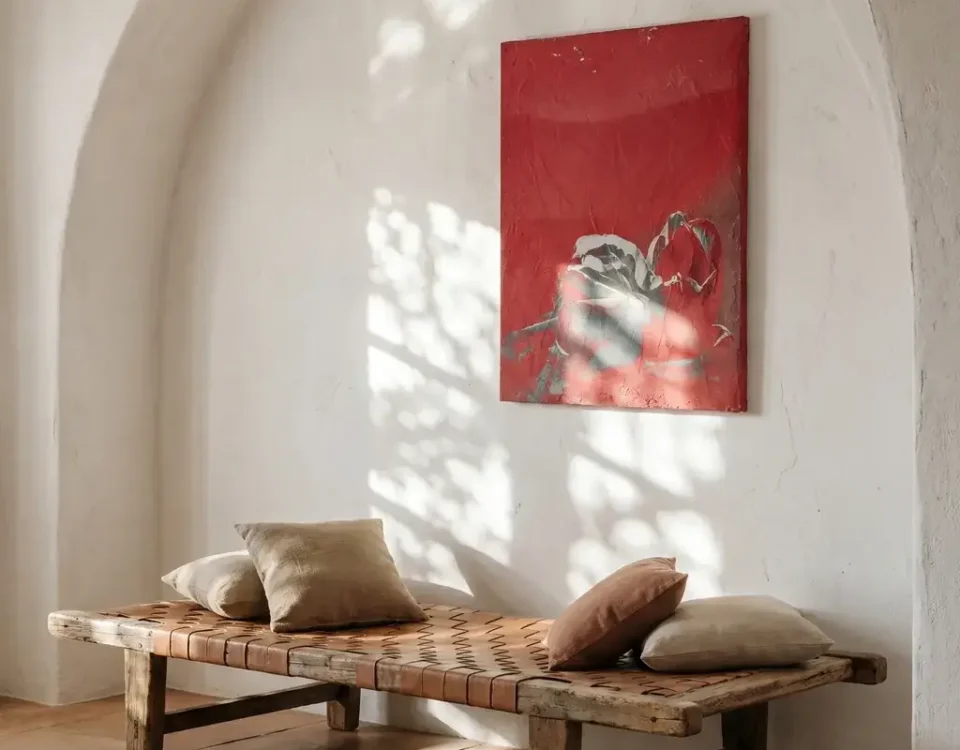
We’re proud to continue this lineage at COBELIO, capturing the dramatic shapes and textures of poppies in sculptural compositions. From dried blooms to plaster impressions, every piece becomes a tactile tribute to this ephemeral flower. Explore our exclusive poppy-inspired artworks in our contemporary art shop, where poppies become wall-worthy forms of memory and color.
Famous People Enchanted by Poppies
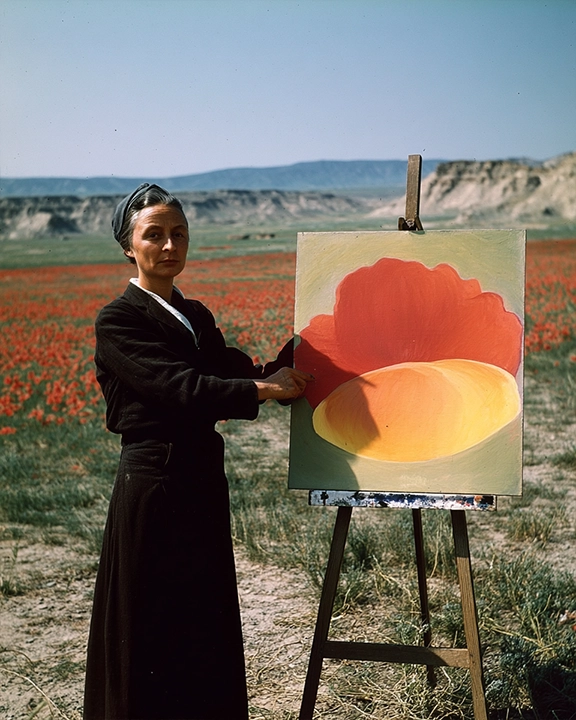
Georgia O’Keeffe: Modernist who magnified poppies into monumental icons
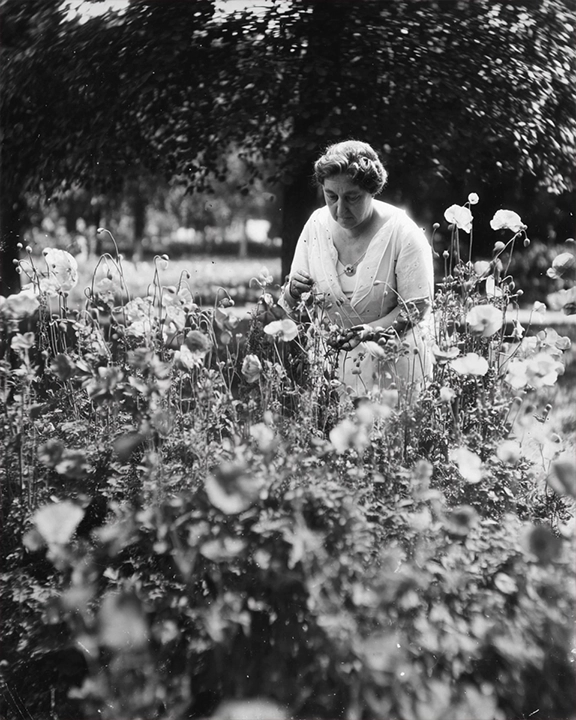
Moina Michael: The “Poppy Lady” who campaigned to make poppies global memorial symbols.
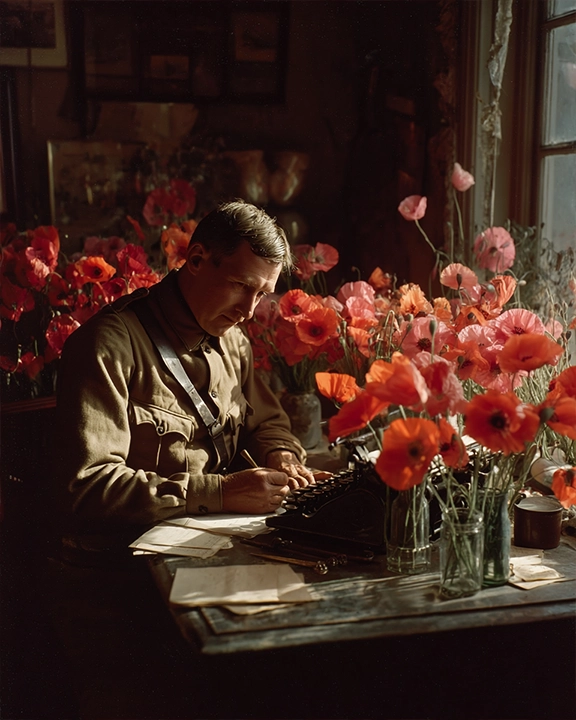
John McCrae: Poet who immortalized poppies as war remembrance.
Living the Poppy Way – Quick Ideas for Every Lifestyle
📚 For Literature Enthusiasts
Read The Poppy: A Cultural History by Nicholas J. Saunders for a deep dive into the flower’s symbolic journey, or explore The Poppy War trilogy by R.F. Kuang, where botanical lore meets political fantasy.
🎬 For Movie Buffs
Rewatch The Wizard of Oz for its hypnotic poppy field scene, or uncover 1960s intrigue with Poppies Are Also Flowers, a UN-backed thriller centered on the opium trade.
🍽️ For Culinary Explorers
Seek out bakeries with traditional poppy seed strudel or book a table at Poppy & Seed, a Michelin-recognized garden-to-table restaurant in Anaheim.
🎨 For Art Seekers
Explore how poppies inspire our textured art, plaster compositions, and photo reliefs at COBELIO’s poppy collection, where natural beauty meets contemporary expression.
🧭 For Adventure Chasers
Head to Antelope Valley Poppy Reserve in spring for golden hillsides, or pay tribute at the Flanders Fields memorial sites blanketed in remembrance poppies.
🌿 For Nature Advocates
Support wildflower restoration initiatives, urban seed sowing campaigns, or donate to pollinator conservation efforts to ensure poppies keep thriving in natural ecosystems.
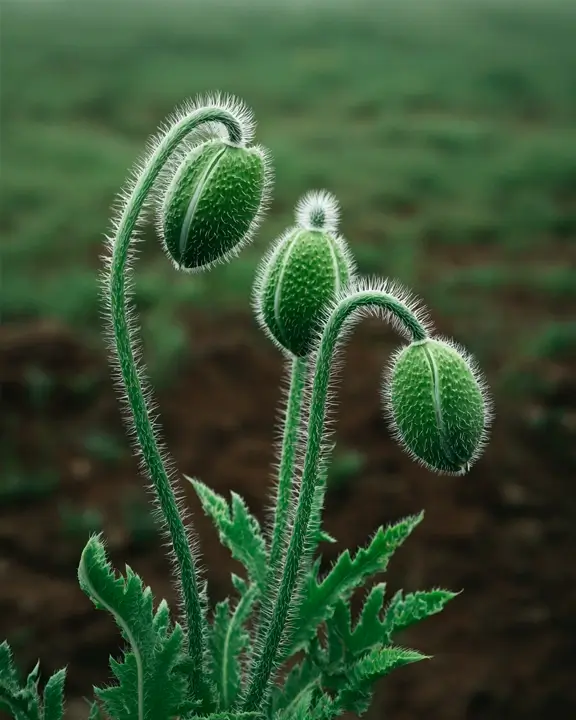


From Nature to Canvas
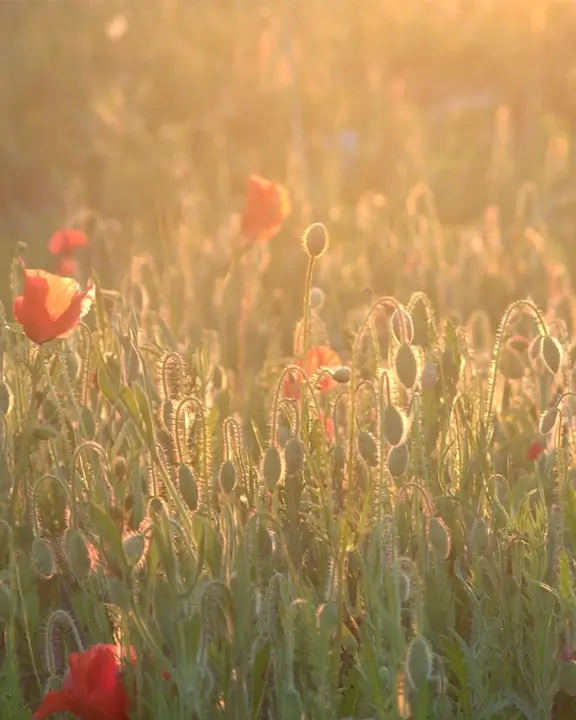
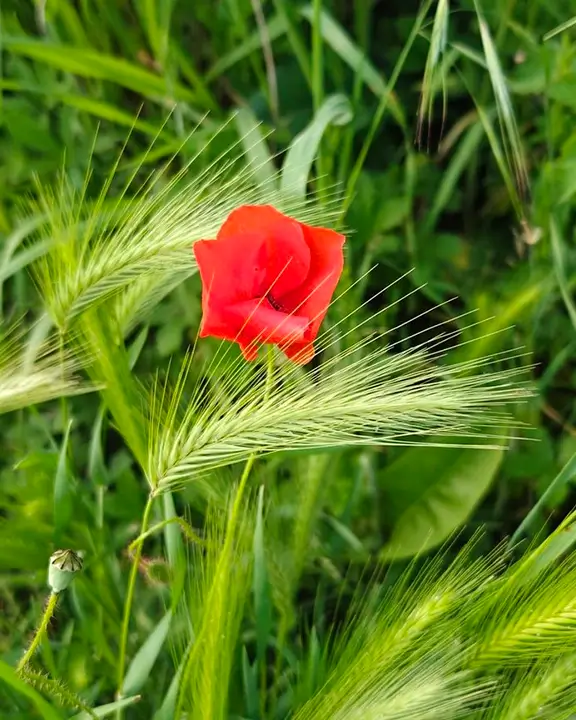
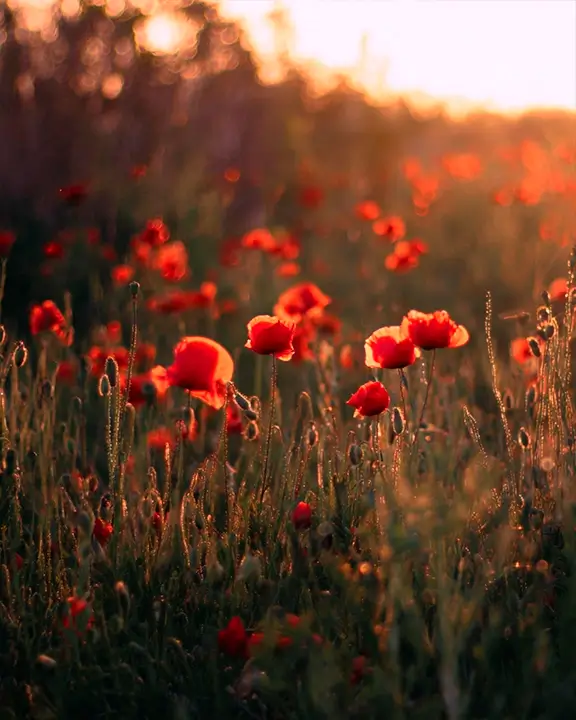
To us, poppies are more than wildflowers—they’re fragments of fleeting magic. We’ve spent countless springs walking through Mediterranean meadows, discovering them one by one: the first flashes of red in April, solitary against the green, or entire hillsides transformed into silent tapestries. What fascinates us most is their paradox—so strong and upright, yet so delicate, their petals crumbling within minutes of being picked. That fragility, that immediacy, is what draws us in.
Their visual power is undeniable: an intense crimson mass, contrasted by deep black and radiant white filaments—like a brushstroke in motion. Over the years, we’ve photographed them, studied them, collected their dried forms, and celebrated each phase of their life in our studio practice. In every composition we create, from photo reliefs to plaster textures, there’s a silent homage to this flower that disappears as quickly as it arrives—but never leaves us unmoved.
Discover how we translate nature’s fleeting beauty into contemporary wall artworks at COBELIO