







Yucca Gloriosa
Facts and Features
| Scientific Name: | Yucca Gloriosa |
| Common Names: | Spanish Dagger |
| Etymology: | Derived from Taíno "yuca" for cassava |
| Family: | Asparagaceae |
| Native Regions: | Southeastern United States |
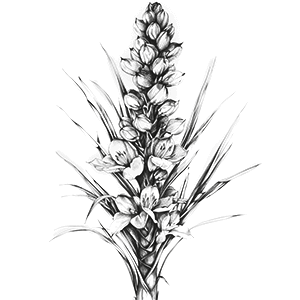
| Blossoms: | Bell-shaped, white, fragant flowers |
| Foliage: | Evergreen, sharp-edged leaves |
| Fruit: | Fleshy, elongated capsules |
| Height: | 2-6 meters |
Yucca Gloriosa main features chart
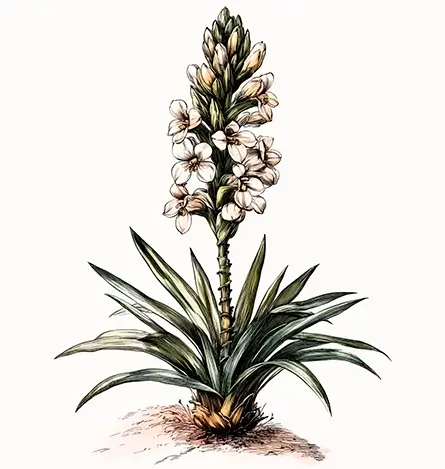
Yucca gloriosa is a perennial shrub with sword-like, evergreen leaves forming a dense rosette, reaching up to 75 cm long. Their sharp, dagger-like shape creates a bold contrast with the creamy-white, bell-shaped flowers that bloom on tall stalks. This fusion of toughness and delicacy makes the yucca uniquely captivating.
A Fascinating Past: Yucca's Journey
To truly appreciate this plant, we need to travel back in time and understand its origins.
Born in the southeastern United States, the Yucca Gloriosa carries with it a rich history rooted in utility and beauty. Indigenous peoples saw its value in everyday life: its strong leaves were crafted into durable ropes, and its roots served as a natural source for soap. This practical use tied the plant deeply to their traditions.
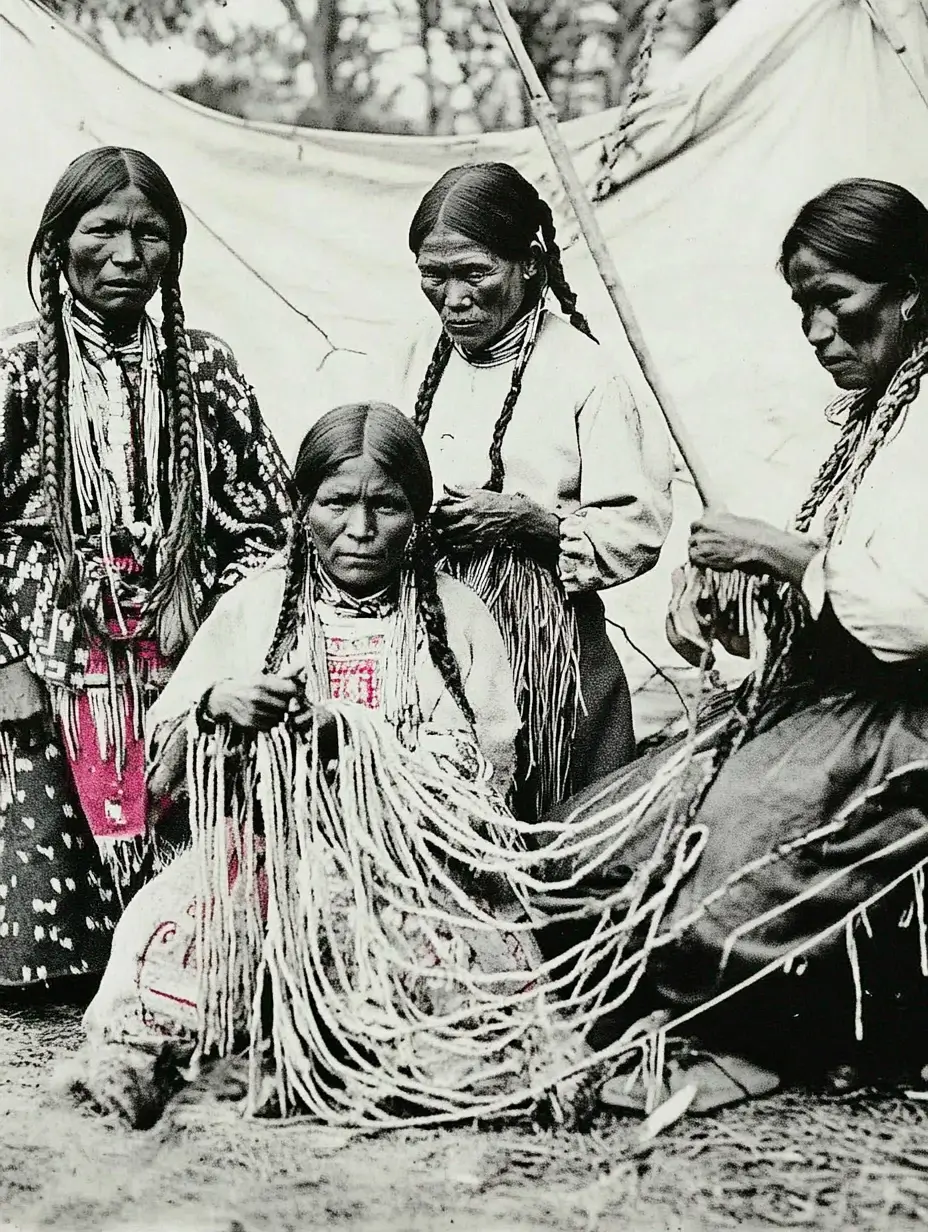
Indigenous peoples used Yucca's strong leaves to craft them into durable ropes, and its roots served as a natural source for soap.
When Yucca Gloriosa reached Europe in the 16th century, it sparked fascination among gardeners. Its exotic appearance found a prominent place in the elegant formal gardens of Victorian England, where its bold structure symbolized sophistication and status.
Today, while its appeal remains in modern design, it is its historical roots and cultural significance that continue to inspire and enchant those who appreciate its enduring legacy.
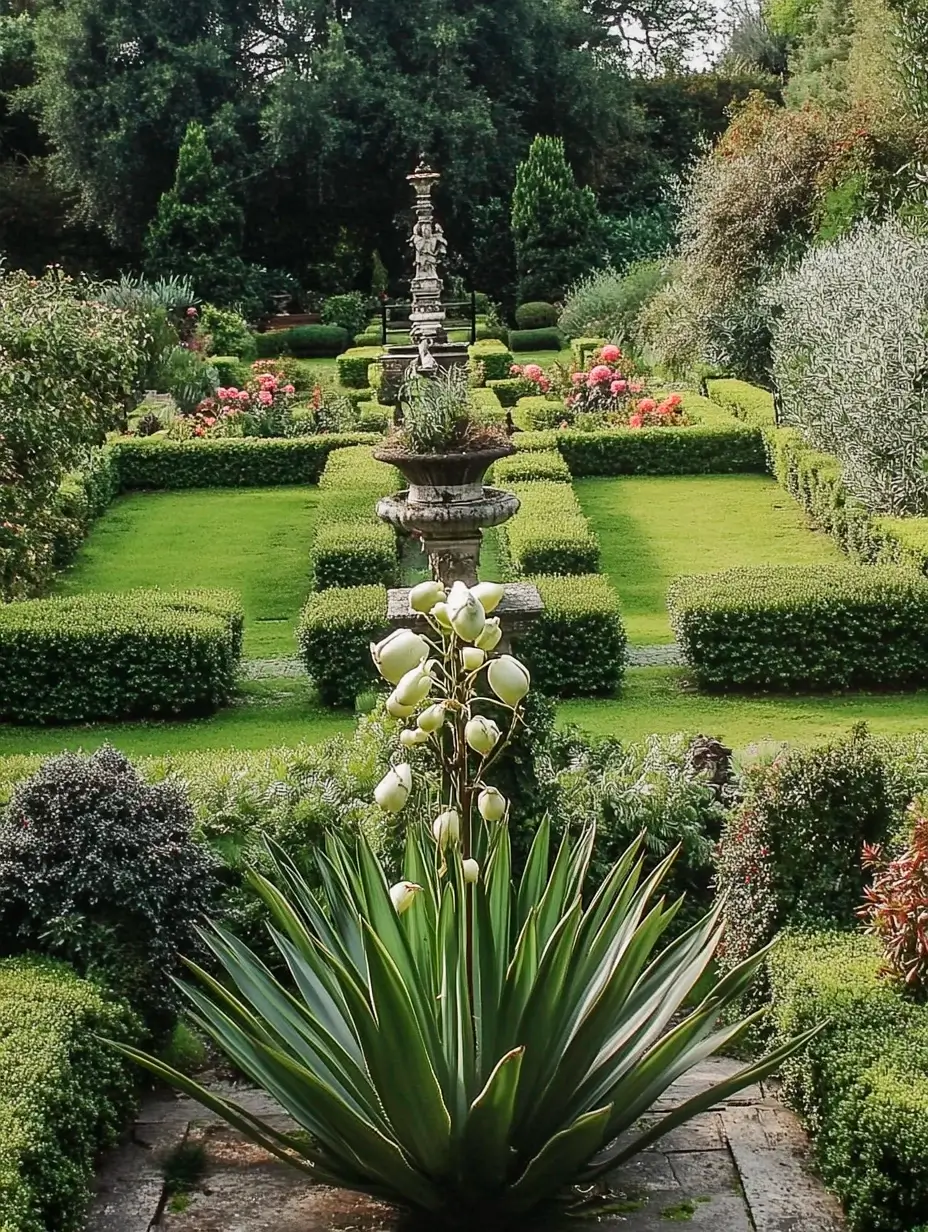
Its exotic appearance found a prominent place in the elegant formal gardens of Victorian England, where its bold structure symbolized sophistication and status.
Where Does Yucca Gloriosa Grow?

Primarily found in sandy coastal regions, Yucca Gloriosa thrives in well-drained soils with plenty of sunlight. Its natural habitat extends from the southeastern United States to parts of the Caribbean. Over the centuries, it has been introduced to other regions, including the Mediterranean, where it has adapted well to similar climatic conditions. Today, Yucca Gloriosa is commonly cultivated in gardens and urban green spaces worldwide.
"The plant that thrives in the harshest winds is the one that endures the longest"
Surprising Benefits of Yucca
Beyond its visual charm, the Yucca Gloriosa offers benefits that cater to health enthusiasts, food lovers, and environmental advocates:
1. Medicinal Properties
- Yucca Gloriosa roots contain saponins: a natural solution for soap and shampoo -
The Yucca Gloriosa has long been valued for its medicinal properties. Indigenous peoples of North America used its roots to create a natural shampoo and soap, thanks to its high saponin content. Additionally, extracts from the plant have been used to alleviate joint pain and inflammation, particularly in traditional Native American remedies.
Modern studies suggest that saponins found in yucca extracts may have antioxidant and anti-inflammatory properties, making them a subject of interest in the development of natural health products. Yucca supplements are marketed as aids for digestive health, although further research is needed to confirm these claims.
2. Environmental Benefits
Yucca Gloriosa not only contributes to cleaner air by absorbing toxins and releasing oxygen but also stabilizes soil with its robust root system, making it invaluable in regions with loose or sandy terrain.
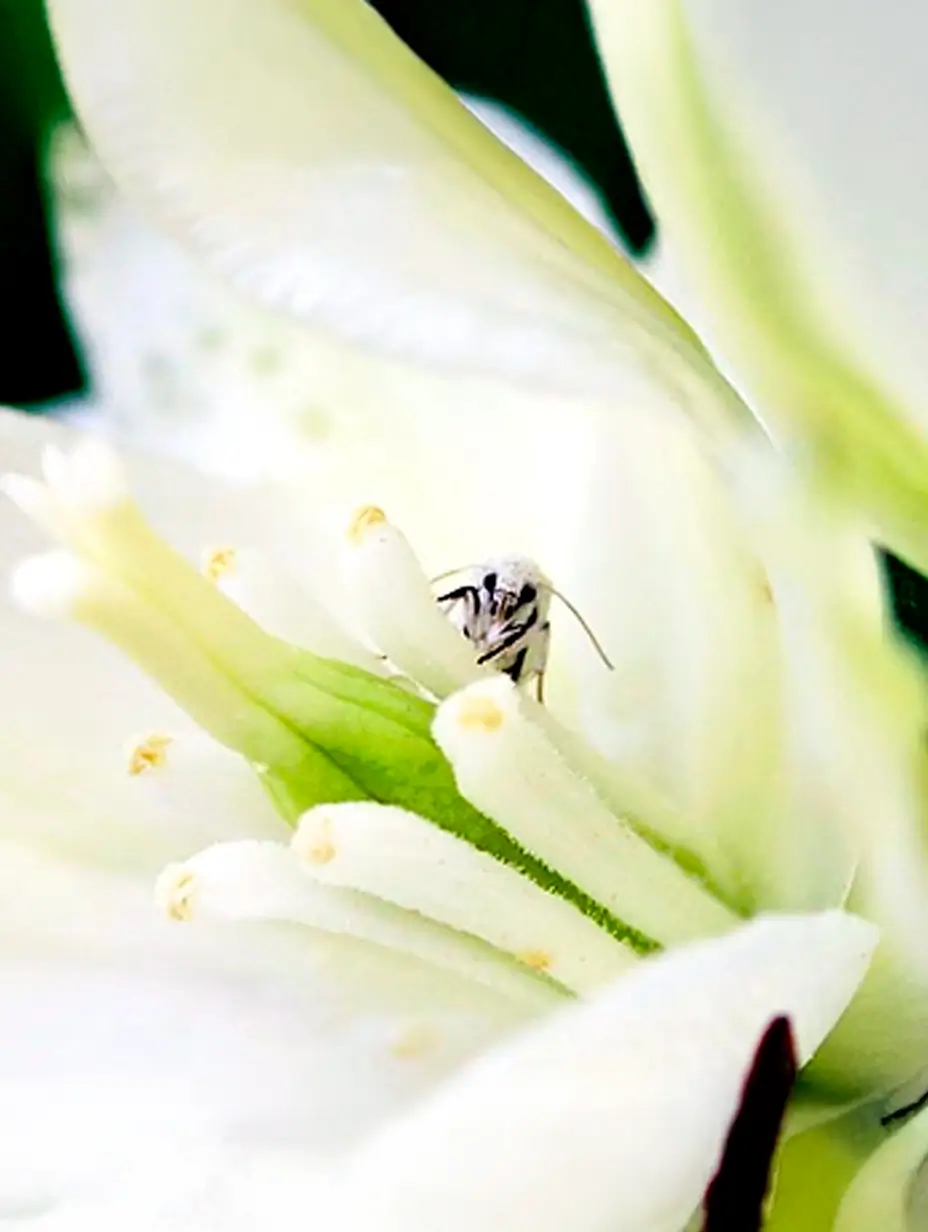
Pollinator Support: Yucca Gloriosa shares an extraordinary symbiotic relationship with the yucca moth, a prime example of co-evolution and mutualism. Over 34 millions of years, the moth has become the plant’s exclusive pollinator, ensuring its reproduction while using the flowers to nourish its larvae. This ancient partnership highlights the intricate connections that sustain biodiversity.
DID YOU KNOW...?
co-evoluting together!
Which are its Variaties and Uses Today?


Yucca Gloriosa has evolved into a versatile plant, cultivated not only for its ornamental beauty but also for its adaptability. Its variations have made the plant a favorite among landscapers and home gardeners alike.
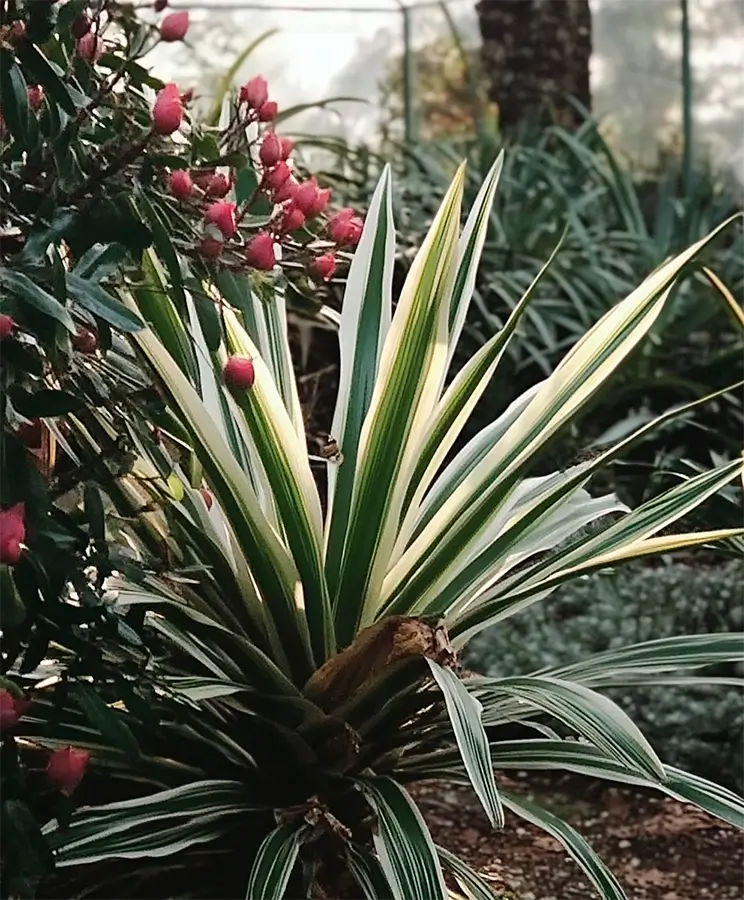
Yucca Gloriosa 'Variegata', known for its striking yellow-and-green striped foliage
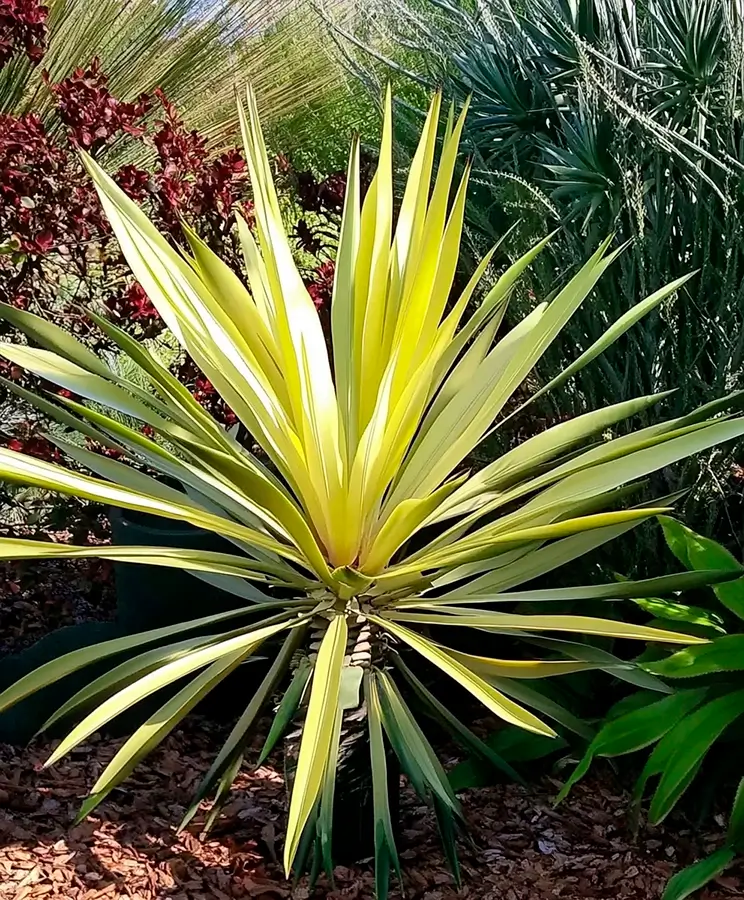
Yucca Gloriosa 'Bright Star', a smaller cultivar with vibrant, glowing leaves that bring color to any garden.

Beyond aesthetics, the Yucca Gloriosa plays a practical role in xeriscaping, a landscaping method designed for arid regions. Its drought tolerance and minimal maintenance requirements make it ideal for regions prone to water scarcity. Moreover, its spiky leaves can serve as a natural barrier in gardens, deterring intruders while adding visual drama.

In urban environments, Yucca Gloriosa is often used in rooftop gardens, where its hardiness and ability to thrive in shallow soils make it a perfect choice. Its versatility ensures it remains a top choice for both small-scale and large-scale landscaping projects.
A Culinary Gem
The flowers of Yucca Gloriosa are edible and have a delicate, slightly sweet flavor. In some regions of Mexico, yucca flowers are incorporated into traditional dishes such as "yucca flower tacos", where they are sautéed with onions, garlic, and spices. Their unique texture and taste have also made them a popular addition to salads and stir-fries. Looking for an inspiring recipe?Check out Honest Food's guide or Gardenista.

The flowers of Yucca Gloriosa are edible and have a delicate, slightly sweet flavor
The Symbolism of Yucca Gloriosa
- In Native American traditions, yucca leaves were used in rituals to cleanse spaces and ward off negative energy. -
Yucca Gloriosa has been associated with endurance, protection, and adaptability. Its sharp, sword-like leaves have often been viewed as symbols of defense and resilience, while its soft, pure white flowers represent renewal and purity. In Native American traditions, yucca leaves were used in rituals to cleanse spaces and ward off negative energy.
In modern interpretations, Yucca Gloriosa is seen as a plant of contrasts, duality that makes it a meaningful symbol in art and literature, where it often represents the coexistence of opposing forces. For instance, in Anne Robertson's reflection titled "Yucca Plants and the Human Soul" the yucca serves as a metaphor for the inherent goodness within individuals, emphasizing themes of resilience and renewal. Additionally, in the "Language of Flowers" the yucca is associated with "abundant and hardy life", highlighting its symbolic representation of vitality and endurance.
"Even the sharpest leaves can bloom with grace"
Yucca in Art: Why it Inspires Icons
Yucca Gloriosa’s striking form and symbolic resonance have inspired countless artists and designers.
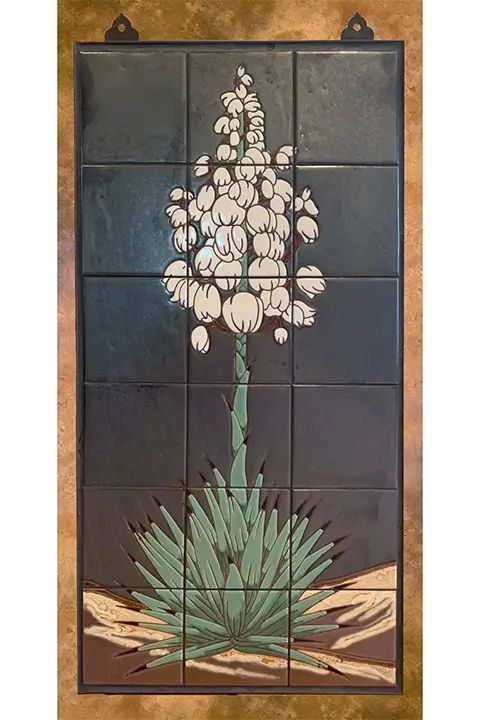
‘Yucca on Silver’ mural – Frank Lloyd Wright Foundation’s
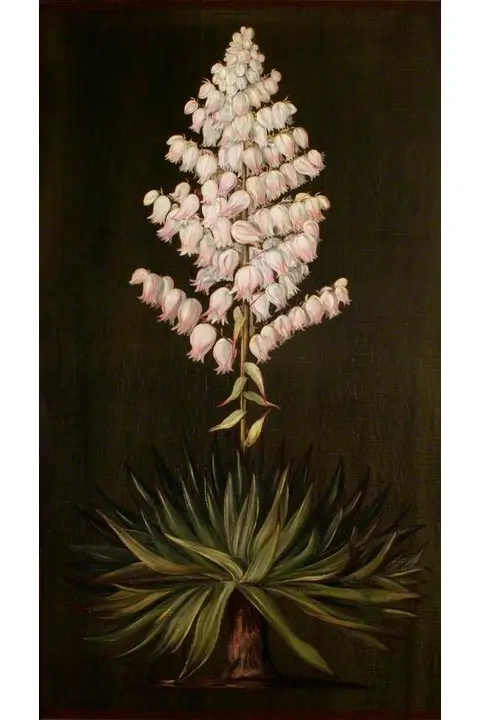
Adam’s Aguja – Marianne North (1880)

Yucca Gloriosa – Hailey Marmolejo (2022)
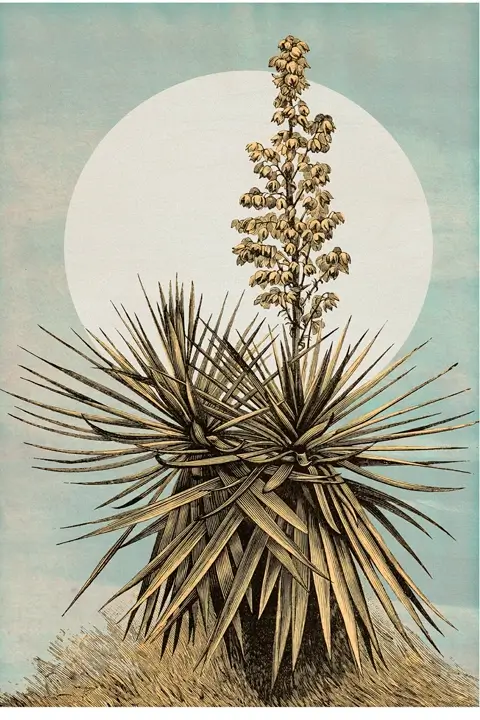
Plans de Lagon – Komar
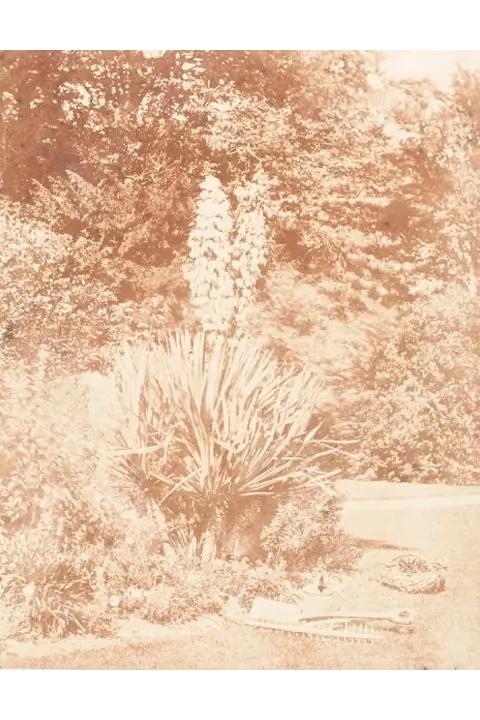
Yucca Gloriosa – John Dillwyn Llewelyn (1953-56)

Yucca Glass Screen Design – Frank Lloyd Wright Foundation
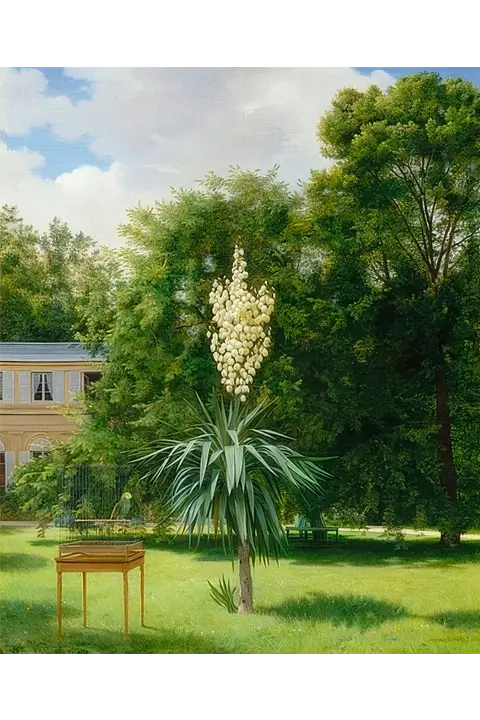
Yucca-Palme im Park von Neuilly – Antoine Chazal (1845)
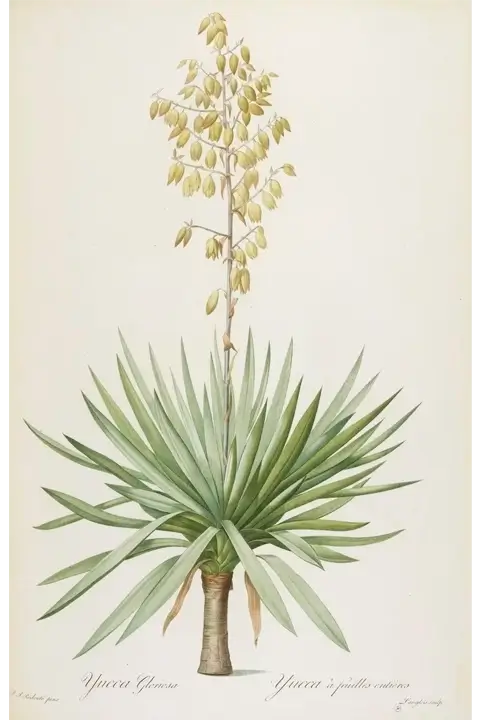
‘Yuca gloriosa. “Lily”‘ – Pierre-Joseph Redoute (1802)
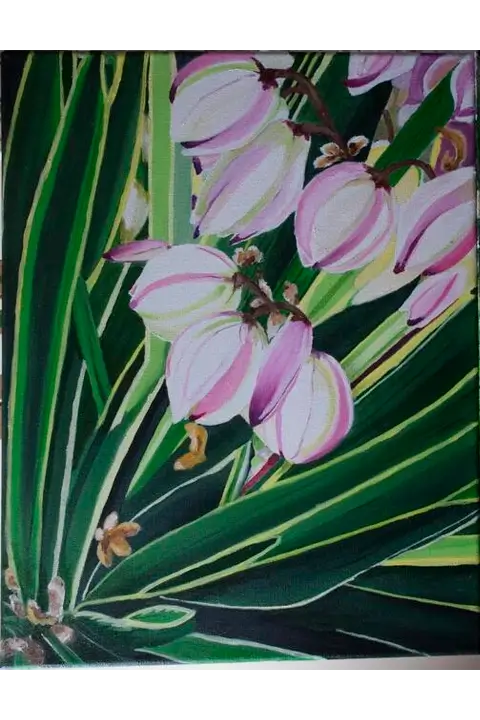
Yucca Gloriosa Variegata – Carol Ann McDermott (2022)
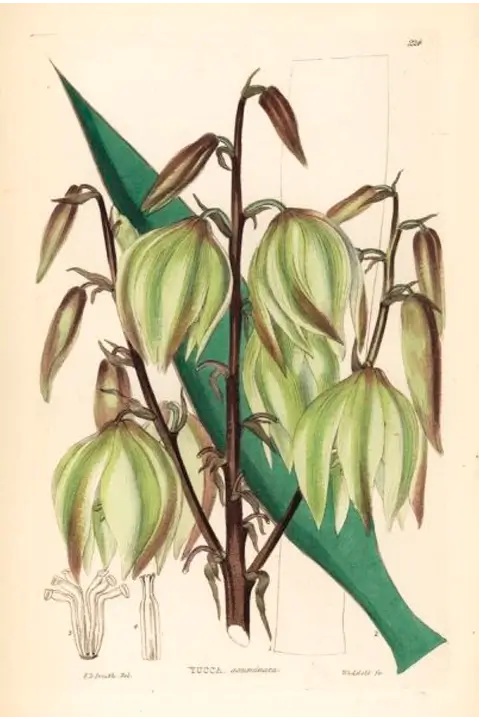
Yucca gloriosa – G. Willis (1854)
A Muse for Generations
Yucca Gloriosa’s striking form and symbolism have captivated artists and designers for generations. From Karl Blossfeldt’s iconic botanical photography to contemporary installations, the plant’s geometric structure and unique texture make it a fascinating subject in various mediums, including:

Notably, Karl Blossfeldt, a pioneer in botanical photography, celebrated the yucca’s unique geometry in his iconic works, showcasing its structural elegance and captivating textures.
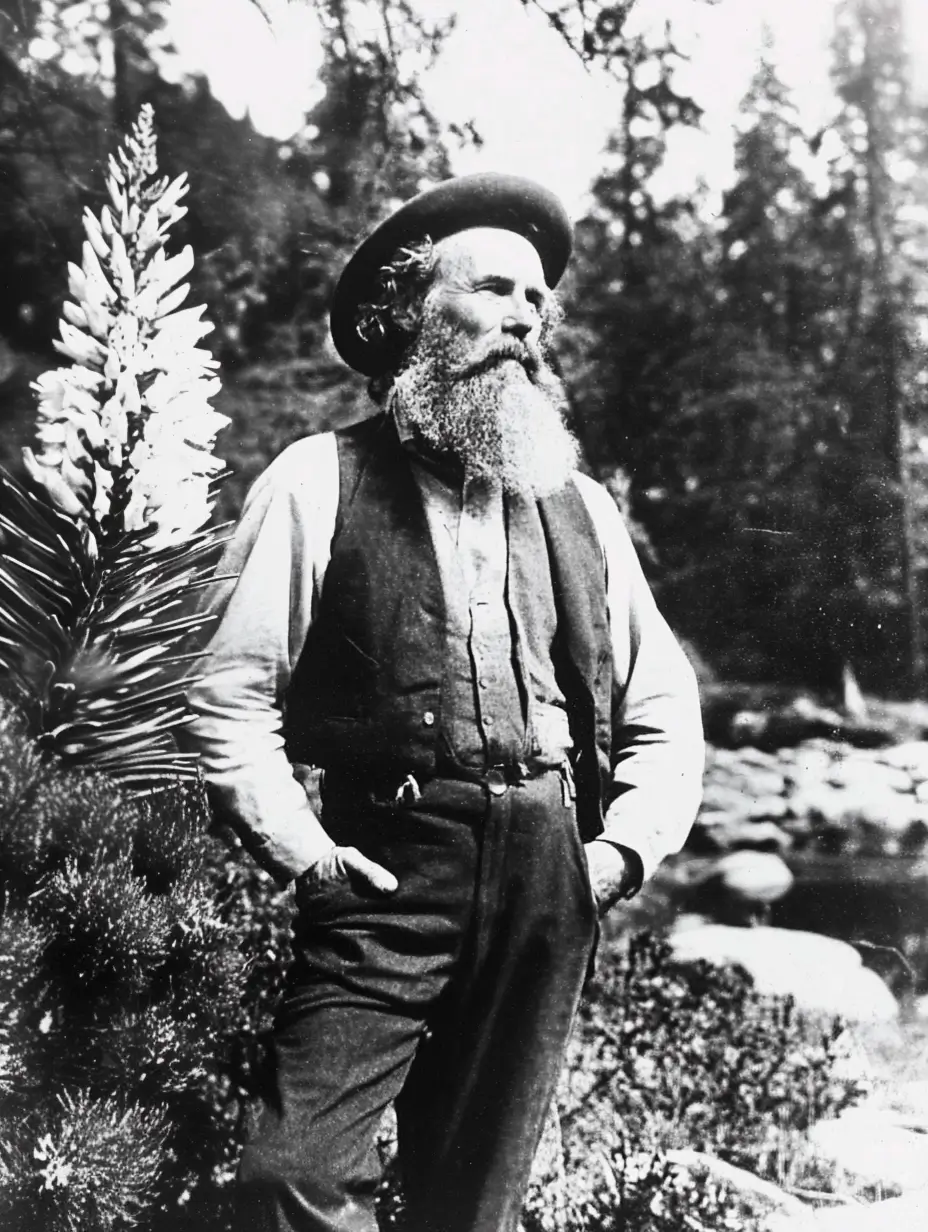
Yucca’s resilience has been metaphorically referenced in writings by environmentalist John Muir, who admired its ability to thrive in unforgiving terrains as a testament to nature’s endurance.

Architect Lloyd Wright Jr., son of Frank Lloyd Wright, incorporated yucca motifs into his work, most notably in the "Derby House" and the "Institute of Mentalphysics" in Joshua Tree, blending the plant’s natural forms with architectural innovation.
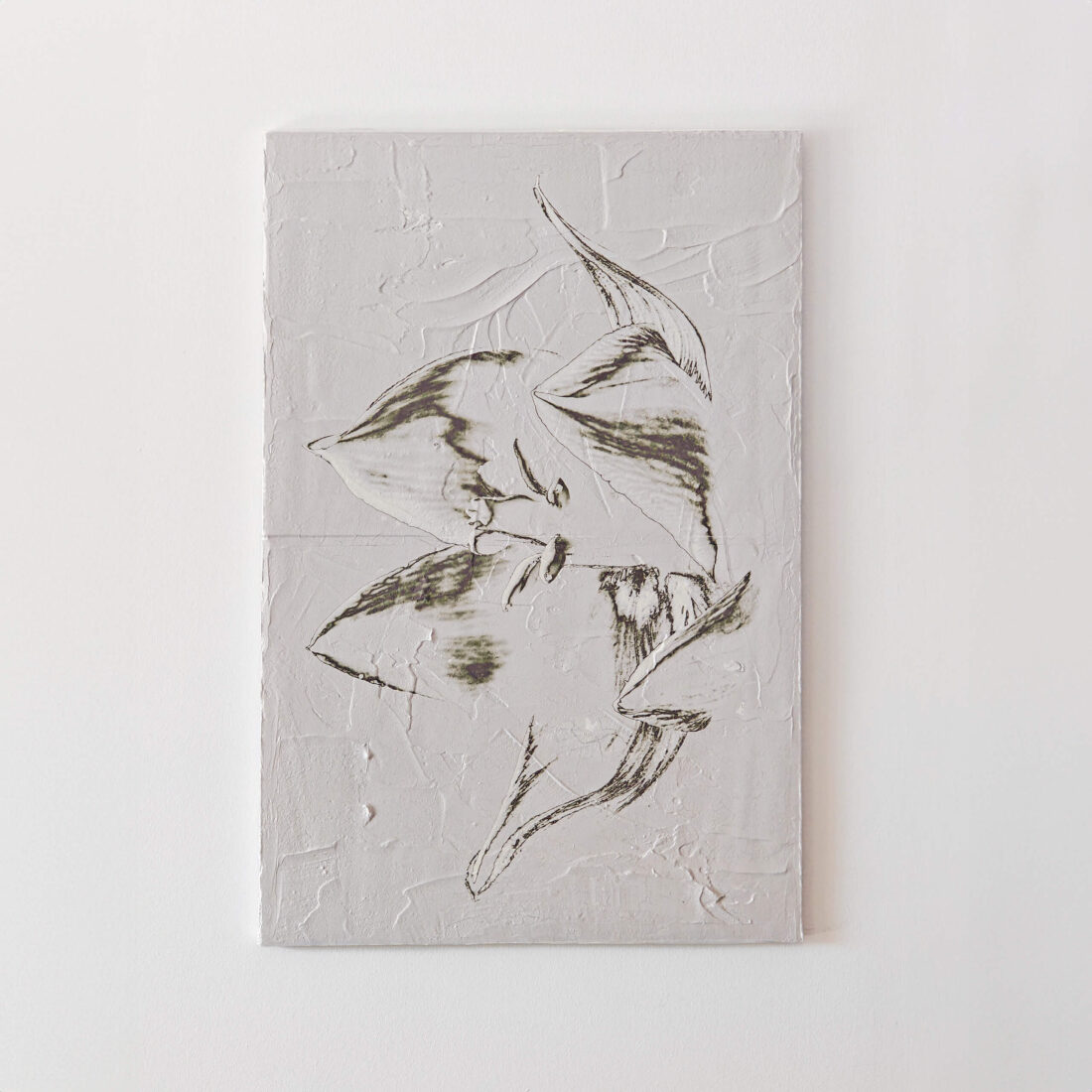
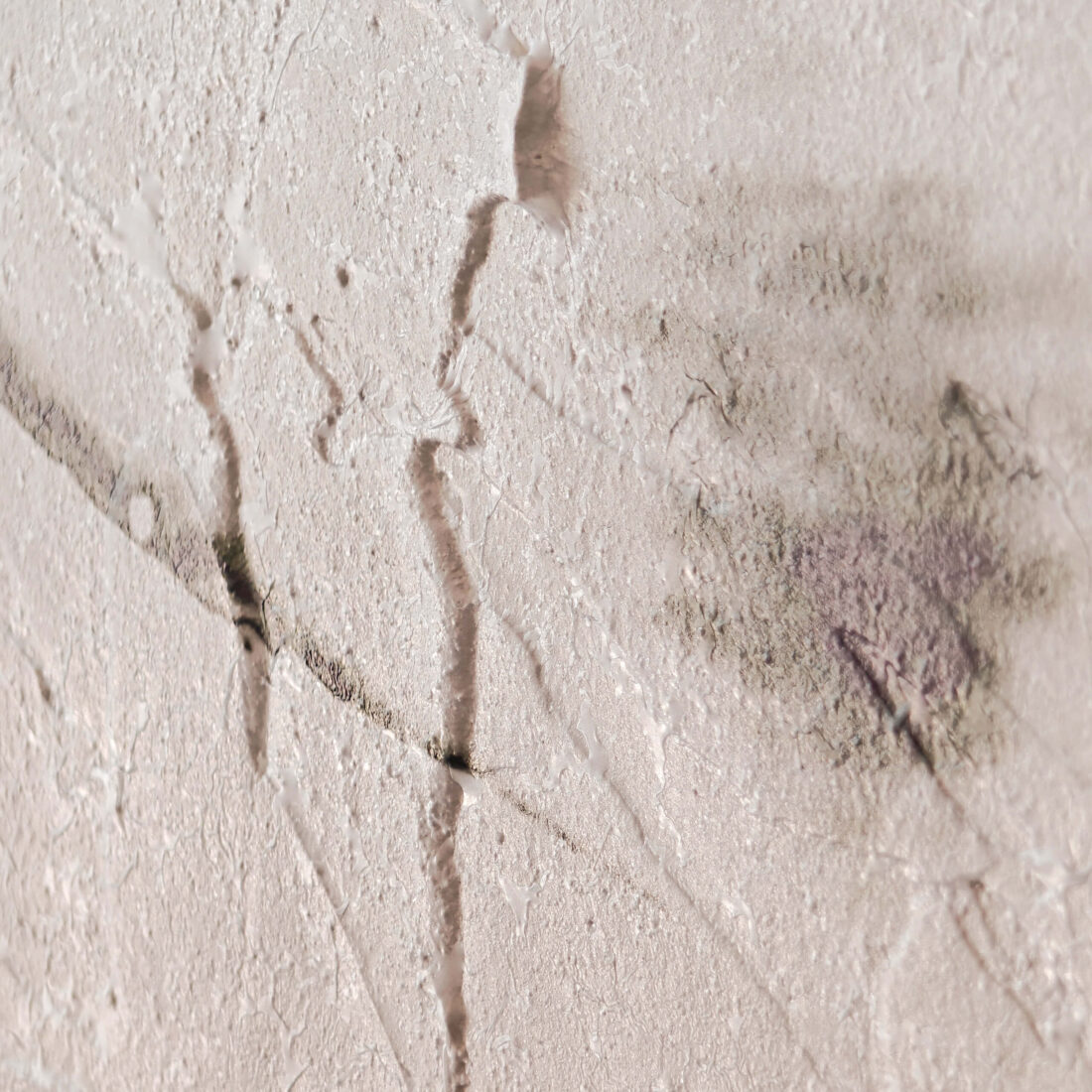
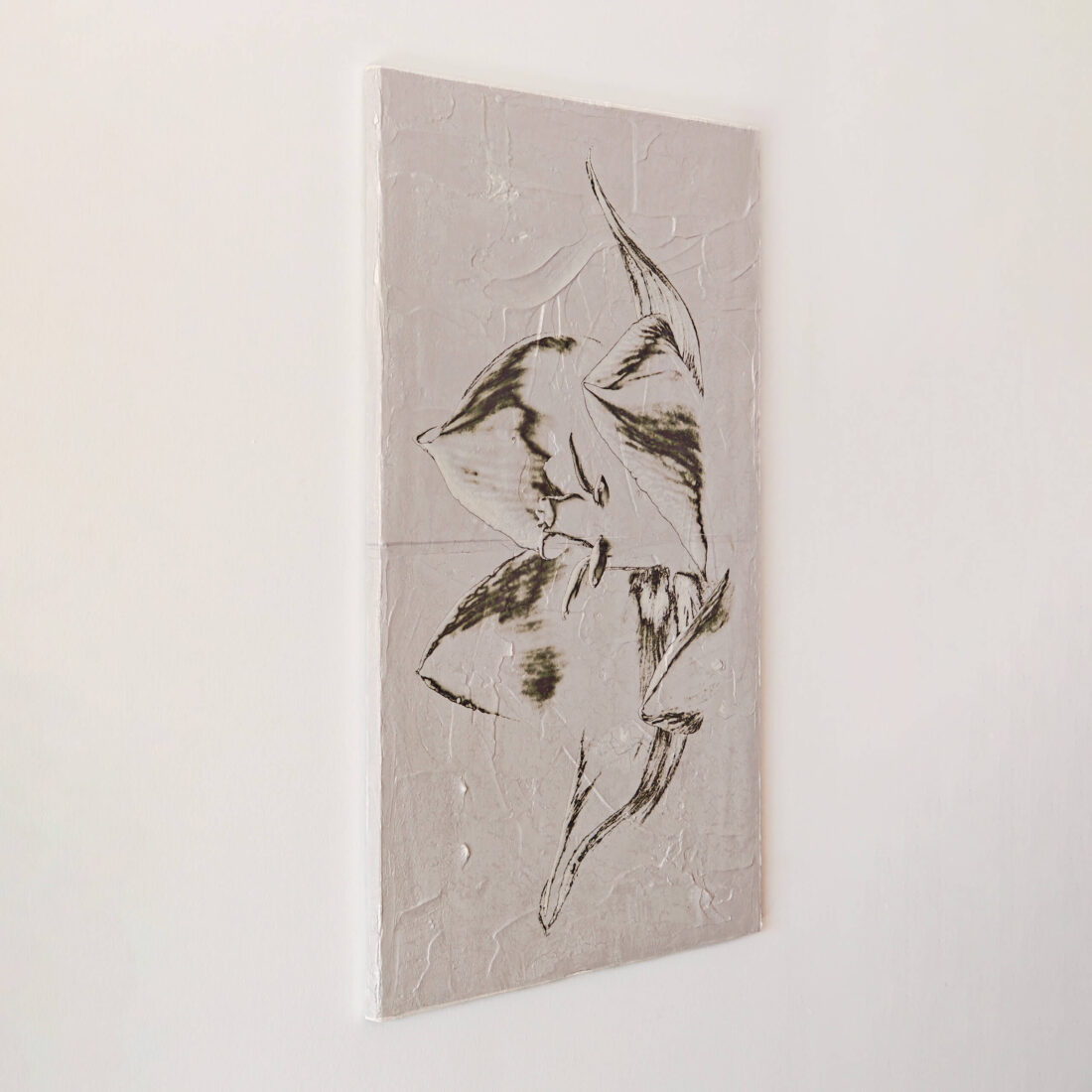
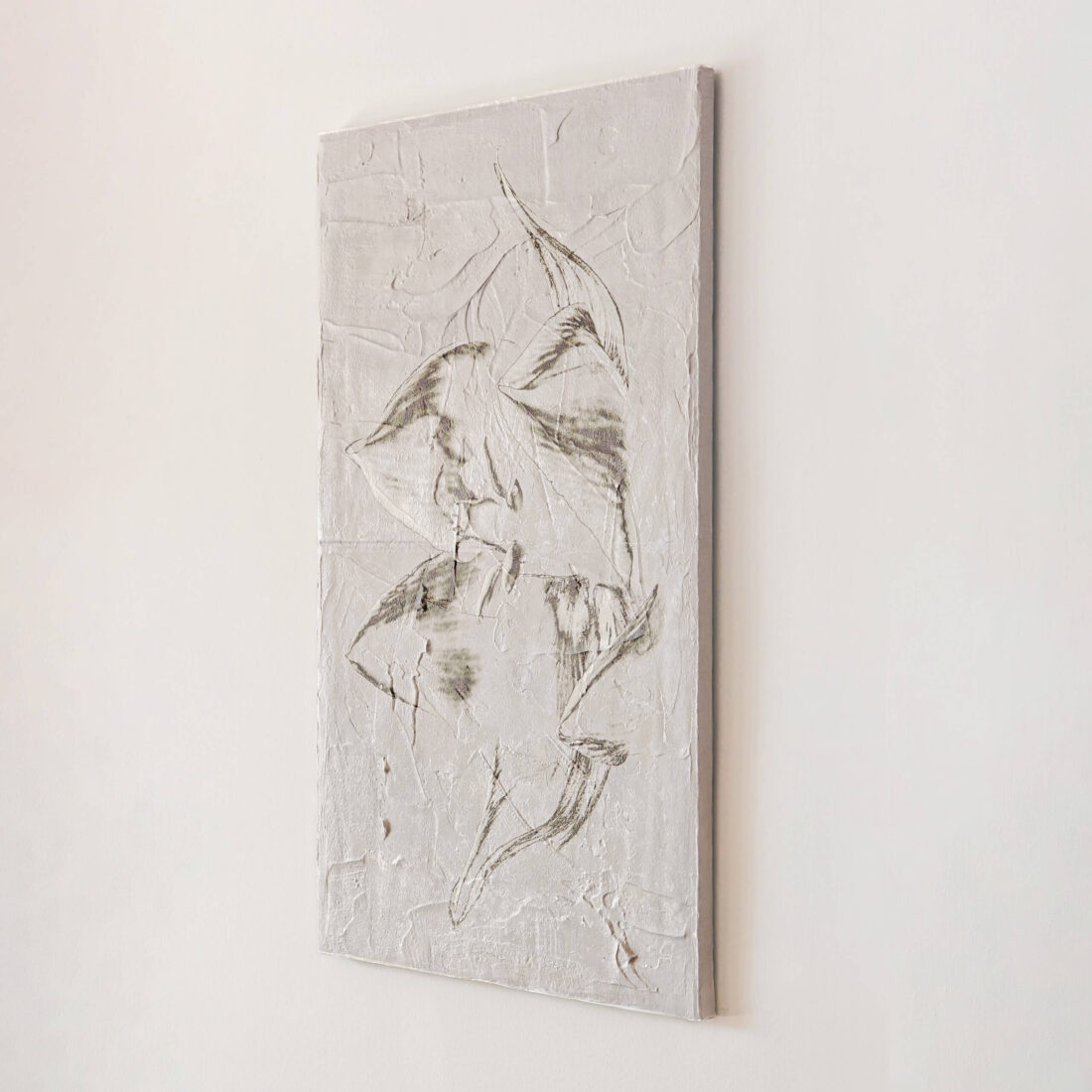
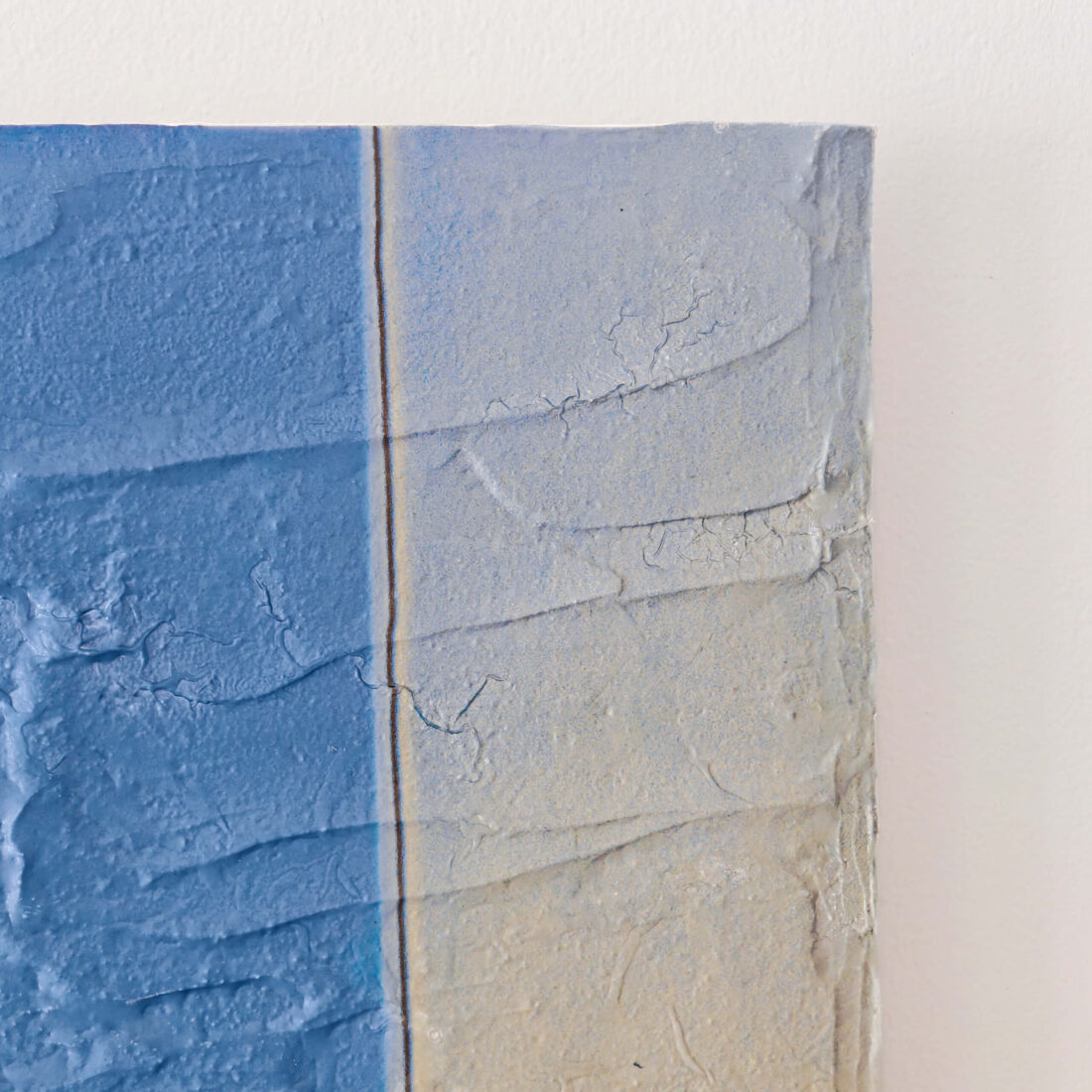
At COBELIO, our exploration of this plant has resulted in a series of textured photo reliefs that capture its duality—sharp edges juxtaposed with soft, velvety blooms. These unique Yucca Gloriosa artworks exemplify our plaster art technique that blend modern art concepts with natural elements. This evokes the plant’s essence, inviting viewers to see it as both a botanical marvel and an artistic muse.



Now it's Your Turn!
Whether you’re a gardener looking to add beauty to your space, an artist seeking inspiration, or a curious mind drawn to the marvels of nature, the Yucca Gloriosa has something to offer everyone!
 For Book Lovers – the 1934 book The Yucca Story by Will L. Comfort explores themes inspired by this remarkable plant, adding a layer of cultural intrigue to its natural beauty. Similarly, Night Life of the Yucca: The Story of a Flower by F. O. Edwards delves into the fascinating life cycle and ecological connections of the yucca plant. Both works showcase the plant’s enduring allure and its ability to inspire curiosity and creativity.
 For Food Enthusiasts - Visit El Cielo, a Michelin-starred restaurant in Washington, D.C., features yucca gnocchi on its menu. Or maybe try one of the many notable restaurants in Lima, Peru, featuring yucca root in creative pairings with piranha fish and cocona.
🎨 For Art Lovers – Explore our Yucca-inspired artworks at COBELIO, where nature meets artistry in a bold, textured form.
🌍 For Travelers – Visit coastal landscapes where Yucca Gloriosa thrives in the wild and see its beauty in its natural habitat.
Uncover the magic of the Yucca Gloriosa and let its timeless beauty inspire your own journey!

From Nature to Canvas
For COBELIO, Yucca gloriosa represents a perfect blend of contrasts—sharp and soft, wild and refined. Its intricate form has inspired a series of artworks that highlight its duality. As artists, we are often drawn to elements in nature that evoke strong, opposing emotions. For us, he yucca’s sword-like leaves juxtaposed with its velvet-soft white flowers embody this tension beautifully.
Through photography and photo-relief techniques, we’ve aimed to capture not just the physical appearance of the plant but its essence. Each artwork transforms the yucca’s silhouette into a story of light and shadow, structure and fluidity. By using plaster as a medium, we’ve been able to bring an additional layer of texture and permanence to our pieces, grounding the ephemeral beauty of the plant in a tangible, timeless form.
How we do it in Our Textured and Plaster Art
Creating art inspired by Yucca gloriosa involves both traditional and experimental techniques. At COBELIO, we’ve developed a self-taught process to merge photography with plaster, creating textured art that feels both ancient and modern. This approach allows us to celebrate the plant’s architectural qualities, emphasizing its sharp edges and delicate curves.
The use of spackle and plaster in our works mimics the yucca’s natural textures, translating them into a medium that invites touch and contemplation. Each artwork becomes an exploration of the yucca’s ability to evoke both strength and softness, much like the plant itself.