









Olivo
Facts and Features
| Scientific Name: | Olea europaea |
| Common Names: | Olive Tree |
| Etymology: | Derived from the Latin oliva and Greek elaia |
| Family: | Oleaceae |
| Native Regions: | Mediterranean Basin, Middle East, Northern Africa |
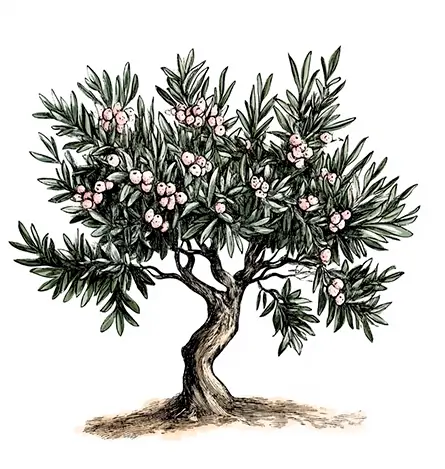
| Blossoms: | Small, white, fragrant flowers |
| Foliage: | Evergreen, silvery-green leave |
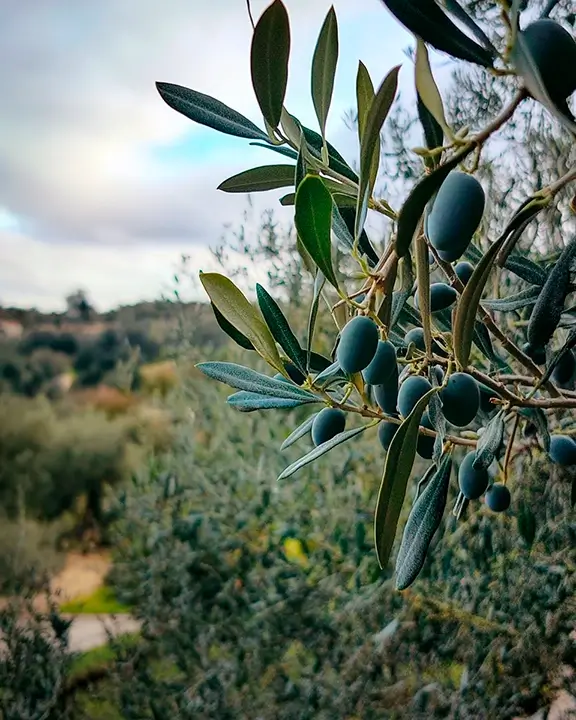
| Fruit: | Olives, varying in size and color depending on variety |
| Height: | Typically 3-12 meters, but can reach up to 15 meters |
A Tree Older Than Empires
The olive tree has been cultivated for over 6,000 years, originating in the Eastern Mediterranean, where early agrarian societies recognized its value for oil and fruit. Archaeological evidence suggests that olive oil production dates back to at least 3,500 BCE in Crete, where the Minoans used it for cooking, medicine, and religious rituals.
In Ancient Greece, victors of the Olympic Games were honored not with gold but with olive wreaths made from the sacred tree of Olympia, symbolizing glory and divine favor.

In Greek mythology, Athena gifted the olive tree to Athens, solidifying it as a symbol of wisdom and prosperity. The ancient historian Herodotus once stated that "there was no olive tree in the world that was not in Athens," highlighting its exclusivity and immense value in early Greek civilization.

In Egypt, olive oil was used in tomb rituals and balms for mummification. It was so revered that it was found in the tomb of Tutankhamun, stored in elaborate jars alongside other precious burial goods

The Romans refined its cultivation and expanded its reach across their empire, from North Africa to the Iberian Peninsula, ensuring the tree’s survival for generations
"There was no olive tree in the world that was not in Athens."
Where Does It Grow?
Over time, olive cultivation spread globally, cementing its status as one of the world’s most enduring agricultural treasures.
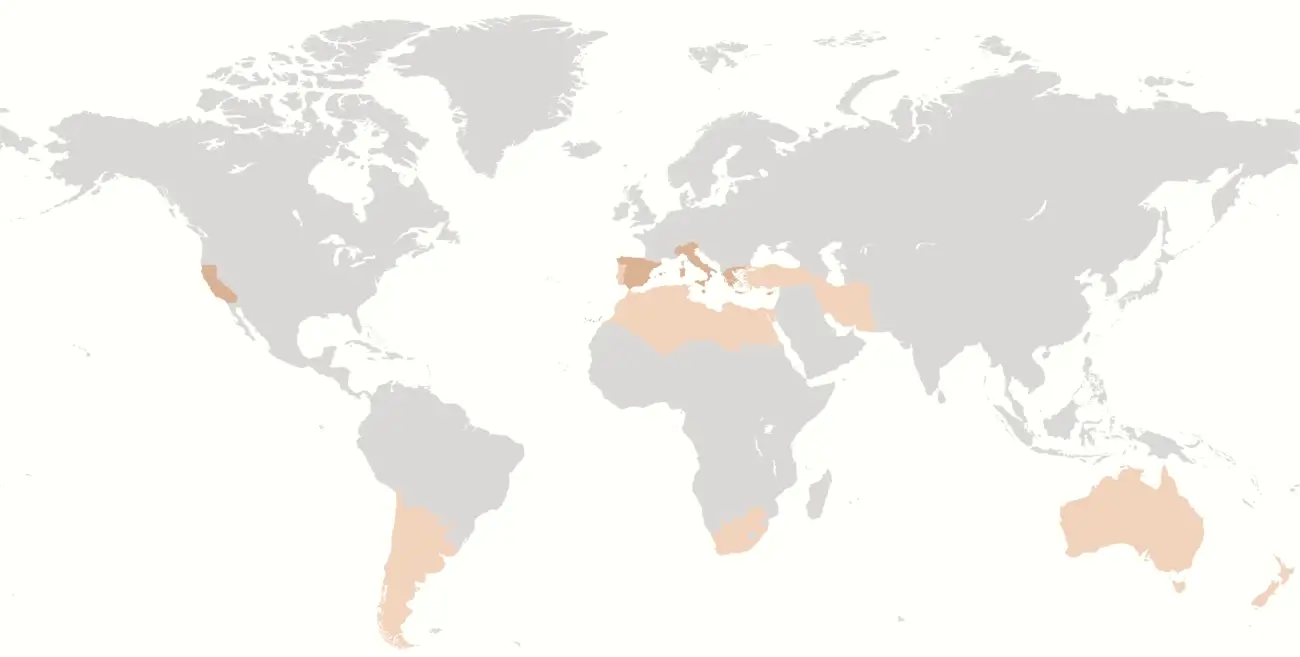
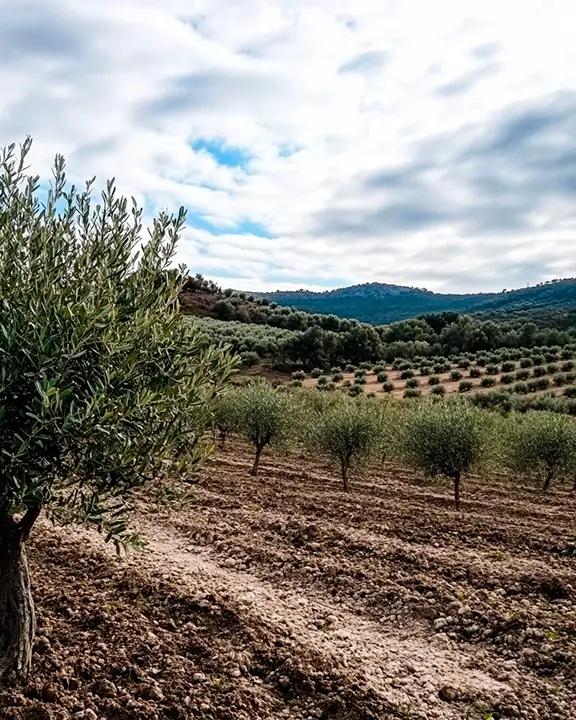
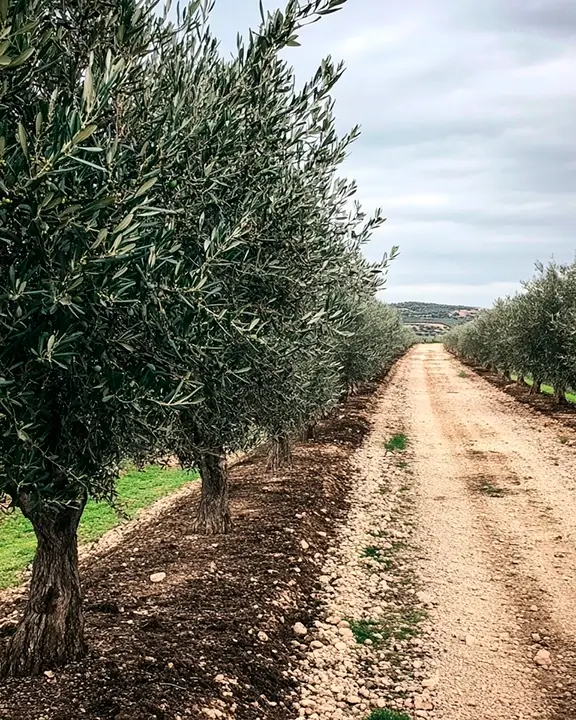
The olive tree thrives in warm, temperate climates, primarily in Mediterranean countries like Spain, Italy, and Greece. By the late 16th century, Spanish and Portuguese explorers introduced the olive tree to the New World, where it thrived in regions with Mediterranean-like climates, particularly California, Chile, Argentina and Uruguay. More recently, olive cultivation has expanded to South Africa and New Zealand, thanks to growing demand and climate adaptability. Its ability to withstand drought and poor soil conditions makes it one of the hardiest trees, capable of growing in rocky terrain and arid landscapes.
DID YOU KNOW...?
YEARS OLD
The Olive Tree’s Virtues: Health, Craft, and Sustainability
The olive tree offers numerous benefits, making it an invaluable species:
Nutritional & Culinary Benefits:
-
Heart Health: Rich in monounsaturated fats and antioxidants, olives help lower cholesterol and reduce inflammation.
-
Neuroprotective Properties: Olive oil supports cognitive function, reducing the risk of neurodegenerative diseases.
-
Anti-Stress & Mood Regulation: The polyphenols in olives help combat oxidative stress and contribute to emotional well-being.
-
Digestive Health: Olive oil aids in digestion and supports a healthy gut microbiome.
Environmental Impact:
The olive industry has embraced sustainability by repurposing olive pits as biomass fuel, using them to generate heat for oil extraction and reducing environmental waste.
Olives contribute to sustainable farming, requiring minimal water while and preventing soil erosion. Olive groves also play a crucial role in desertification prevention, thriving in dry, nutrient-poor soils where other species struggle. Their ability to regenerate from the root system even after extreme droughts makes them a natural safeguard against land degradation. Additionally, their dense canopy helps regulate soil moisture and microclimates, supporting biodiversity in arid ecosystems.
Varieties & Modern Uses
There are over 1,500 olive tree varieties, each with unique characteristics. Some well-known olives types include:
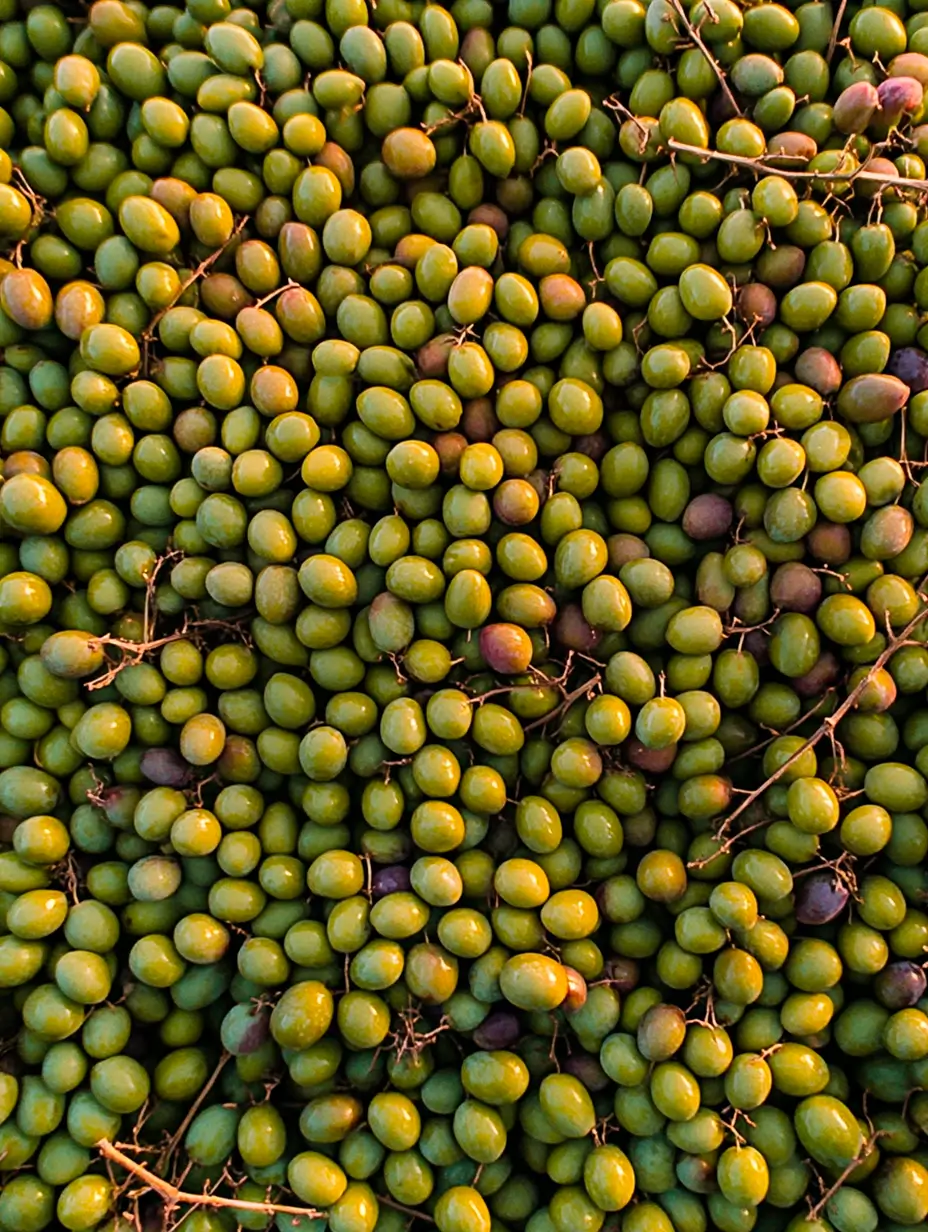
Arbequina: Mild, buttery, and often used in high-quality olive oils.
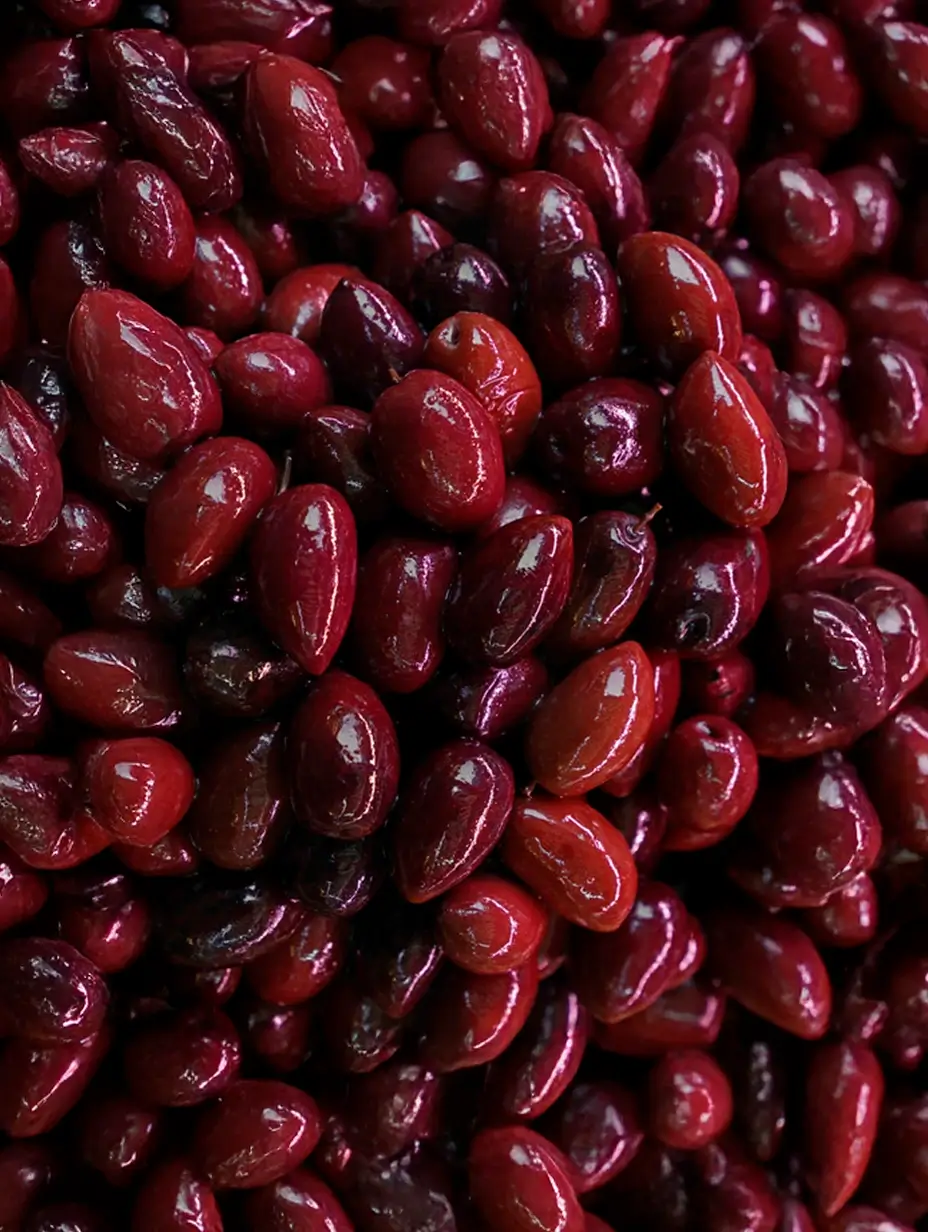
Kalamata: Large, dark, and popular in Greek dishes.
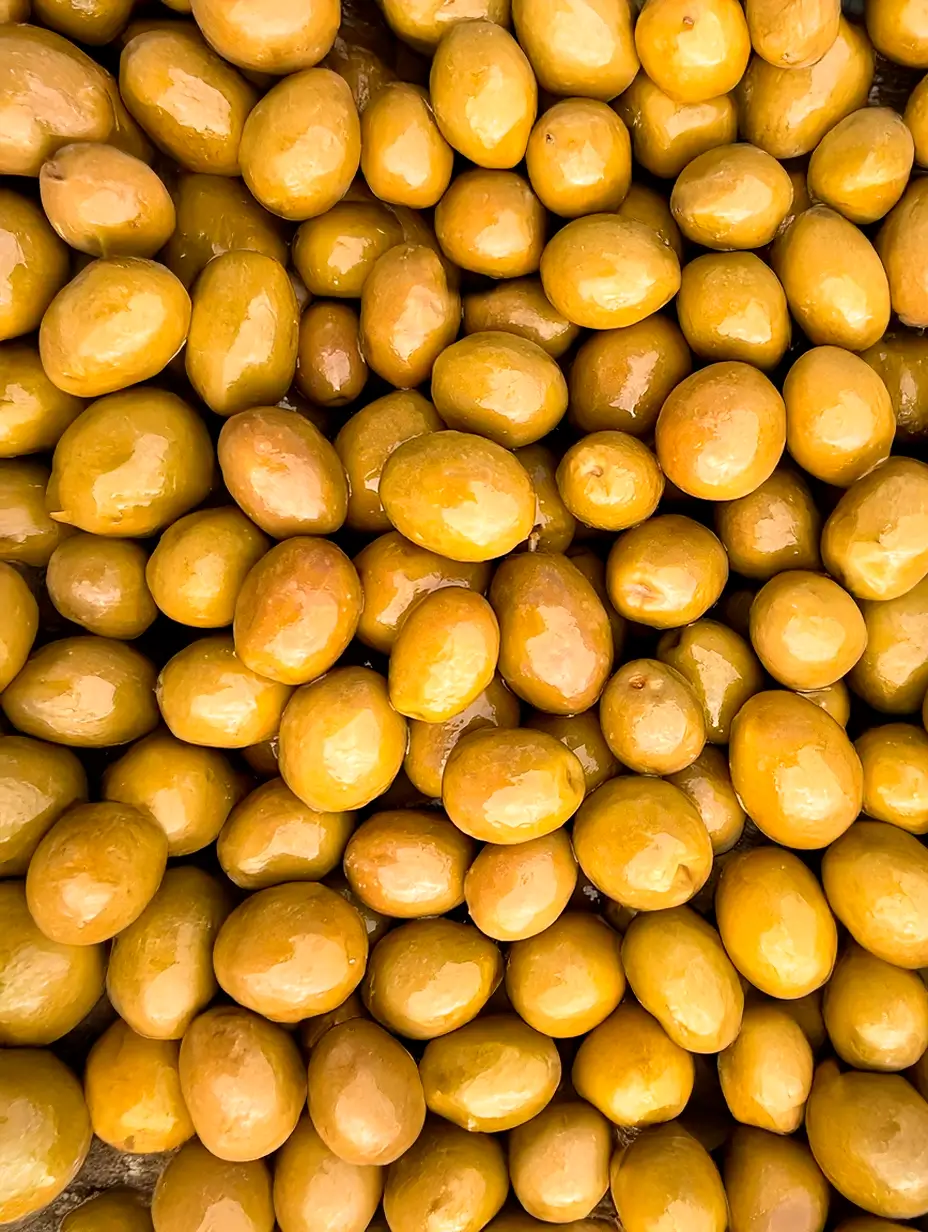
Manzanilla: Small and flavorful, commonly enjoyed as table olives.

Picual: High in polyphenols, making it one of the healthiest olive oils.
Beyond the kitchen, olive-derived products are finding new applications in cosmetics, wellness, and sustainable design. The beauty industry has embraced olive oil as a core ingredient in anti-aging products, while researchers continue to explore its medicinal properties.

Olive Wood: Antibacterial & Luxuriously Durable
Beyond its fruit, the olive tree provides a durable and richly grained wood, highly valued in furniture-making and artisanal crafts. Olive wood is naturally resistant to bacteria, making it ideal for kitchen utensils, cutting boards, and high-end decorative pieces. Its intricate grain patterns and warm hues lend themselves beautifully to luxury design, from handcrafted sculptures to sustainable home décor.
The olive tree has also gained popularity as a trending feature in Mediterranean-style gardens in Northern Europe. In the UK, young olive trees have become an emblem of elegance, often grown in greenhouses or sheltered spaces to mimic their native climate. With rising global temperatures, some horticulturalists predict that olives could become a mainstay in European gardens. In a suitable habitat, olive trees become highly resilient: they have evolved in environments where they have endured droughts and wildfires, adapting to harsh conditions over time.
Symbolism of the Olive Tree
Across cultures, the olive tree represents:
-
Peace: The olive branch is a universal symbol of reconciliation, dating back to the Biblical story of Noah’s Ark, where a dove returns carrying a green olive branch, signaling the end of the great flood and the restoration of peace on Earth. Roman poet Virgil reinforced this symbolism in his epic poem, Aeneid, where the olive branch appears as a sign of diplomacy and truce:
‘Resolve me, strangers, whence, and what you are;
Your business here; and bring you peace or war?
High on the stern Aeneas his stand,
And held a branch of olive in his hand.’
This imagery, used in one of Rome’s most influential literary works, further cemented the olive tree as a global emblem of harmony and reconciliation, together with its presence in major historical moments, such as the 1775 Olive Branch Petition, an attempt to avoid full-scale war during the American Revolution.

Today, olive tree's presence on the United Nations flag reinforces its enduring role as a symbol of global peace.
-
Wisdom: In Ancient Greece, it was linked to intellectual pursuits and enlightenment.
-
Resilience: Its ability to thrive in harsh conditions signifies endurance and adaptability.
-
Prosperity: Olive oil was historically a sign of wealth and abundance.
The influence of the olive tree extends beyond its physical presence—it has shaped language itself! The English word oil originates from the Latin oleum, which in turn stems from the Greek elaia, both referring to olives and their prized extract. Its roots in these ancient languages, emphasizes the enduring importance of the olive tree.
“The olive tree is surely the richest gift of Heaven.”
The Olive Tree in Art
The unique form of the olive tree has inspired countless artists throughout history. From the expressive brushstrokes of Vincent van Gogh capturing the movement of olive groves to the elegant, abstract interpretations by Joan Miró, this tree has been depicted in various artistic styles. In religious art, it frequently appears in Byzantine mosaics and Renaissance paintings following its peace and divine wisdom symbolism. More recently, contemporary artists have embraced olive wood as a sculptural medium, utilizing its intricate grain to craft tactile and organic pieces.
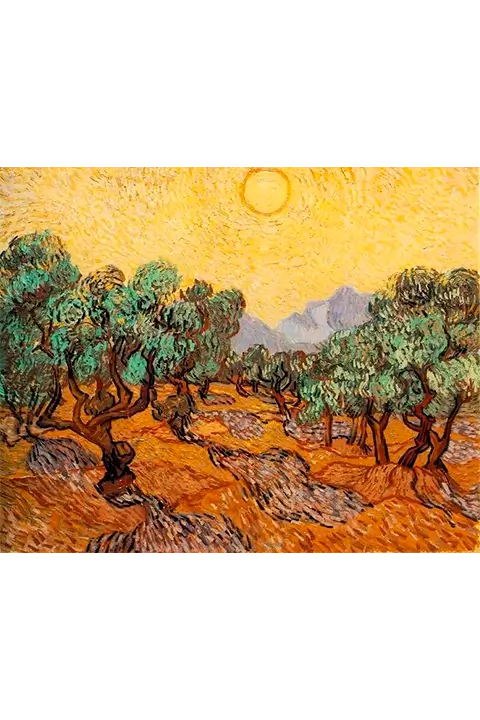
Olive Trees With Yellow Sky And Sun – Vincent van Gogh (1889)
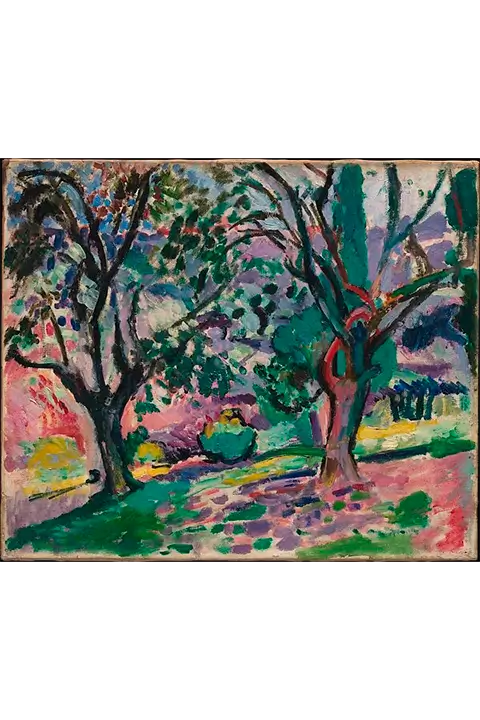
‘Olive Trees at Collioure’ – Henri Matisse (1906)
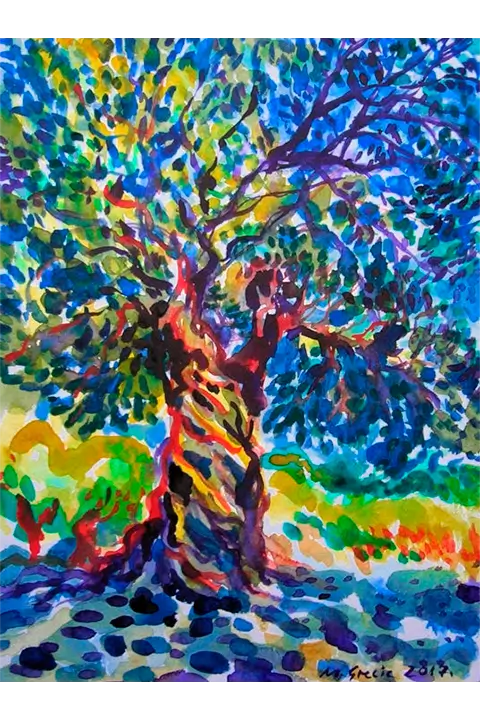
‘Magnificent olive tree #2’ – Maja Grecic (2017)

‘The Ancient Olive Grove at La Dragonnière, Cap Martin’ – Sir Winston Churchill (1937)

Dove of Peace – Pablo Picasso (1949)

‘The Hospitality of Abraham and the Sacrifice of Isaac’ – Byzantine School (s. VI)

‘Vines and Olive Trees’ – Joan Miró (1919)
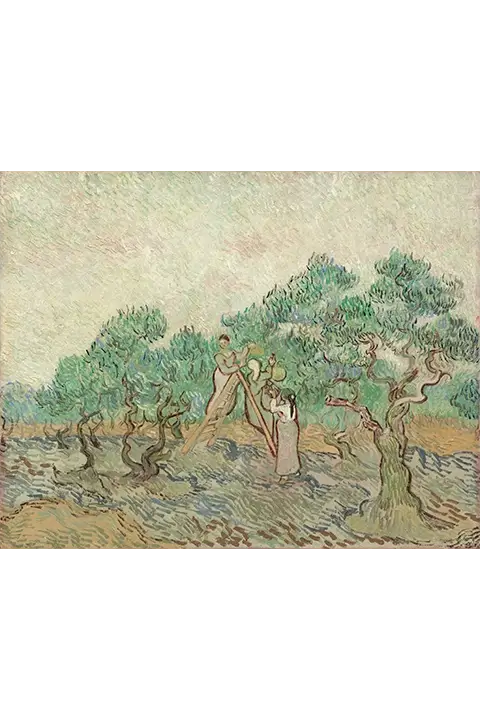
The Olive Orchard – Vincent Van Gogh (1889)
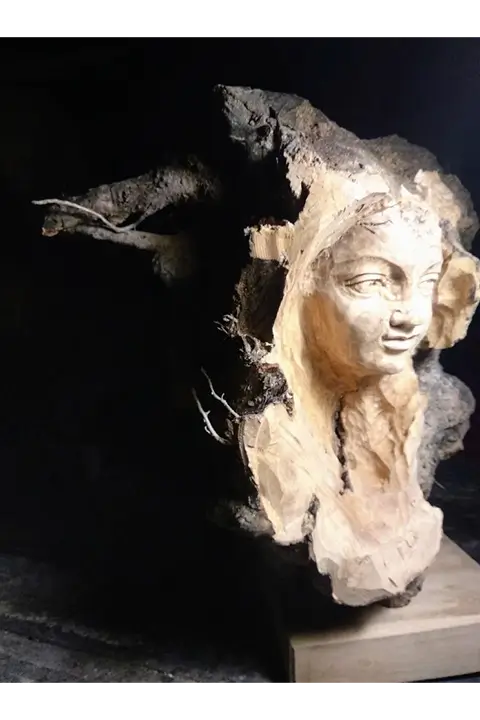
Olive tree wood sculpture – Diego Guerrero
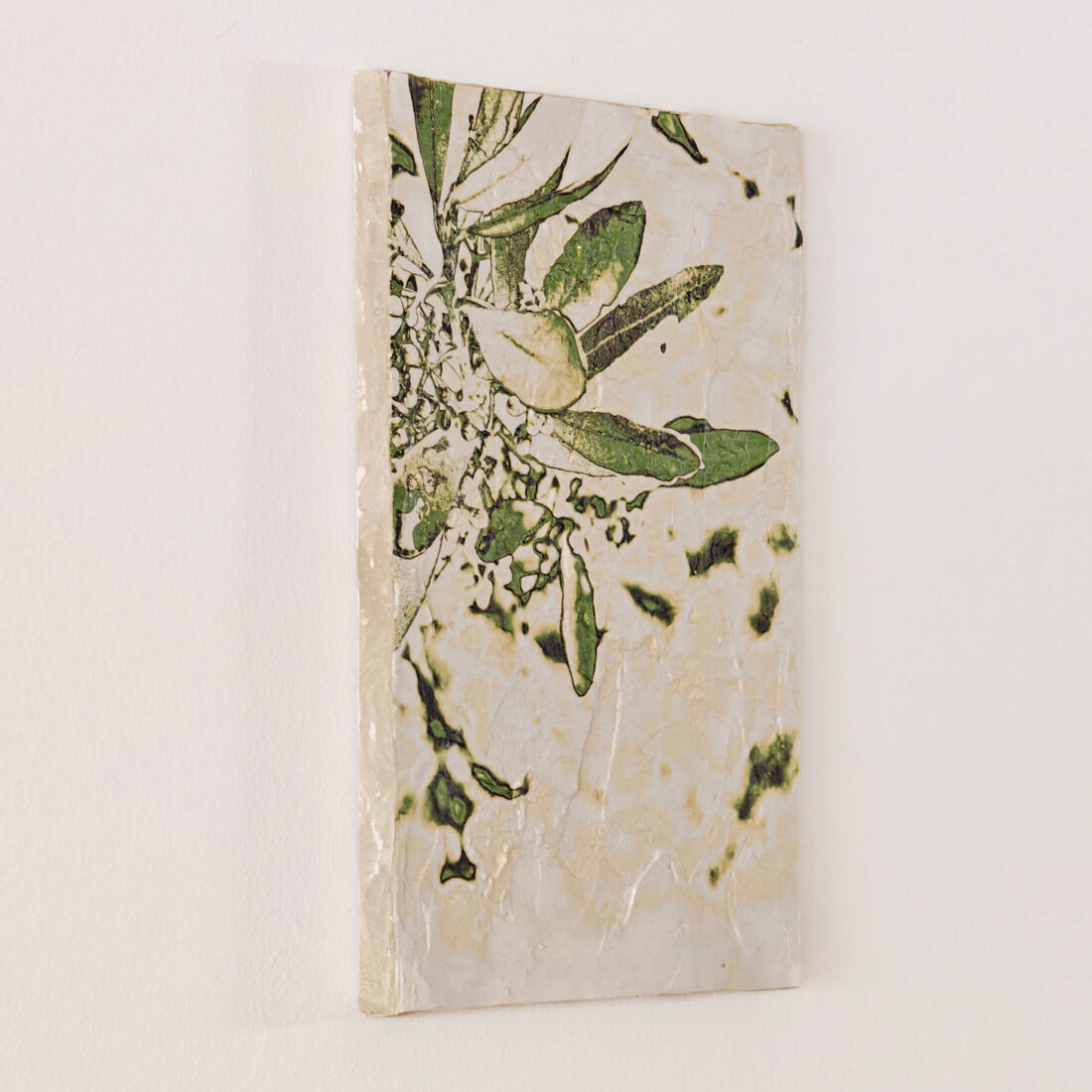
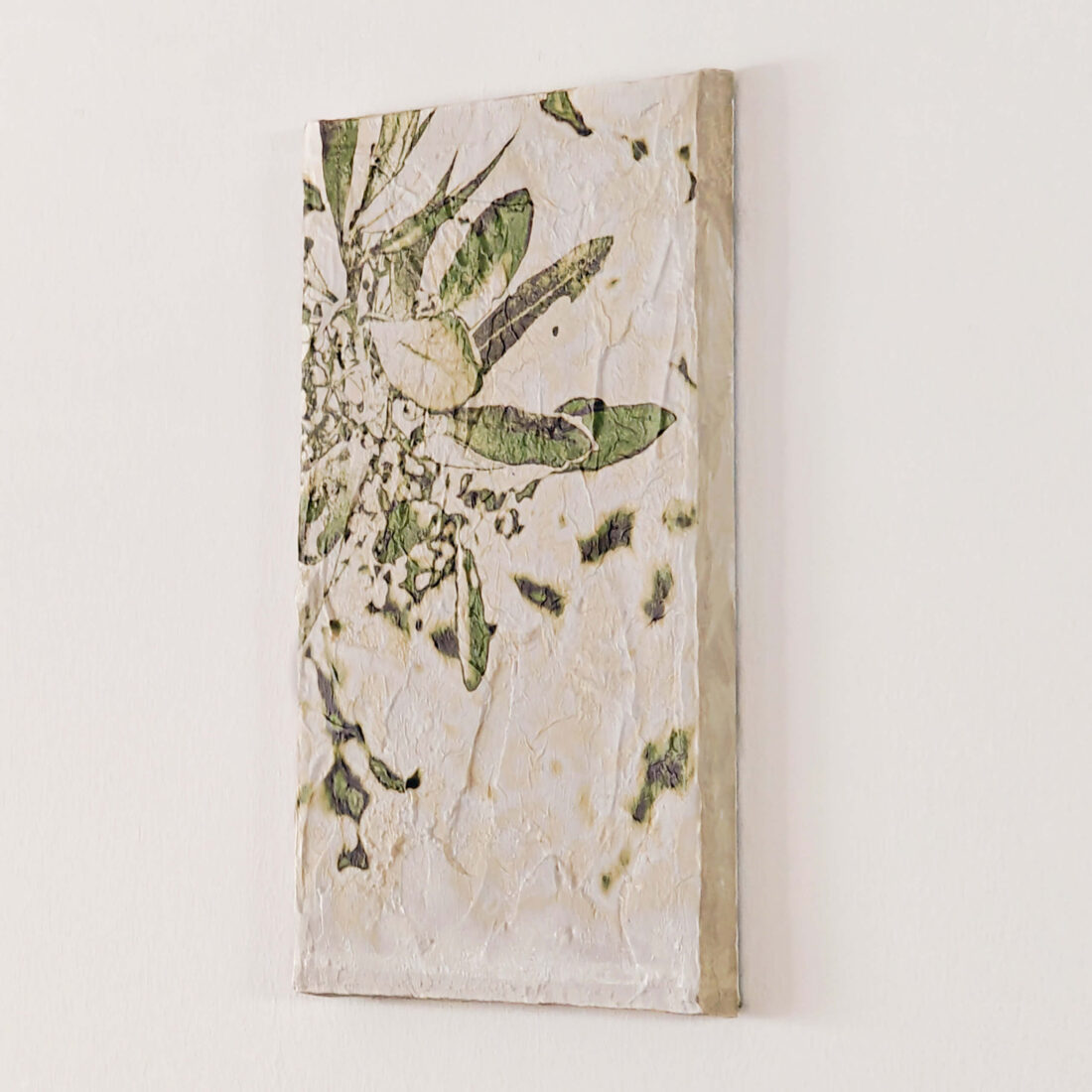
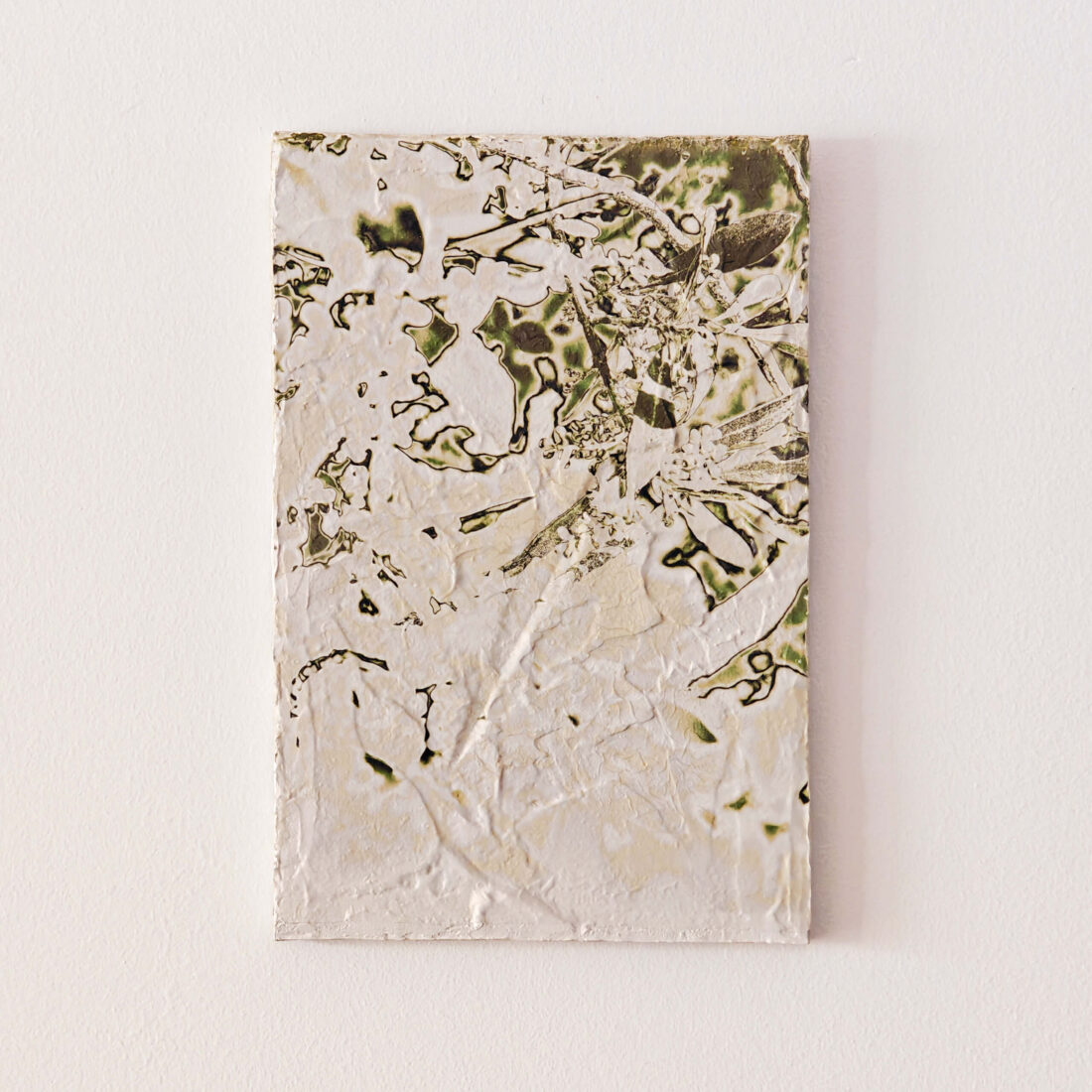
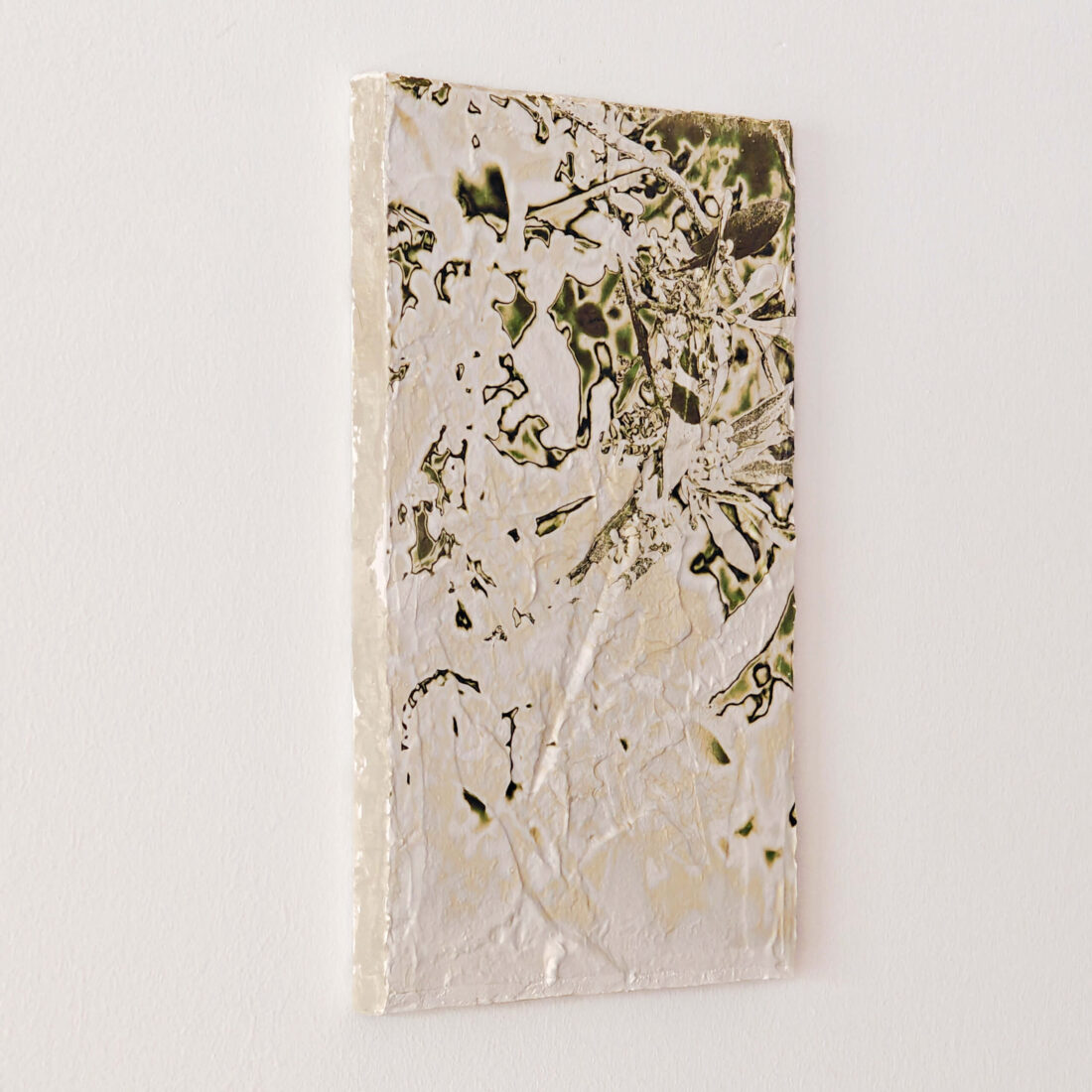
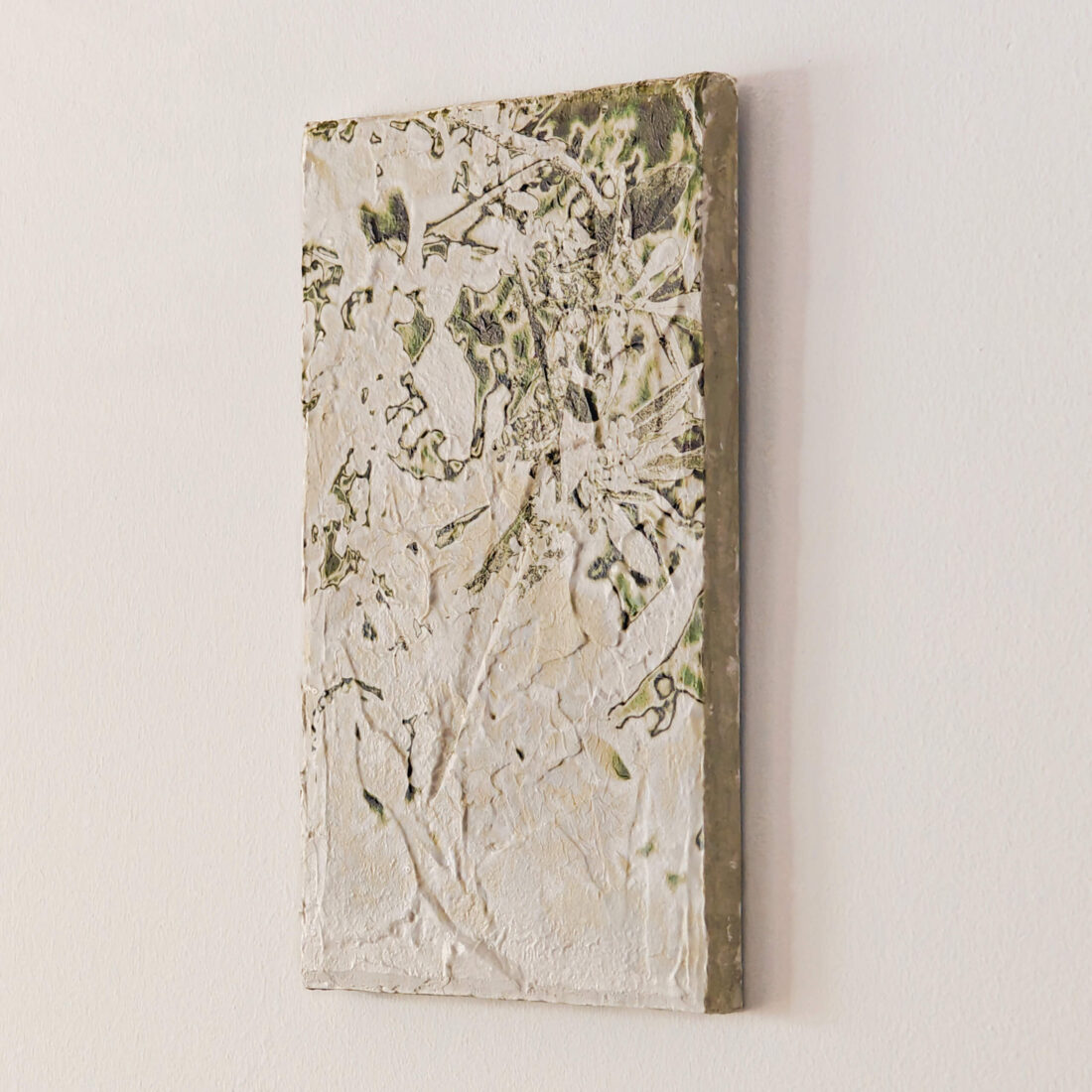
At COBELIO, we have found a deep connection with the olive tree, both visually and conceptually. Its textured leaves, the way light plays through its branches, and the intricate, sculptural quality of its trunks have influenced our artistic approach. Our artworks inspired by the olive tree capture these organic textures and shifting patterns of light, transforming nature’s elegance into abstract expressions. In these plaster relief pieces, for instance, evoke the interplay of light and shadow among olive leaves at dawn, creating a sense of movement and depth. You can explore these pieces in our gallery, where nature and contemporary art merge in unique, handcrafted works.
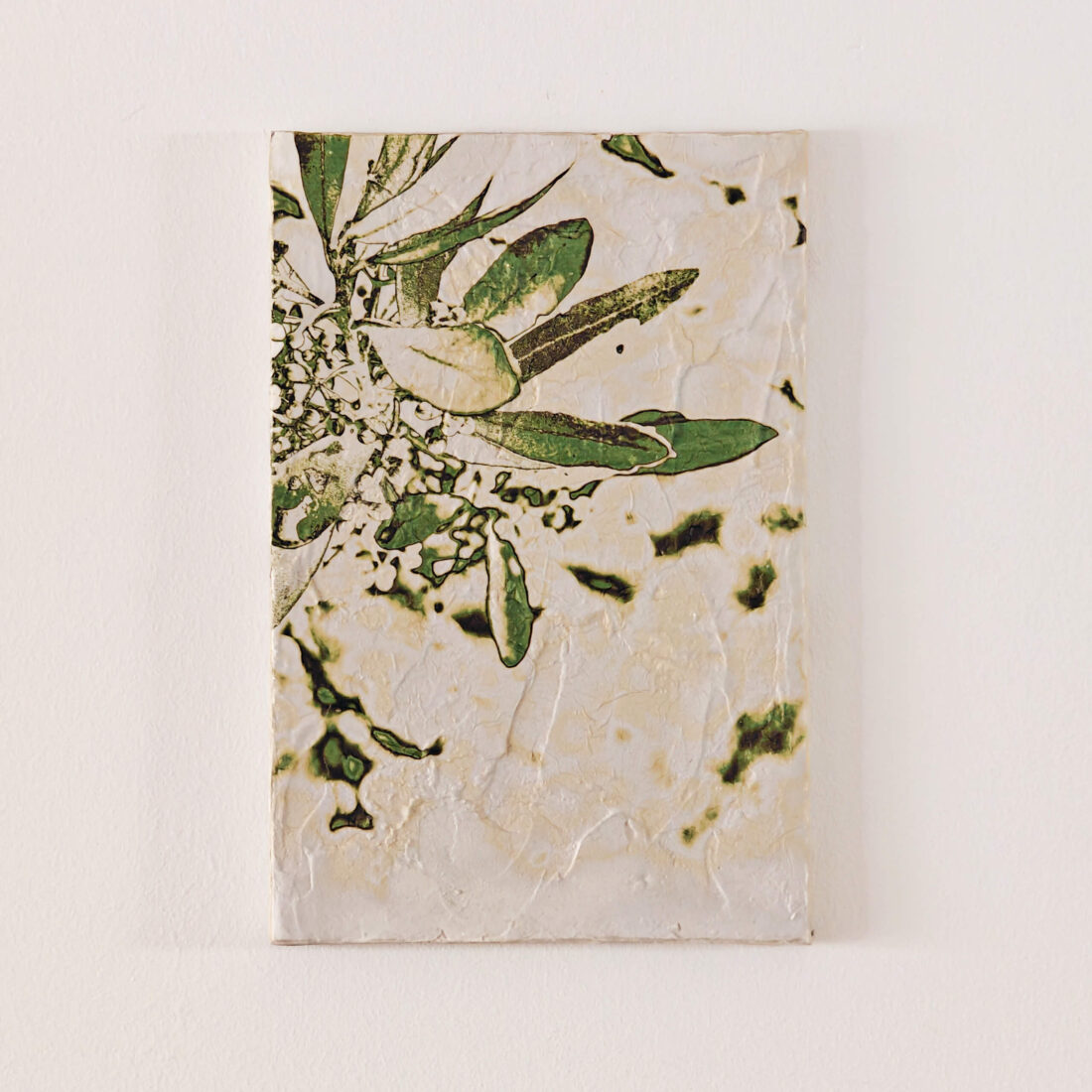


Inspired by the Olive Tree
Throughout history, many influential figures have been captivated by the olive tree, either for its symbolic meaning, its presence in art, or its cultural significance:

Pierre-Auguste Renoir – The renowned Impressionist painter found deep inspiration in olive trees. In 1907, he purchased his home, Les Collettes, in Cagnes-sur-Mer, France, specifically to protect an ancient olive grove from being cut down.

Sir Winston Churchill – Had a deep appreciation for Mediterranean landscapes and often painted olive groves during his travels, finding peace and inspiration in their presence.

Aristotle and Hippocrates – Considered olive oil a fundamental element of health and longevity, advocating for its use as both a dietary staple and medicinal remedy for many diseases like dermatitis, stomach and intestine problems, as well as sun protection and burnt skin.

Homer – Referred to olive oil as “liquid gold” in The Odyssey, emphasizing its value in Ancient Greek society.



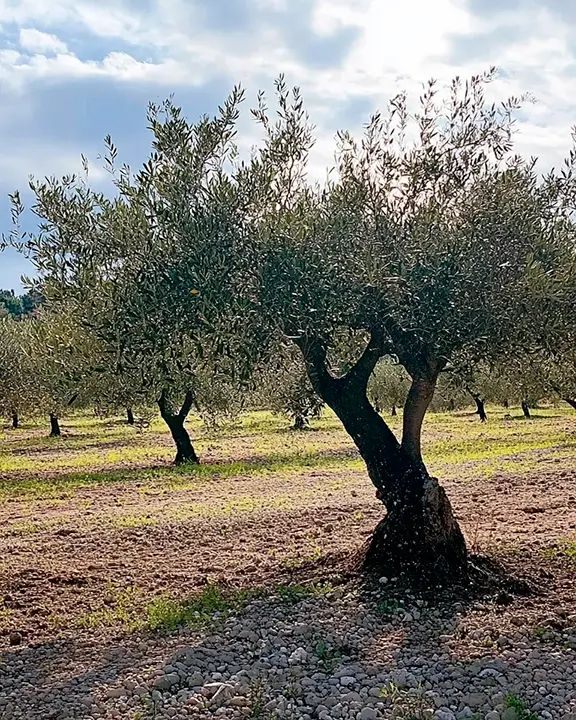
Beyond the Olive: Discover, Taste, and Explore
The olive tree is more than just a plant—it is a testament to nature’s artistry, history, and cultural depth. Whether you are drawn to its history, aesthetic appeal, or its deep-rooted significance in art, exploring the olive tree’s legacy is a journey worth taking.
-
📚 For book enthusiasts: The Olive Route by Carol Drinkwater is a must-read.
-
🎬 For cinema fans: The Olive Tree (2016) beautifully portrays the tree’s emotional and historical depth.
-
🍽️ For foodies: For a unique experience, dine at El Olivar de Castillejo, a non-profit foundation in Madrid that protects ancient olive groves and offers summer dinners among hundreds of these centenary trees. Alternatively, visit RH Chicago's 3 Arts Club Café, where Mediterranean olive trees create a serene dining atmosphere under a stunning glass roof.
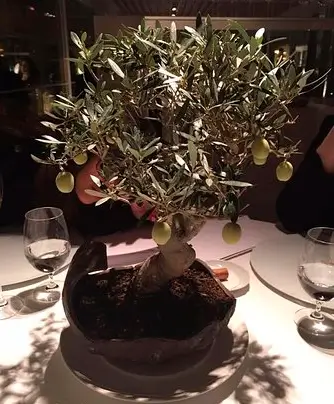
AN INMMERSIVE FOODIE EXPERIENCE!
"One of the most incredible experiences we have enjoyed in connection with the olive tree was this dish called 'Olive Explosion' at Celler de Can Roca restaurant, where you literally pick the olive yourself at the table directly from a real mini olive tree. We found it sublime the way the Roca brothers managed to connect food with its natural origin, and it was also delicious!!"
-
🎨 For art admirers: Explore our olive tree-inspired artworks at COBELIO’s online gallery.
-
✈️ For travelers: Visit the ancient olive groves of Vouves in Crete home to one of the world’s oldest olive trees, or explore the centuries-old olive orchards of Andalusia, Spain.
Let the olive tree’s rich history and timeless beauty awaken your curiosity and appreciation for one of nature’s most extraordinary creations.

From Nature to Canvas
At COBELIO, the olive tree is more than an inspiration—it is a symbol of resilience, movement, and transformation. Its twisted trunks, shimmering leaves, and deep historical significance shape our artistic vision.
Through photography and photo-relief techniques, we translate the essence of the olive tree into textured art. By working with plaster and spackle, we capture its organic forms, the interplay of light and shadow, and the tactile depth of its bark. Our creative process is a fusion of tradition and experimentation, and the works we create are an invitation to observe, touch, and feel—to experience the olive tree not just as a plant, but as a timeless piece of art becoming an artistic relic that echoes its natural endurance.
Explore our collection at COBELIO’s online gallery and experience the olive tree transformed into art.