





Pepper
Facts and Features
| Common & Scientific Name: | Pepper plant (Capsicum spp.) |
| Etymology: | From Latin capsa (box), referencing the seed pod shape |
| Family: | Solanaceae |
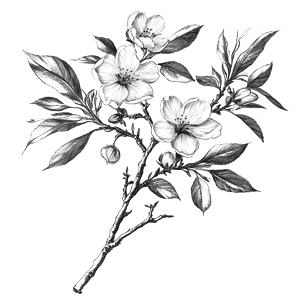
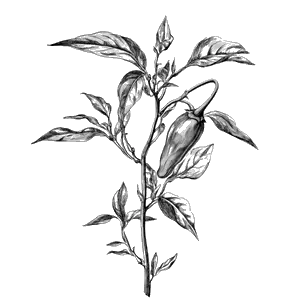
| Blossoms: | Small, star-shaped white or purple flowers |
| Foliage: | Ovate green leaves with smooth edges |
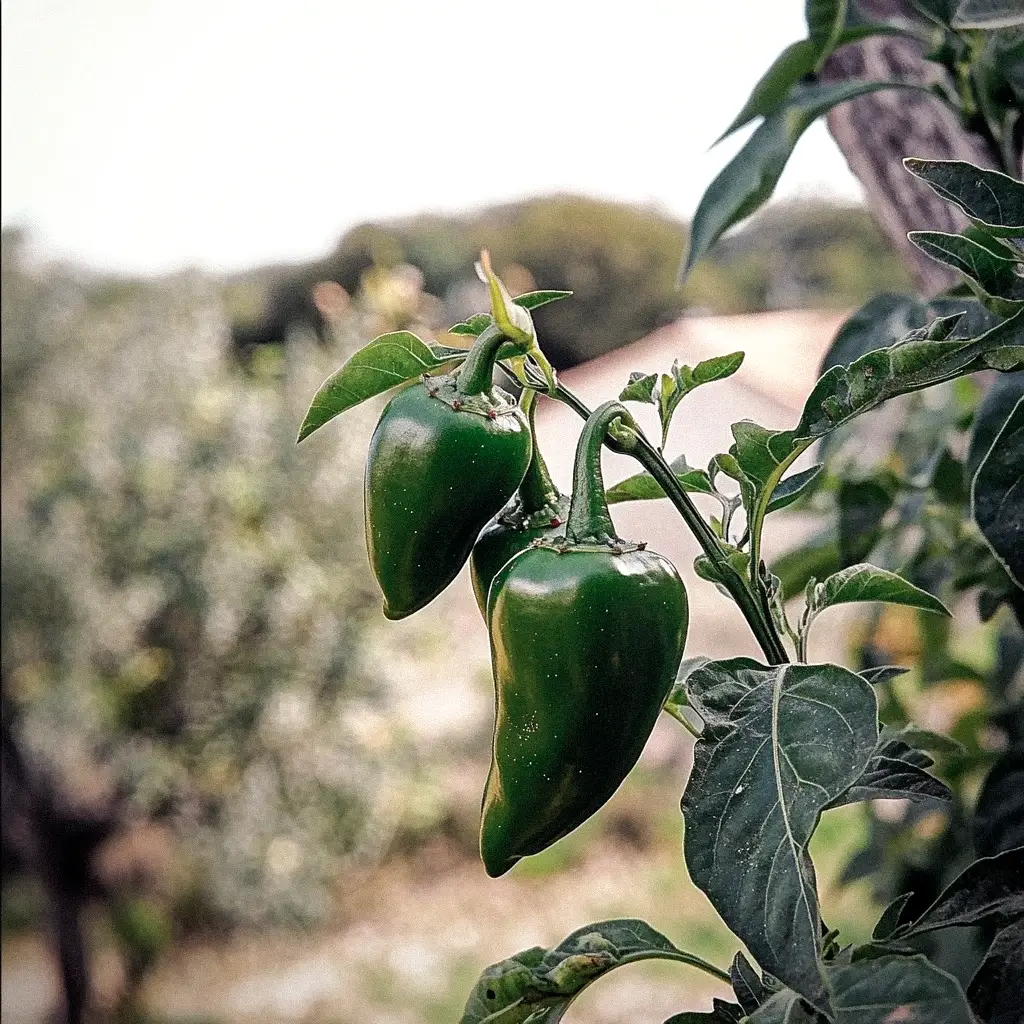
| Fruit: | Technically berries; vary in shape, size, and pungency |
| Height: | Typically 50–150 cm (20–60 inches), depending on variety |
Pepper main features chart
A Fiery Past: Origins and Cultivation
Peppers trace their roots to Peru and Bolivia, with evidence of cultivation dating back to 7500 BC. Five domesticated species later emerged, with Capsicum annuum—the most common—originating in central-east Mexico. By the time of Columbus, peppers were deeply embedded in the culinary and spiritual life of Mesoamerican cultures.
When Columbus introduced them to Europe in 1493, they took the continent by storm. In just a century, peppers spread globally via Spanish and Portuguese trade routes, transforming cuisines from India to Hungary. Today, they grow on every continent except Antarctica.

Peppers trace their roots to Peru and Bolivia, with evidence of cultivation dating back to 7500 BC.
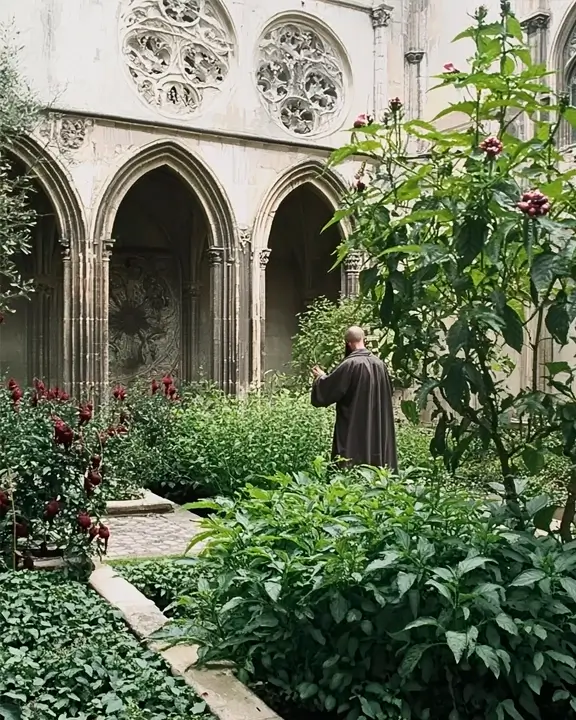
By the 16th century, peppers were grown in Spain (becoming common in gardens by the mid-1500s)

Today, peppers are cultivated on every continent except Antarctica, thriving in warm climates from temperate zones to the tropics. Major production centers include China, Mexico, Indonesia, Turkey, and Spain. They mostly flourish in sunny, warm climates, needing temperatures of 20–30 °C.
Pepper's Superpowers: Small, Strong, and Sustainable
In 2021, NASA successfully grew chili peppers on the International Space Station (ISS). The “Española Improved” chili variety was cultivated in microgravity by astronauts
Health Benefits:
-
Rich in vitamin C, A, and antioxidants
Peppers boost your immune system, support vision, and neutralize harmful free radicals with their vibrant carotenoids. -
Capsaicin boosts metabolism & heart health
This spicy compound increases fat burning and circulation, potentially lowering heart disease risk. -
Anti-inflammatory & pain-relief properties
Used in creams and patches, capsaicin soothes arthritis and nerve pain by desensitizing pain receptors. -
Aids digestion & has antimicrobial effects
Chili heat stimulates gastric juices and saliva, helping break down food and even fighting foodborne bacteria.
DID YOU KNOW...?
of green peppers and chilis in a year!
Environmental Impact:
-
Low water usage and land footprint
Peppers thrive with modest resources, making them ideal for sustainable agriculture even in drought-prone zones. -
Natural pest deterrent (capsaicin)
Their spiciness naturally repels many insects and mammals, reducing the need for chemical pesticides. -
Supports sustainable agriculture and biodiversity
From heirloom preservation to organic farming, pepper cultivation encourages ecological resilience and diversity.

Used in wildlife conservation (chili fences for elephants): Farmers plant pepper borders to keep elephants away without harming them—a spicy peacekeeping tactic.
The Great Pepper Family: A World of Colors and Shapes
The pepper family is impressively diverse (over 4,000 varieties), ranging from sweet and mild to explosively hot.
Across five main species, thousands of varieties have been cultivated for flavor, color, spice—and even beauty. Whether roasted, raw, powdered, or ornamental, peppers have carved out a place in nearly every culture and cuisine.
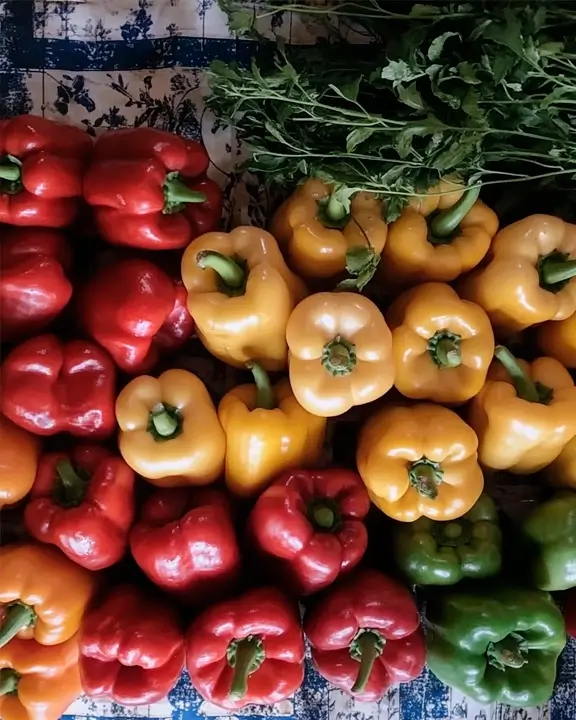
Bell Pepper (C. annuum): Sweet, crunchy, and vitamin-rich; the classic kitchen staple.
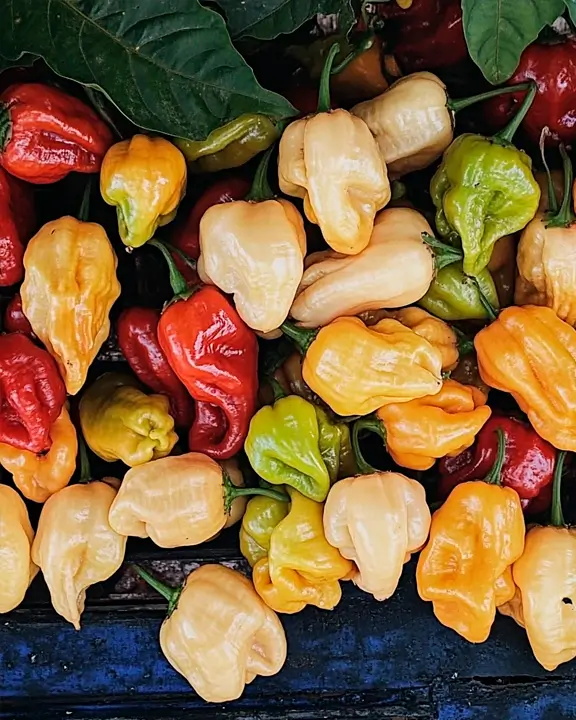
Habanero (C. chinense): Fiery and fruity, often used in Caribbean sauces.

Ají Amarillo (C. baccatum): A Peruvian favorite with golden color and tropical flavor.

Black Pearl: Ornamental stunner with dark foliage and glossy purple-to-red fruits.
Modern Pepper Uses: More Than Just Heat
Across five main species, thousands of varieties have been cultivated for flavor, color, spice—and even beauty. Whether roasted, raw, powdered, or ornamental, peppers have carved out a place in nearly every culture and cuisine.
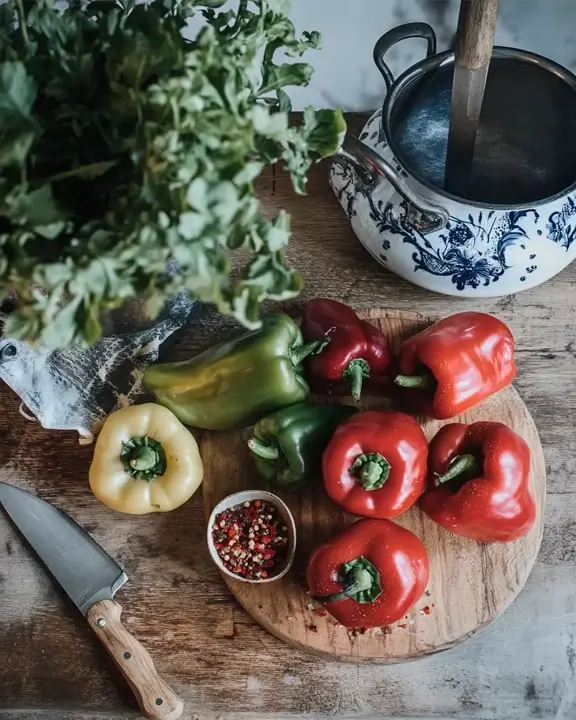
Culinary Use: From raw salads to fermented sauces, peppers are essential in global cuisine. Think Mexican moles, Thai curry pastes, or stuffed bell peppers.
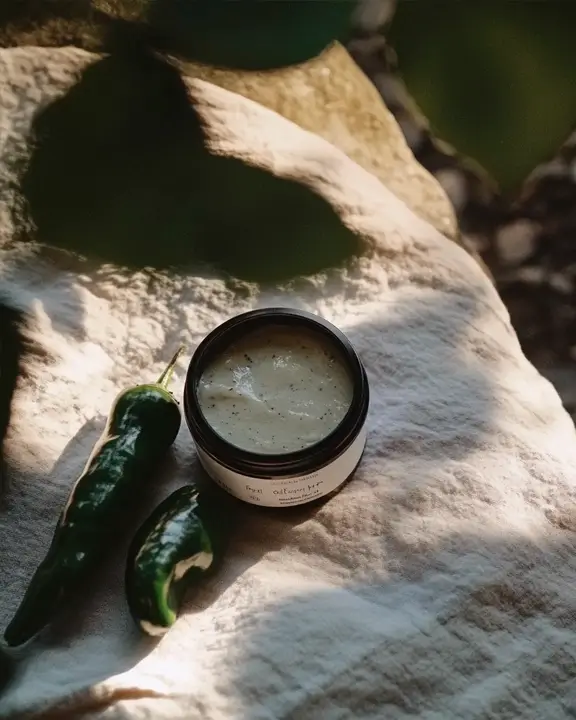
Cosmetic Use: Chili extracts appear in hair growth products and skin creams for their blood-stimulating effects—but handle with care!
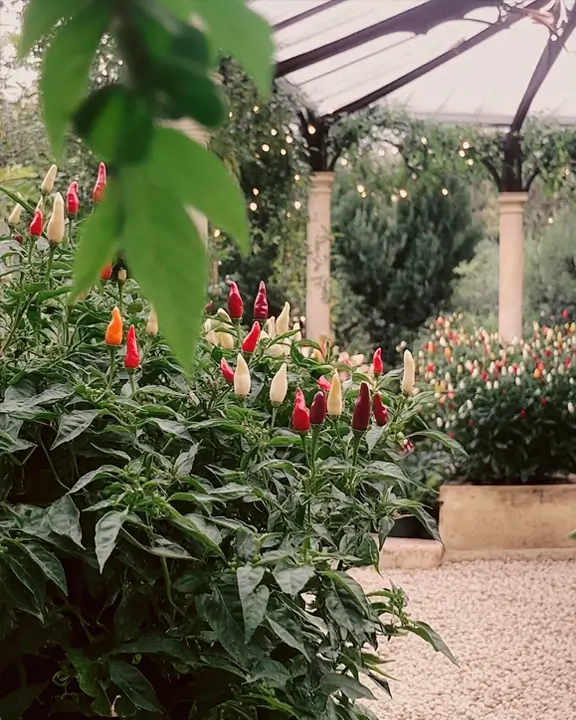
Ornamental Gardening: Varieties like Black Pearl or Bolivian Rainbow are grown for their vivid colors and decorative flair.

Sweet vs. Hot
One of the most striking things about peppers is their double identity. On one side, you’ve got the sweet varieties—like bell peppers, pimentos, or Italian fryers—offering crisp texture and mild, almost fruity flavors. No drama, just color and crunch. On the other side, the hot ones come in blazing: chili peppers with varying degrees of capsaicin, the fiery compound that makes your lips tingle and your heart race.
Their heat is measured on the Scoville Scale, from zero (bells) to millions of SHU for legendary types like Pepper X. Around the world, preferences vary—Hungarian paprika brings warmth without the burn, while Thai and Indian dishes thrive on intensity. Sweet or hot, mellow or bold, all peppers share a common flair: they never go unnoticed on the plate—or in our studio.
“Too much of anything is bad, but too much spice is never enough.”
When Peppers Speak: Ancient Symbols, Modern Stories
Universally, peppers speak the language of heat, life force, and resistance. Their vibrant energy and resilience in harsh conditions mirror the strength of the human spirit.
From the Aztecs burning chilies for purification, to Italian cornicellos as lucky charms, peppers symbolize:
-
Protection against evil
-
Fertility and vitality
-
Fiery passion and transformation
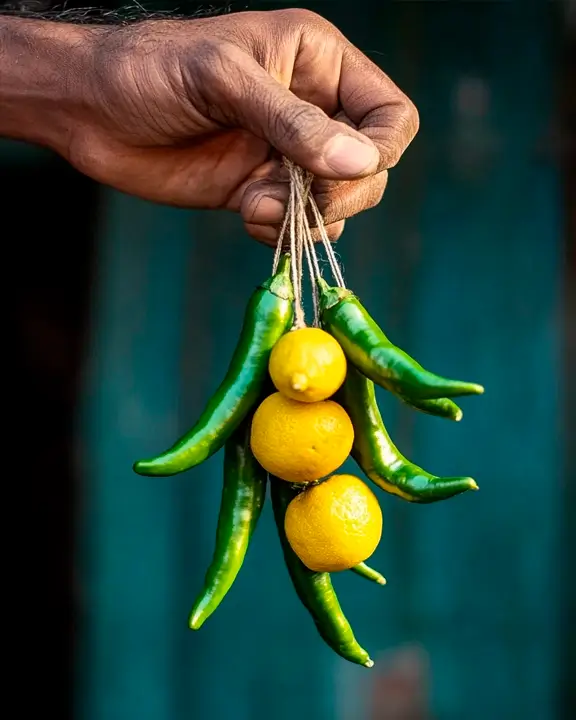
In India, lemons and chilies ward off the evil eye (“nimbu-mirchi” talisman). In New Mexico, hanging ristras represent welcome and abundance. In Haiti, chili is used in rituals as a vehicle of divine energy. In Brazilian Candomblé, peppers are part of sacred offerings.
The Pepper in Art: A Quiet Muse
From Arcimboldo’s Renaissance portraits to Edward Weston’s Pepper No. 30, the pepper has been immortalized in art.
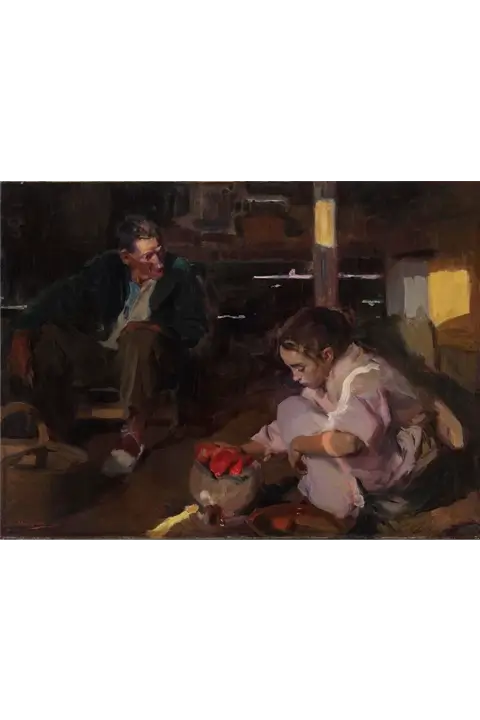
Peppers (1903) – Joaquín Sorolla

Red Peppers (1915) – Félix Vallotton
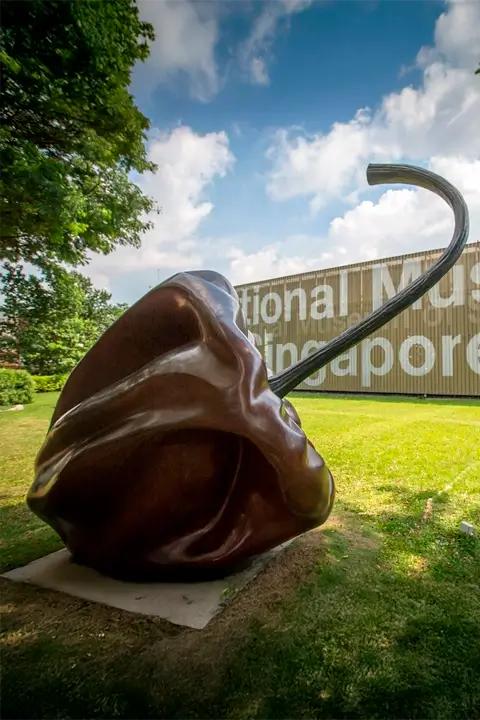
Pedas-Pedas (2006) – Kumari Nahappan
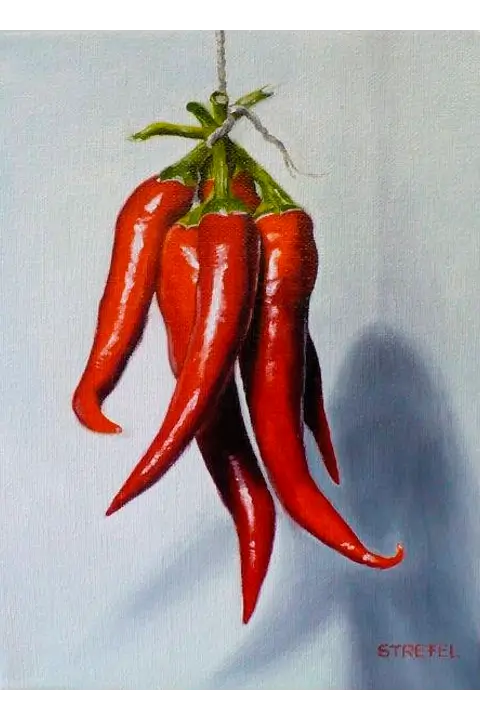
Hot Peppers – Lillemut
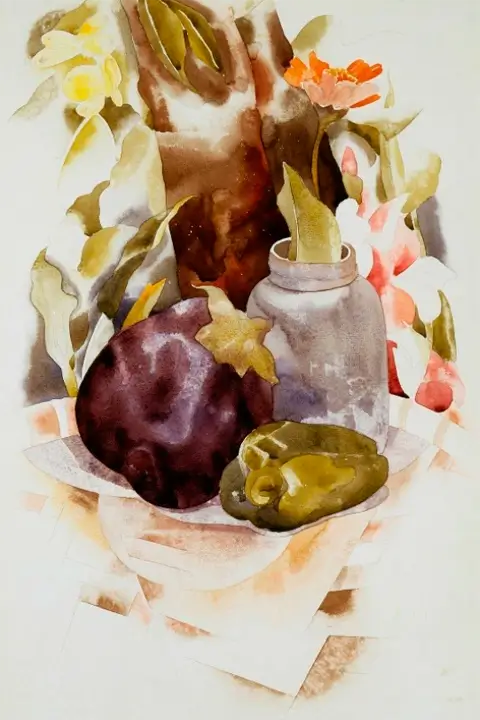
Eggplant and Green Pepper (1925) – Charles Demuth
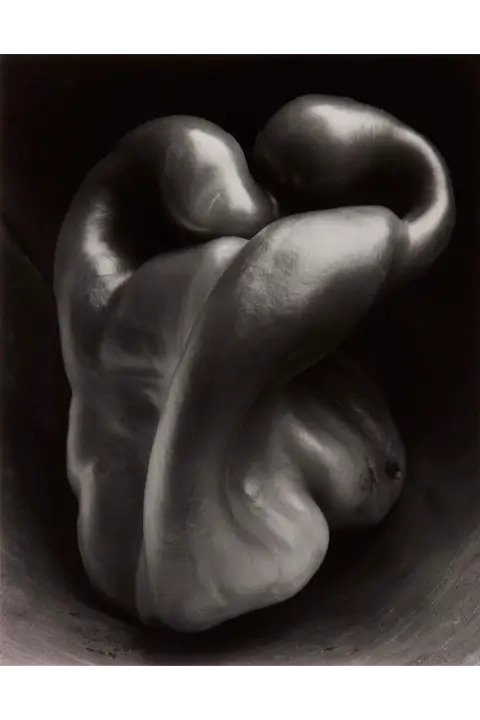
“Pepper No. 30” – Edward Weston (1930)
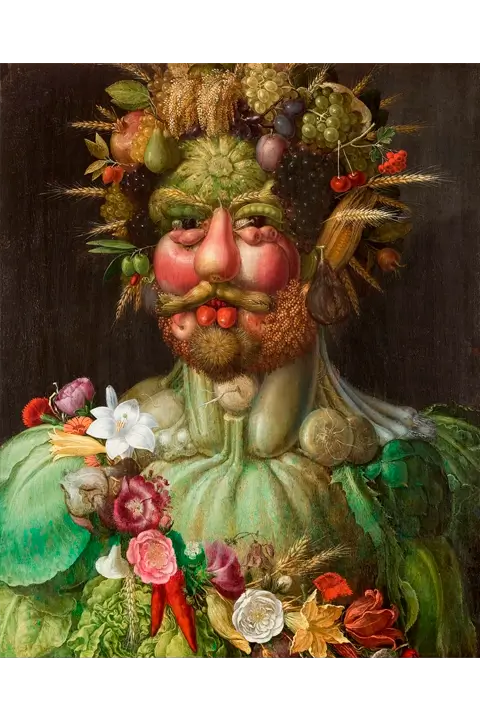
“Vertumnus” – Giuseppe Arcimboldo (1591)
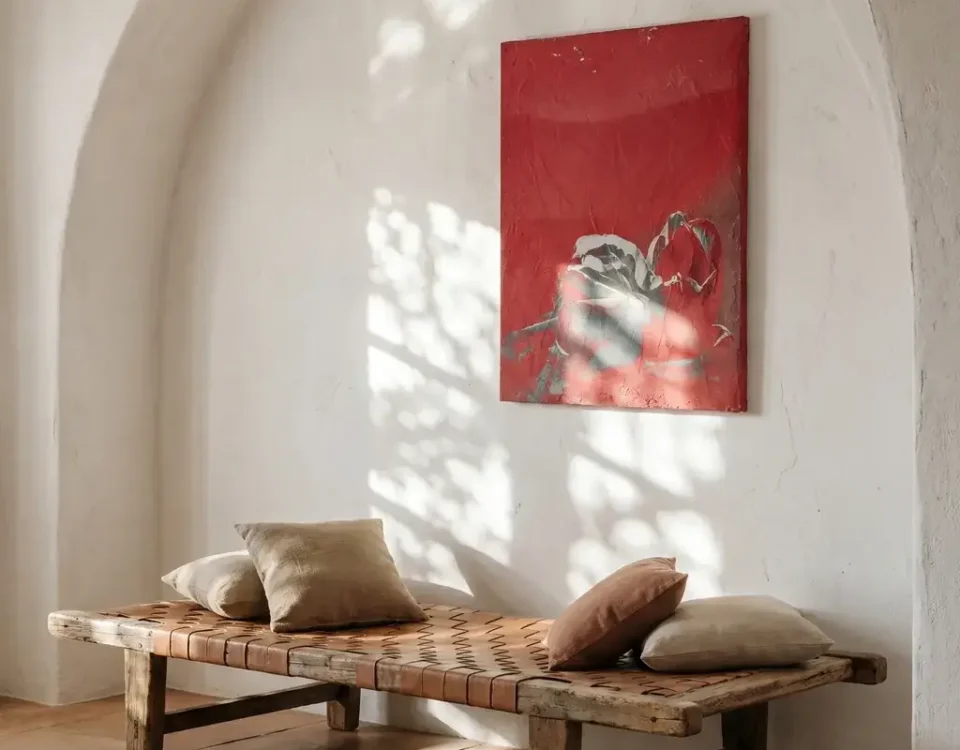
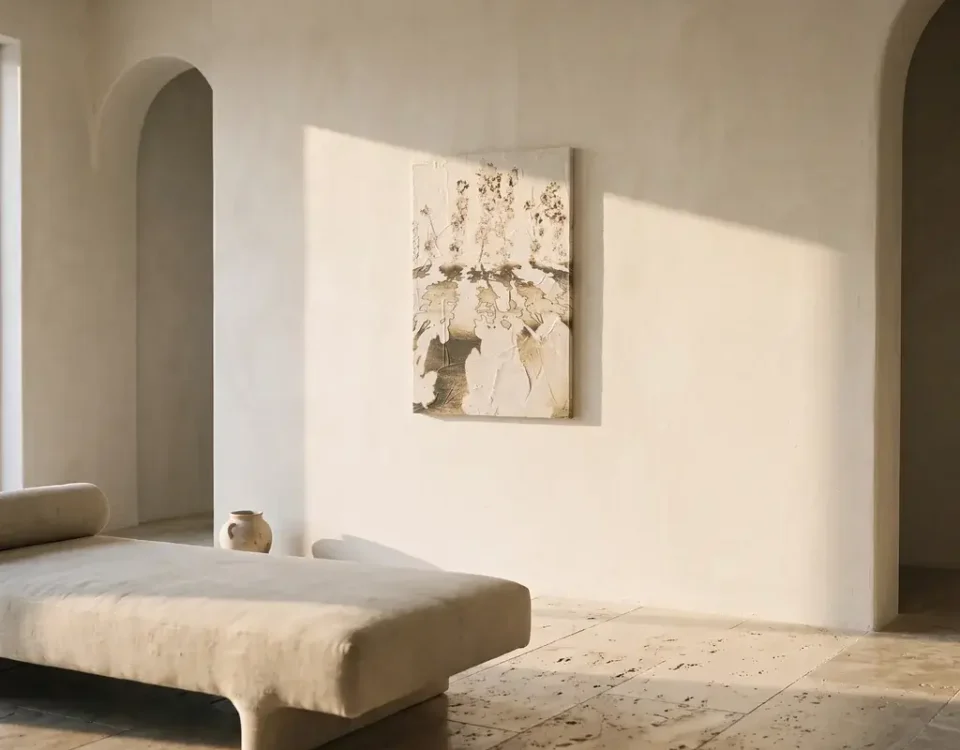
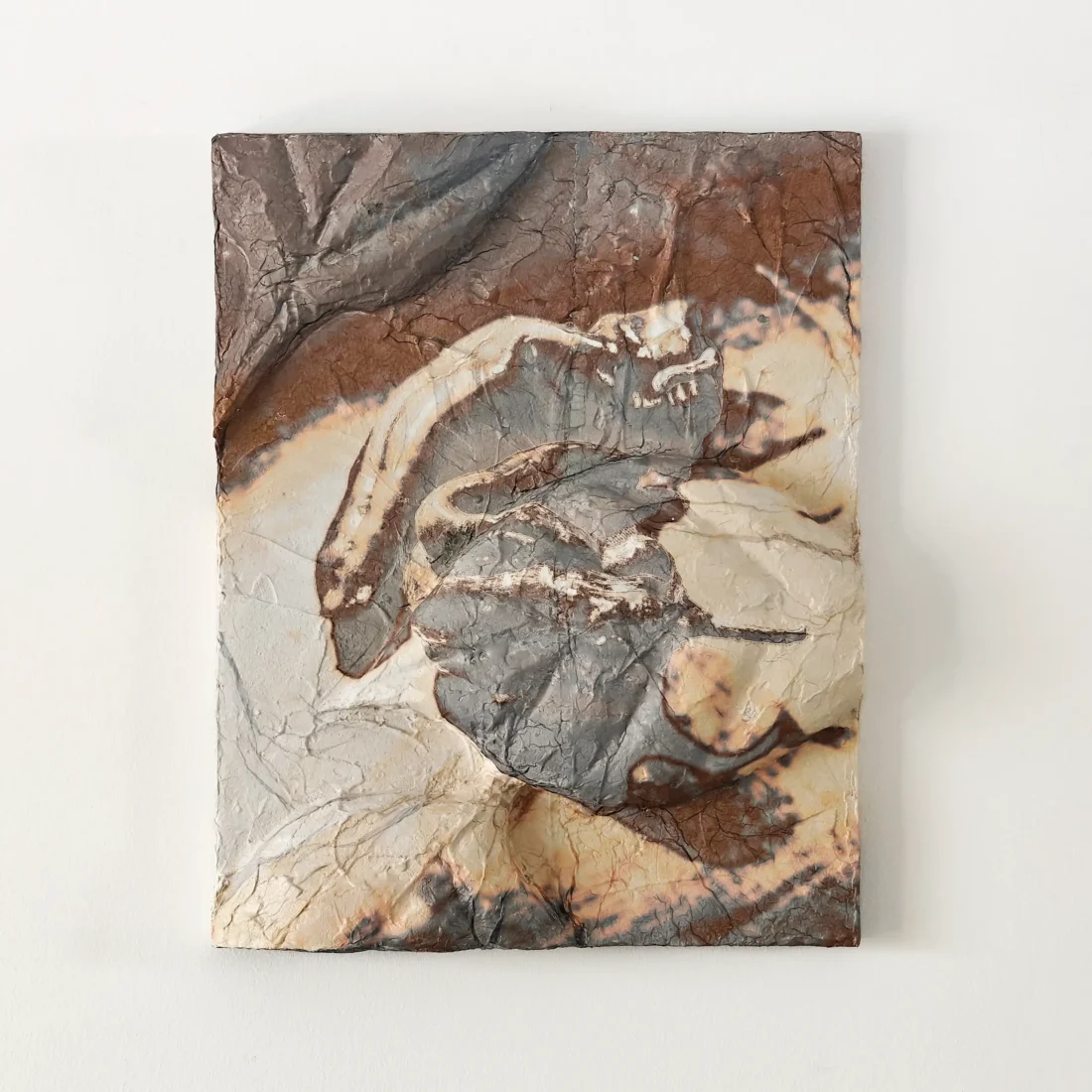
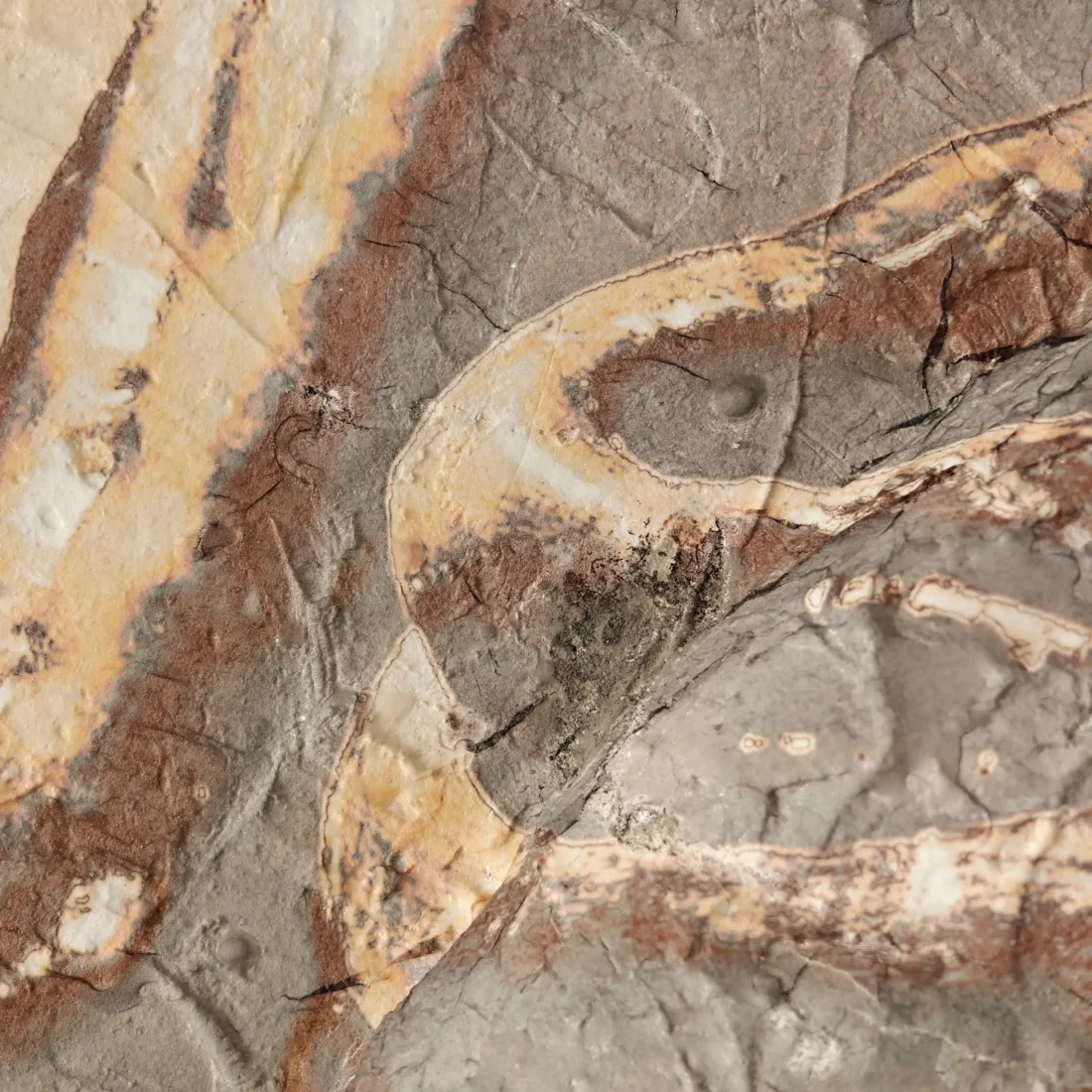
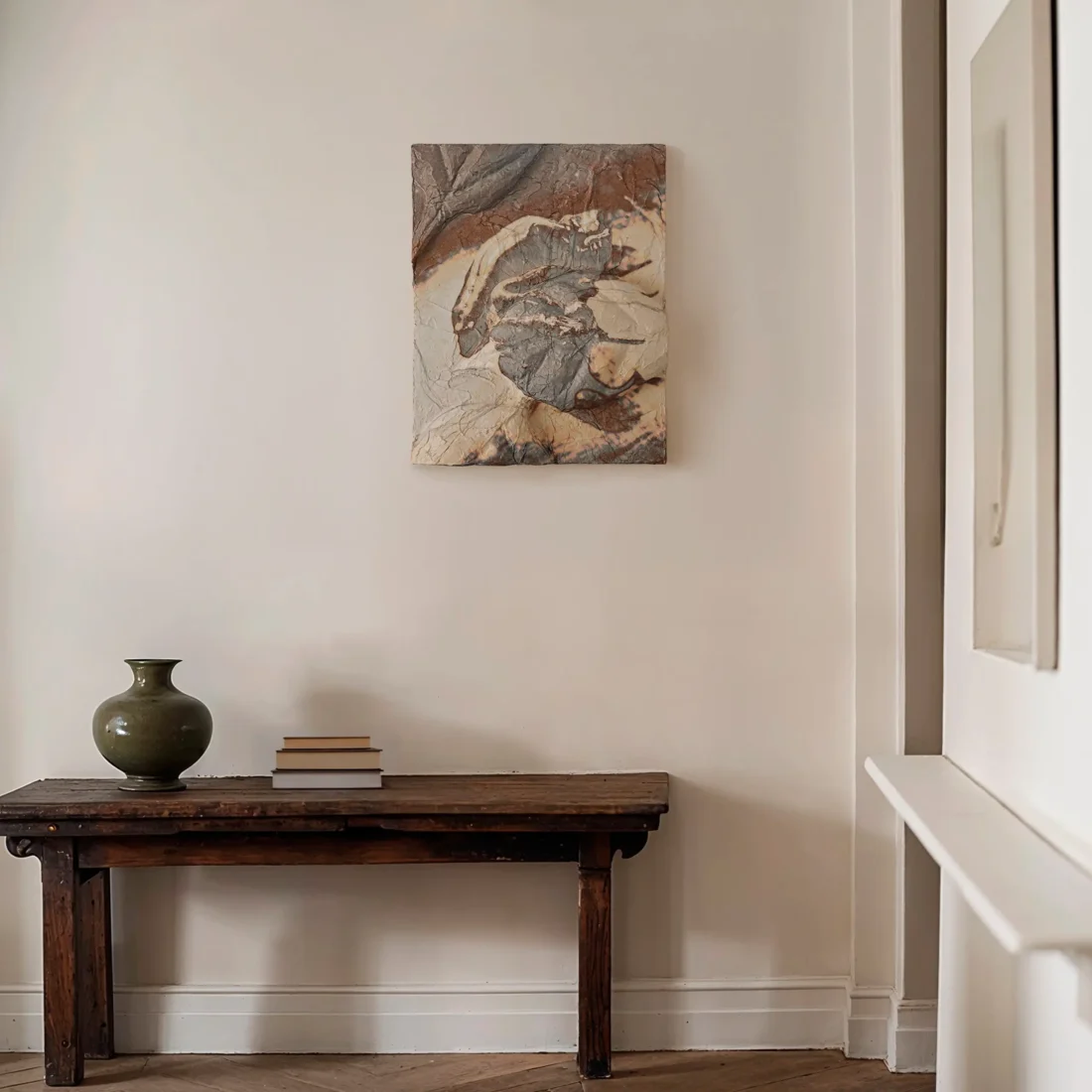
We’re proud to continue this lineage at COBELIO, photographing peppers in sculptural light and casting their curves into photo-reliefs on plaster. Each piece, textured and voluminous, invites you to rediscover what’s familiar through an abstract lens. Explore our pepper artworks in our contemporary art shop, where the pepper becomes wall-worthy.
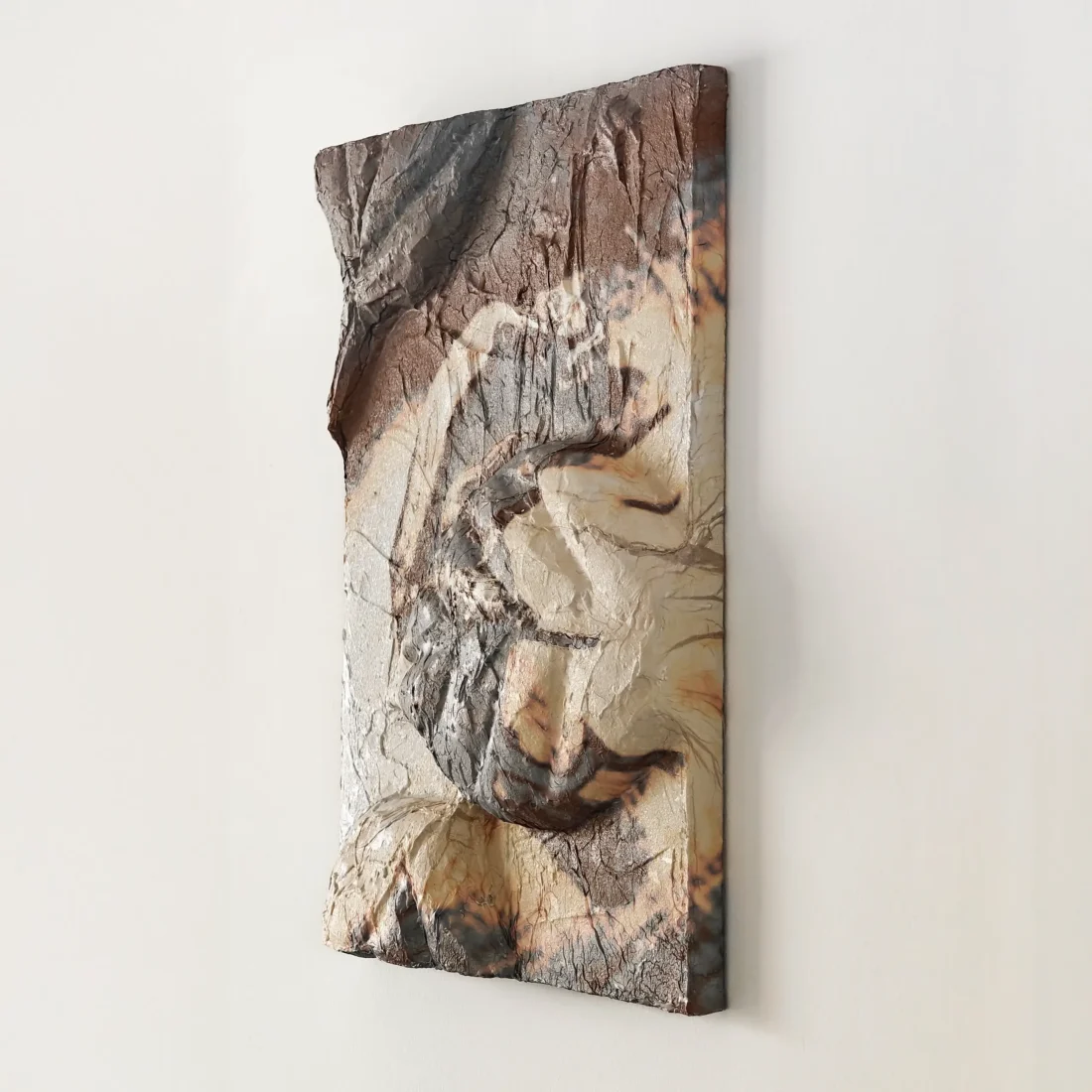
“Don’t trust the chili if you haven’t tasted it.”
Famous Pepper Fans

Wilbur Scoville: An American pharmacist who developed the Scoville Heat Scale in 1912—a method still used today to rank chili heat levels in SHU (Scoville Heat Units).
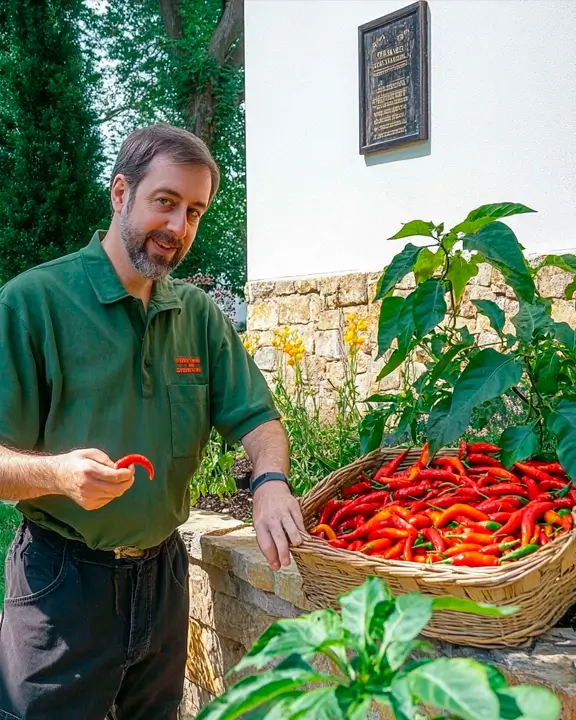
Smokin’ Ed Currie: A legendary pepper breeder and founder of the Puckerbutt Pepper Company, known for creating the Carolina Reaper and Pepper X—the latter officially the hottest chili on Earth as of 2023.

Red Hot Chili Peppers: The name says it all. This Rock & Roll Hall of Fame band harnessed the fiery symbolism of the pepper in their sound and spirit—spicy, bold, unforgettable.
Experience the Pepper – Your Way
📚 For book enthusiasts
Let your imagination simmer with Like Water for Chocolate, The House of the Spirits, or Chili Pepper: A Global History.
🎬 For cinema fans
Spice up your screen time with Chocolat, Como Agua Para Chocolate, or Bourdain’s chili-infused journeys. Or the Netflix series “Heat” (exploring spicy foods worldwide)
🍴 For foodies
Explore the pepper’s palate at Pujol (Mexico City), which incorporates native chillies in high-end Mexican dishes, or Gaggan Anand (Bangkok) — Michelin stars with heat. These experiences will delight your palate and show just how gourmet peppers can be.
🖼️ For art admirers
Find sculptural beauty in Weston’s MoMA work, or explore local art galleries for contemporary still-life paintings or photographs of food; you might find modern artists who, like Georgia O’Keeffe did with flowers, have created sensuous close-ups of chili peppers and other produce. And of course check our textured pepper reliefs on COBELIO!
🌍 For travelers
Taste tradition at Hatch Chile Festival (USA), Espelette Festival (France), or India’s Guntur chili markets. Other hotspots: head to Calabria, Italy for the Peperoncino Festival in Diamante; explore Oaxaca’s chili markets bursting with dried varietals; marvel at the World’s Largest Chile sculpture in Las Cruces. In China’s Sichuan and Hunan provinces, you'll find entire museums and monuments dedicated to chili culture. Wherever you go, peppers will surprise you!
🌱 For eco activists
Consider supporting or volunteering with projects like the WWF’s Malaysian Borneo pepper initiative, where indigenous communities are trained in organic pepper farming that protects rainforests and wildlife. Another impactful action: advocate for sustainable sourcing of spices. For instance, much black pepper (the Piper nigrum spice) farming can cause deforestation in parts of Southeast Asia. By choosing sustainably farmed pepper and chili products, you support eco-friendly practices. Also, promoting the use of natural pest deterrents (like chili sprays) in lieu of chemical pesticides can be part of an eco-activist agenda
From Nature to Canvas
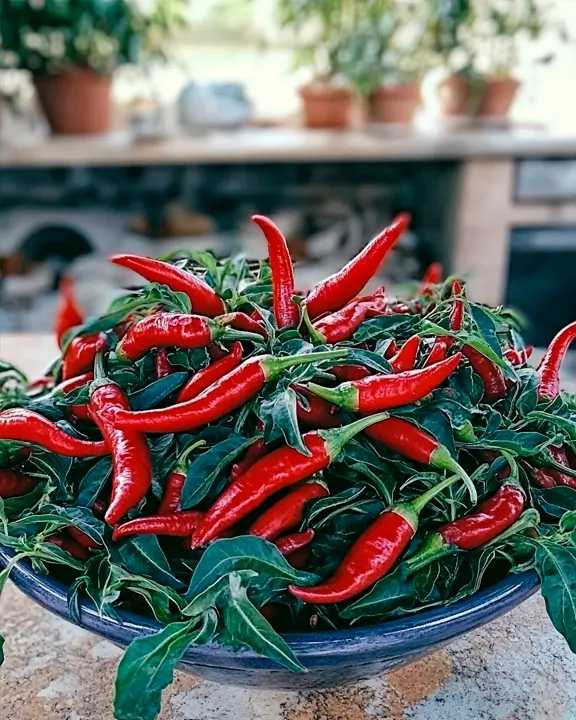
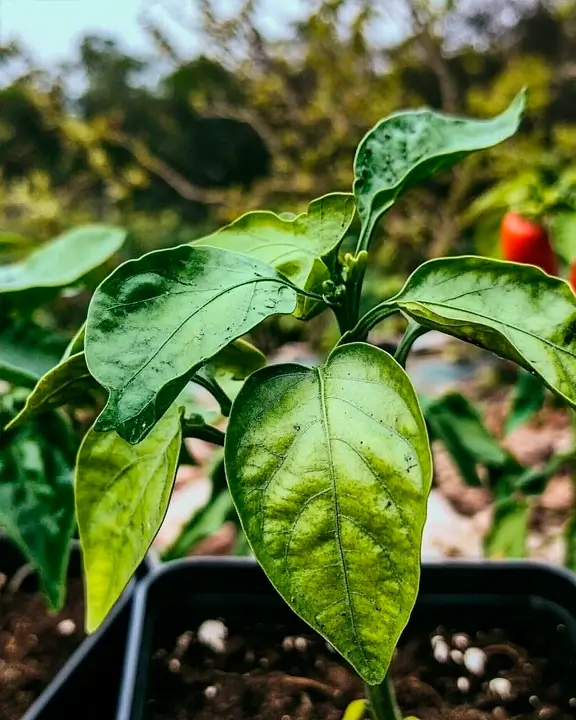
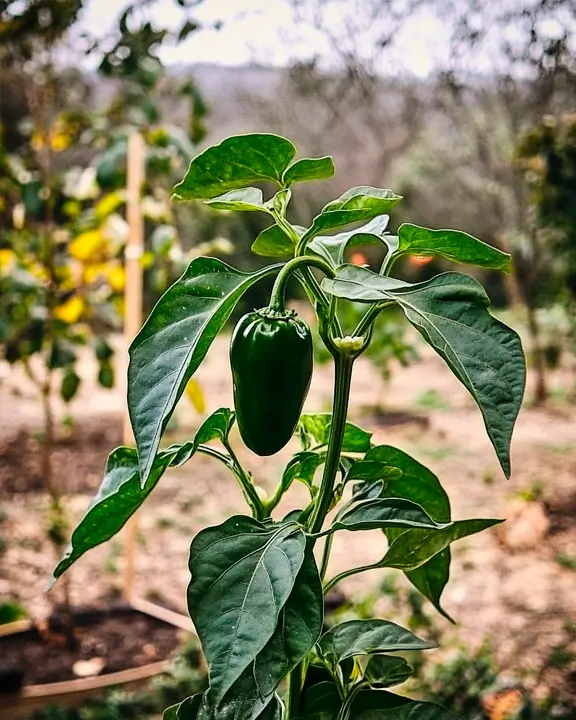
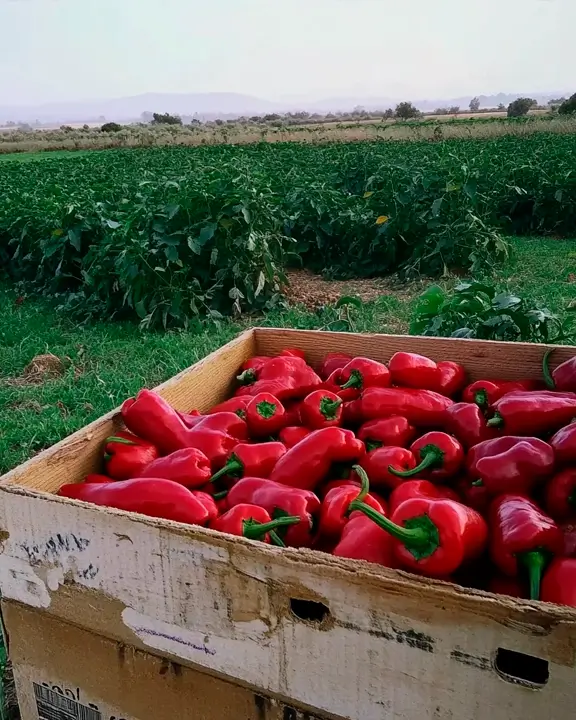
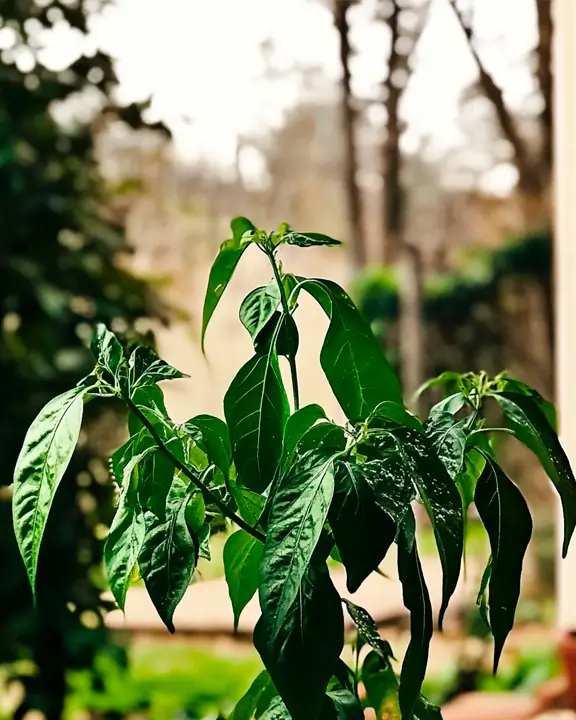
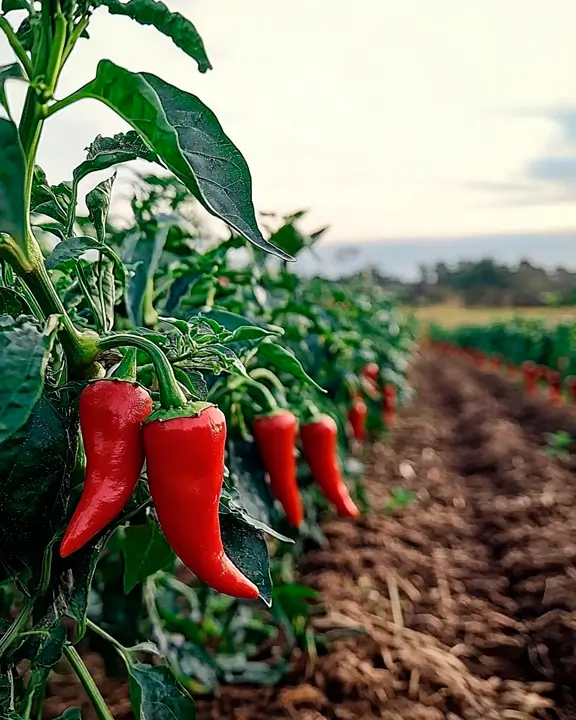
To us, peppers are more than food—they’re sculptures gifted by nature. Their curves and tension, their shadows and gleam, inspire our spackle artworks and textured wall compositions. From our urban garden —where we’ve grown peppers from seed for years and even use them to make chili oil and sauces!— to the plaster molds in our studio, each pepper we grow becomes an abstract tribute to the planet’s beauty.
Explore our exclusive pepper-inspired creations at COBELIO’s online gallery. Let art reconnect you with what nature has quietly been showing us all along: beauty lies in boldness, in spice, in form—and in the unexpected.