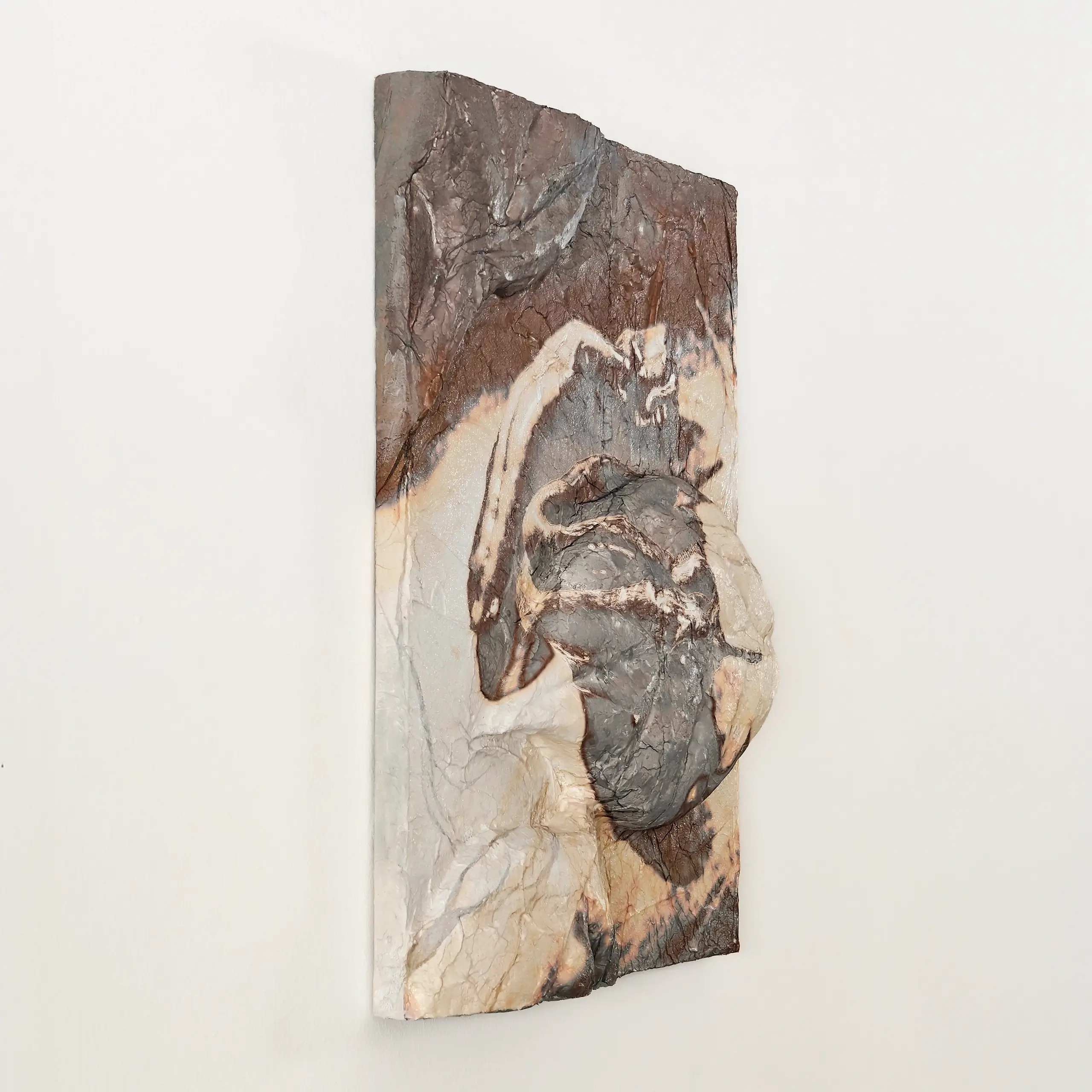





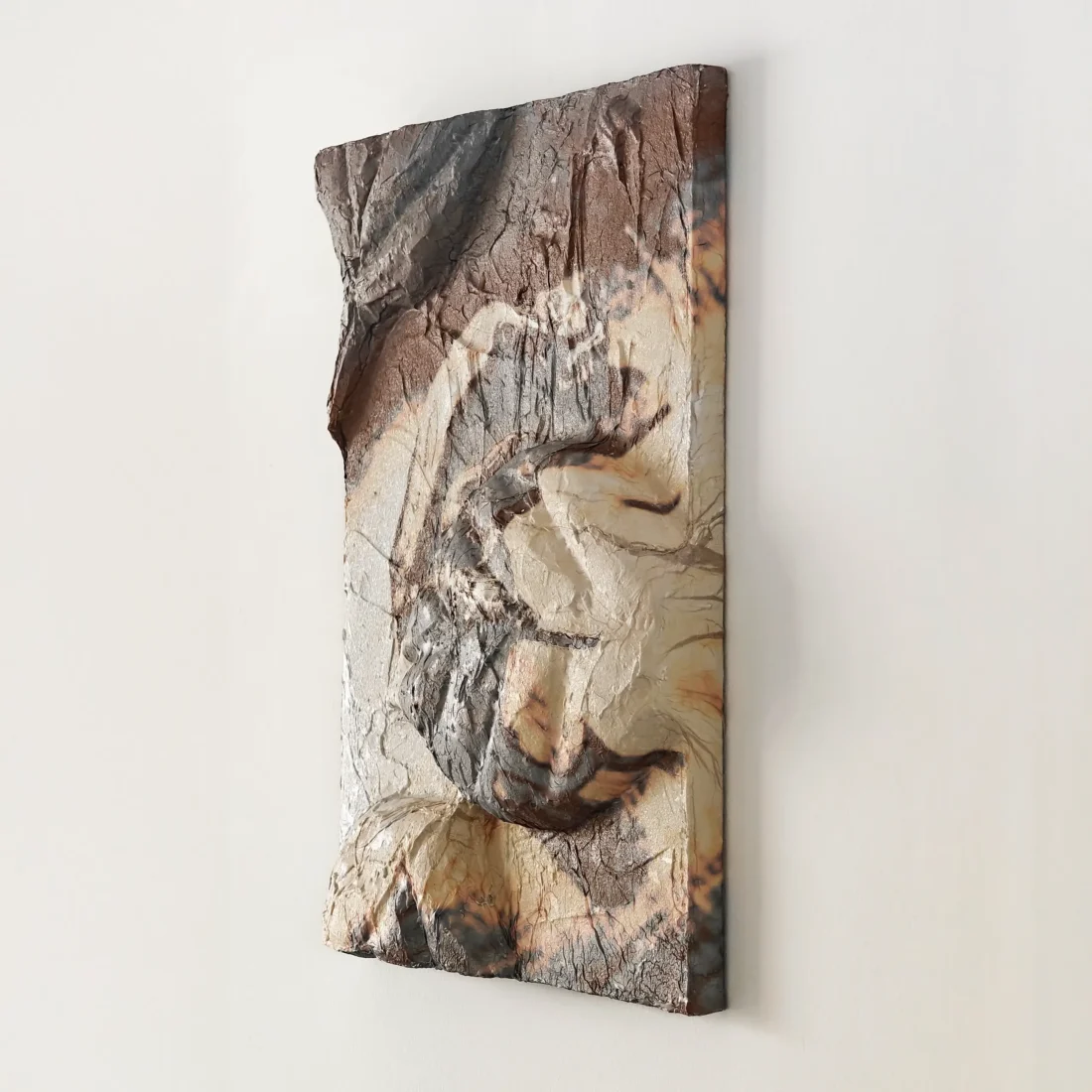
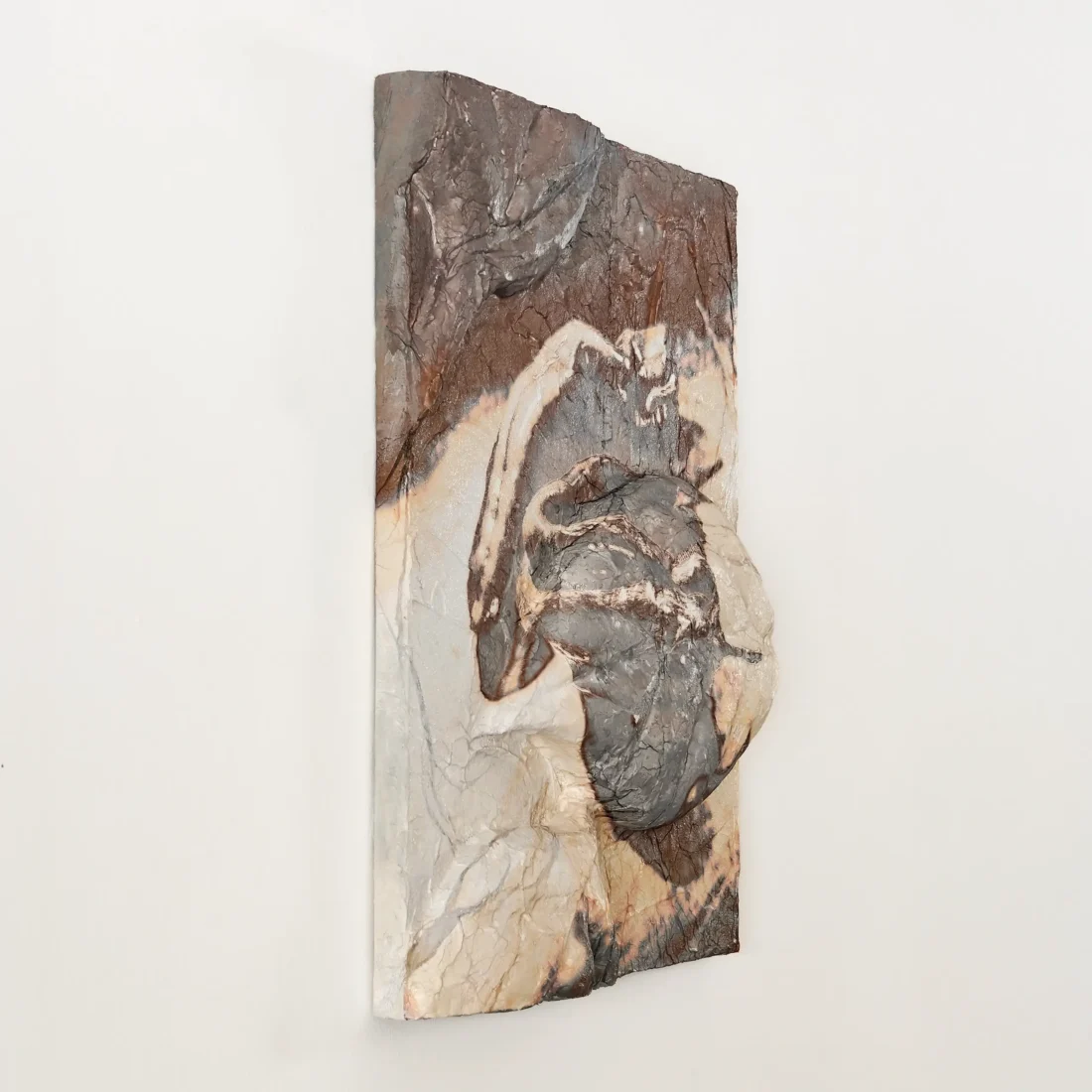
PEPPER I. A Casual Conversation
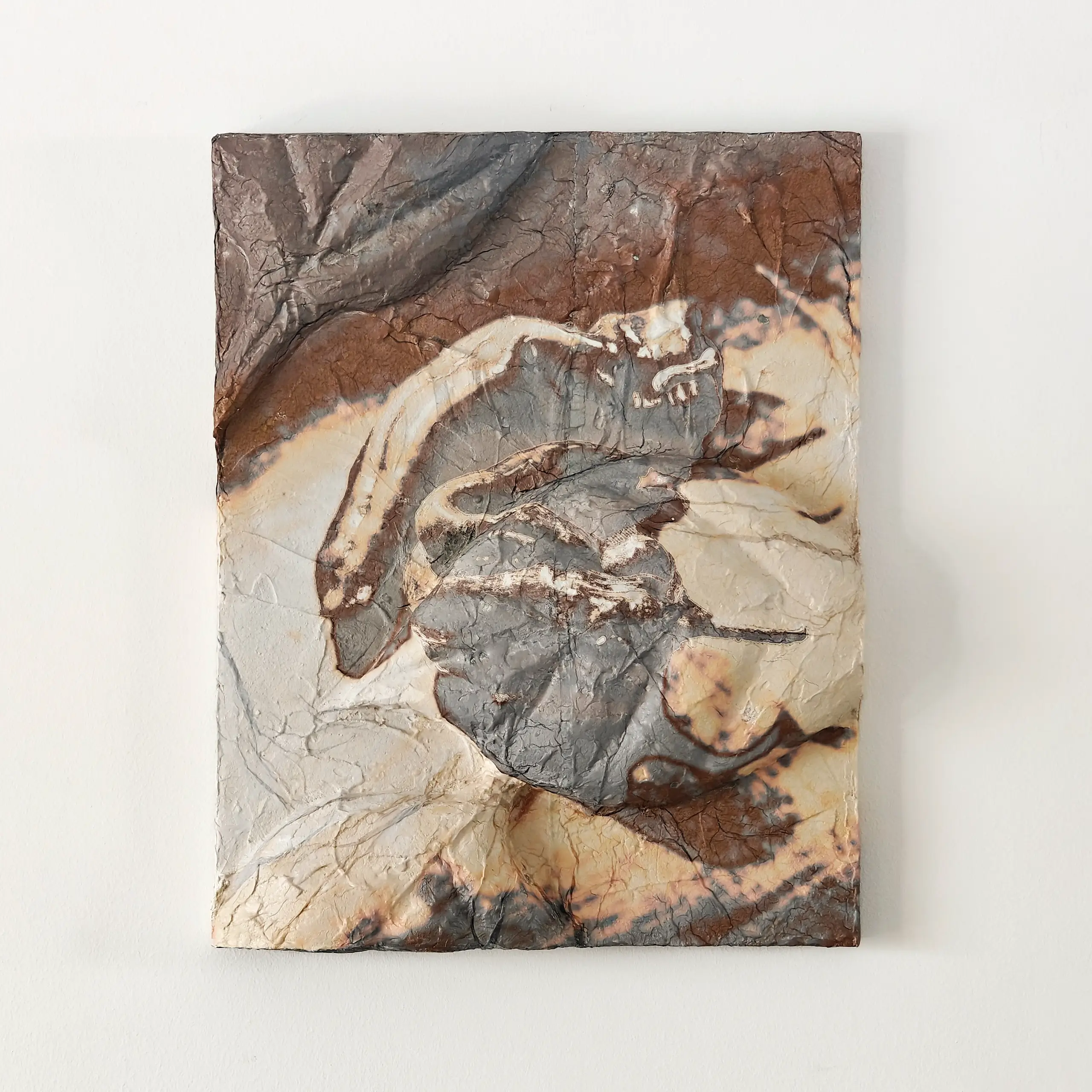
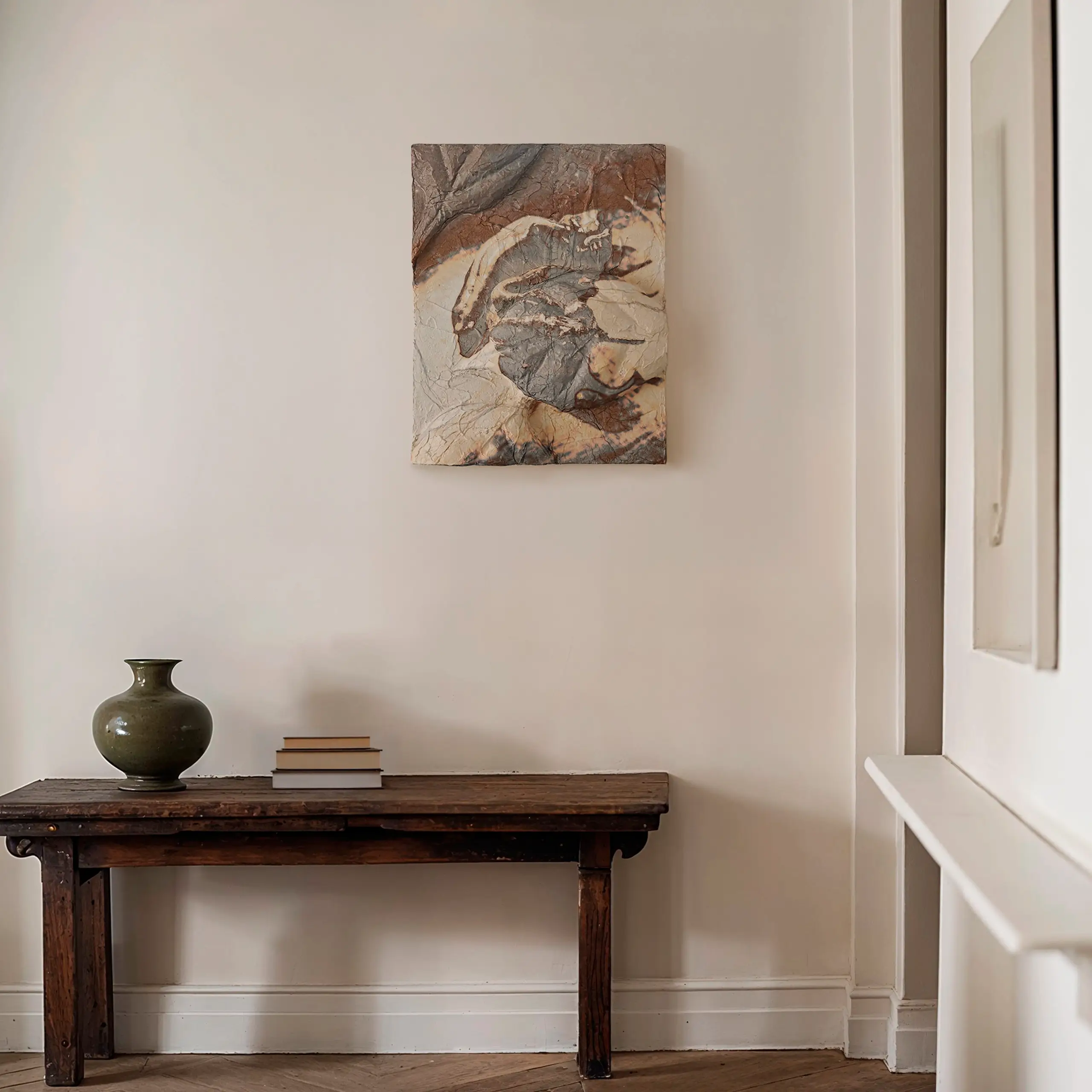
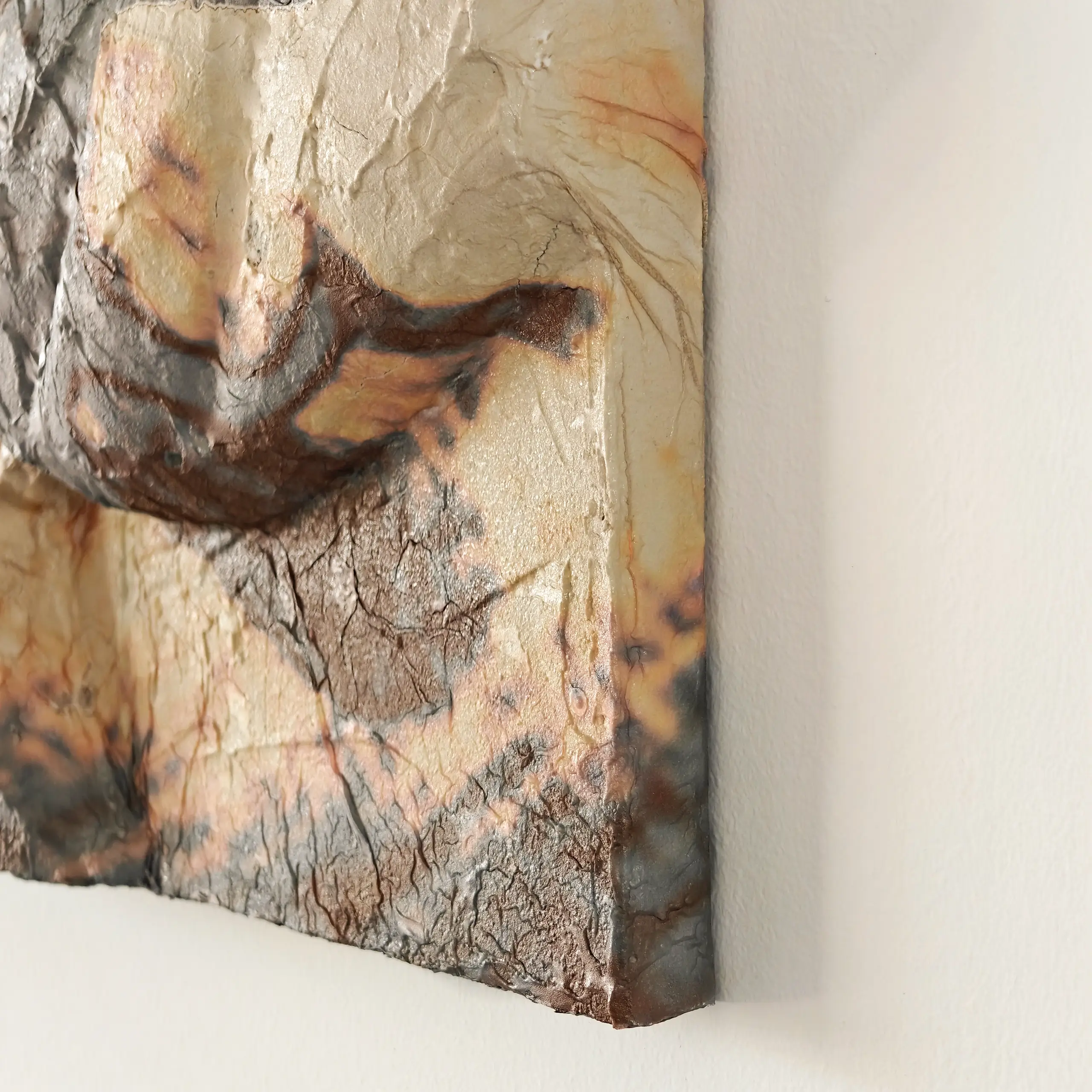
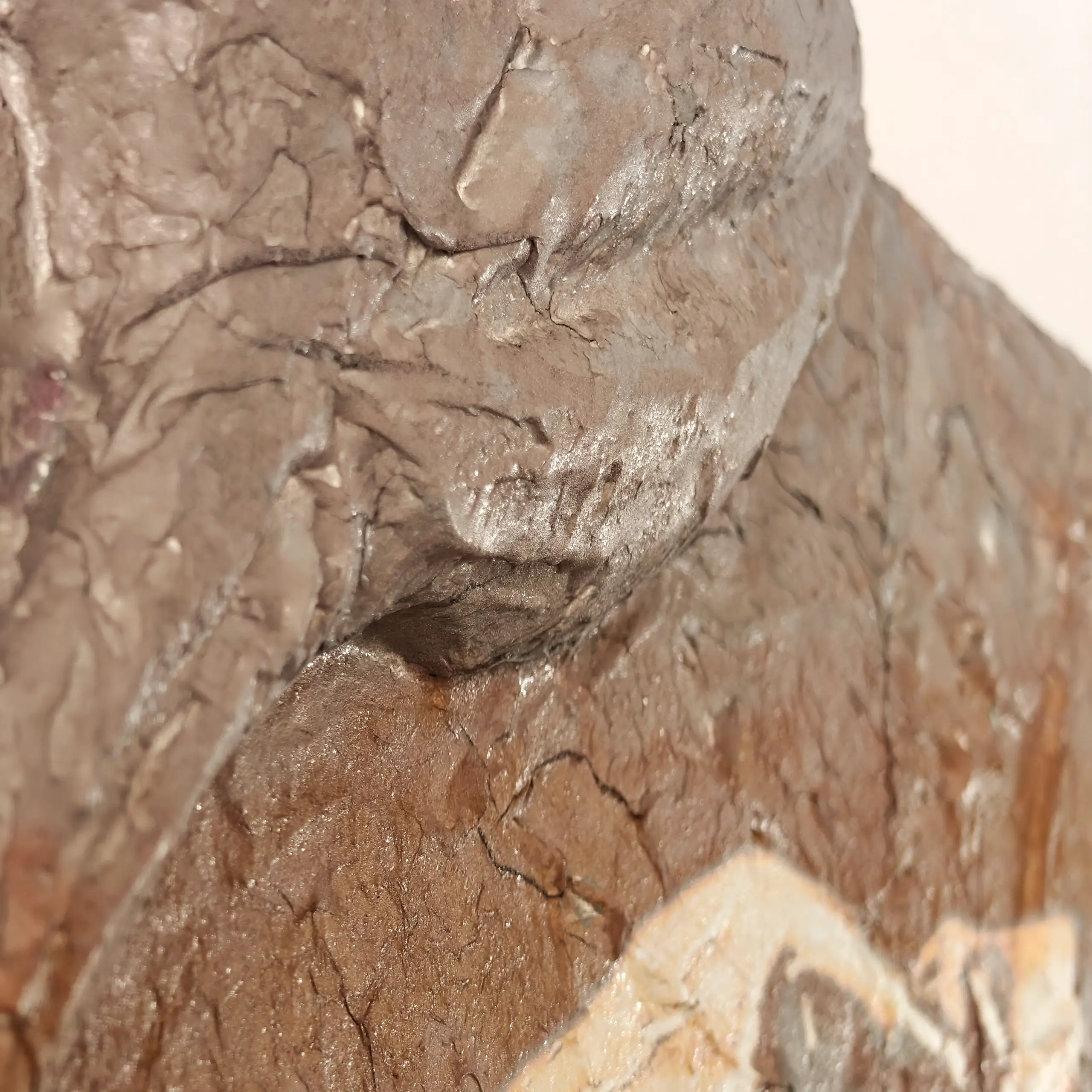
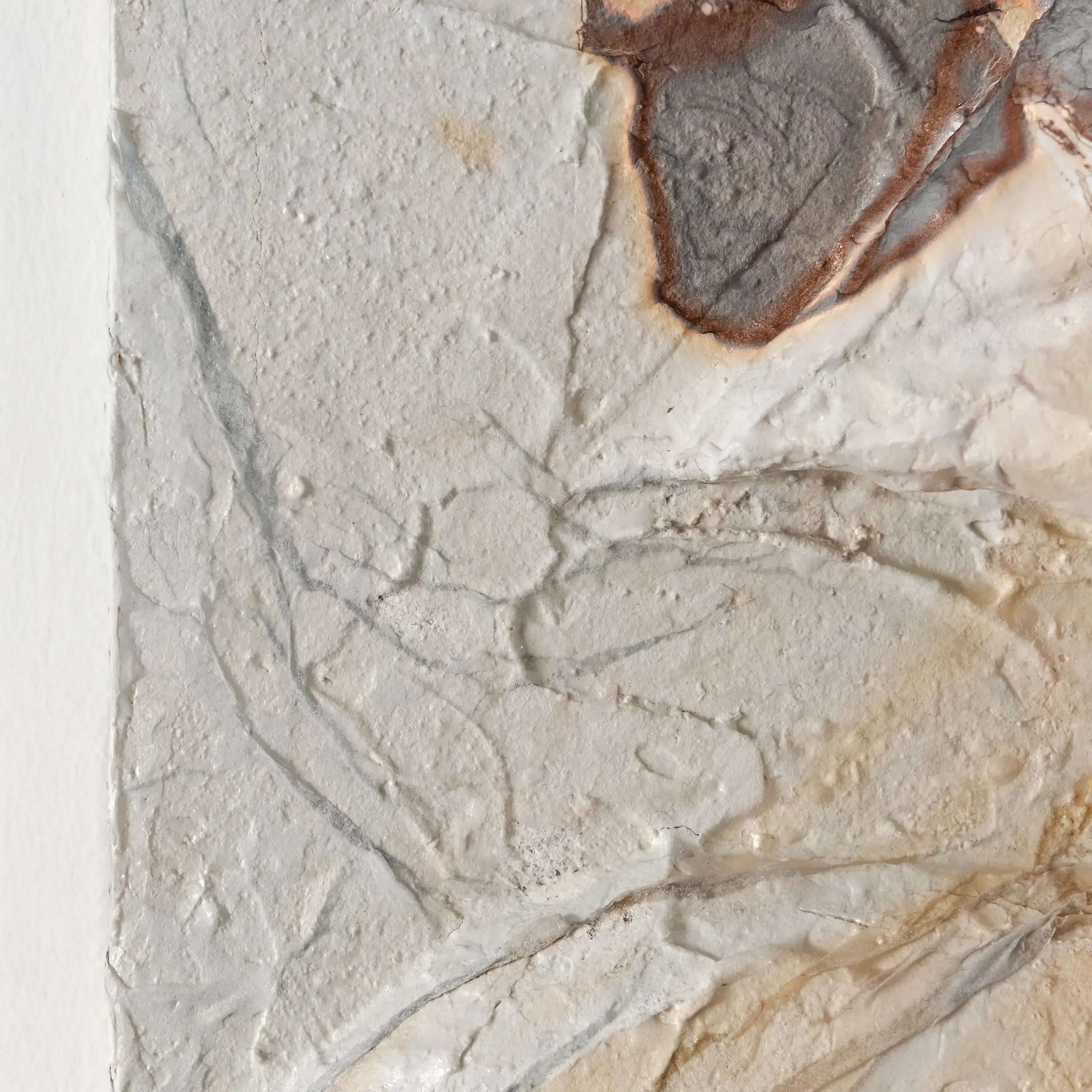
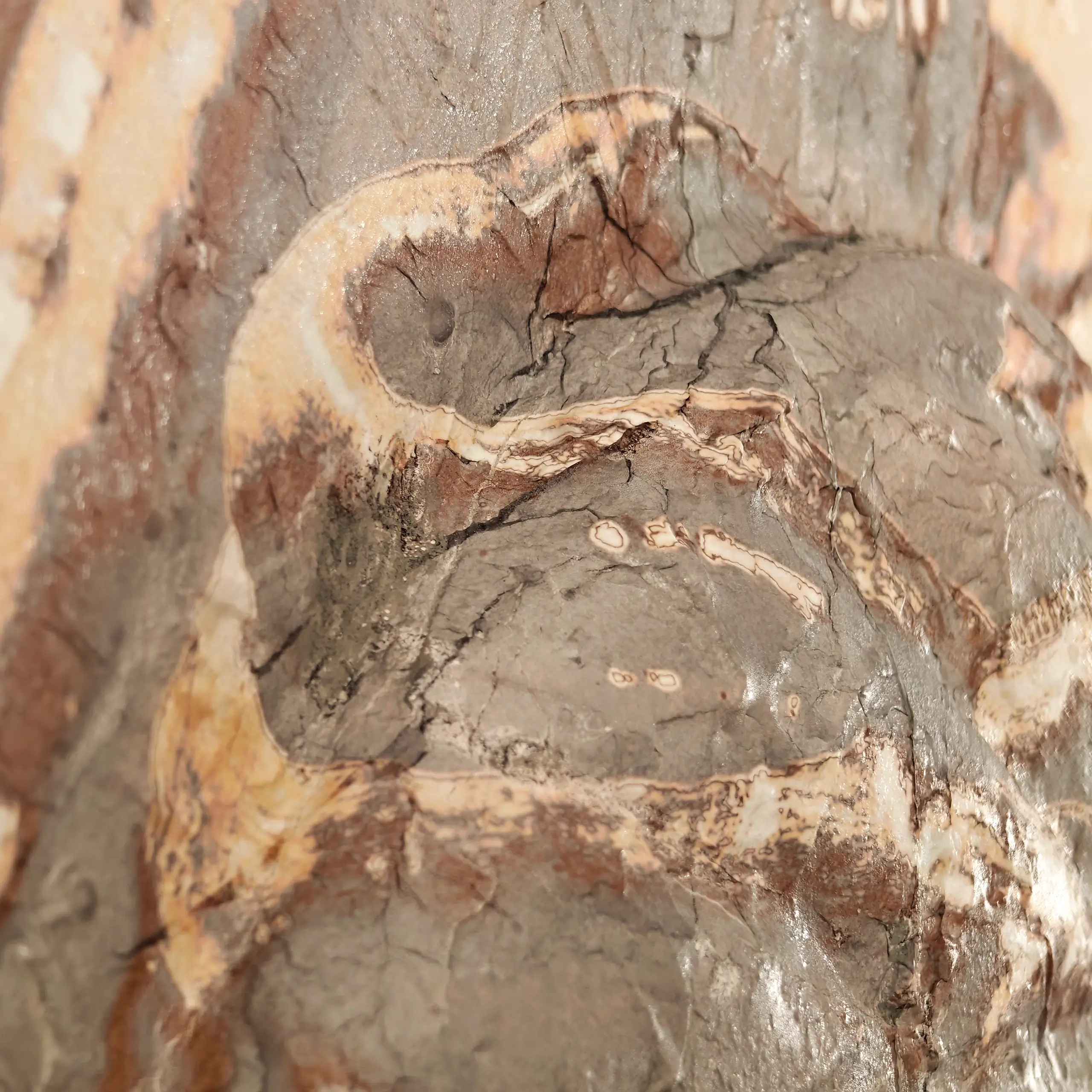
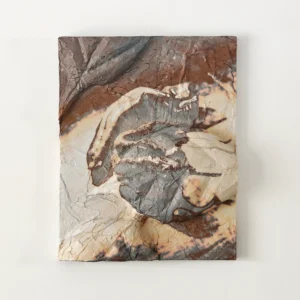
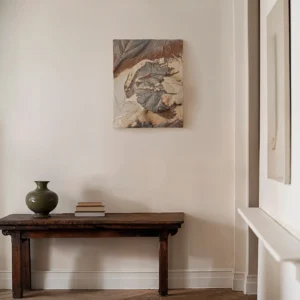
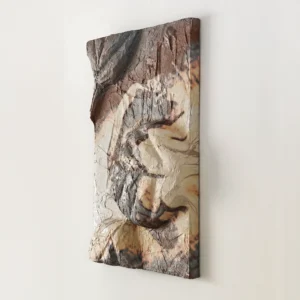
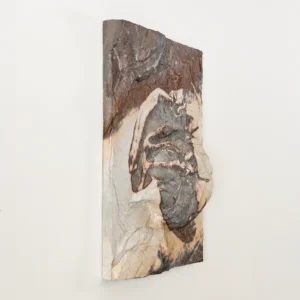
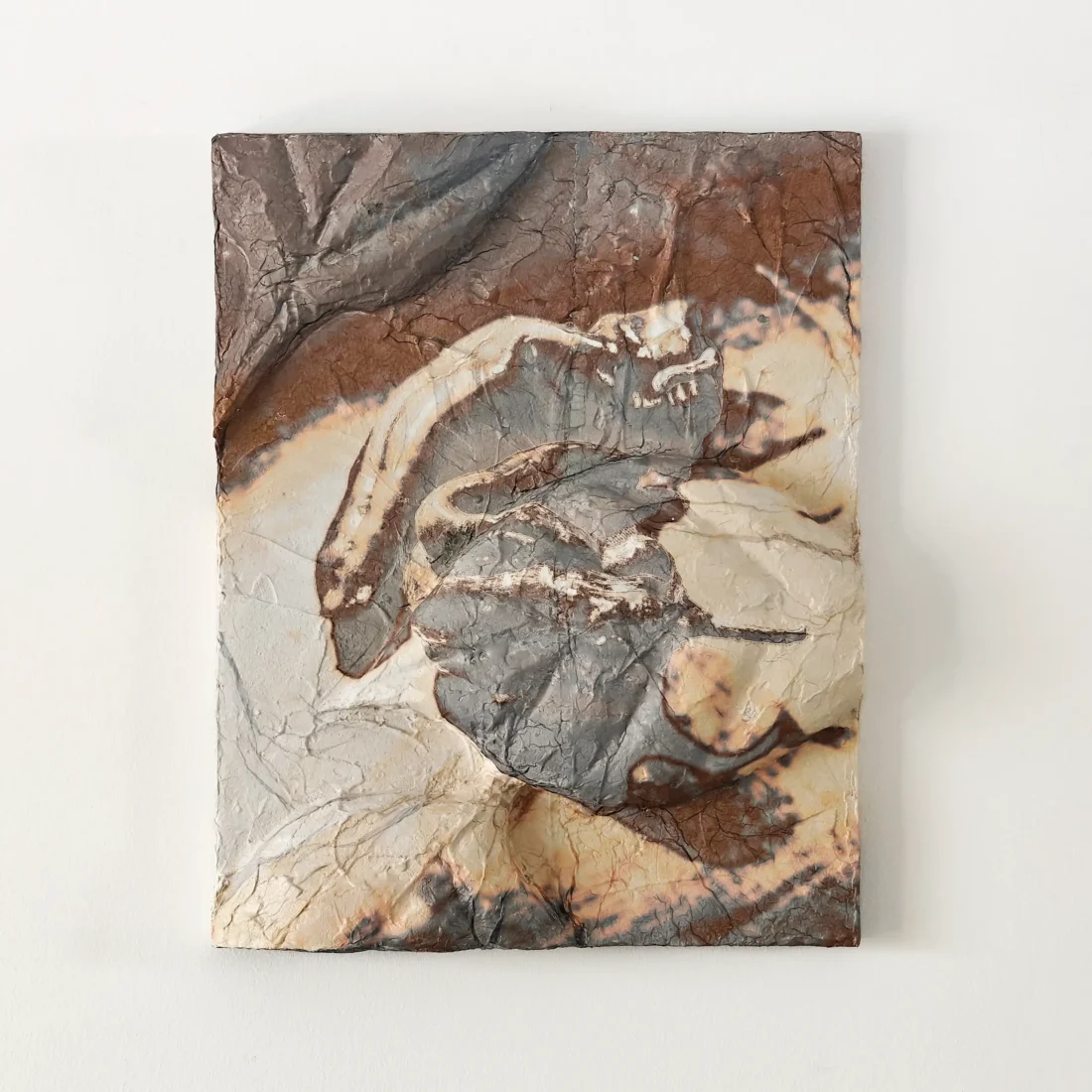
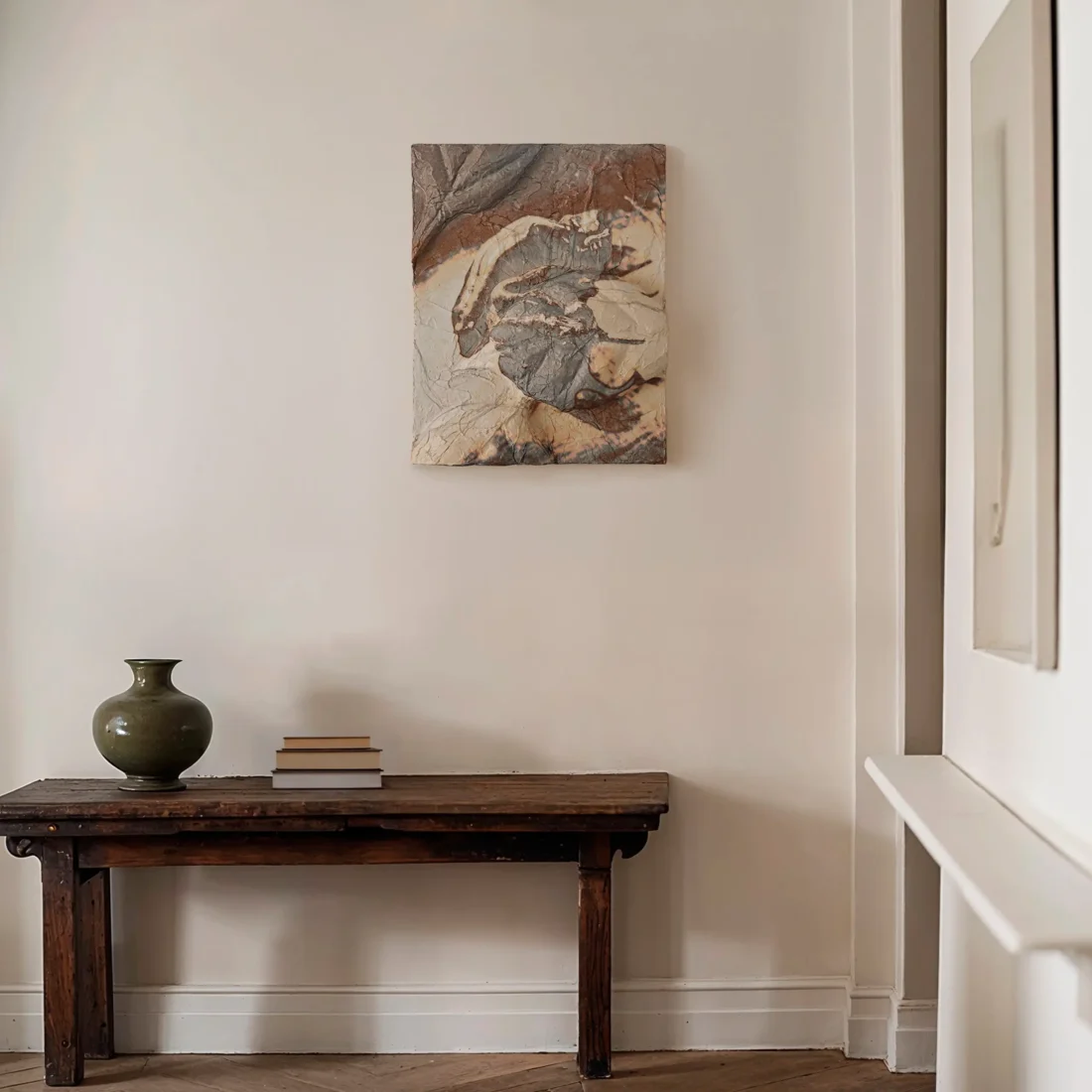
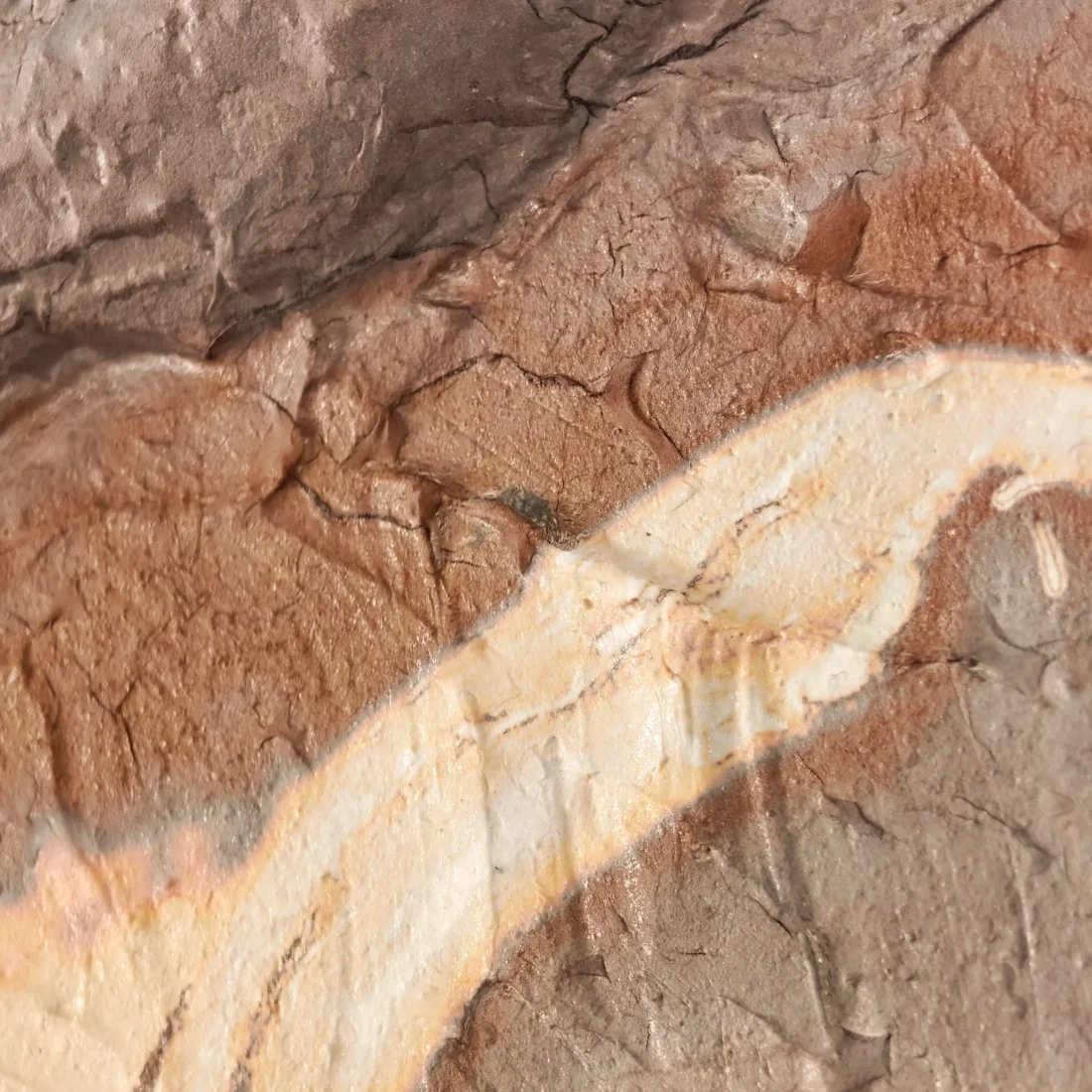
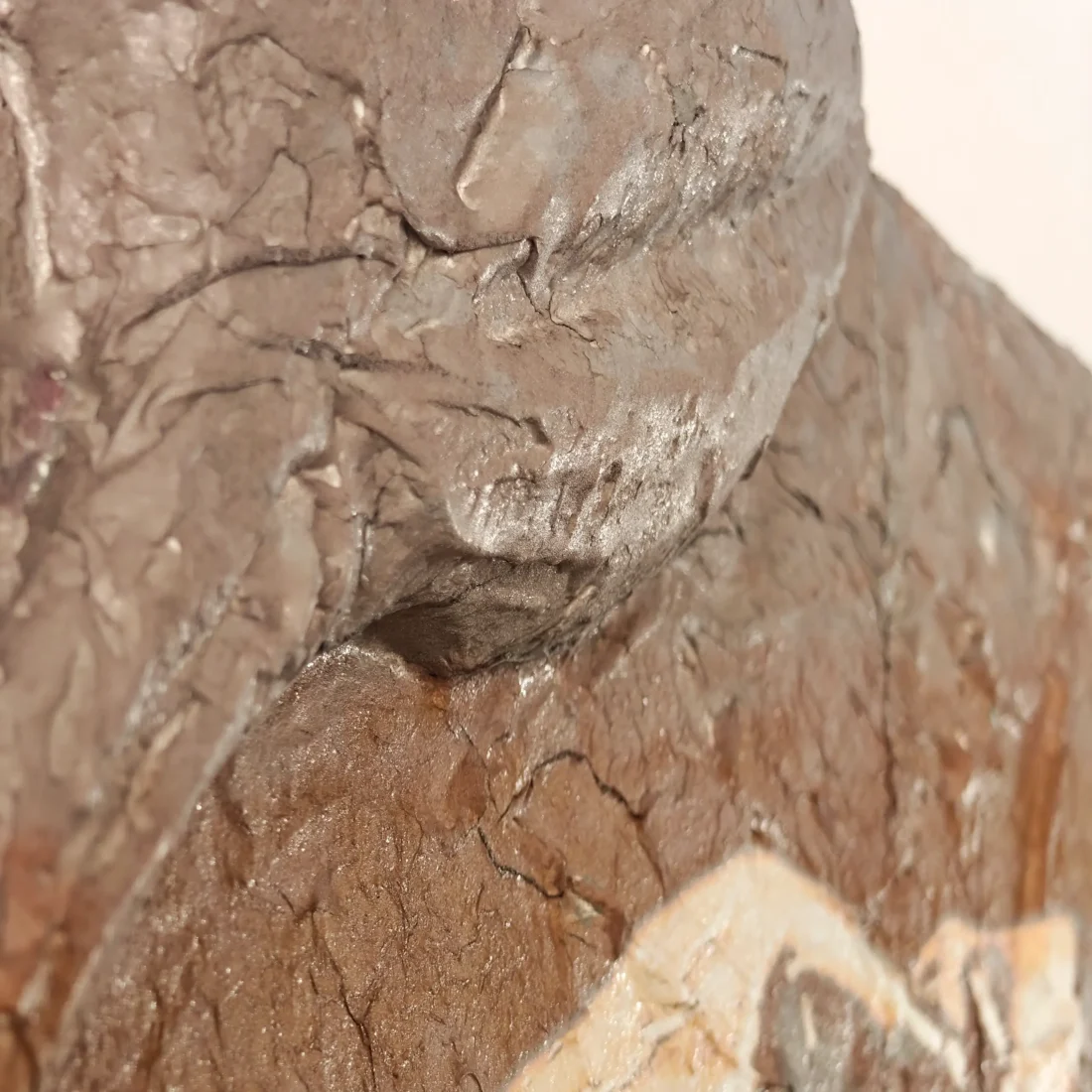
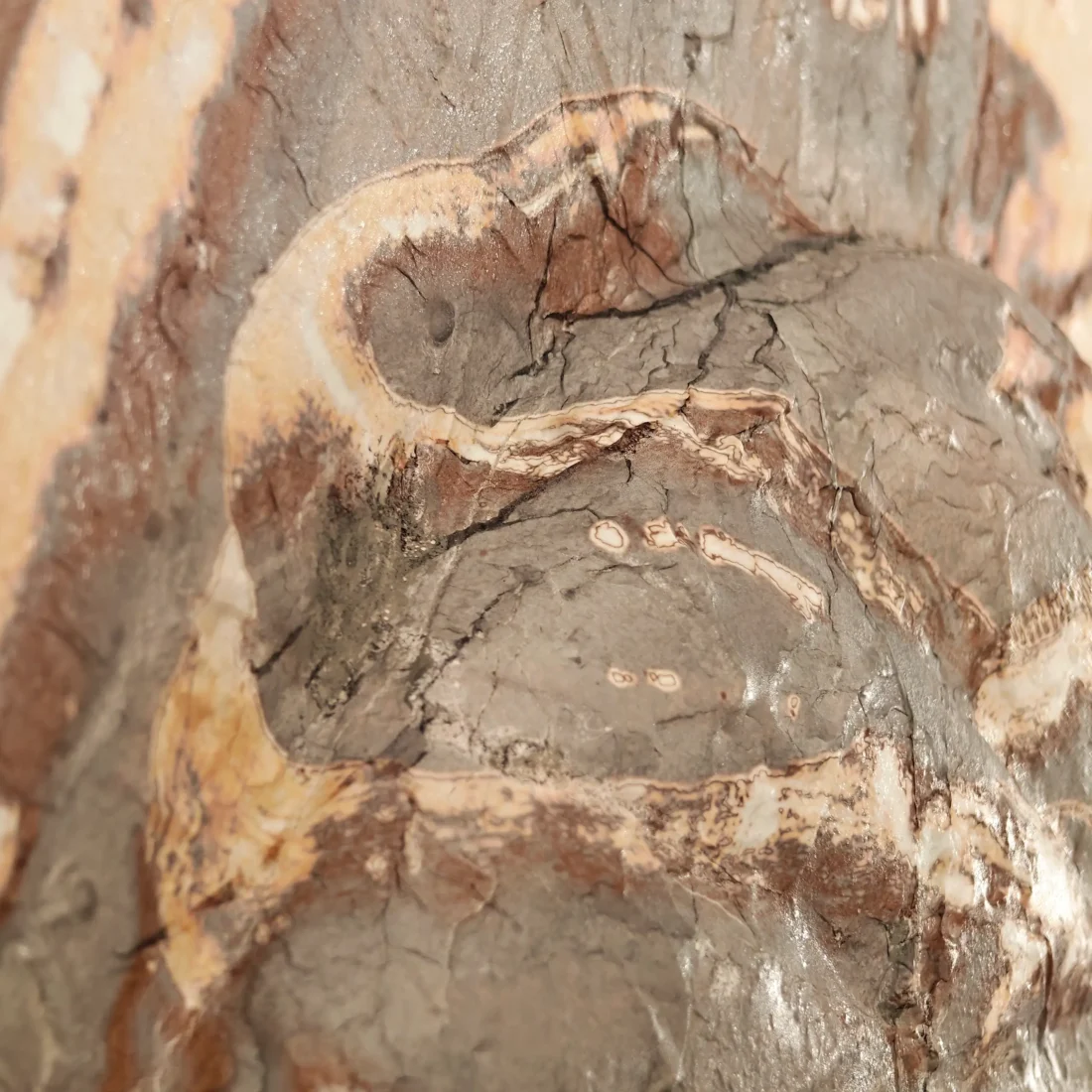
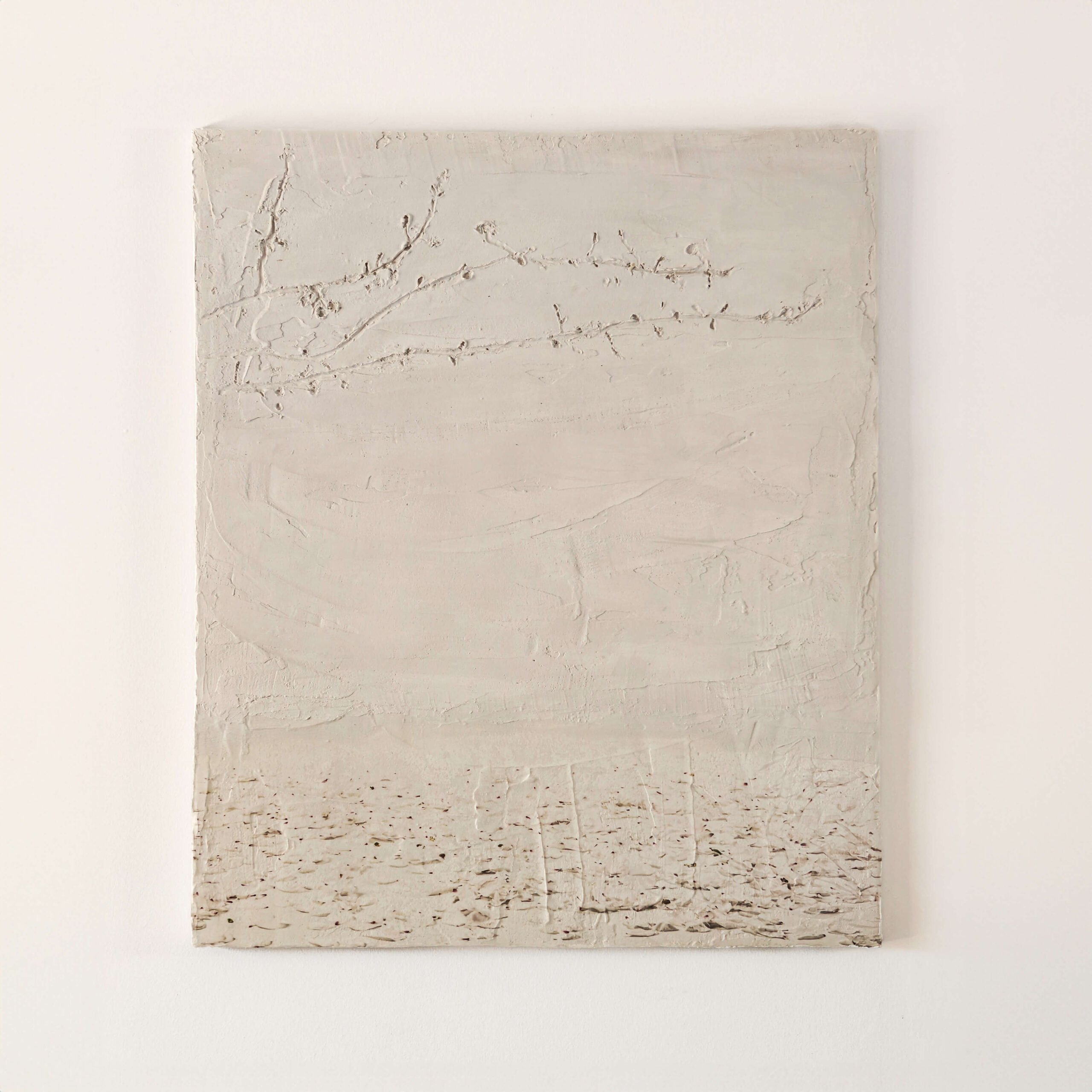
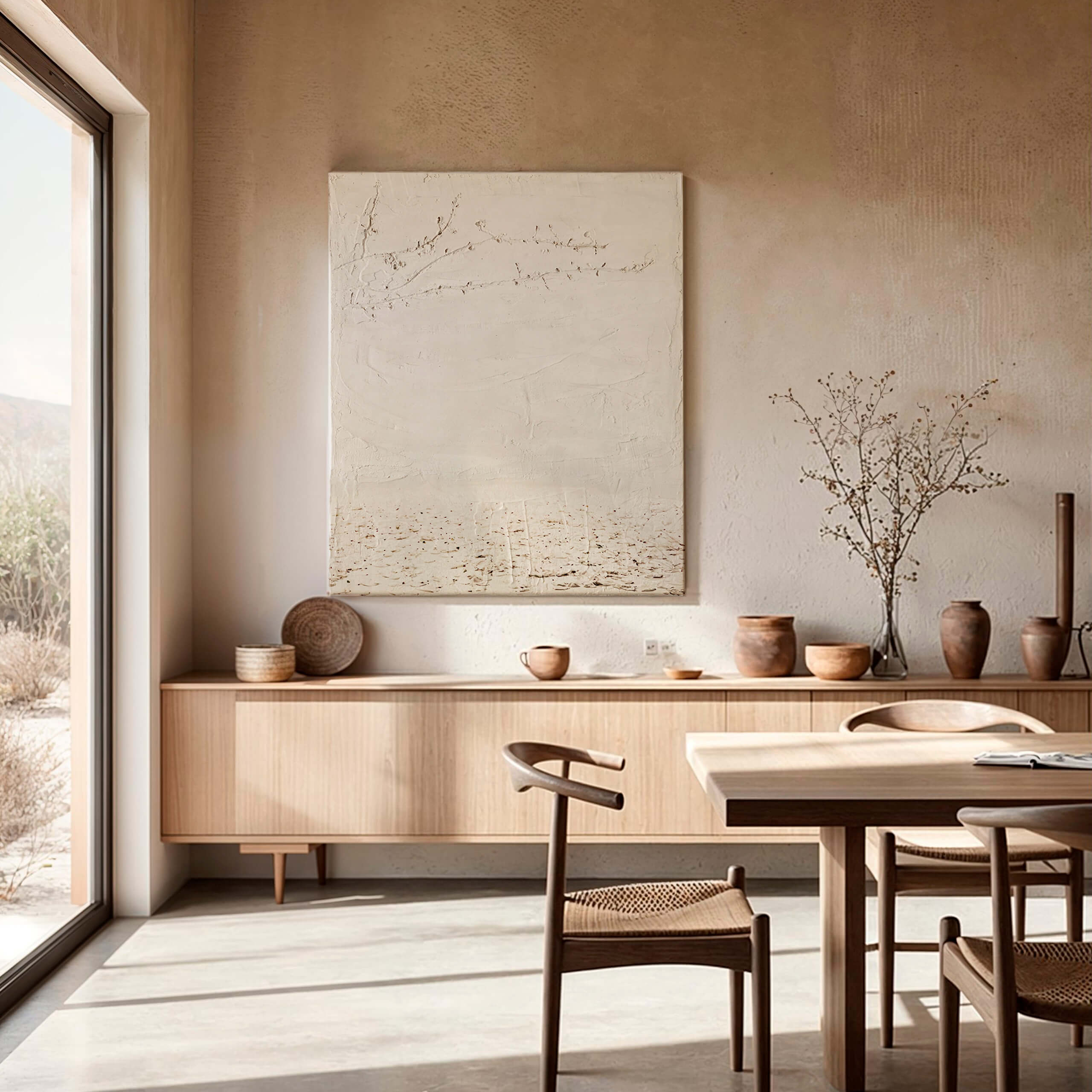
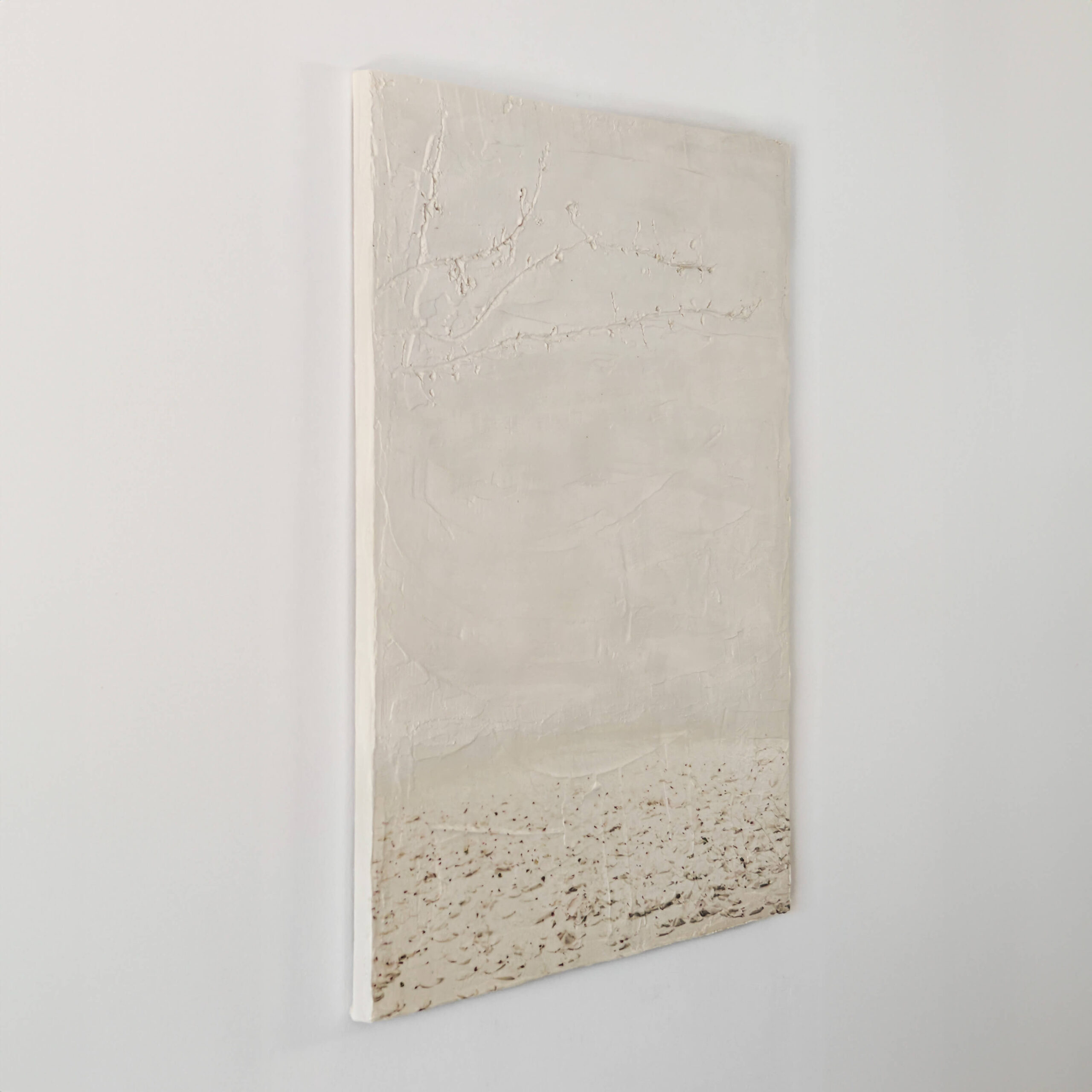
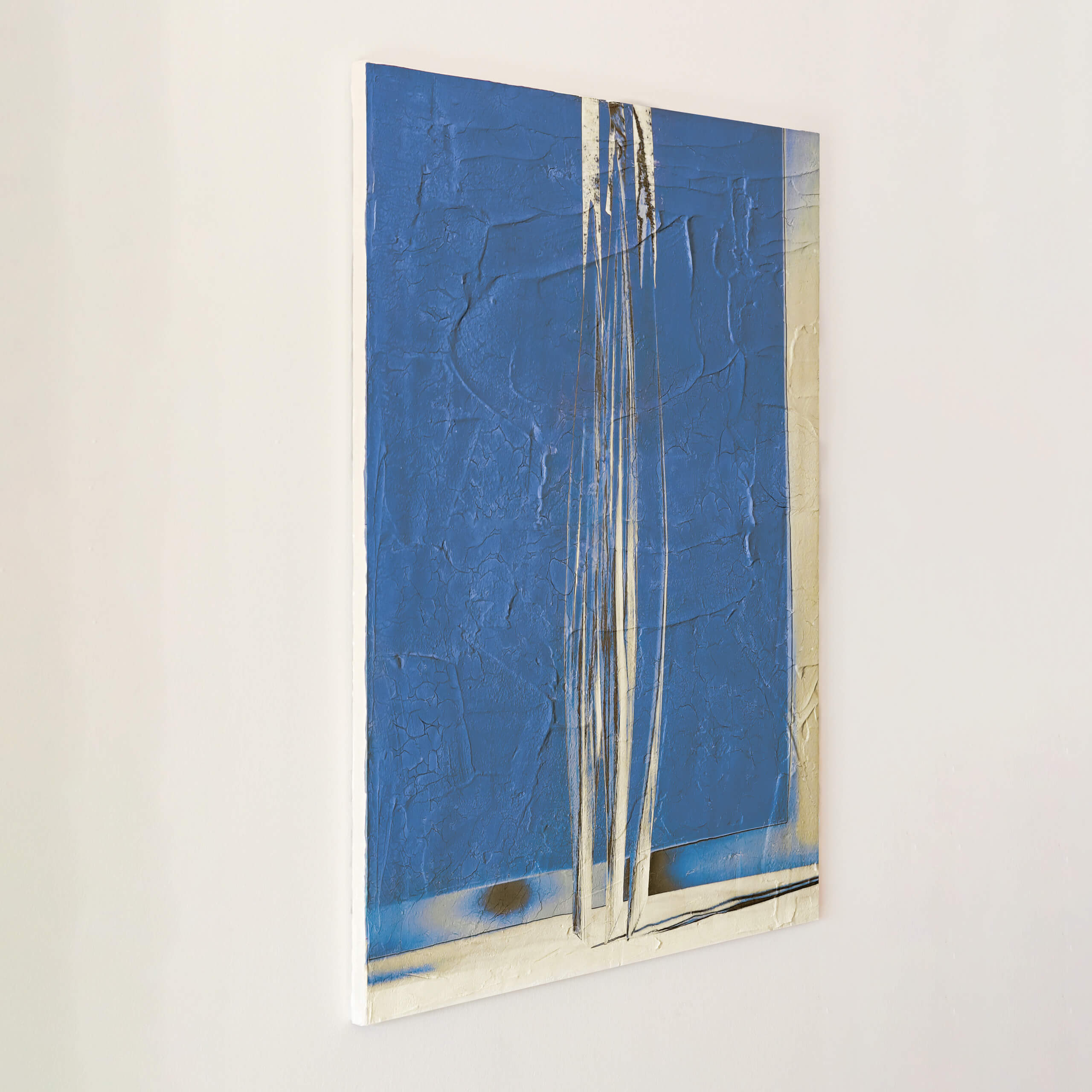
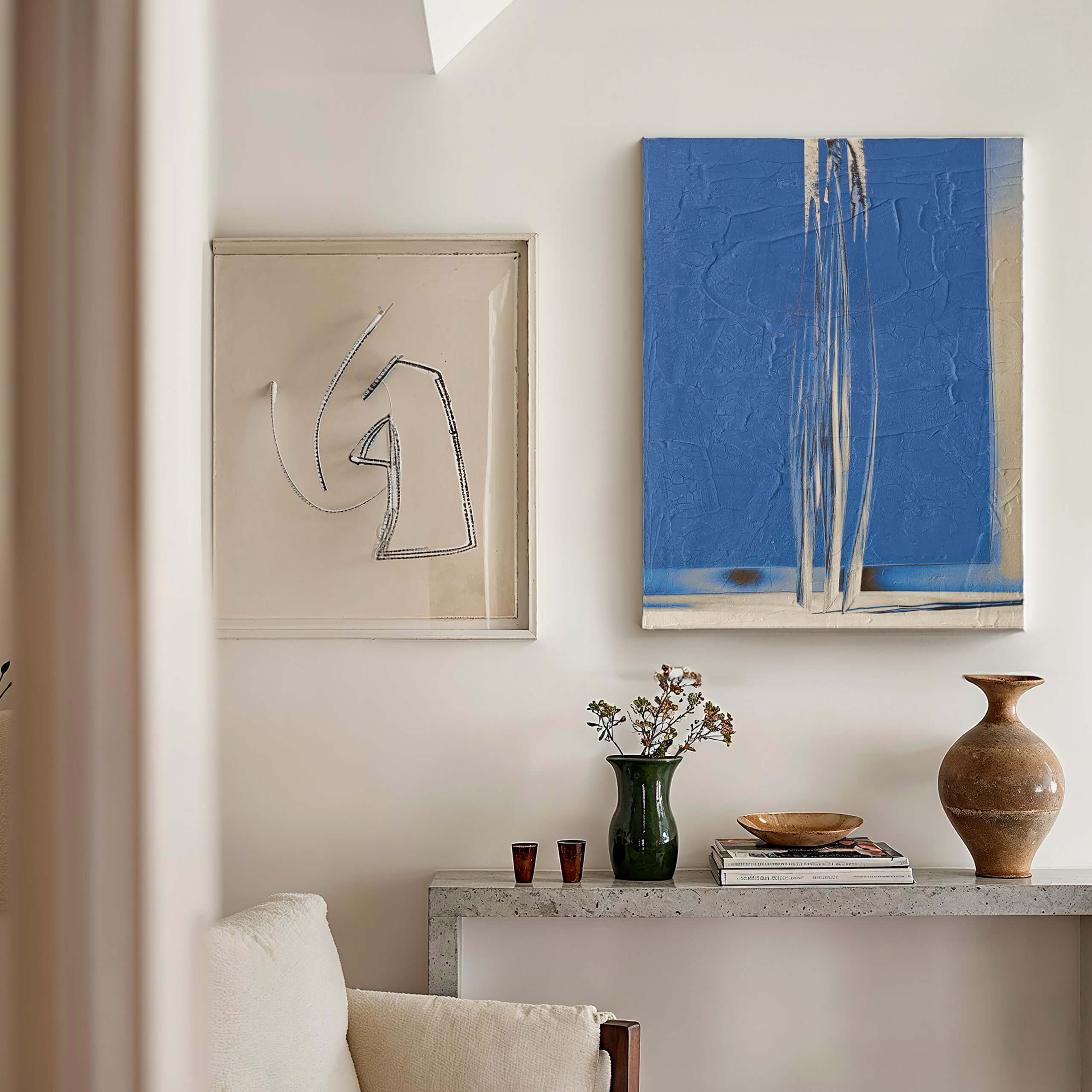
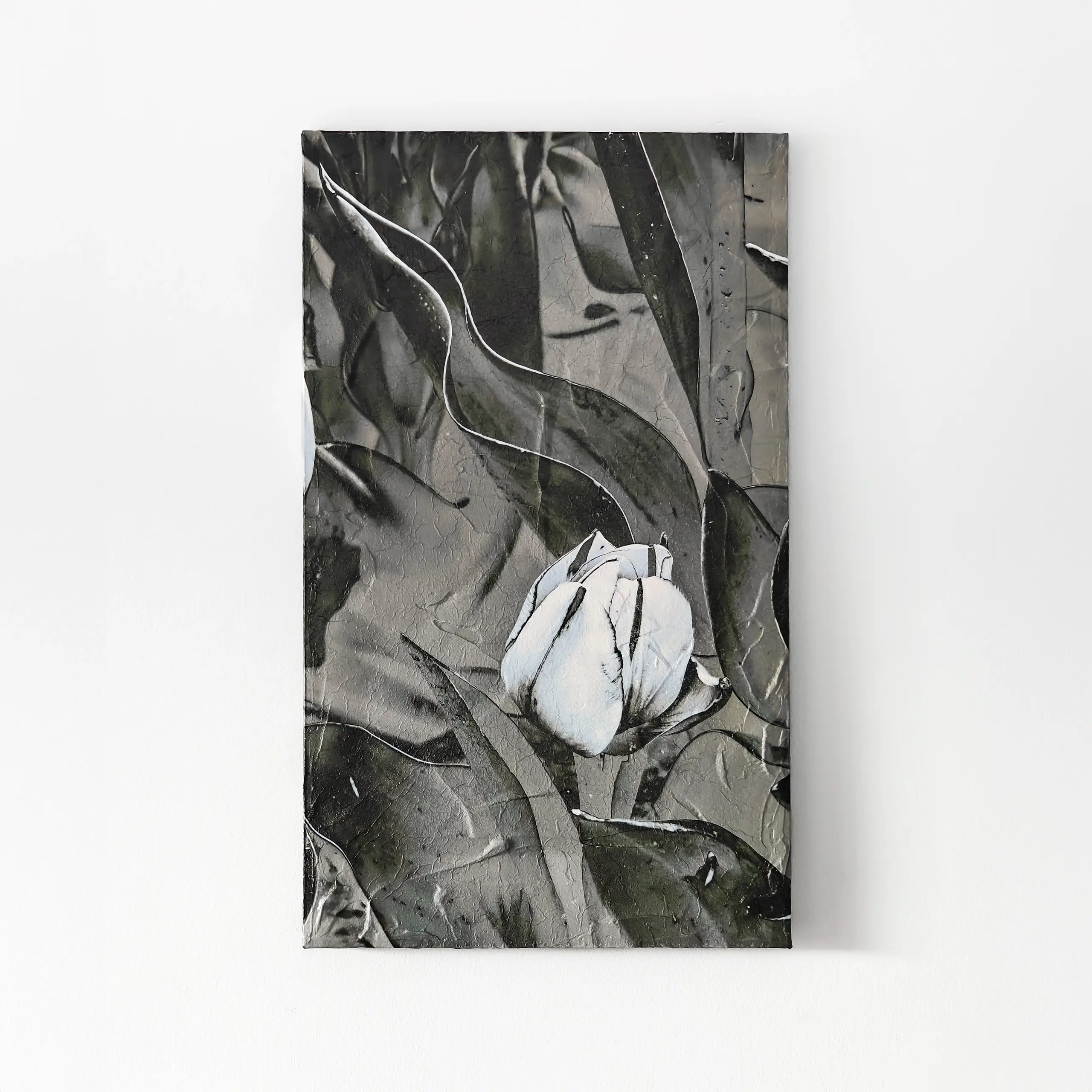
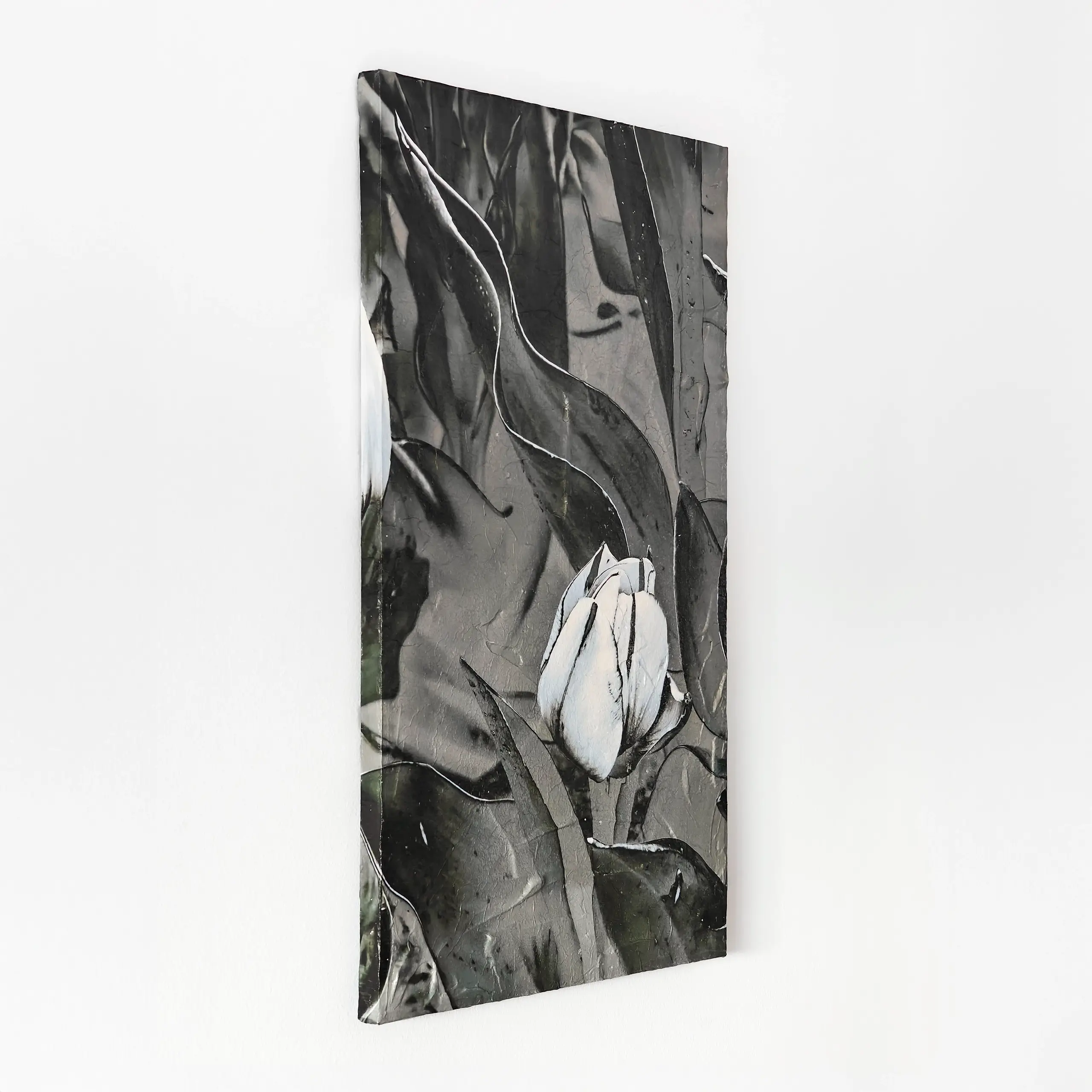
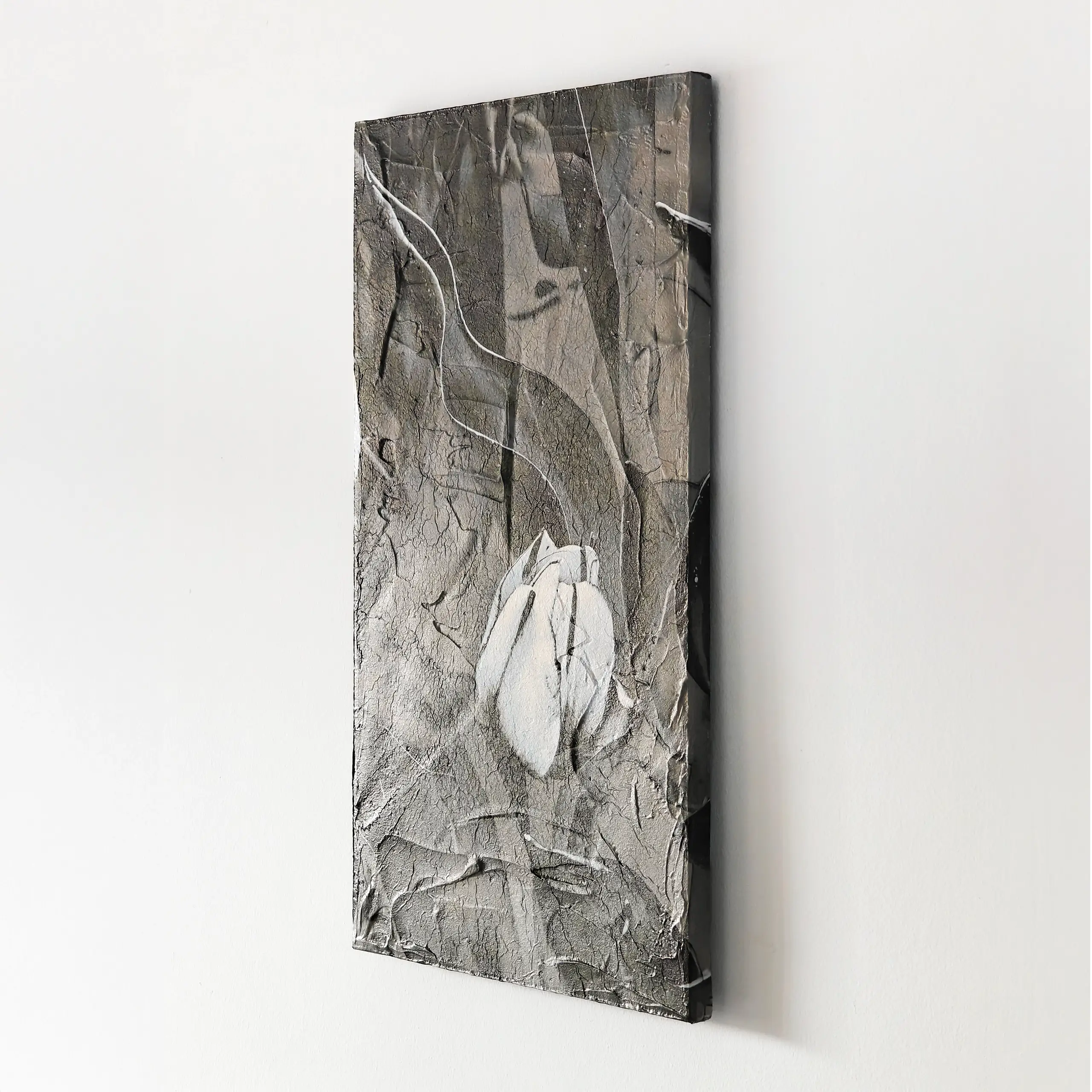
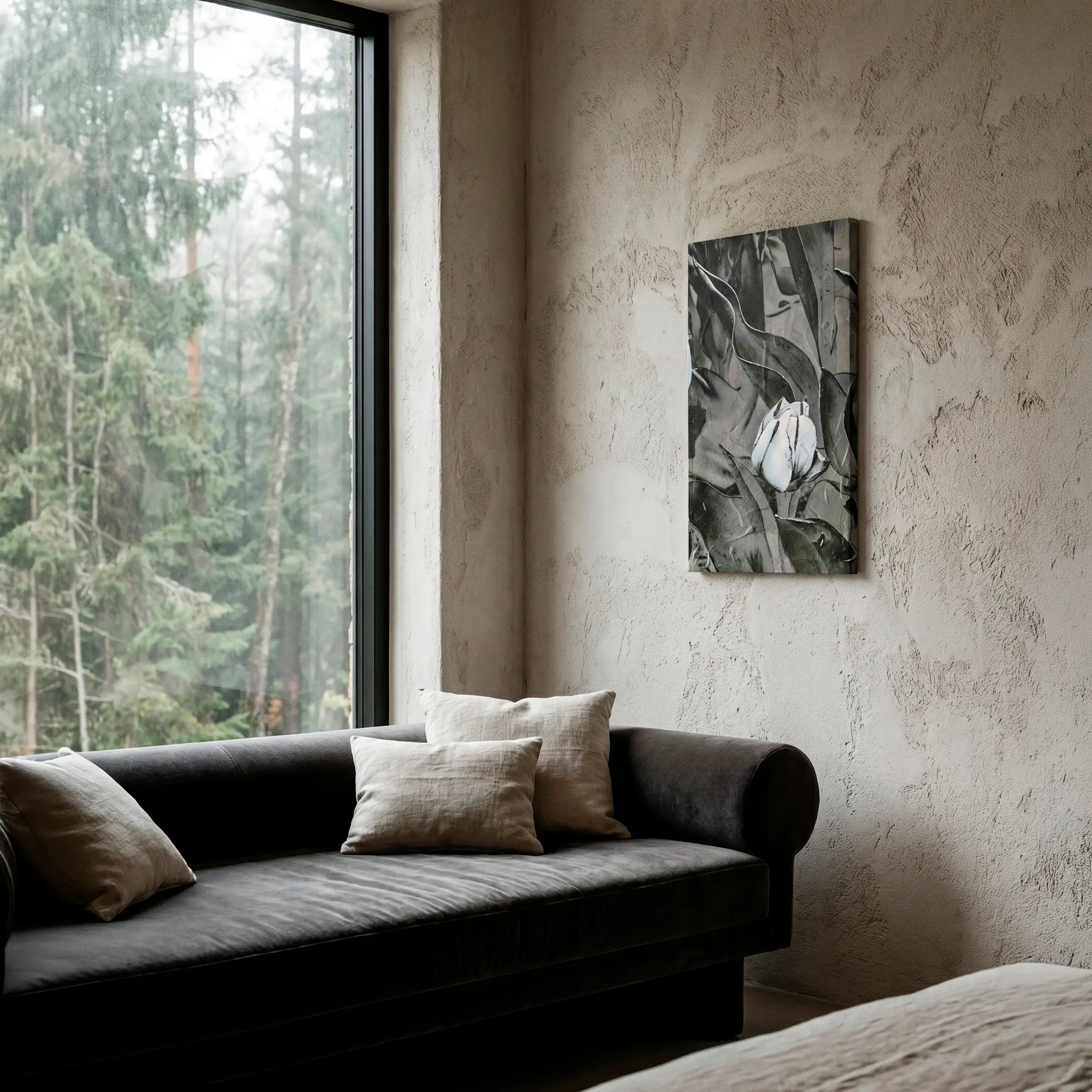
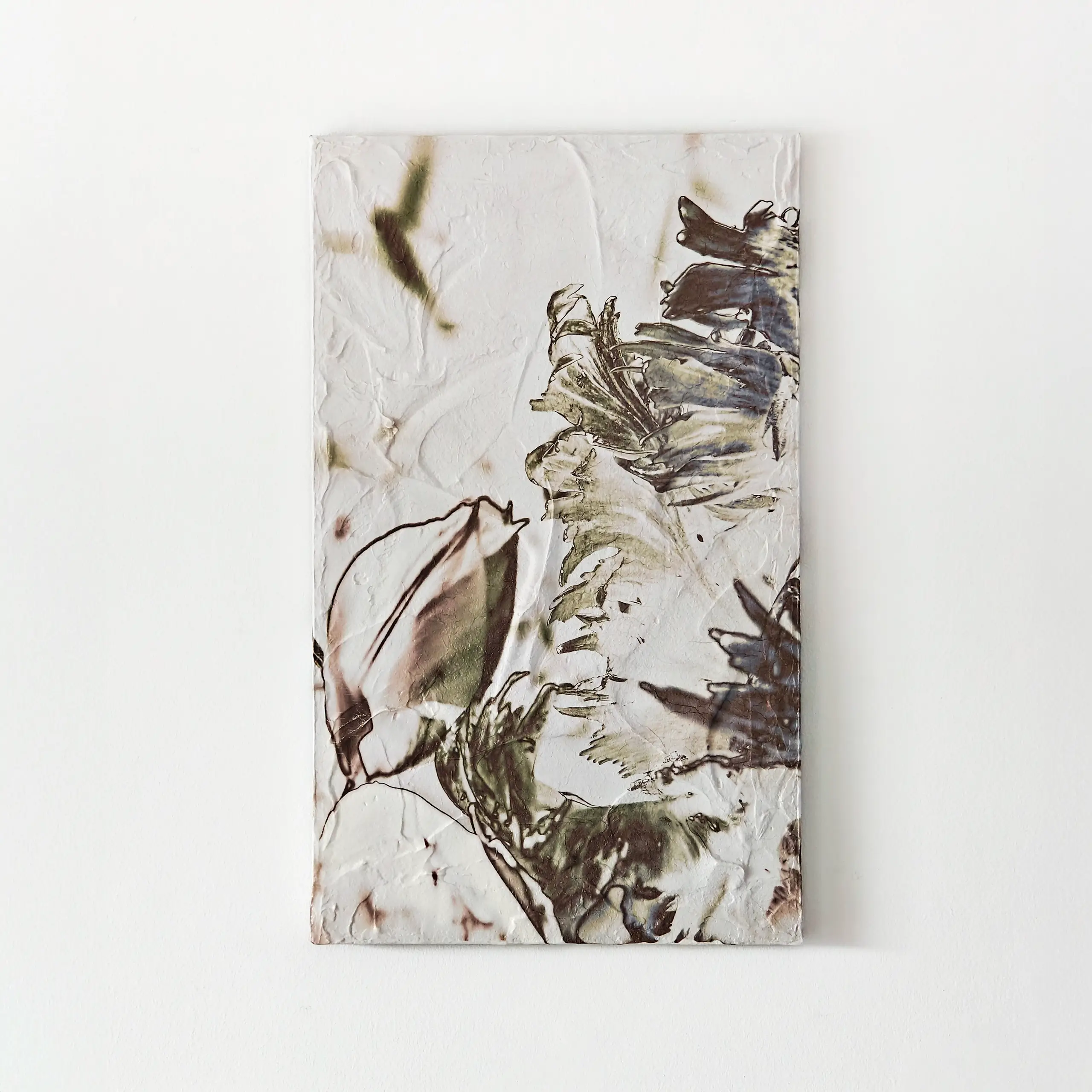
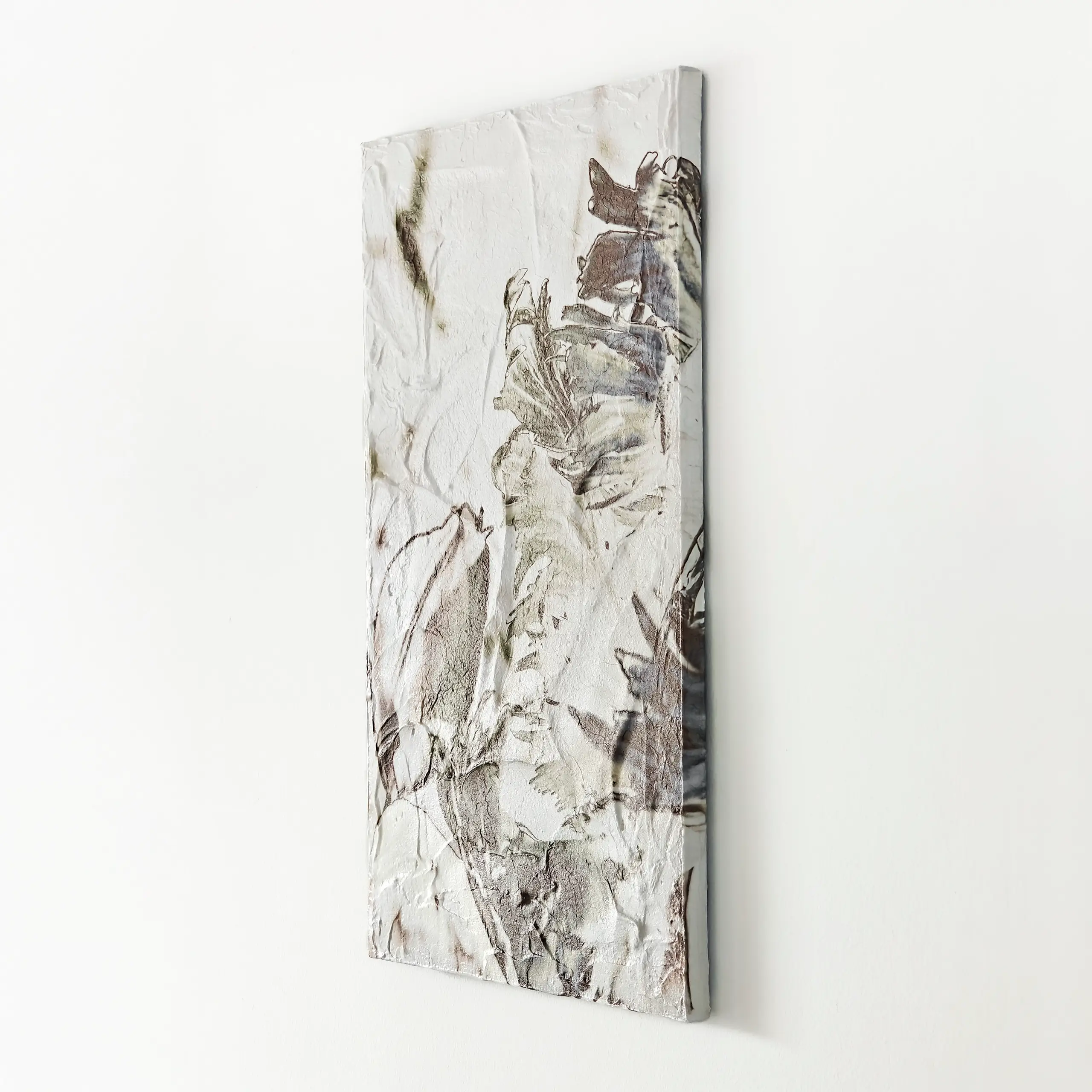
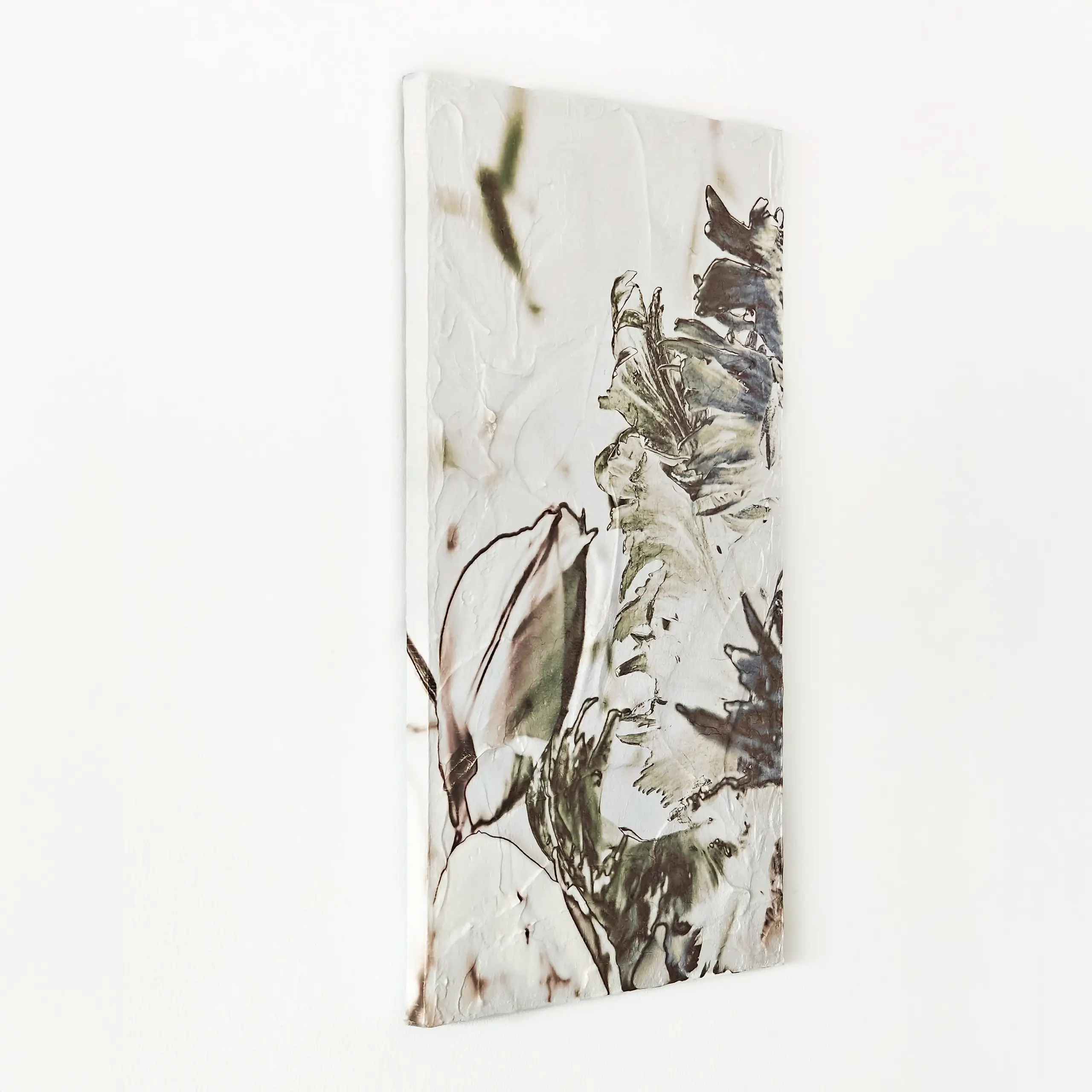
Textured Wall Art | Photographic relief in plaster | Unique piece | 40x50cm
FREE SHIPPING
Secure Shipping | 100% Safe Payment | Certificate of Authenticity
Two bodies lie back with a carefree air, in suggestive poses, unhurried, without checking the clock, simply debating what color friendship should be, if it were a card one could carry in their pocket. And eternity—what color might it take on? Would it be steel gray and rusty orange? Gray for the timeless, and orange like the fire that never dies out?
As they visualize it and discuss the details, they lose themselves forever in that instant of happiness, now immortalized. For in those small moments of pause lies the most valuable part of existence, when one is truly oneself without realizing it, under the shade of a few leaves on any given afternoon in good company.
The story behind
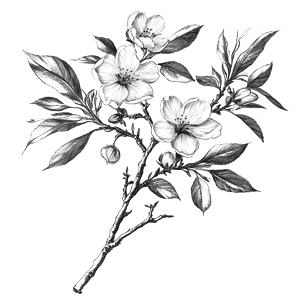
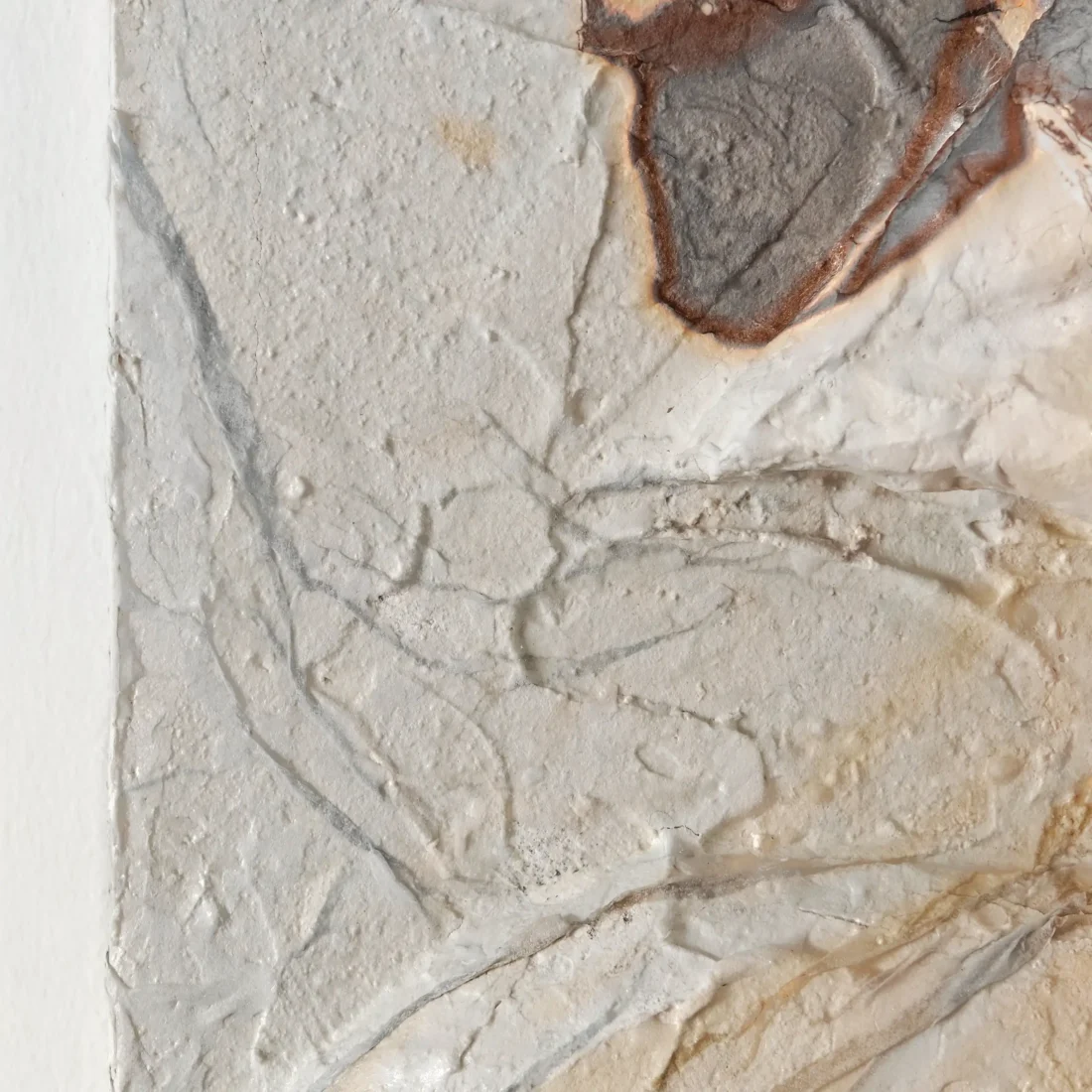
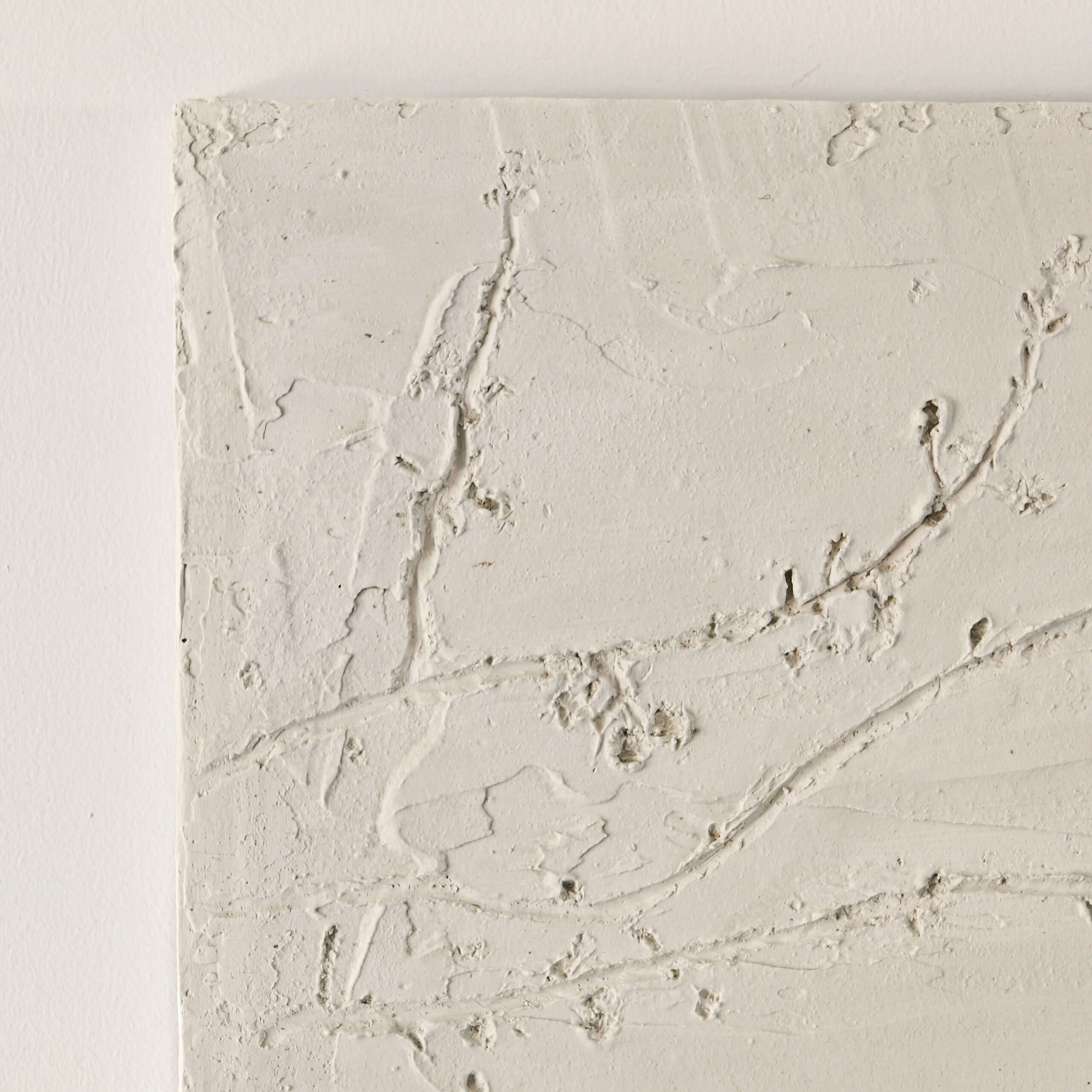
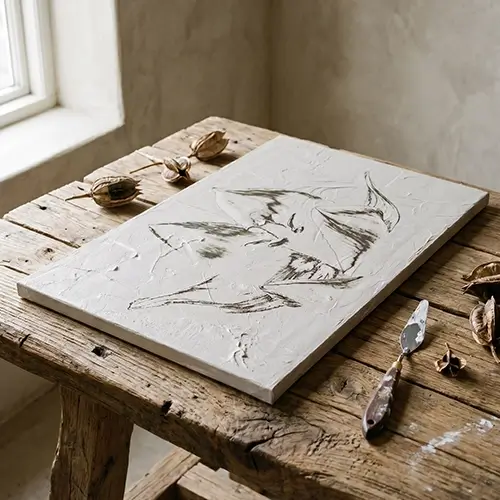
This was an exercise we owed ourselves: we are great admirers of Edward Weston, who devoted some of the twentieth century’s best-known photographs to peppers, and we wanted to try. We bought Italian peppers grown in the Vallès, set them on a surface in natural light and kept moving them around with no composition planned in advance, letting the geometry of each one lead. The leaves in relief come from somewhere else: in our own urban vegetable garden we had grown miniature peppers from seed, and watching them grow we became fond of the shape of the leaf. We drew its silhouette from our own photographs and modelled it in plaster to keep the studio peppers company.
Pepper
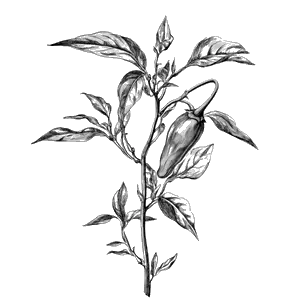
Pepper (Capsicum annuum), native to Central and South America, bears vibrant fruits from sweet to fiery; symbolising warmth and vitality, it’s celebrated worldwide for flavour, colour, and vitamin-rich versatility.
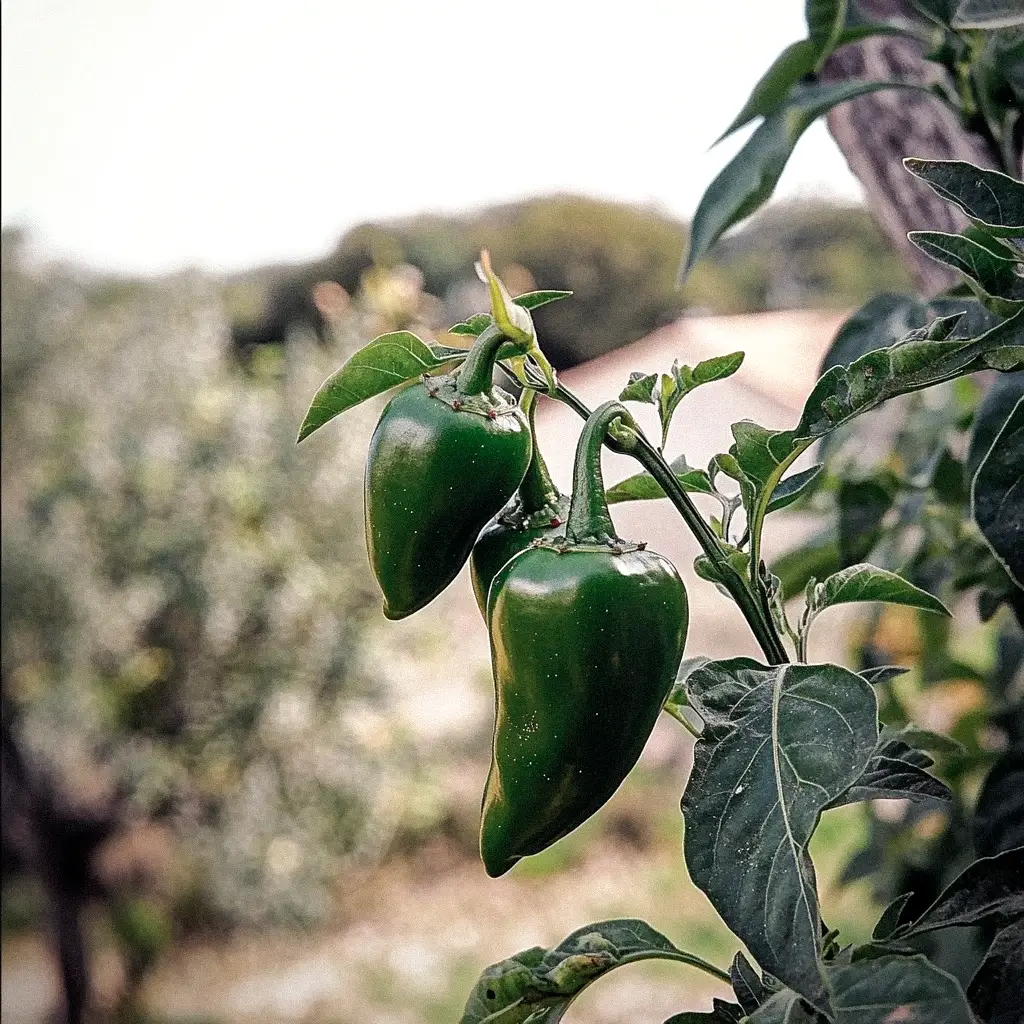
Think, plan, collect, select, position, illuminate, photograph and rework the image until it stops describing what was there and starts saying what we feel. That is the first half of the work.
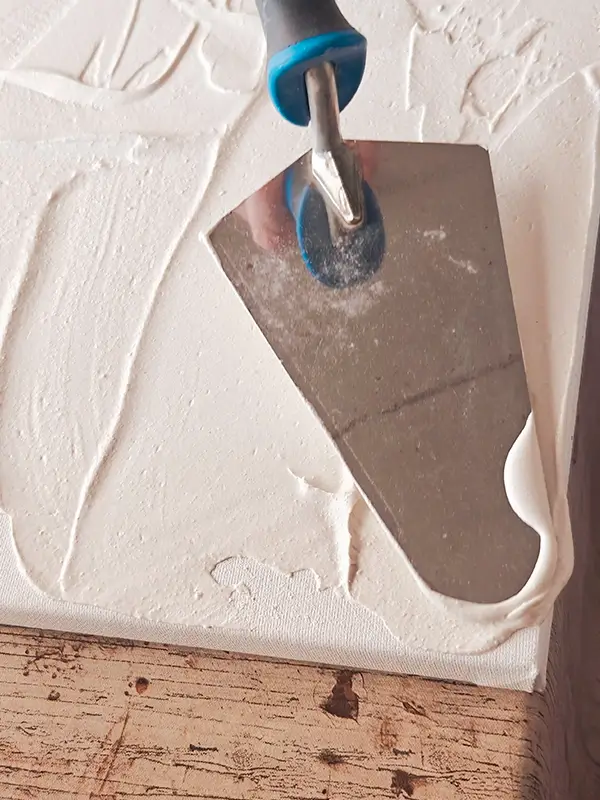
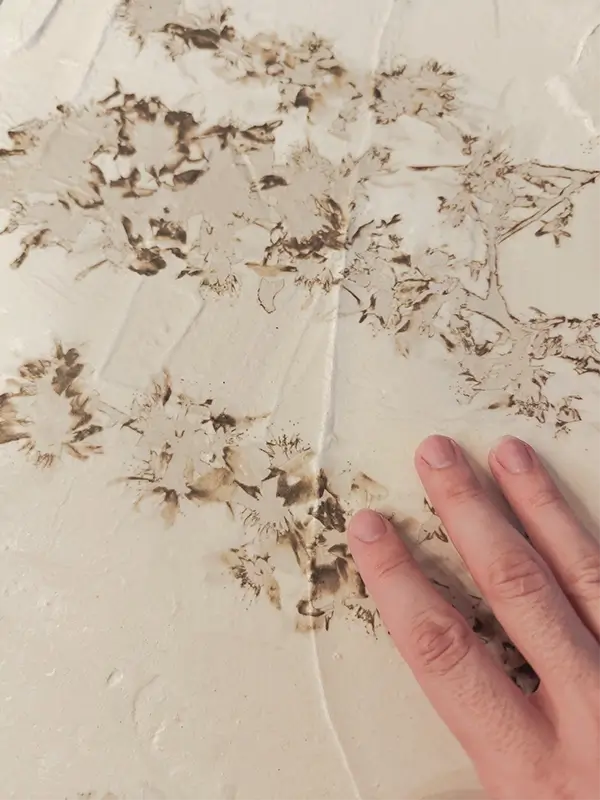
Measure, mix, spread, shape, wait, smooth, transfer, merge, seal and sign. The matter completes the work.
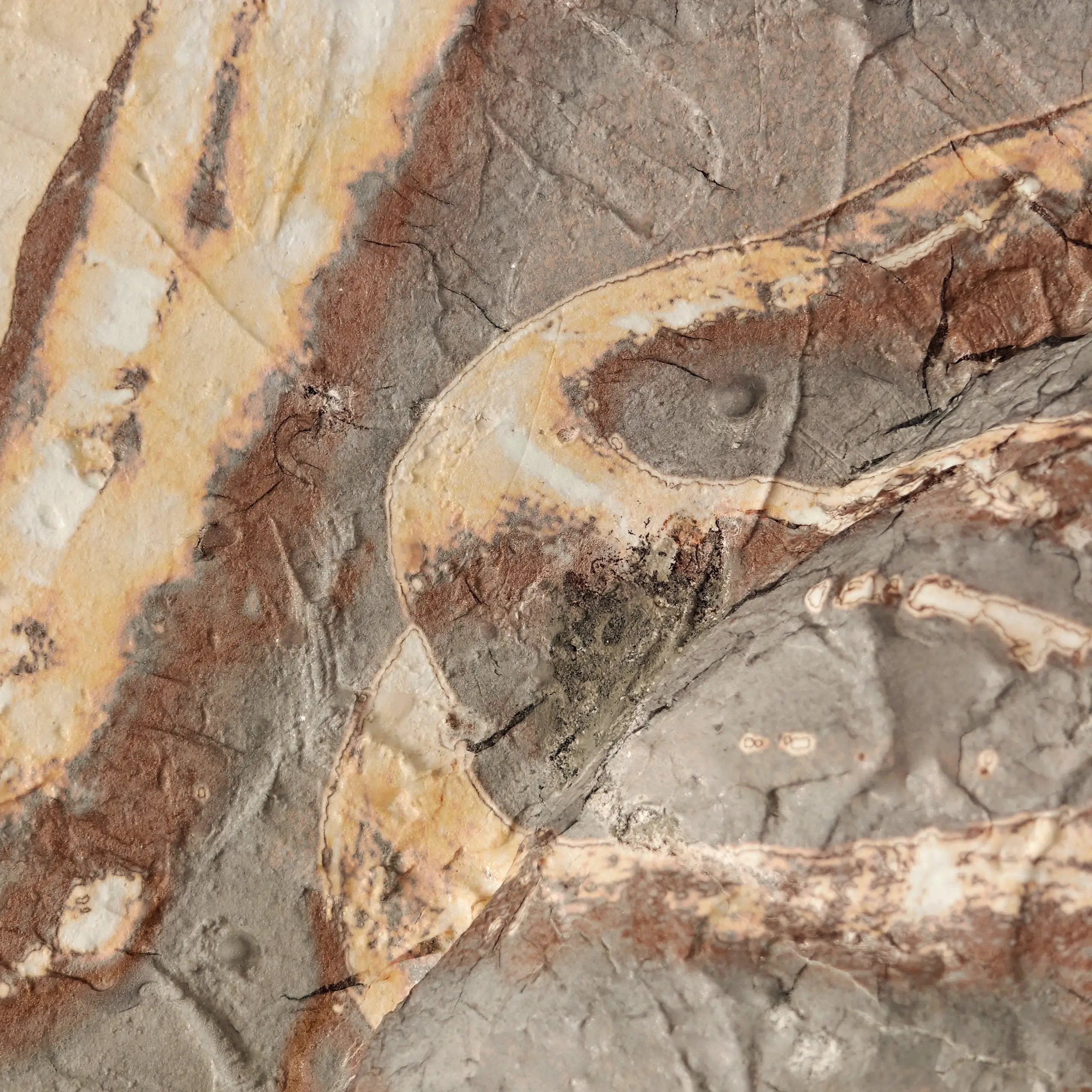
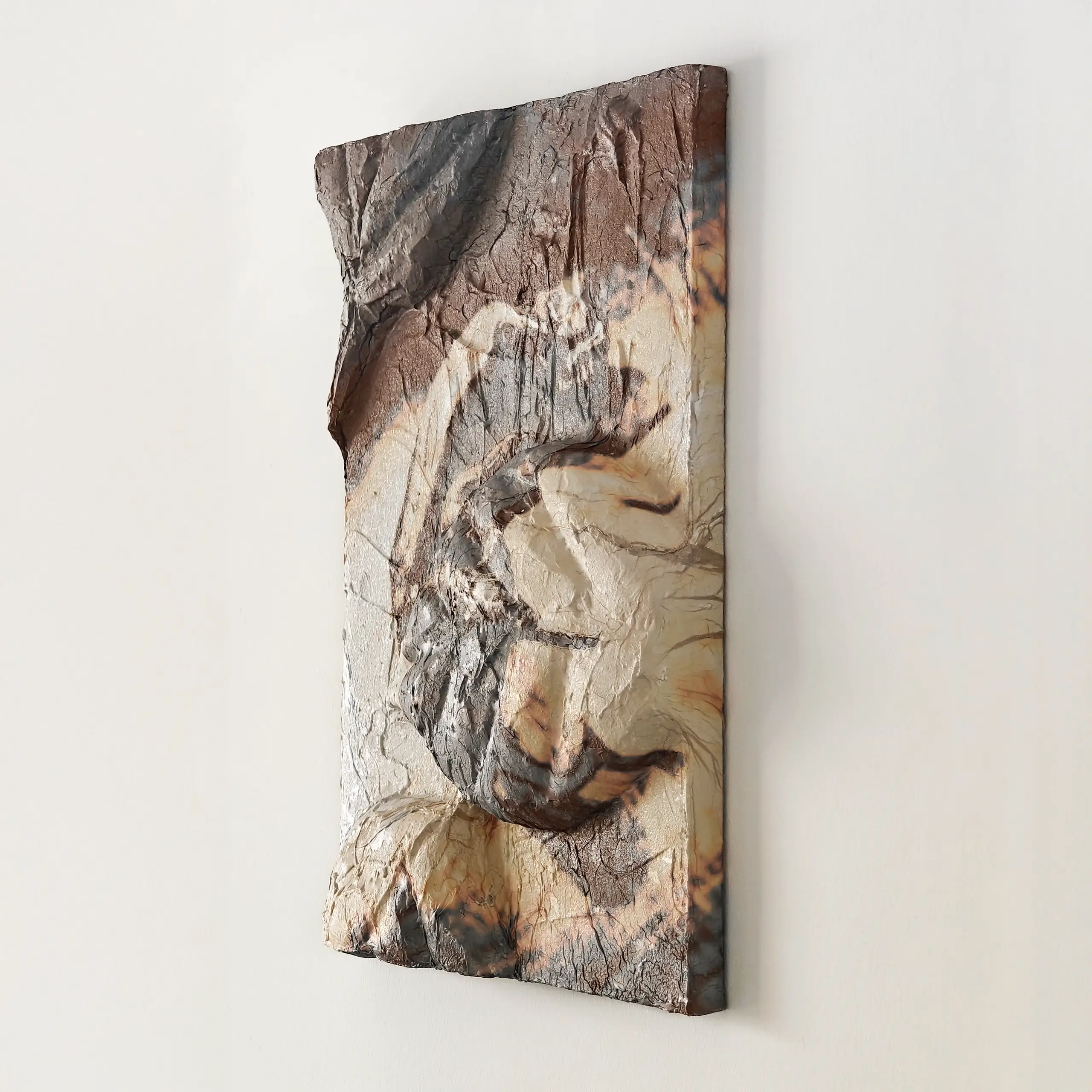
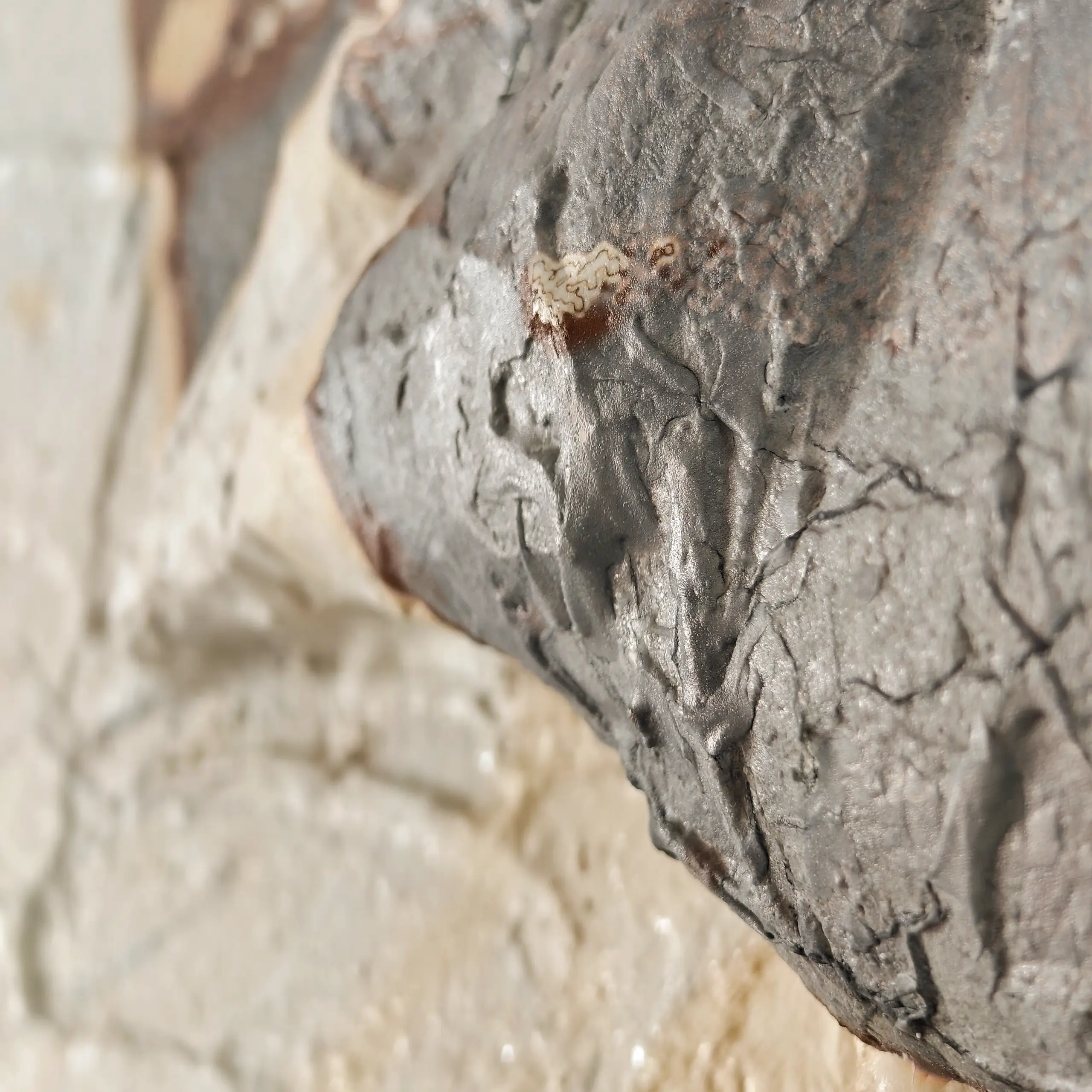
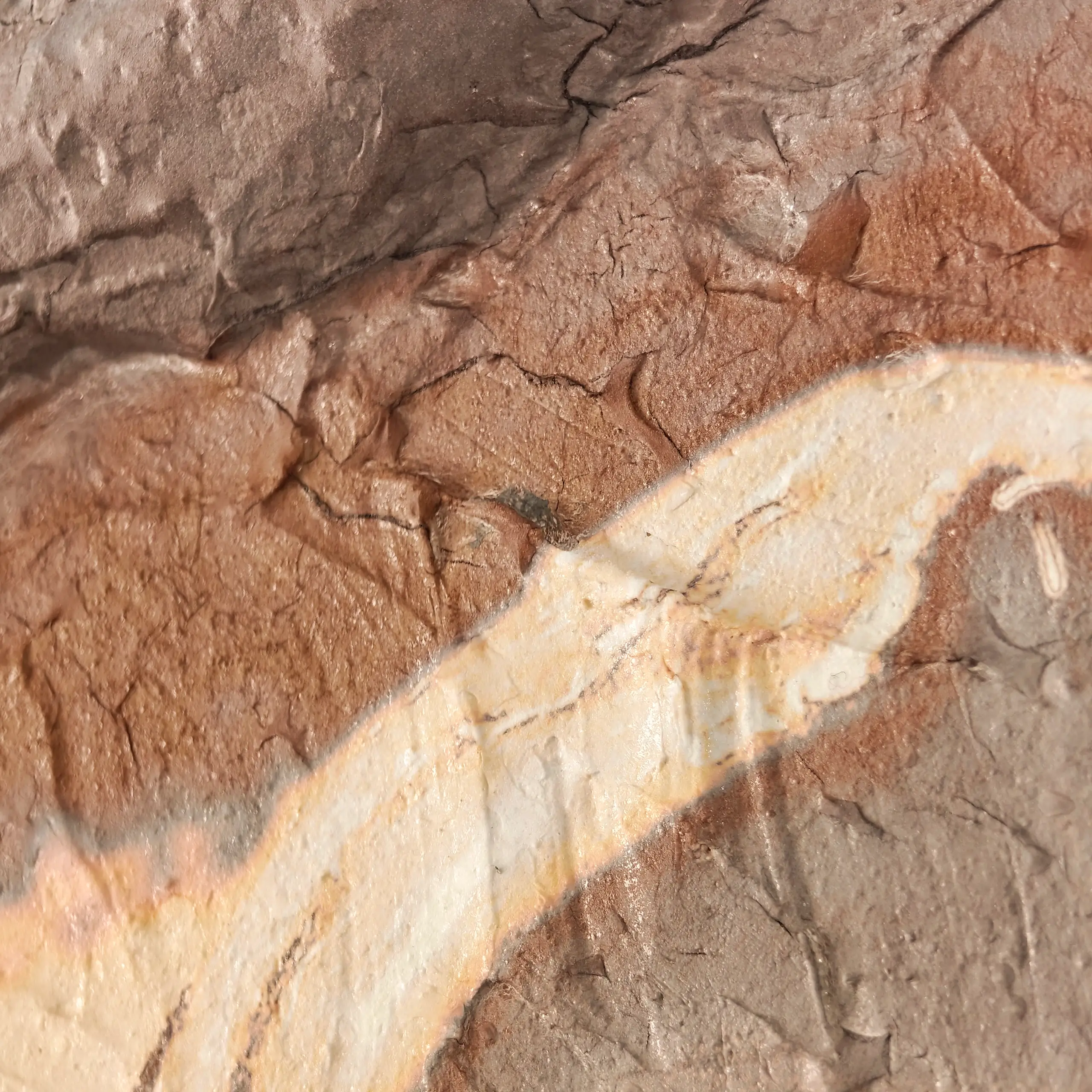
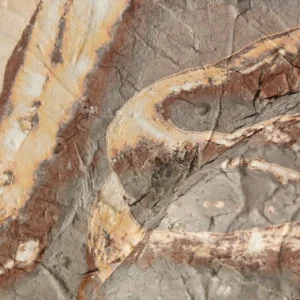
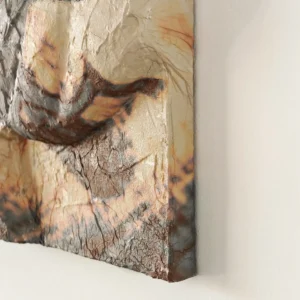
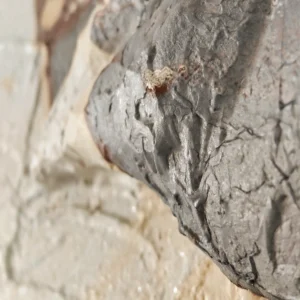
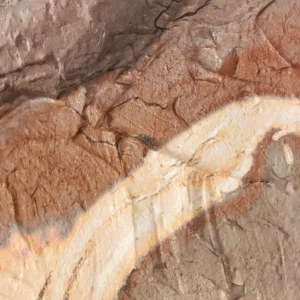
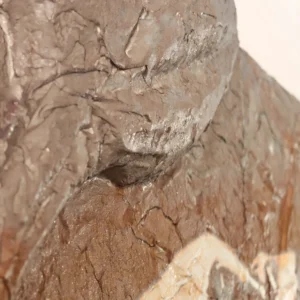
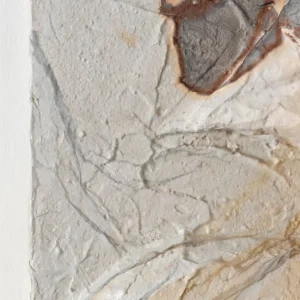
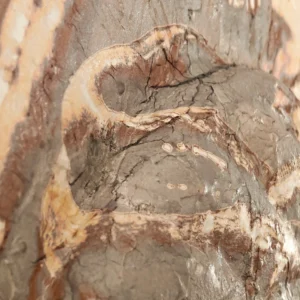
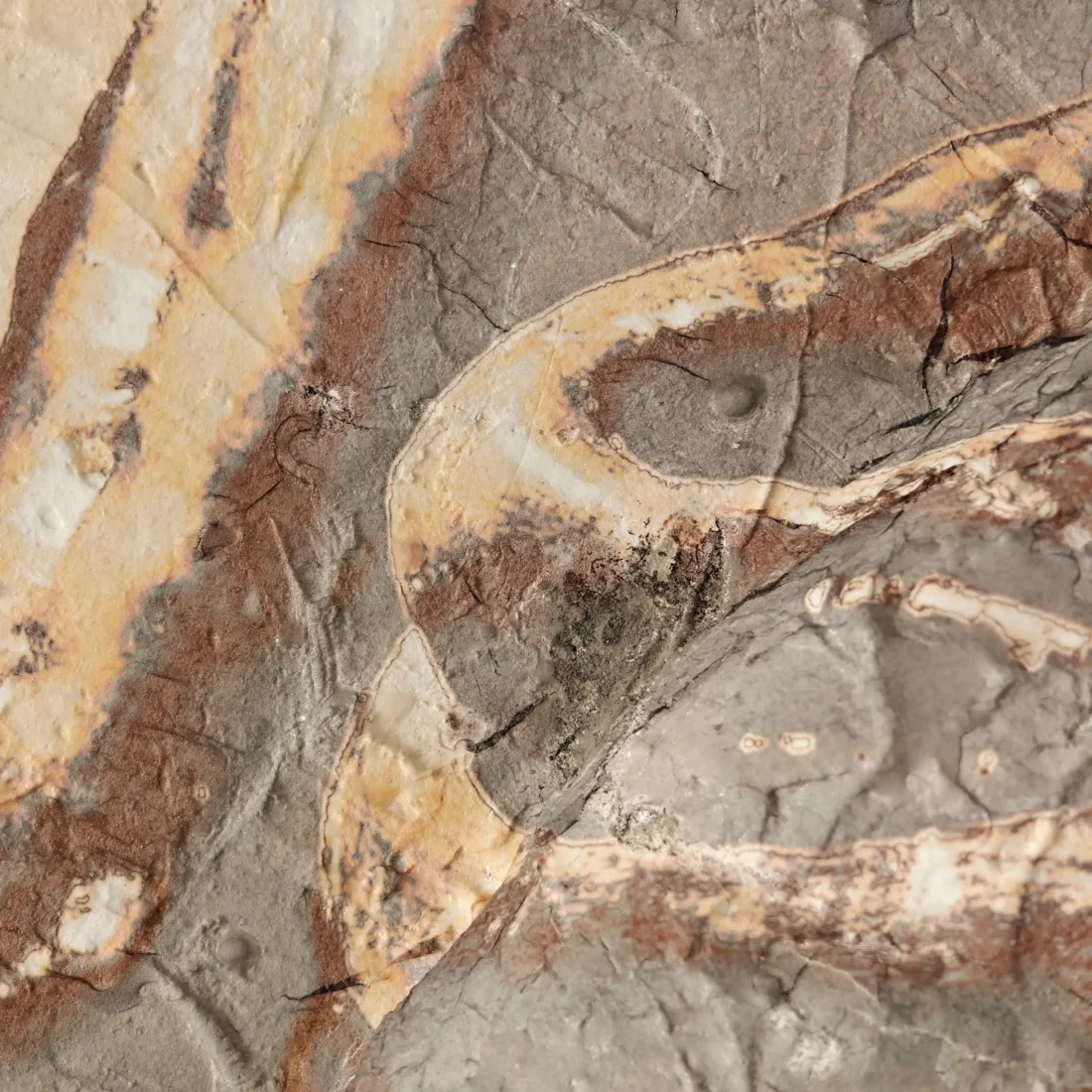
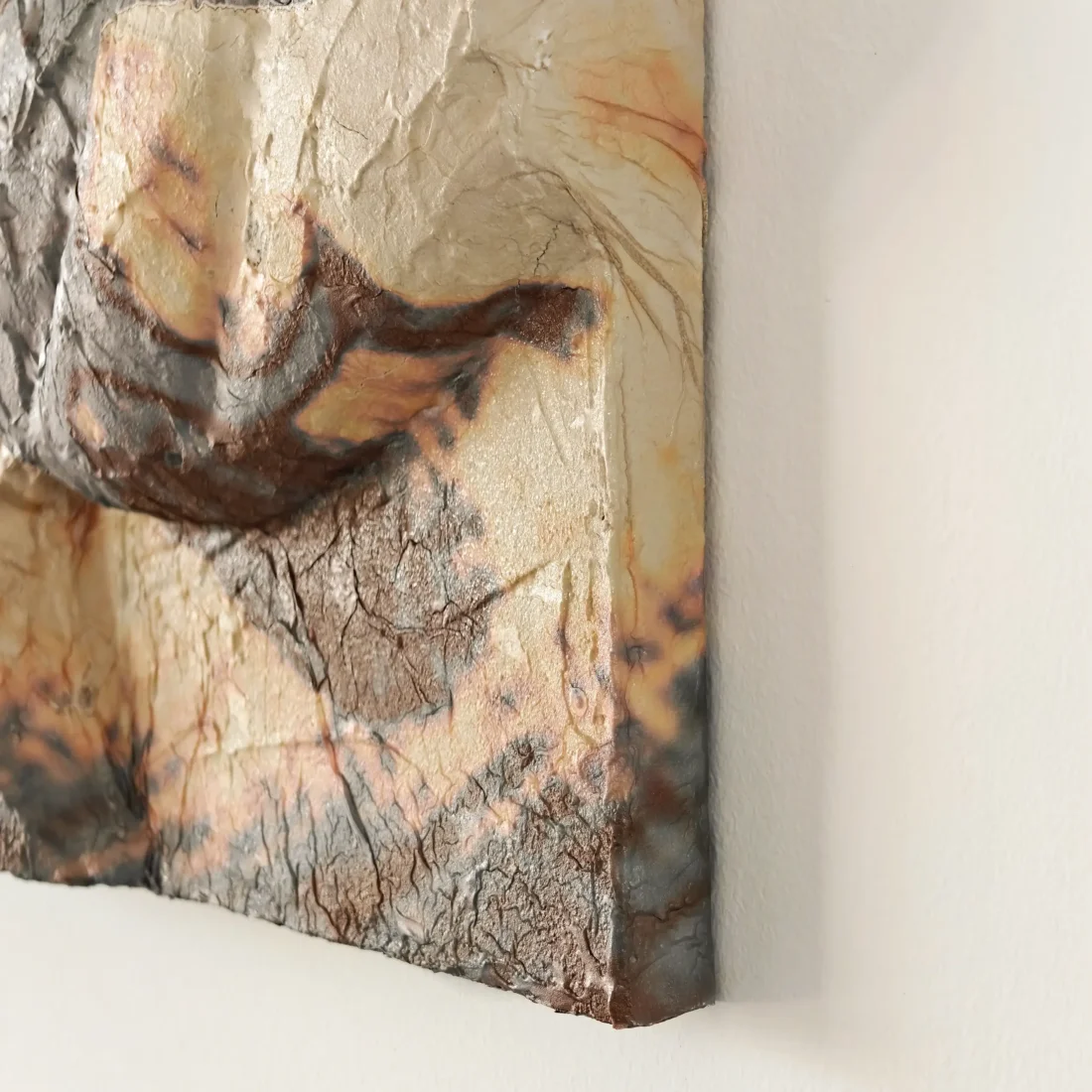
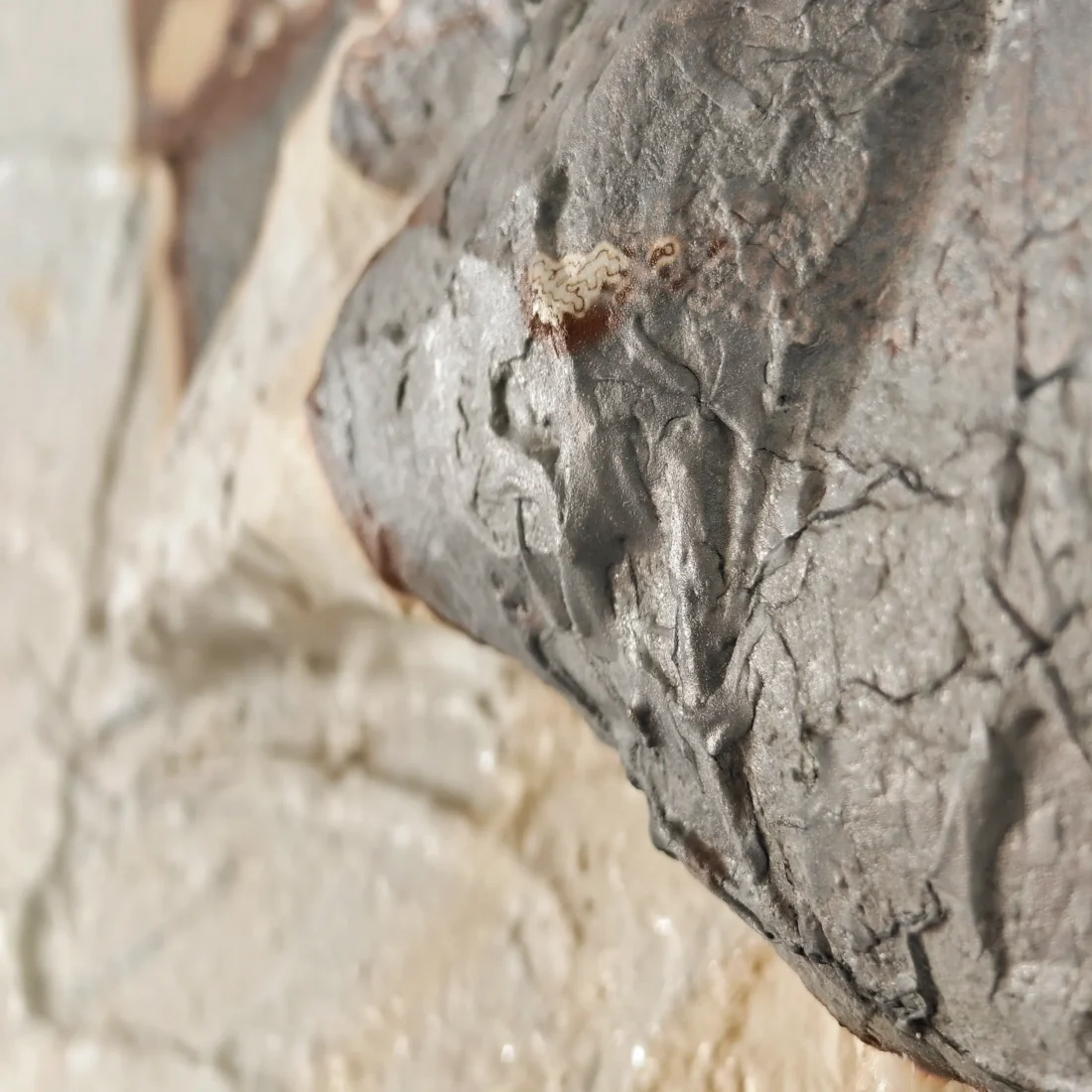
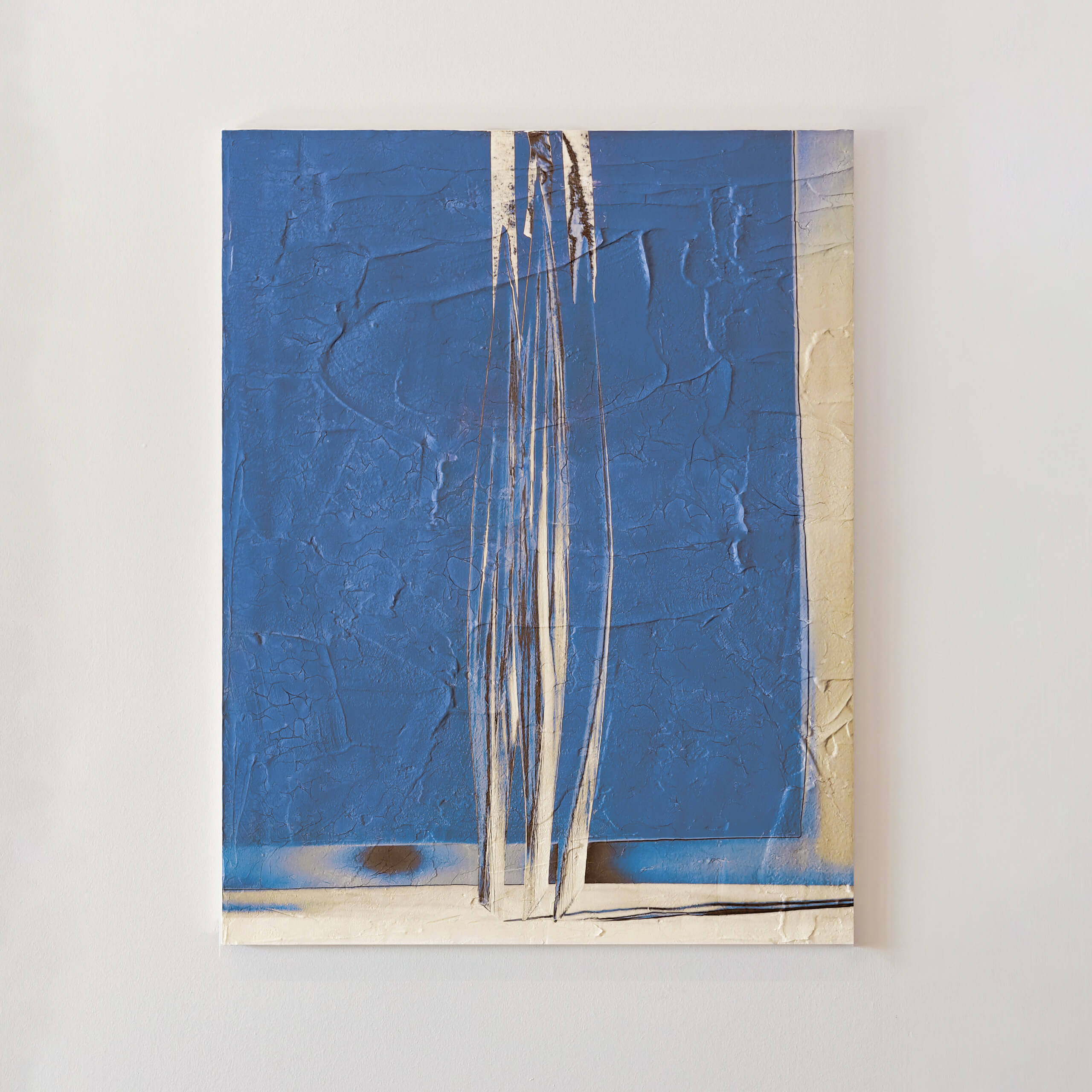
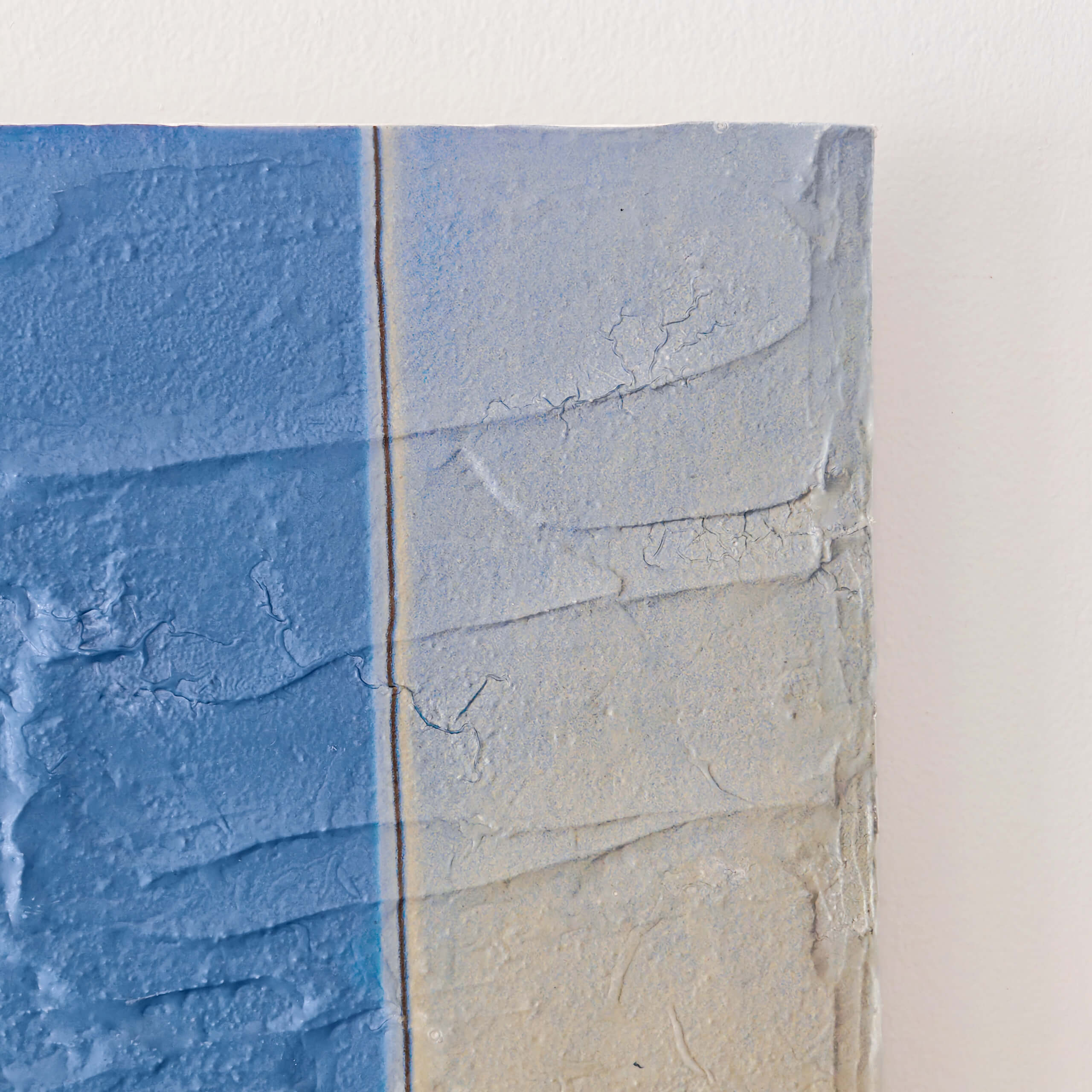
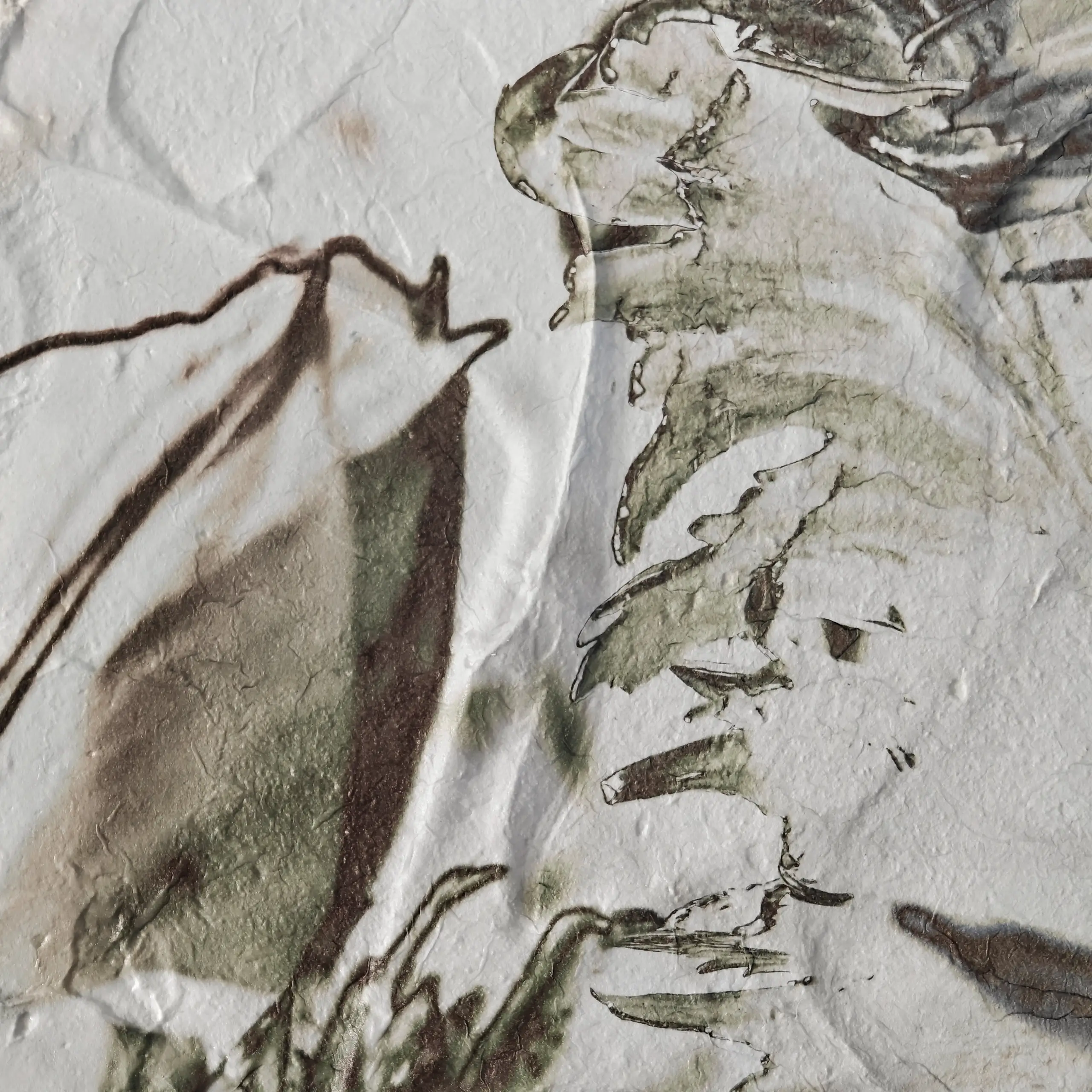
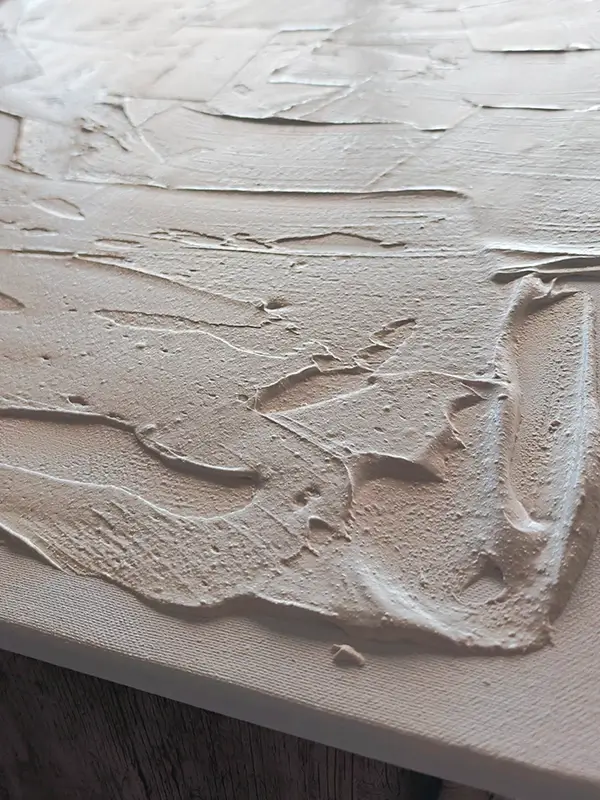
Image integrated into the plaster. No paper, no film — what you see and touch is the relief. One unique image for each unique piece. Two-dimensional and three-dimensional. Nature that feels natural.
ABOUT THE ARTIST
The artists play with the viewer's limit to recognize the photographed nature, they seek to suggest, to attract towards a bridge between the dreamlike and the real.
They make a study on sacrifice as a means of creation. The painful suppression of a part generates a new whole, a reality with unsuspected edges where subtracting gives us an unexpected abundance of beauty and visual interest. In a parallelism with time spilled in grey, boring or distressing moments that, in some way, give us a broader perspective of what it means to live and allows us to distinguish and covet the sweet stages.
Thus, in their photographs, the form faces a process of transformation, subjected to the dominion of light to be reborn in an unknown version. The volume is sectioned revealing silhouettes previously unnoticed. Different planes, different moments captured in the same vision.
At this point, the material aspect of the work plays a major role. There is a primitive emotional connection that artists ascribe to natural, earth-related, irregular and ancestral materials such as clay or plaster. This made it inevitable to embark on an arduous process of self-taught research, with countless trial and error until they were able to transfer all the power of their images from the screen to the plaster. Now, photography and volume merge into a single entity, in an unexplored materiality far from traditional supports.