




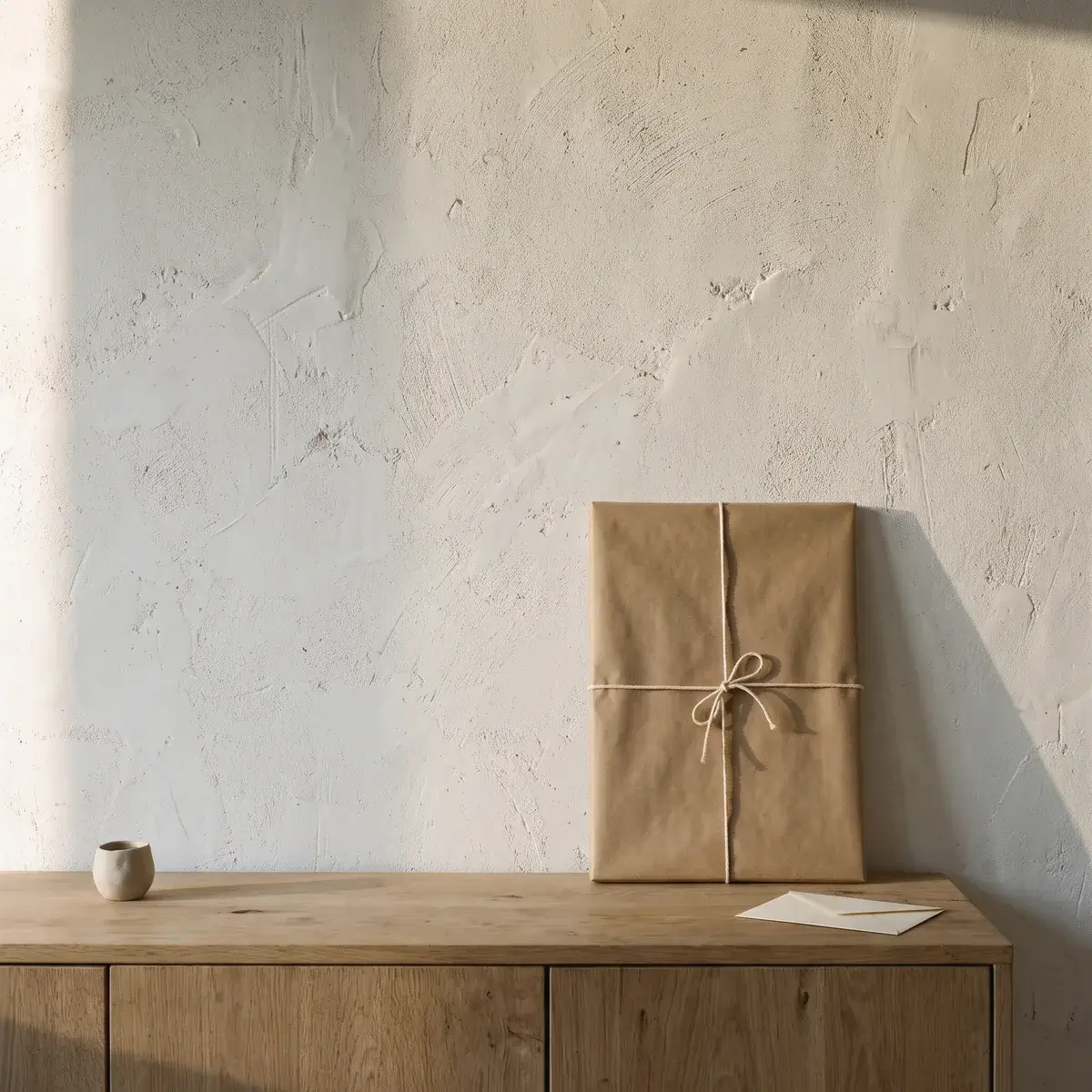
Art as a gift has two moments
Many gifts end up tucked away in a drawer or a cupboard. A picture is made to be hung, and once it finds its wall it can stay there for many years. That’s why giving art is a bit like telling someone “this made me think of you” and letting that sentence stay in their home.
Did you know…?
1918
Monet’s gift to France
On 12 November 1918, the day after the Armistice, Claude Monet wrote to his friend Georges Clemenceau offering France two large water lily paintings to celebrate the end of the war. They ended up being eight, and since 1927 they have hung in the Orangerie in Paris.
That’s also why it feels riskier. In 2016 three consumer researchers (Jeff Galak, Julian Givi and Elanor Williams) looked at why gifts go wrong and found a pattern: givers think about the moment of giving; recipients, about the time they’ll have it. Their example is a vacuum cleaner: nobody gets excited about one at Christmas, and yet it gets used for a long time.
A picture plays in both: it has the surprise of opening it and the time of living with it, and to get it right it’s worth thinking mostly about the second. Nor do you need to stretch the budget. In another study, by Francis Flynn and Gabrielle Adams, givers assumed that pricier gifts would be more appreciated, and recipients didn’t notice the difference: spending more didn’t make the gift more appreciated.
The fear of getting it wrong can make you get it wrong
In 2017 Givi and Galak posed a very simple dilemma. You had to choose a gift for a friend between two framed photos:
A
Their favourite musician.
The safe one: it matches their taste.
B
The two of you, on a good day together.
The risky one: it says something about you both.
Givers chose A quite a lot more often than recipients would have wanted. It happened between close friends and it happened between partners. And there was a lovely detail: in another of their experiments, people who had just recalled a risk that had paid off chose the sentimental gift much more often. Fear of getting it wrong pushes you towards the safe option, and the safe option isn’t always what the other person would have preferred.
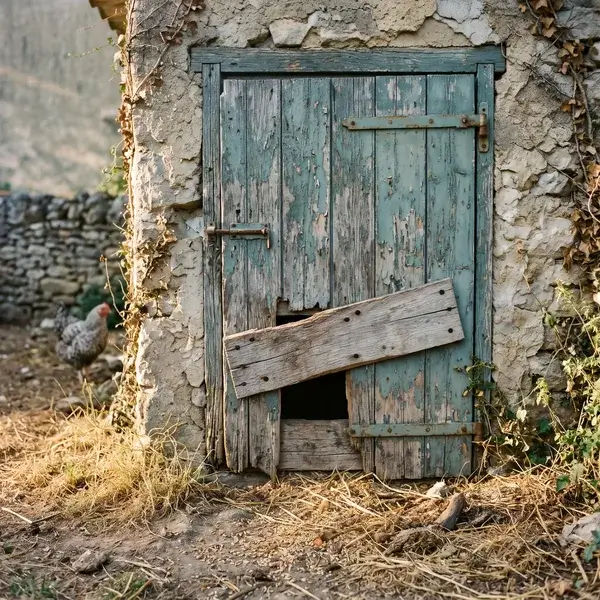
Even Van Gogh got a gift wrong
In January 1889, just out of hospital in Arles, Van Gogh painted the doctor who had treated him, the young Félix Rey, and gave him the portrait to say thank you. The family didn’t like it. The story goes that the doctor’s mother used it for years to patch a hole in the chicken coop. Today it hangs in the Pushkin Museum in Moscow.
Perhaps it’s the same mismatch as before: the giver thinks about the gesture, and the recipient, about their home.
Giving original art carries some of that risk: it’s one of a kind, you chose it, and it says something about how you see that person. The risk doesn’t disappear, but three things make it small: getting the size right, giving them a way to try it, and a way out if it doesn’t fit. With those, the sentimental option is much less daunting.
What you already know about their home
You don’t know their walls, but you know more than you think:
- whether their home is full of things or almost empty;
- whether their walls are white or coloured;
- whether they already hang art or keep everything bare;
- whether they live in a small flat or have room to spare.
That’s enough to decide something important: the size. A large piece usually needs a project: a clear wall and, sometimes, moving a sofa. A small one finds a place more easily, because many homes have a narrow stretch of free wall somewhere: next to a bookcase, above the headboard, in the corner where they work.
And if it’s a housewarming gift, even better: many of their walls are probably still undecided.
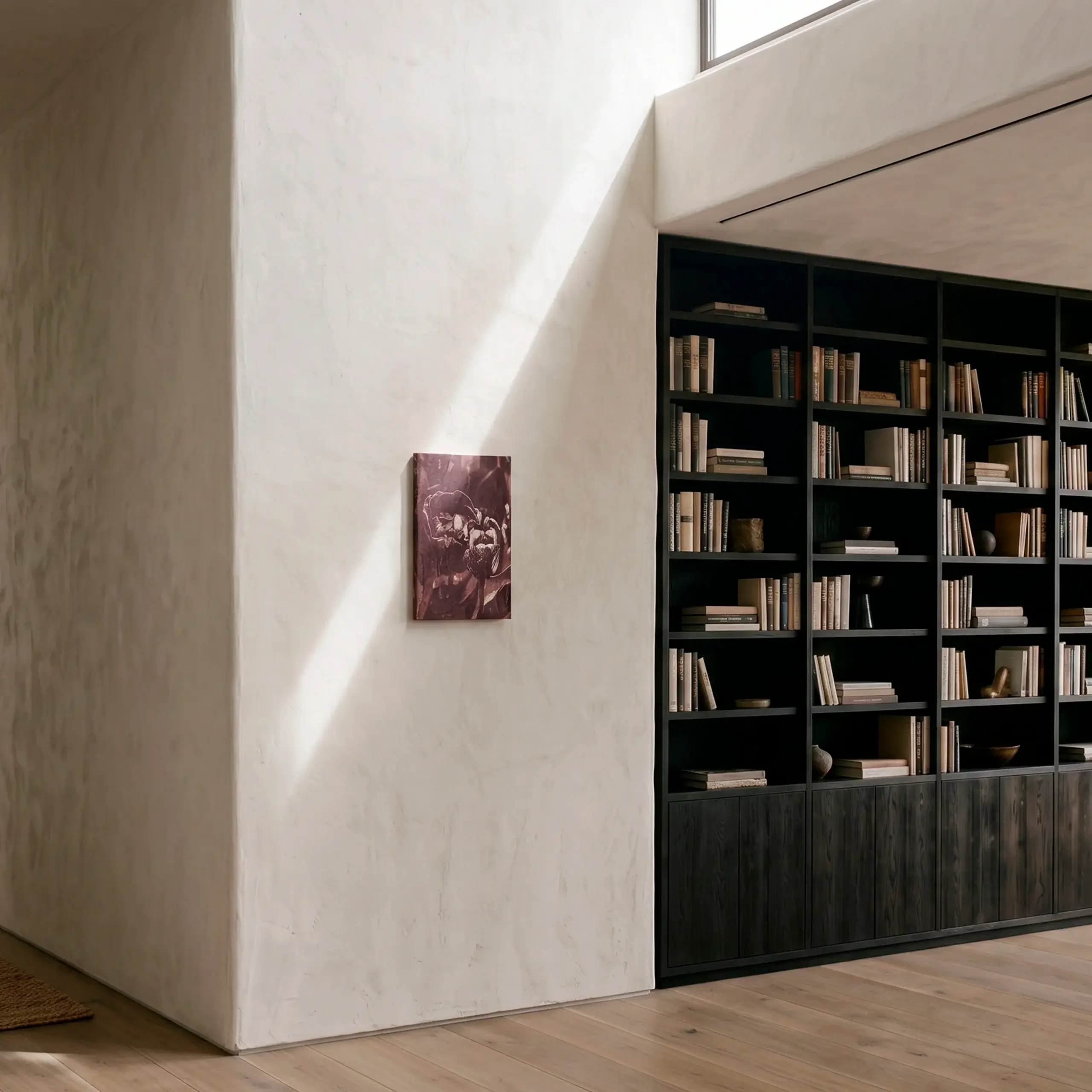
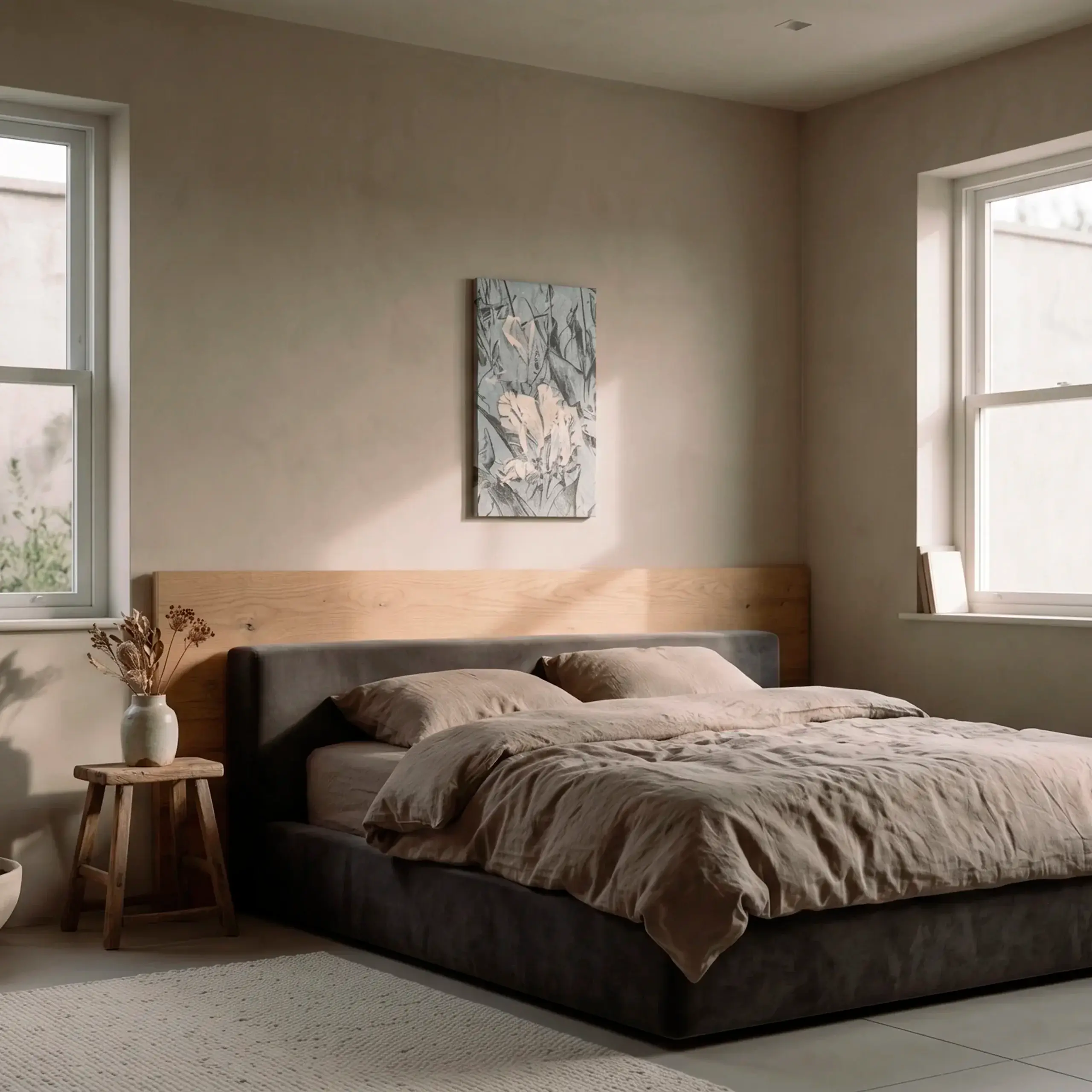
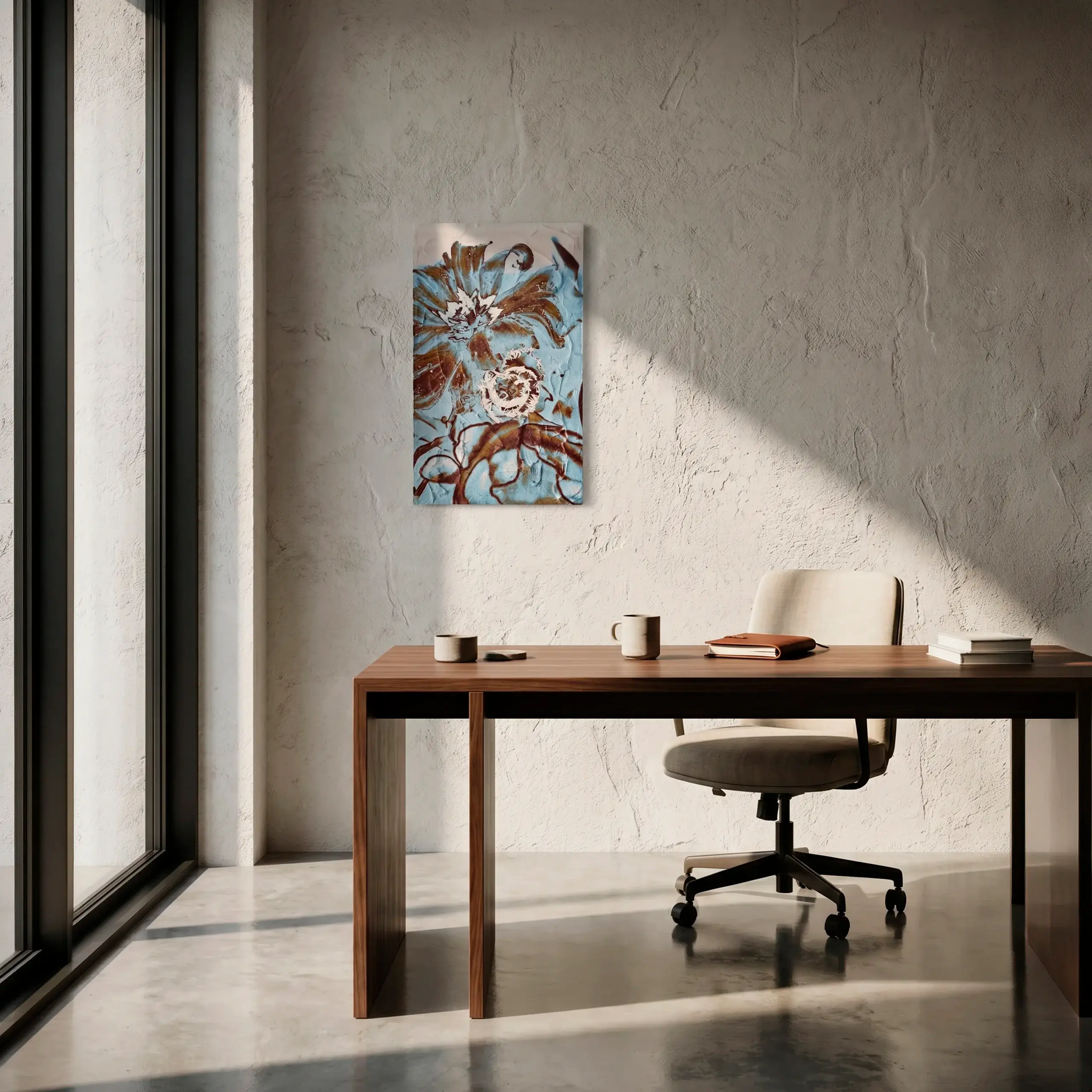
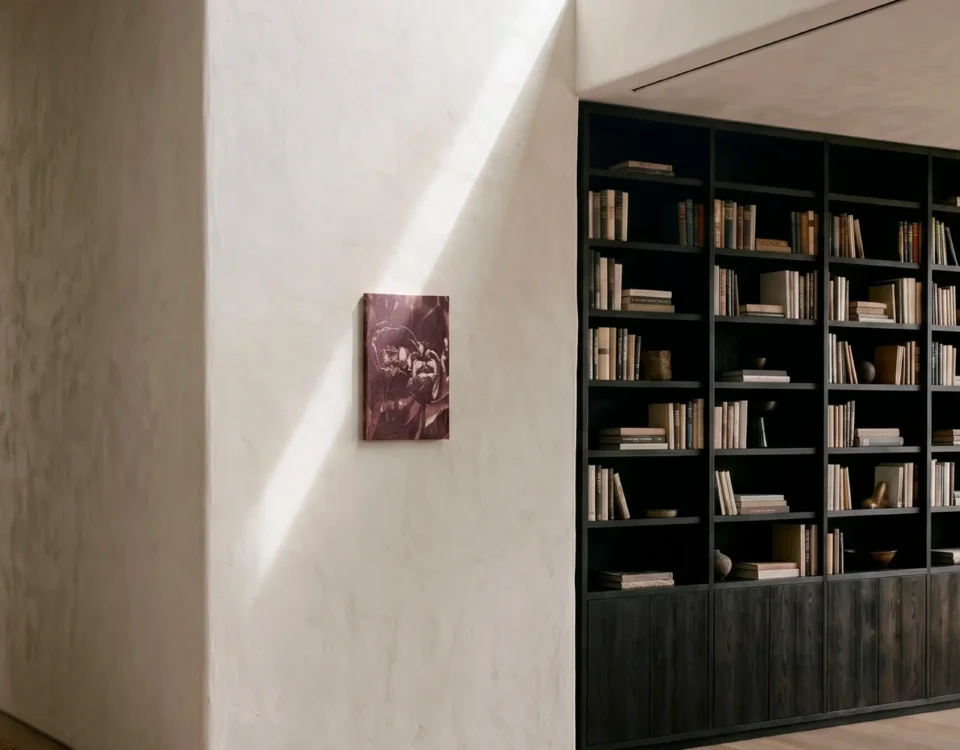
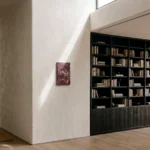
Three spots that often stay free in a home, with 33 × 55 cm pieces.
To give you an idea: our small pieces are 33 cm wide by 55 cm high (about 13 × 22 in). A rule of thumb we use: the piece takes up 60 to 75% of the width of the furniture below it, so a 33 × 55 suits a piece of furniture 45 to 55 cm wide (18 to 22 in), or none at all. On an open wall, the centre goes about 145 cm (57 in) from the floor; above furniture, 15 to 20 cm (6 to 8 in) above it (we cover it all in how high to hang art).
Drawn to scale. A 33 × 55 next to a 170 cm person, and above a chest of drawers, where the furniture sets the rules. The dashed line is a 65 × 81 in the same spot: wider than the chest.
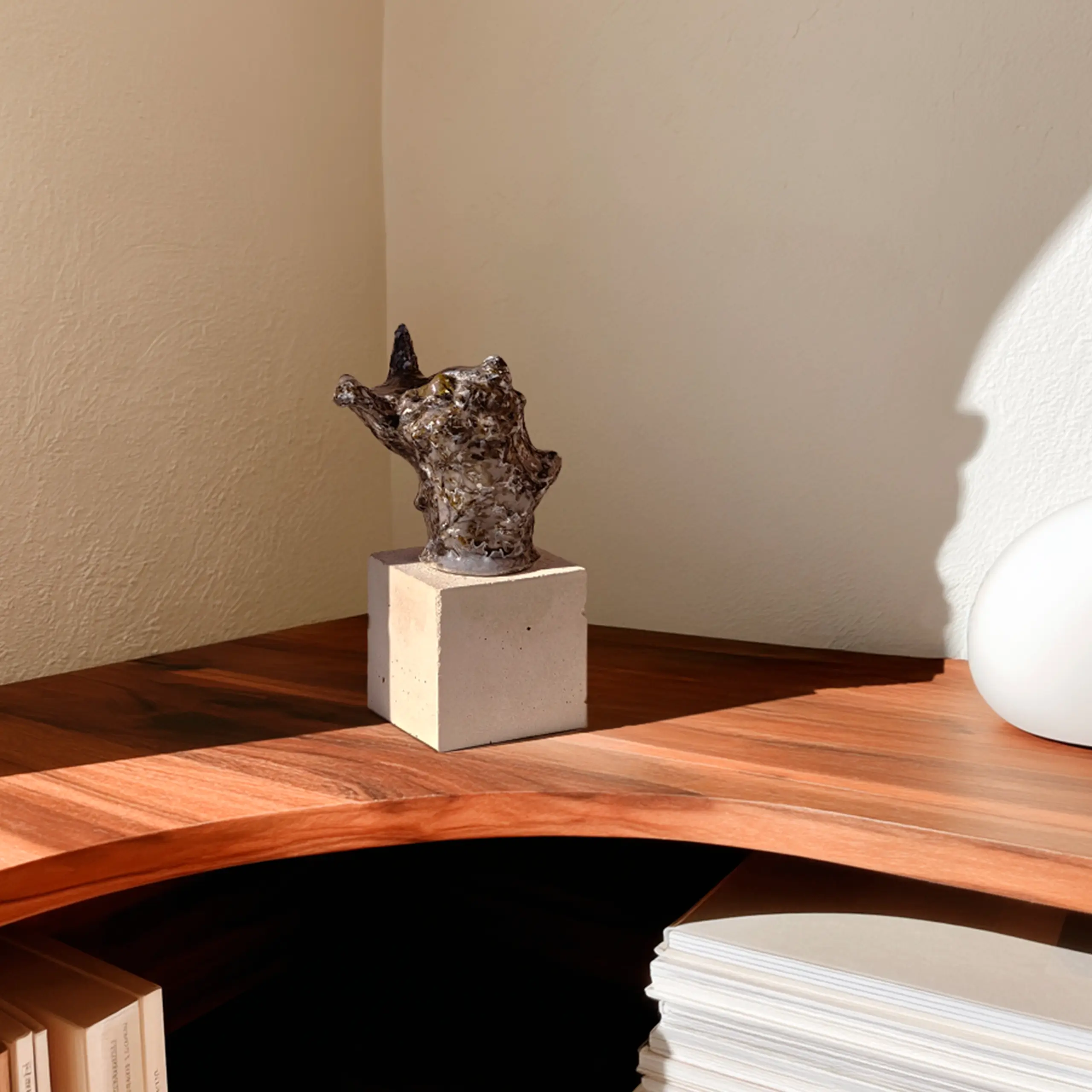
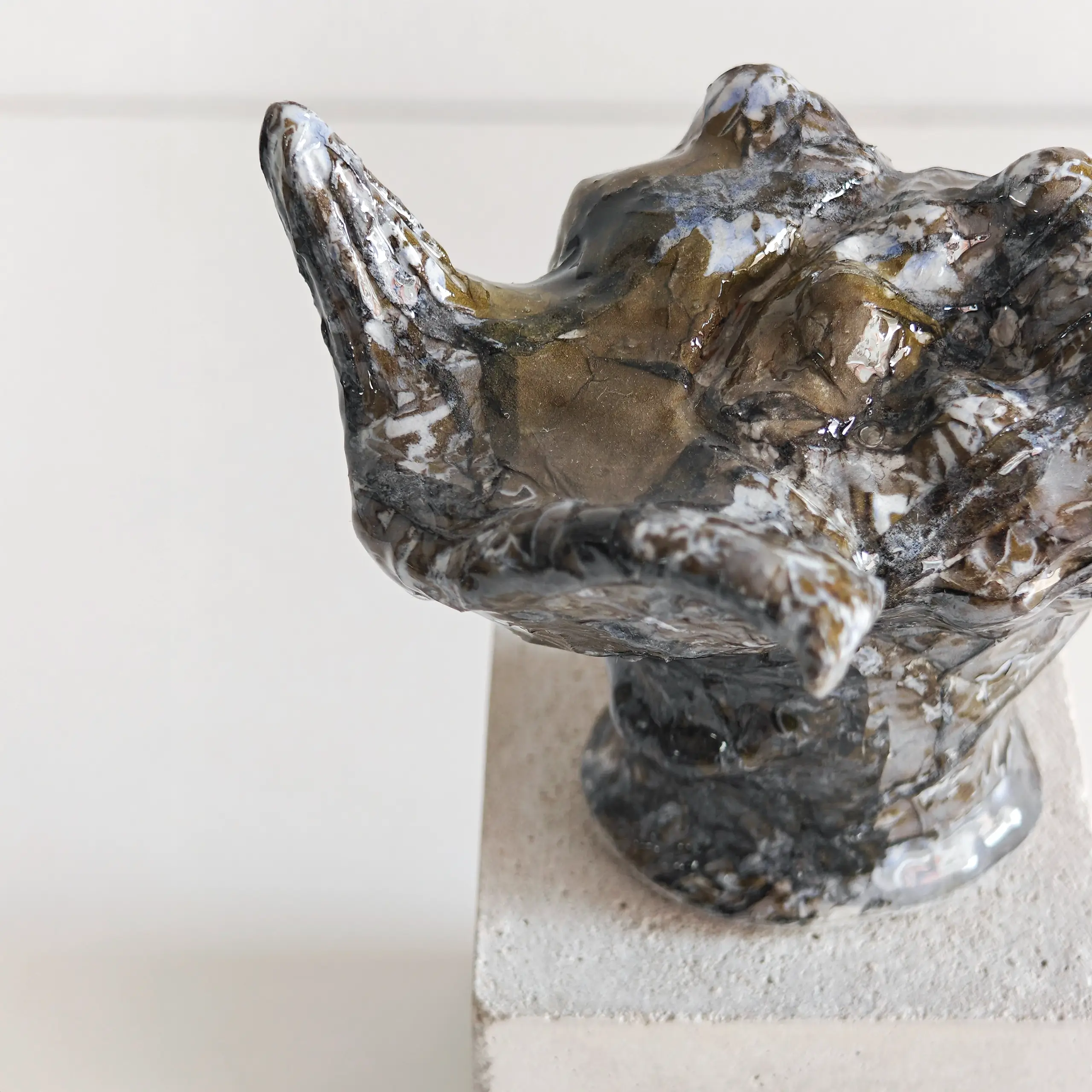
And if they don’t have a single free wall left, some works don’t need one. ‘BORAGE III. Eternal Potential’ is a 10 × 10 × 17 cm clay sculpture that lives on a table or a shelf.
The kraft paper trick, now for the giver
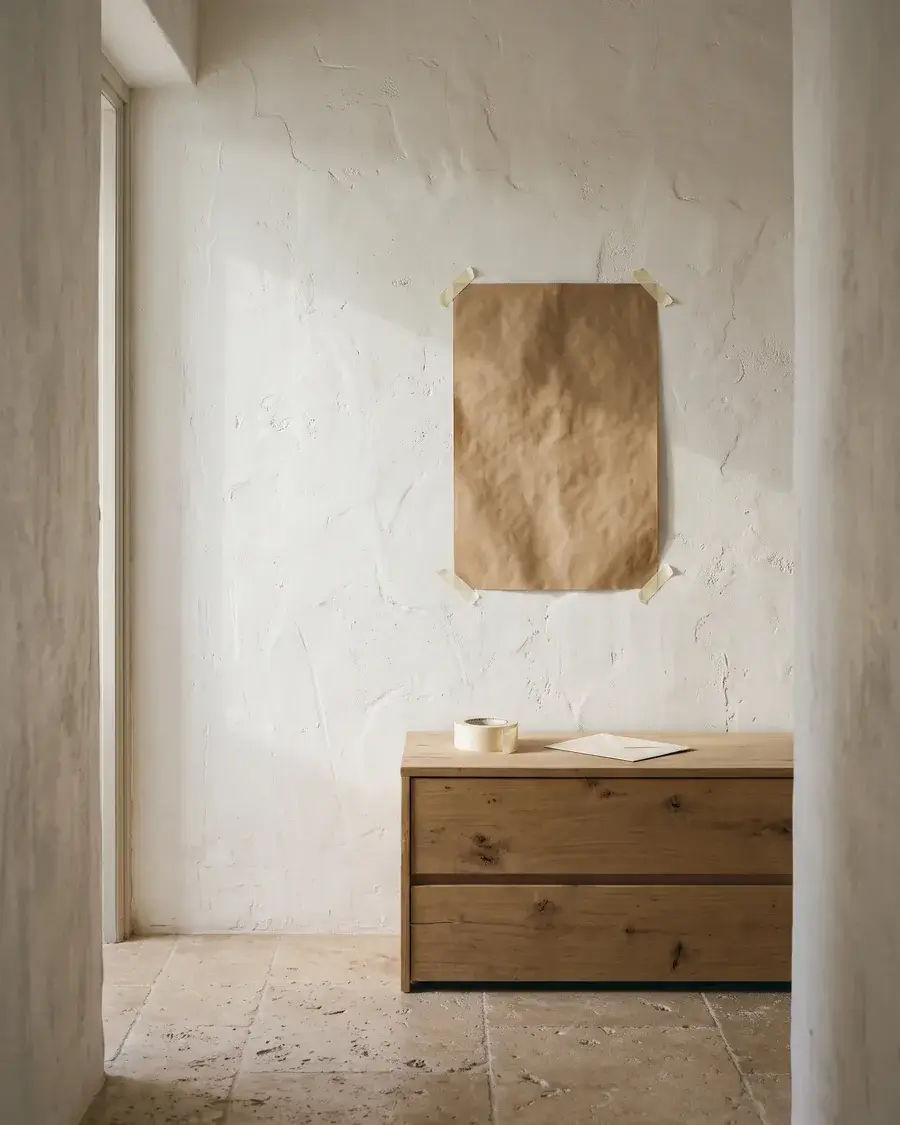
There’s a trick we love: before buying, cut a rectangle of kraft paper the size of the piece, tape it to the wall and live with it for a few days. The paper doesn’t show the work, but it does show the size and the spot. When it’s a gift you can’t do it on their wall, but you can do it twice.
Kraft paper, the gift version
- At home, before buying. Cut a 33 × 55 cm rectangle and stick it up with masking tape. On a screen it’s hard to judge the size of a picture; on the wall, much less so.
- Look at it from the doorway. It’ll help you see whether the size works from a distance too.
- Fold it and put it in the parcel, with the roll of tape and a note: “so you can try where you want it before making any holes”.
The gift arrives with its own trial, and the person who’ll live with it chooses the spot, as it should be.
Kraft means strength
This paper was invented by Carl Dahl in Danzig in 1879, and he named it that because it came out stronger than the paper of the day: Kraft is German for “strength”. So the paper we wrap fragile things in is literally called strength. It makes us smile, because that’s almost the theme of our Sword and Silk series.
Better a bit clumsy
And don’t stress over the wrapping. In a 2019 study, mugs were given wrapped neatly or sloppily, and between friends the sloppy one went down better: a perfect parcel raises expectations, and a clumsy one lowers them. With an acquaintance it’s the other way round, because there a careful wrap says the relationship matters to you.
Hand-painted or commissioned?
Many people look for a hand-painted gift. Often what they mean is not a print. There are two ways to get there: commission a painting from a photo (the person, their dog, their house) or choose a piece that already exists.
For a gift, the one that already exists has two advantages. You see it before you pay, and it can be returned: EU consumer law, and the UK’s, leave goods that are “clearly personalised” out of the right to cancel, and a commission is exactly that. If they don’t like it, there’s no right to send it back. A commission makes sense when you know exactly what they want; when you’re guessing, better something you can see.
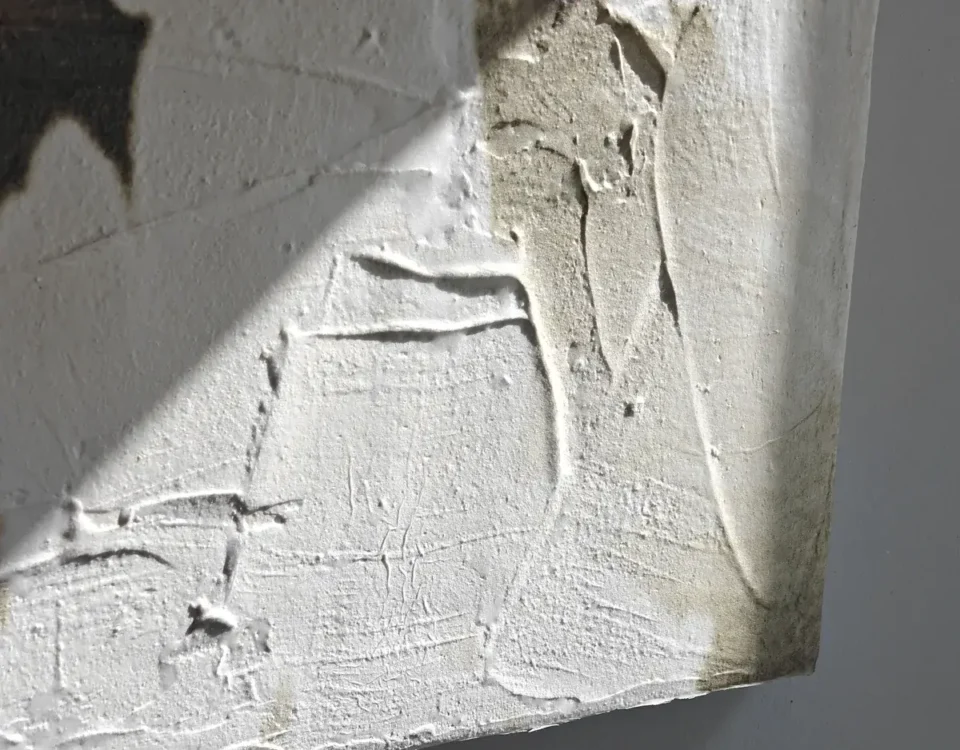
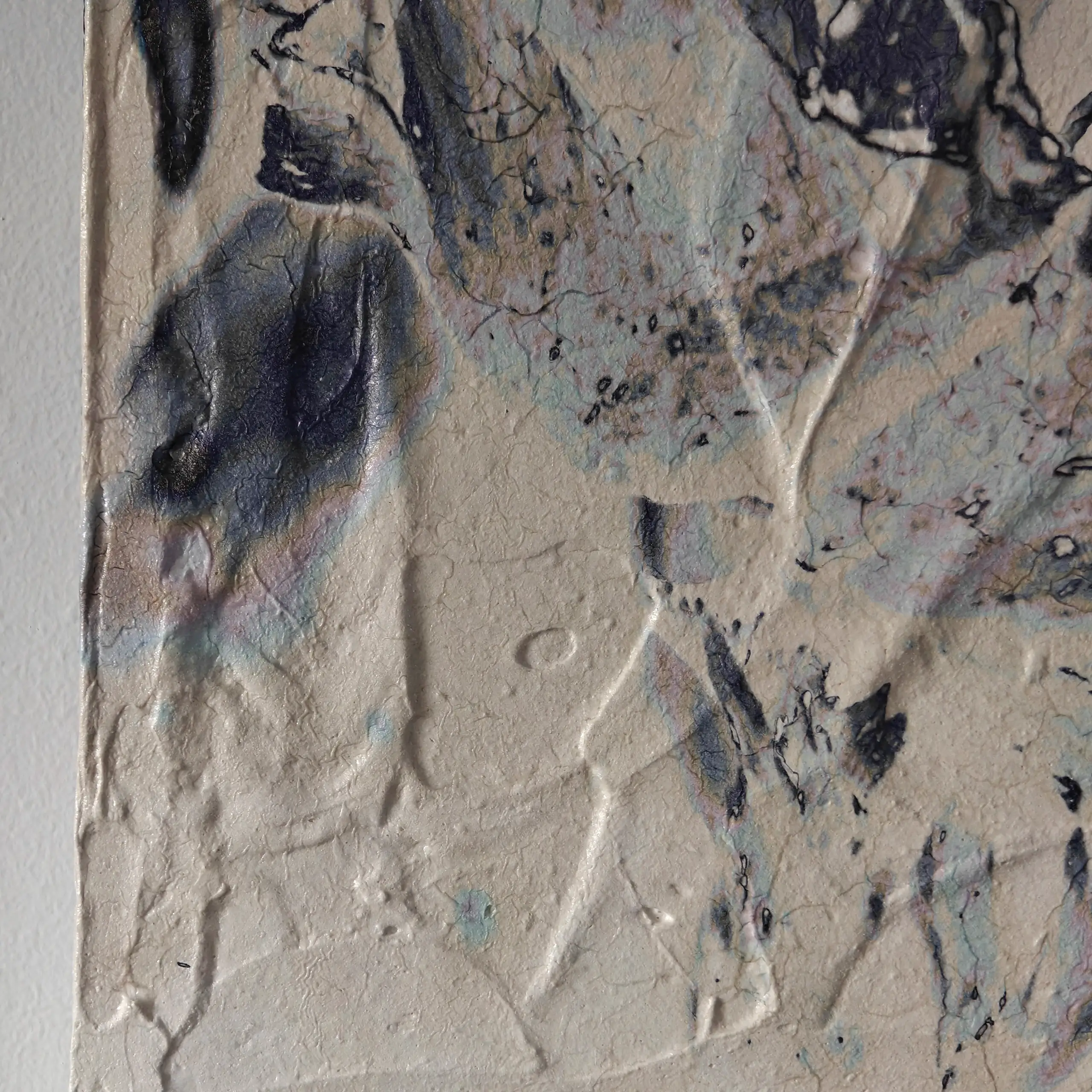
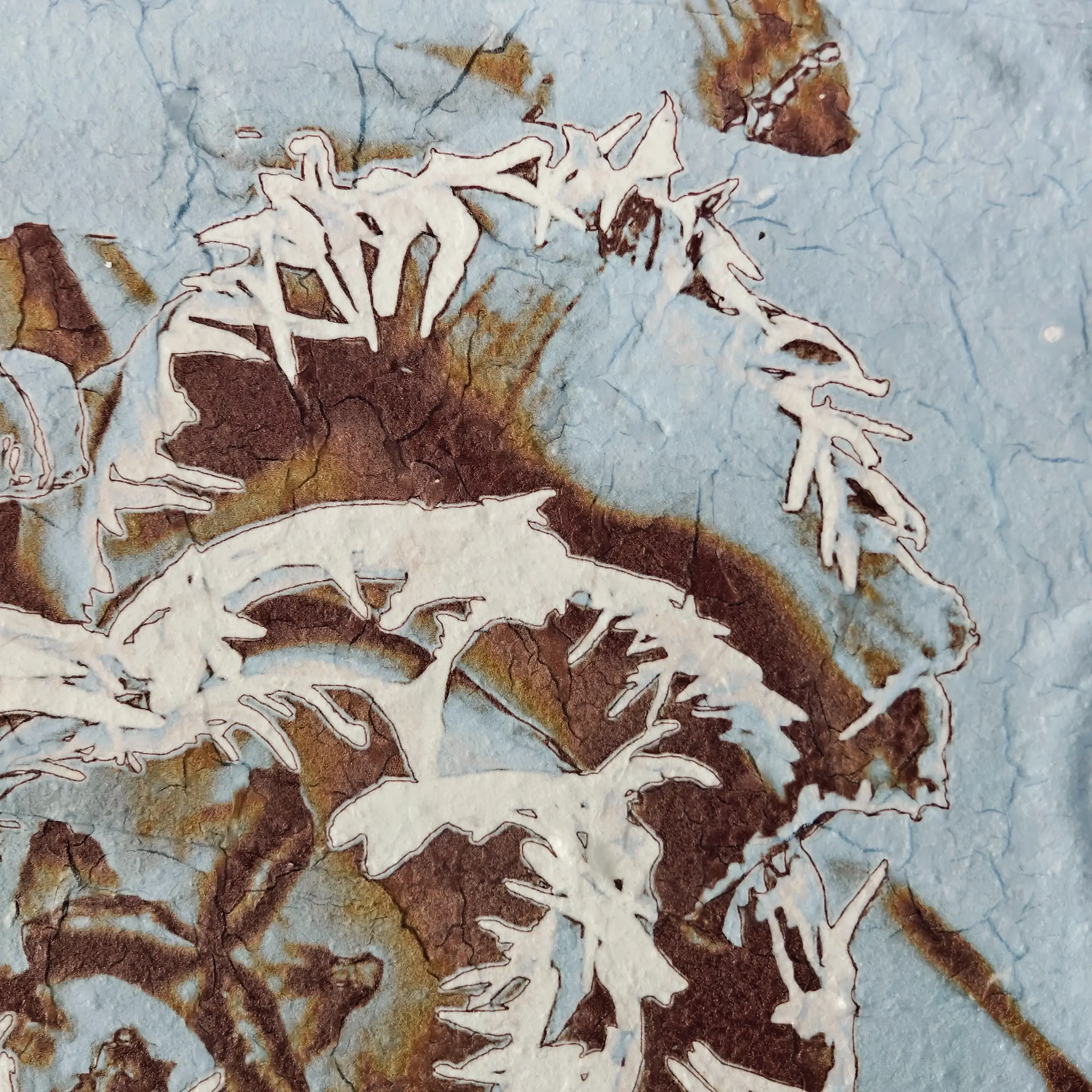
And a clarification, because we’re often asked: our works aren’t painted. They’re photographic reliefs. The image starts as a photograph of ours, which we work on until it almost stops describing the plant, and it’s transferred by hand onto a plaster relief we model ourselves, until it becomes part of it. The relief and the transfer are the work of our hands, but the colour comes from the image, not the brush. And each piece exists only once.
What if they don’t love it?
Gifts miss more often than we like to admit. In 1993 the economist Joel Waldfogel asked his students to put a value on the Christmas presents they had received: on average, they valued them at between a tenth and a third less than they had cost. In the European Union, an online purchase comes with 14 days to change your mind without giving a reason, and we give them to everyone, wherever they buy from. What isn’t always known is when they start.
Did you know…?
14 days
start counting when the piece arrives, not when it’s unwrapped. (Article 9 of the EU Consumer Rights Directive; UK law says the same.)
For a gift, that matters. If you send it straight to their home, the 14 days start when they receive it: you can put their address on the order, and there’s no paper with the price in the parcel. If it arrives at your place and you give it to them weeks later, the clock started when you received it.
That’s why we extend it at Christmas: orders placed in November and December can be returned until 15 January, or until 14 days after delivery if that’s later. They can open it on Christmas Day and still have time to think it over. Just order with time to spare: between preparing it and shipping, allow up to two weeks within the EU and about three to the UK, the US or Canada (all the times are on our shipping page).
Give it a few days
There’s one more reason not to decide on day one. In 2003 the psychologist James Cutting showed some little-known Impressionist paintings in his lectures more often than others, and by the end of term his students liked them more than other students who hadn’t seen them. In another experiment, with bad painting, the opposite happened: seeing it more made people like it less. Time helps you tell what you really like, and that’s what the trial days are for.
The order is yours, so if they want to return it, you write to us with the order number. The piece goes back as it arrived, the return shipping is paid by the buyer, and we’ll help you pack it properly. All the details are in our returns policy.
The story is part of the gift
An original work arrives with more than the image: its story, which is what the person who receives it will be able to tell when someone asks, “What’s that?”
In the box with each piece there’s a folded card with the poem Teresa wrote for it, the series it belongs to, the photo of the plant it comes from and a few lines handwritten by us. And its certificate of authenticity, numbered and signed by both of us. If you ask, the certificate goes in the recipient’s name: just email us their name at info@cobelio.com, with your order number, as soon as you’ve ordered.
The story of an unplanned borage
We went to the fields of Sant Climent to photograph cherry trees in blossom and came back with borage: it was growing all around, so striking that we took some home. Its flowers are so small that sometimes we had to move them with modelling tweezers. The sculpture came eight years later: we modelled it on Valentine’s Day.
That story travels with ‘BORAGE III. Eternal Potential’, and it’s the one whoever owns it will be able to tell.
What we can’t write is your part. In 2018 Amit Kumar and Nicholas Epley asked a group of people to write a thank-you letter and to guess how the other person would feel reading it. On average, they got the same thing wrong: they worried about finding the right words, and the reader cared about the gesture. So write a note, and make it about why you chose it, not about the piece. Three questions can help:
A note for giving art as a gift, in three questions
- Where did you see it, and what were you doing?
- What, or who, did it make you think of?
- Which wall in their home do you picture it on?
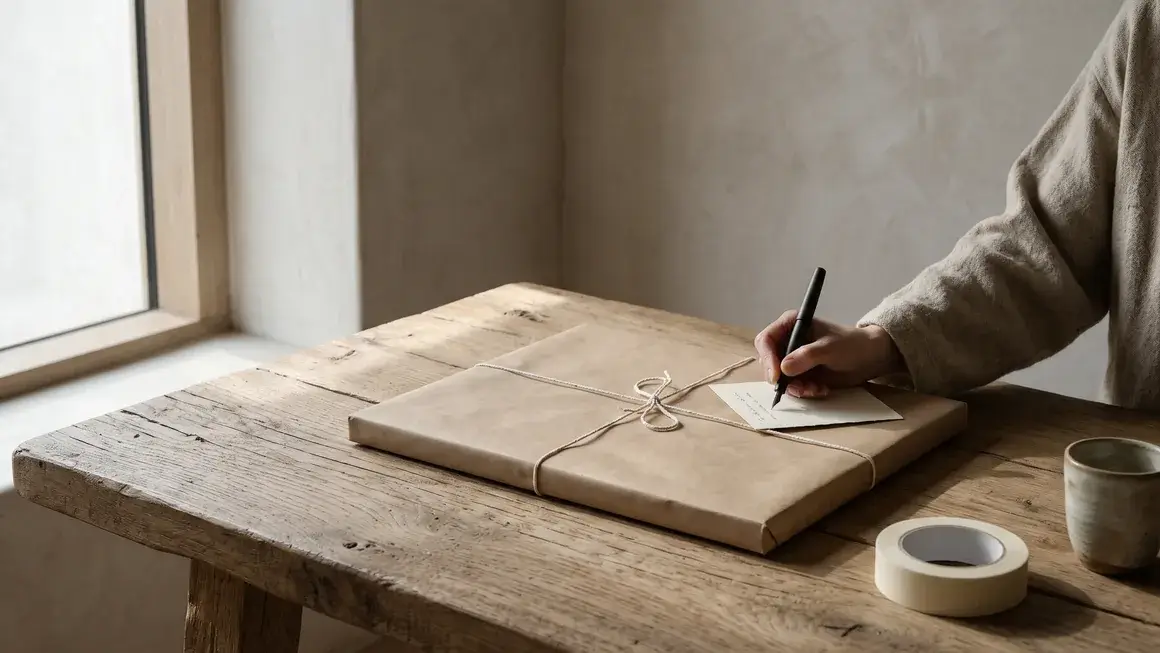
Wrapping paper usually ends up in the bin; a note like that can be kept for years.
A piece for every person
If you ask us, we wouldn’t choose by the wall, but by the person. And tulips know a thing or two about gifts.
The gift that blooms every May
In 1943 Princess Juliana of the Netherlands, in exile in Canada during the war, gave birth to her daughter Margriet in an Ottawa hospital. Back home after the war, the Dutch royal family sent Canada 100,000 tulip bulbs to say thank you.
More have arrived every year since, and every May Ottawa holds a whole festival around that gift.
Our seven 33 × 55 cm tulips are a good place to start. Each has its own poem, and some seem written for someone in particular:
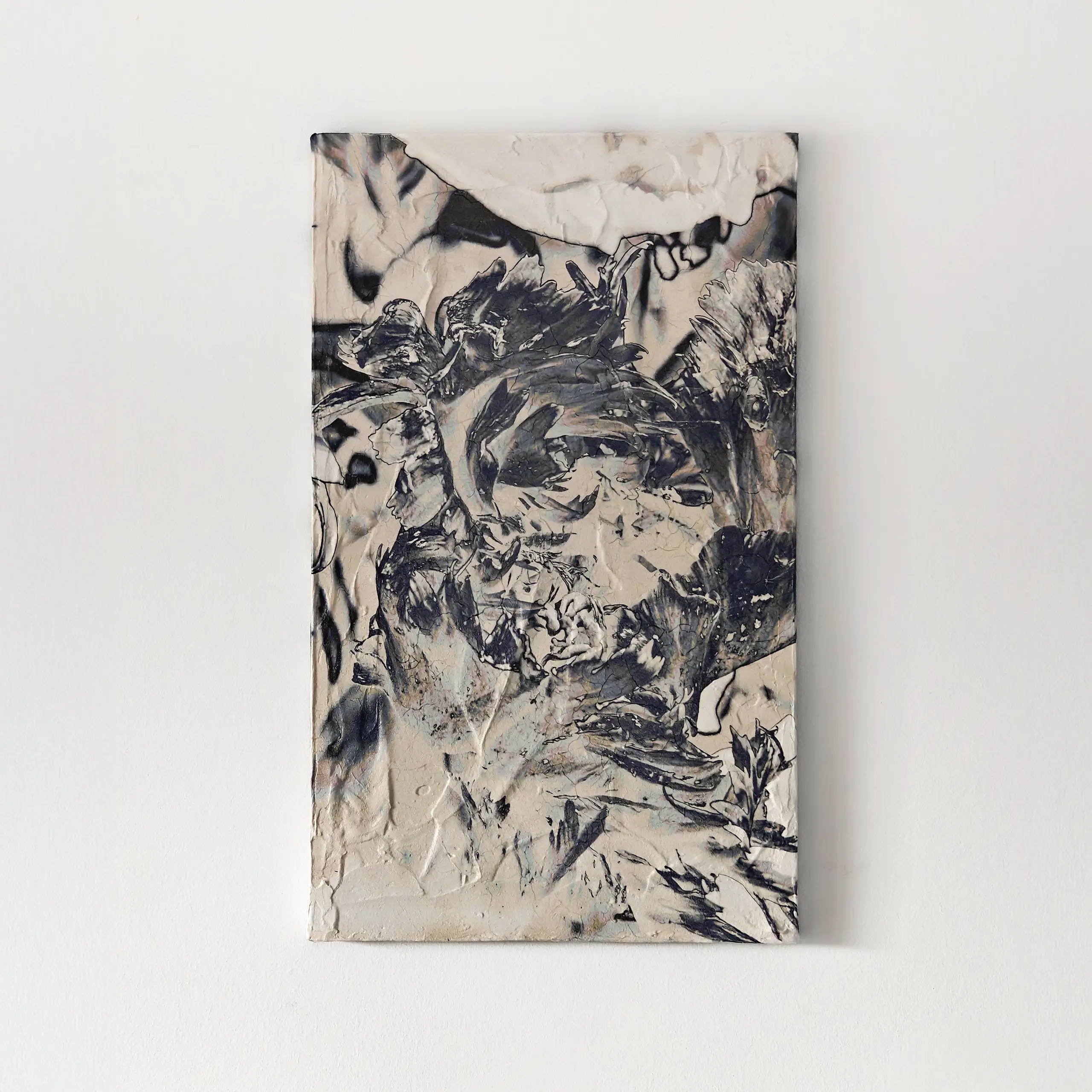
For someone who’s had a hard year
“the plaster holds it effortlessly, the way a calm mind holds a difficult day”
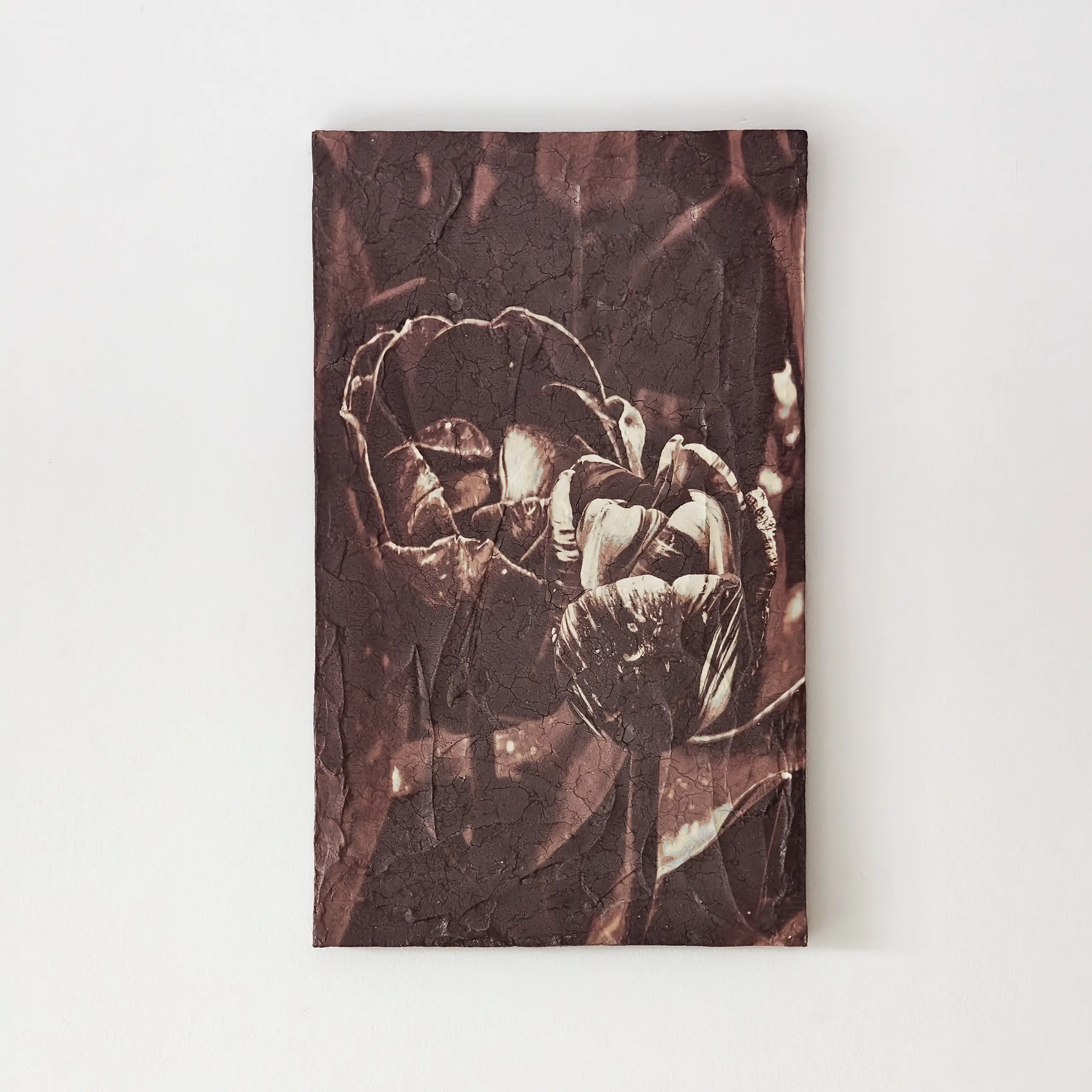
For a couple, or a long friendship
“bloom anyway, side by side”
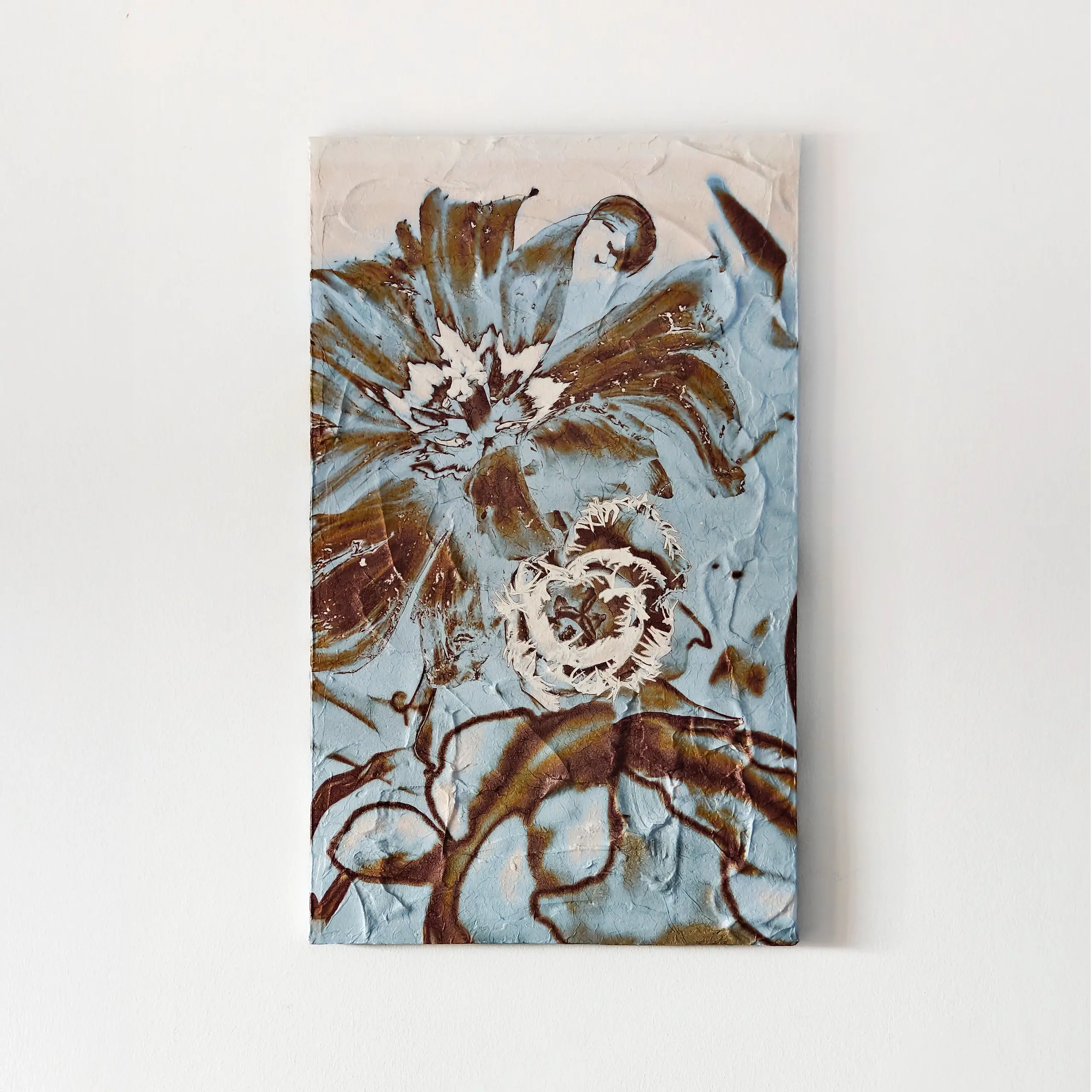
For a new home
“the fevered beauty that once traded for the price of a house”
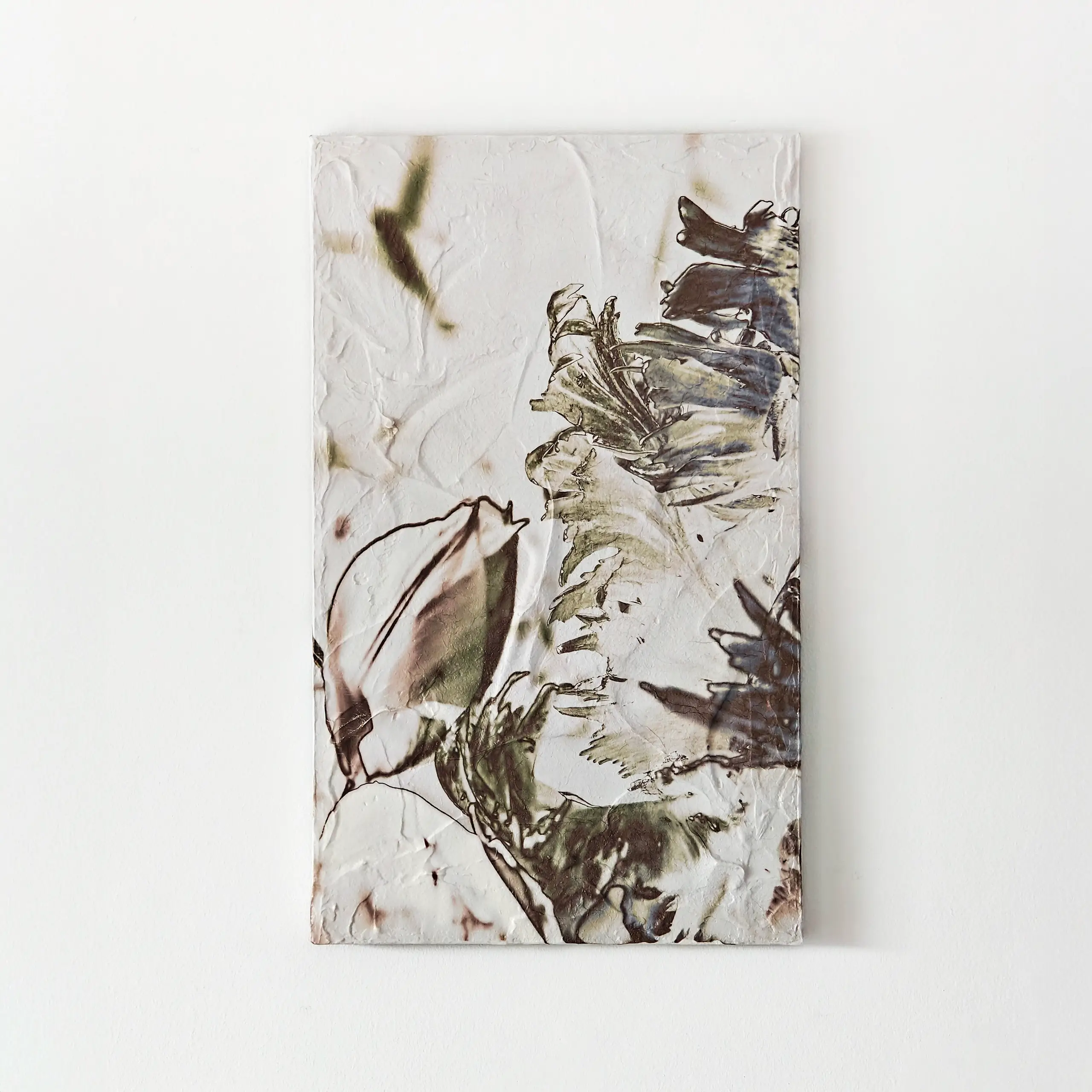
For someone starting something
“Some certainties need no finishing”
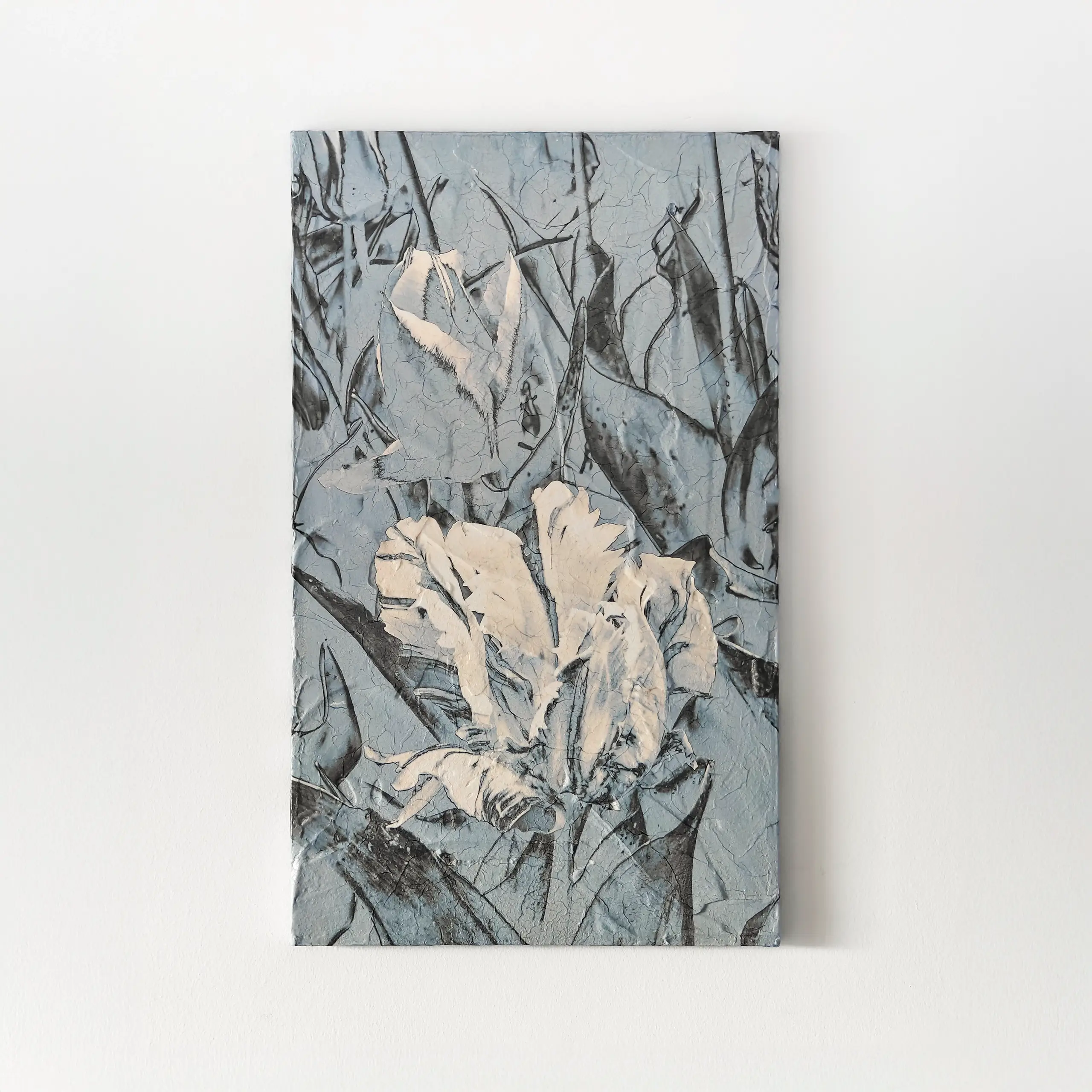
For someone coming out of something
“a pale bloom surfaces like a swimmer reaching air”
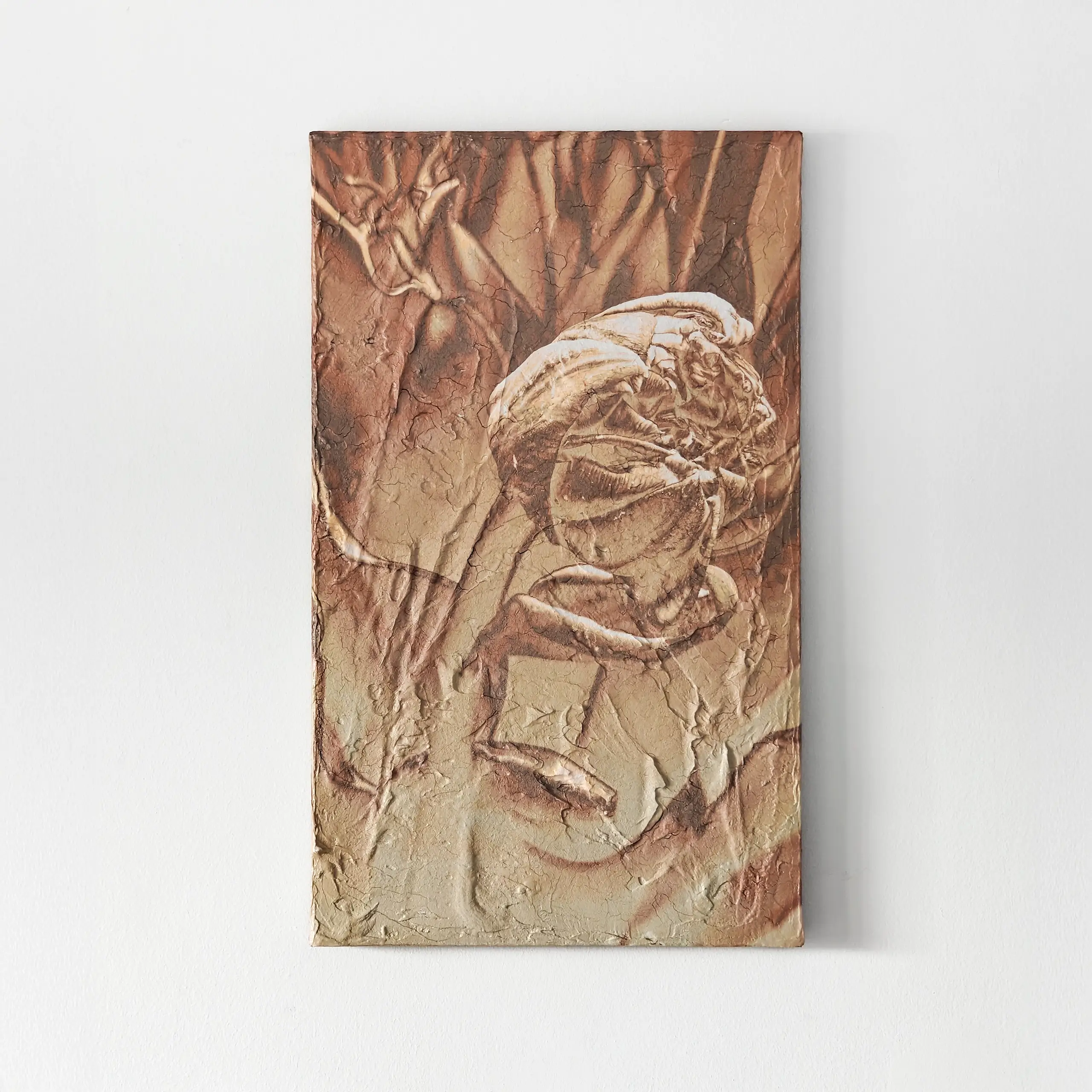
For someone who needs their time
“being held is also a way of blooming”
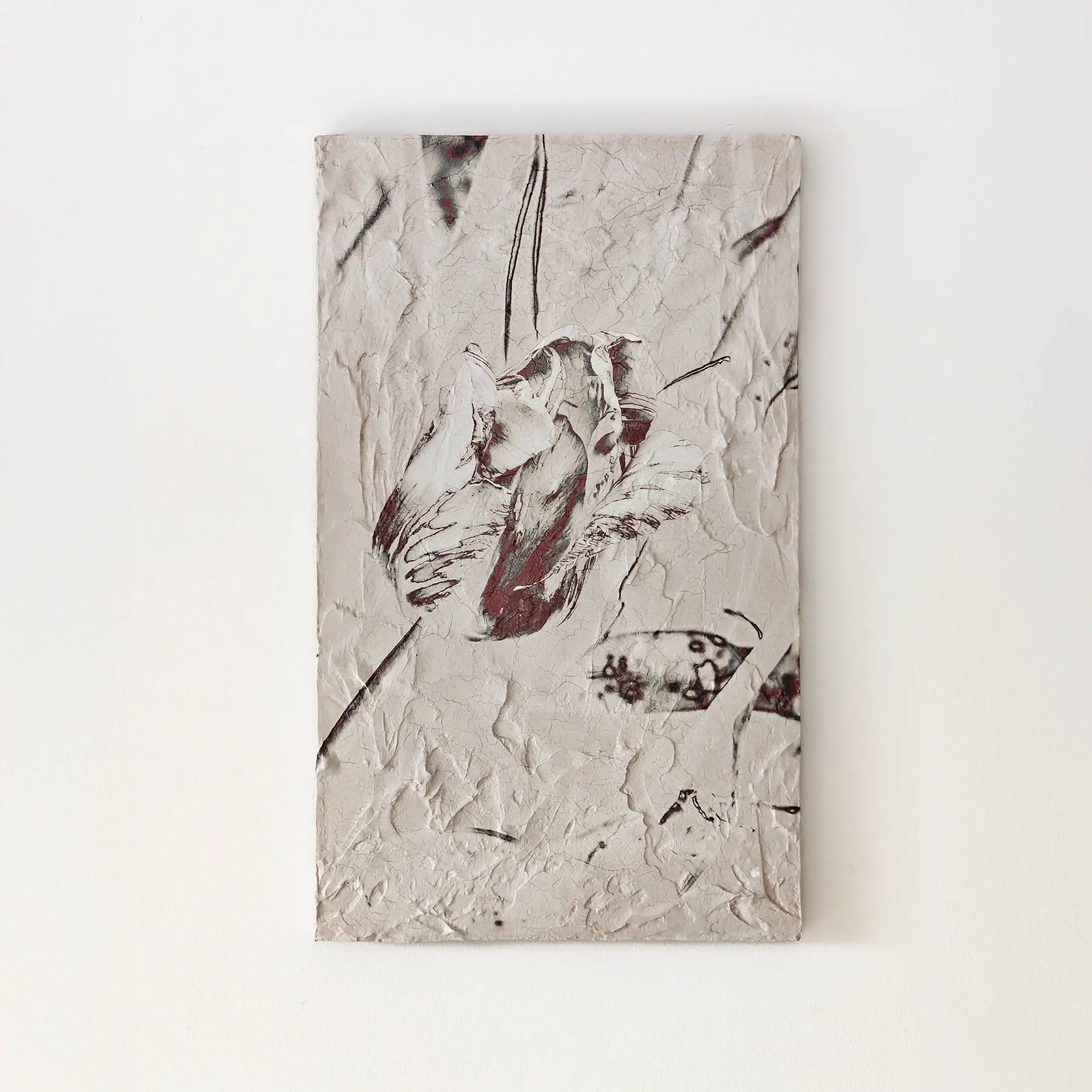
For an almost empty home
“The quietest presence in the room”
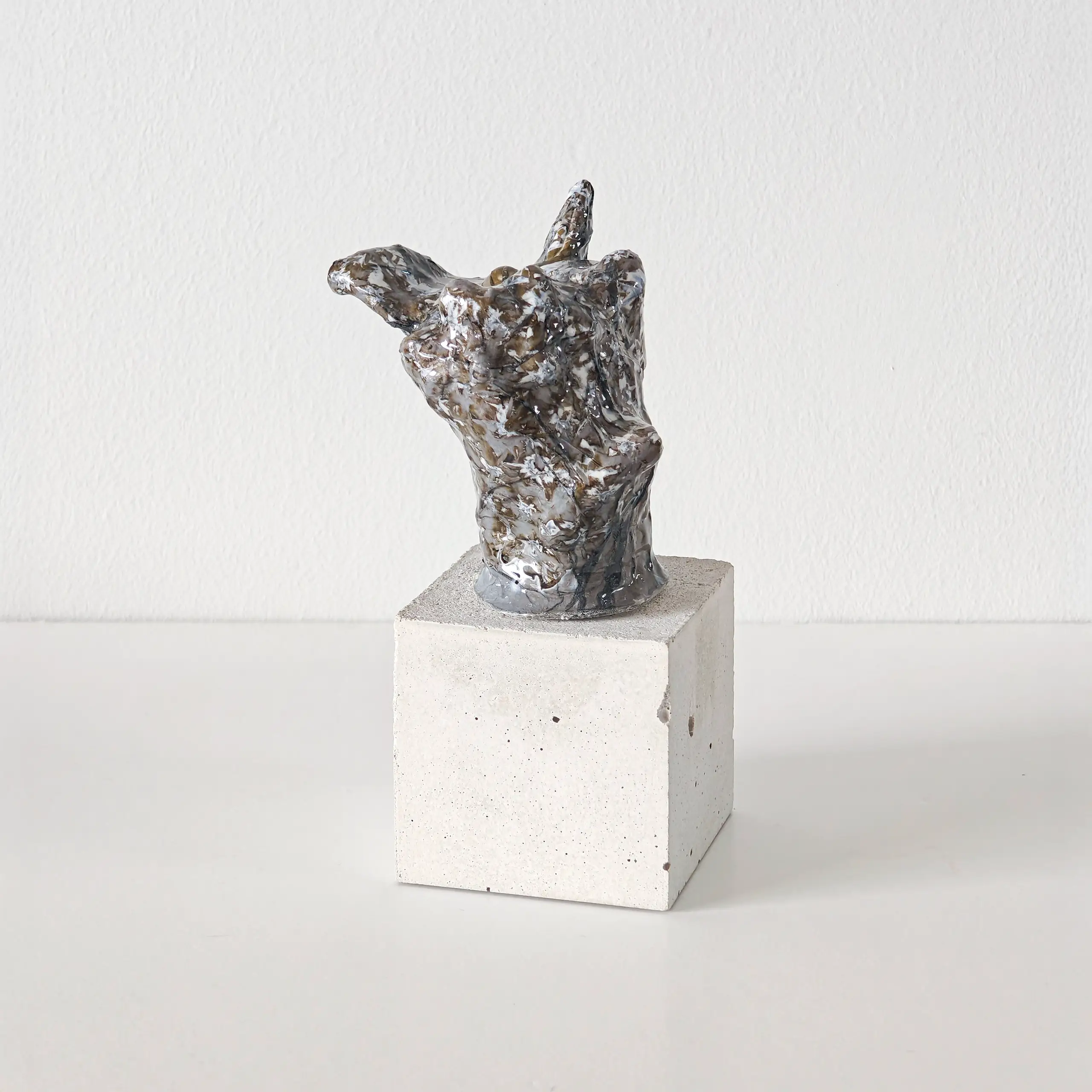
For someone about to take a leap
‘BORAGE III. Eternal Potential’
“the push we all need at some point in our existence to go beyond”
And for a wedding, or a gift from several people, two small pieces together work too.
From Nature to Canvas
Art given well is chosen with more in mind than the moment it’s opened.
It’s also chosen for an ordinary afternoon a few years from now, with the piece on their wall. And if you’d like it to arrive with instructions, our articles on how high to hang art and how to light textured art are free to forward with it.
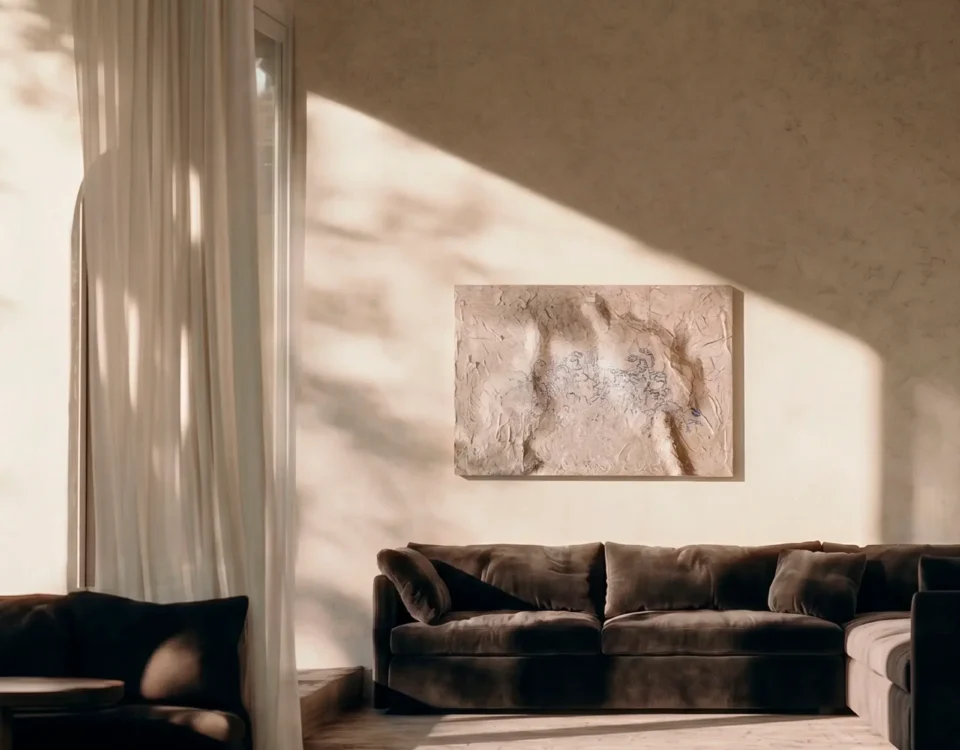
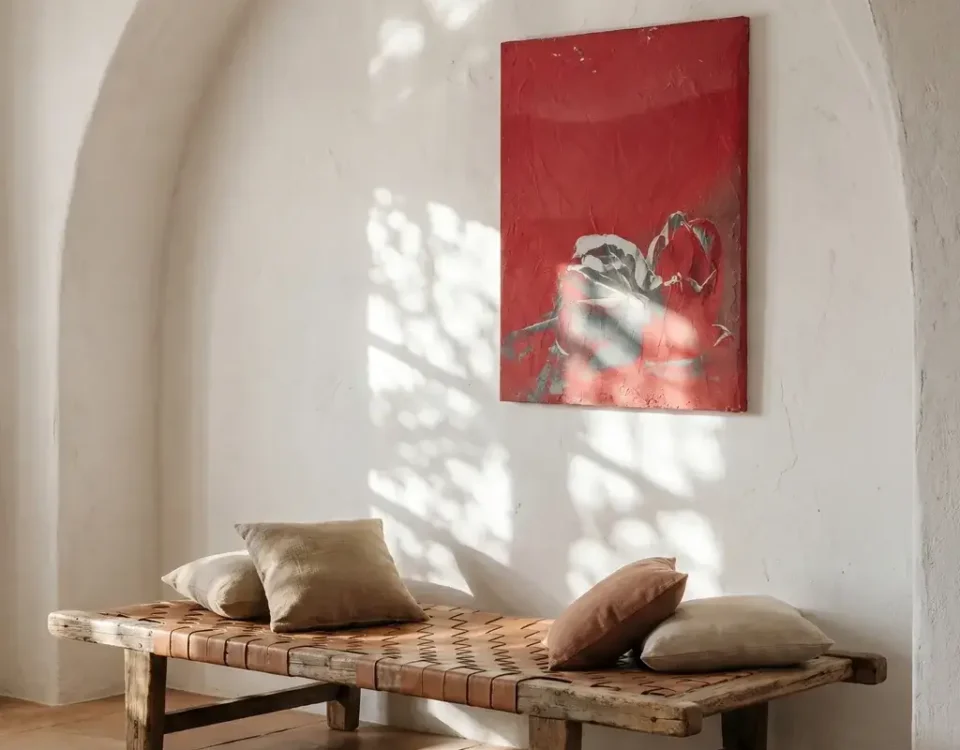
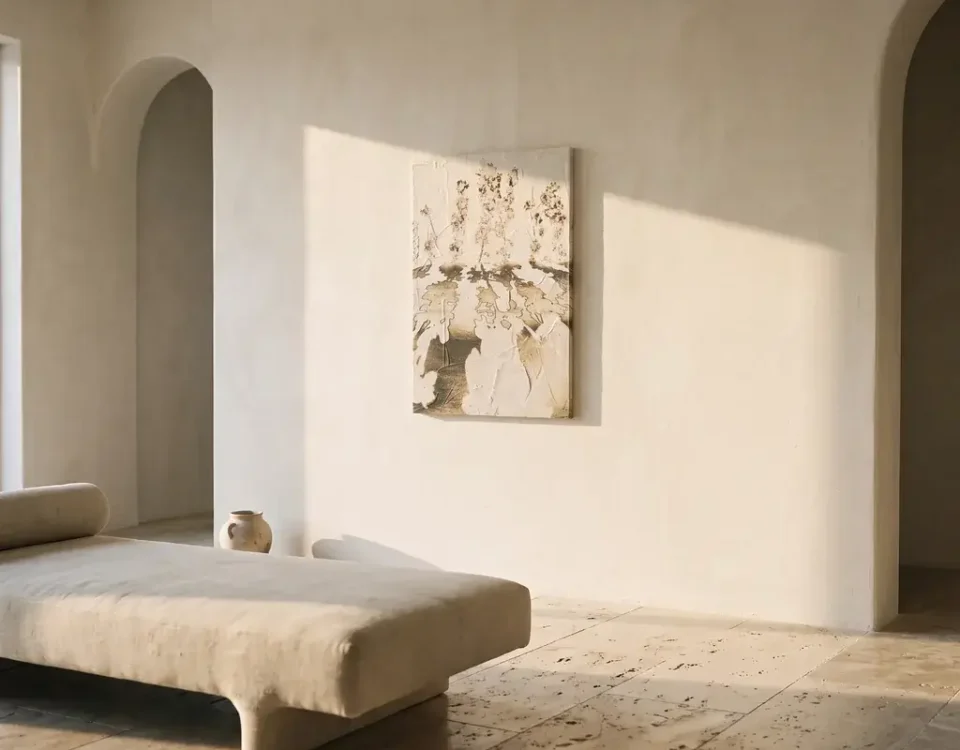
The cover, the kraft paper scene, the handwritten note, the chicken coop and the room settings with works are visualisations. The close-ups and the photos of each piece are photographs of the works.