
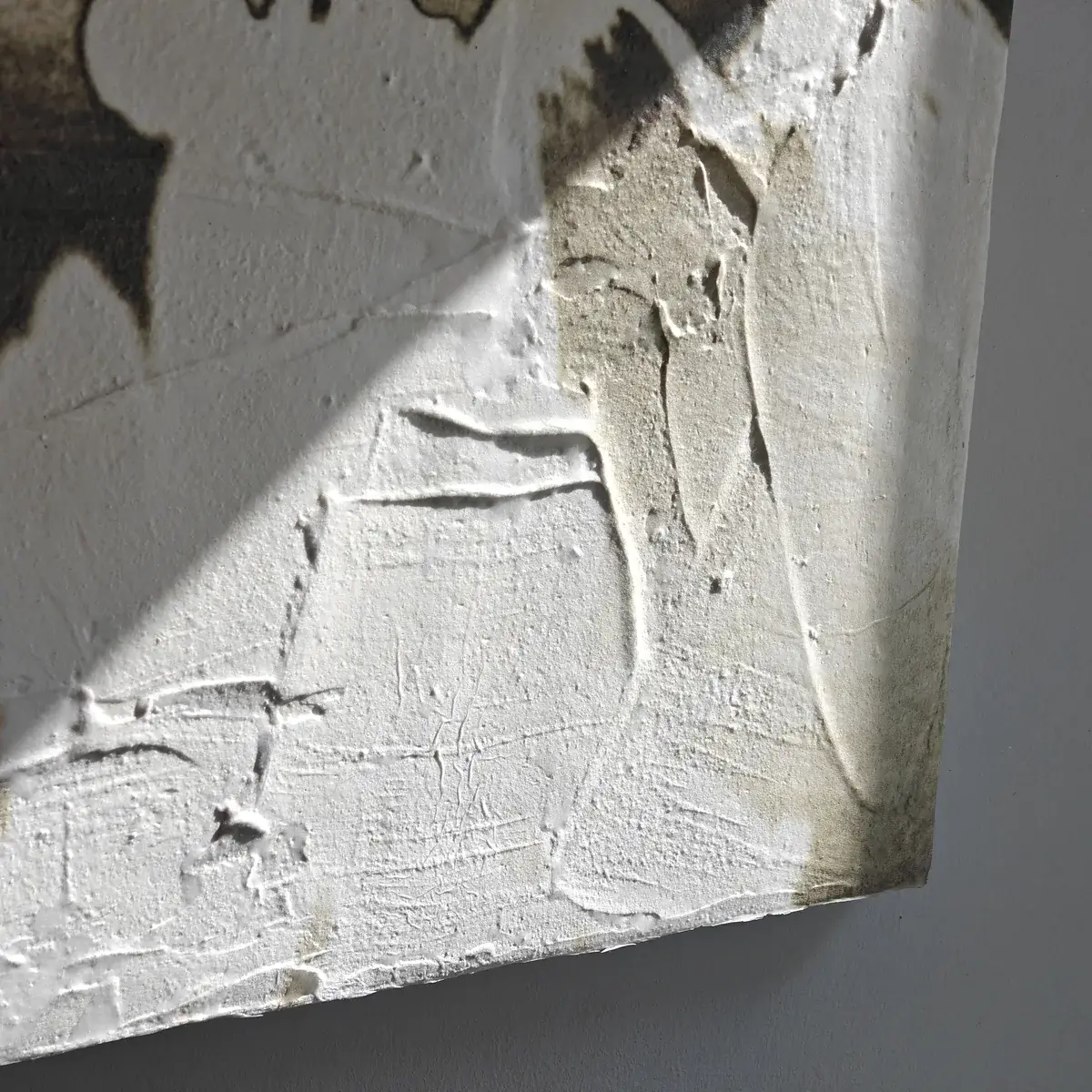
Six out of ten
In November 2024 the writer Scott Alexander put fifty images online, some made by people and some by image generators, and asked his readers to sort them. Eleven thousand did. The median score was 60 per cent. Tossing a coin gets you 50. Only five people out of the eleven thousand got 49 of the 50 right.
It was an open survey on a blog, not a lab study, and it's worth reading as that. But two of its results stay with you. The two pictures people liked most were both generated. And a landscape Paul Gauguin painted in the early 1880s, Entrance to the Village of Osny, was taken for AI by almost everyone who saw it.
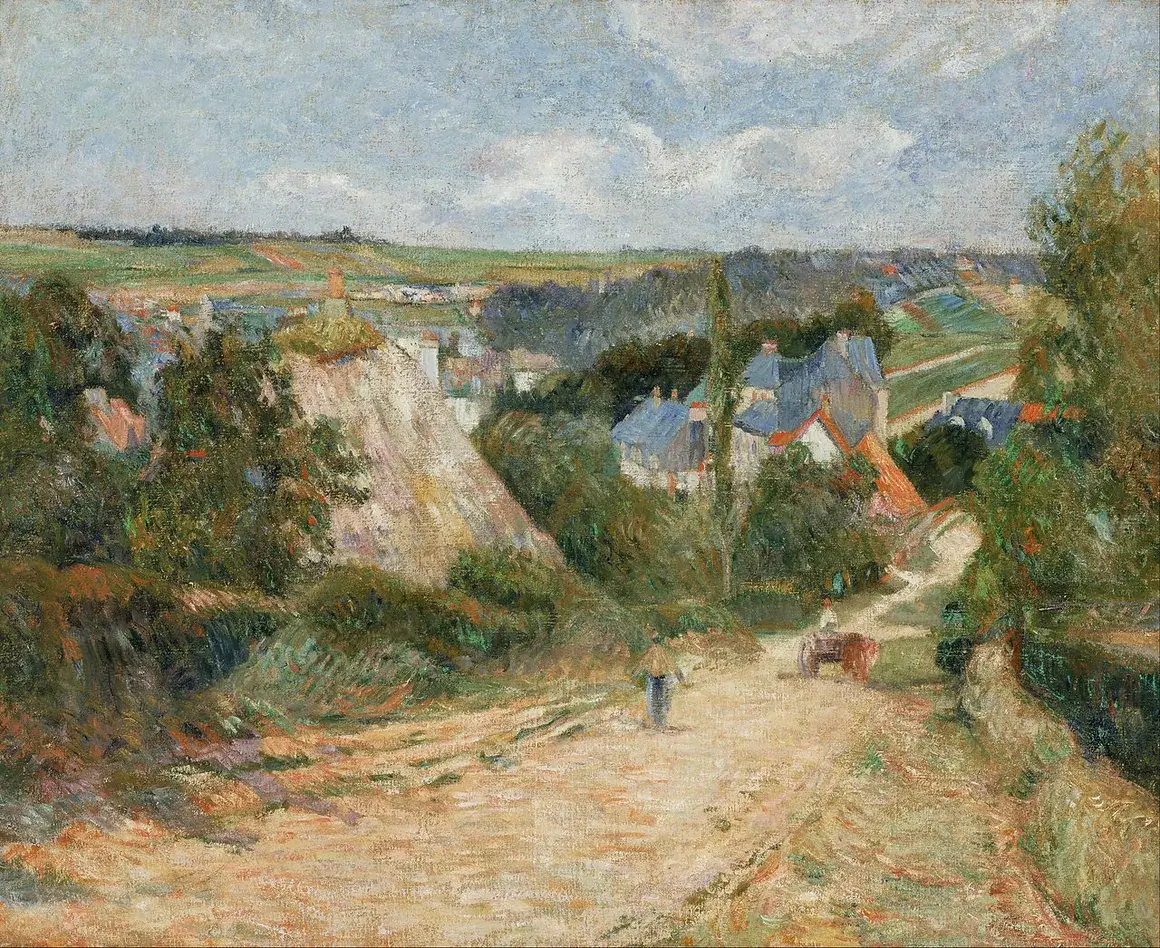
Paul Gauguin, Entrance to the Village of Osny, 1882–83. Museum of Fine Arts, Boston (public domain). A real painting, not a visualisation.
That second result is the one to keep. When the tricks for spotting AI fail, they don't only let fakes through. They also convict real artists. People in the test judged by medium rather than by the work: whatever looked digital was assumed to be generated, whatever looked like paint was assumed to be human. Professional artists did better, but not by much: 66 per cent, against 60 for everyone else.
So this isn't a checklist that ends in a verdict. It's a way of looking that holds up as the machines improve, because it moves the question from the picture to the object.
Did you know...?
5 people in 11,000
got 49 of the 50 pictures right. Nobody got all fifty.
Three questions hiding in one
"Is this AI?" usually stands for three different questions, and each has its own test.
The picture
Is the image generated?
That's a question about the picture, and it's the one a screen answers worst.
The surface
Is the object a print?
A generated image, a photograph or a painting can all end up printed on canvas and sold as original art. That's a question about the surface, and you can answer it with a torch.
The decision
Is it the only one?
A hand-painted piece can come in editions, and a print can be signed and numbered. That's a question about a decision, and no photograph answers it.
The first gets all the attention. For someone about to pay, the second and third matter more.
How to spot AI art (while you still can)
Generated images still slip, and the slips are worth knowing. Look where the picture has to make sense rather than look good: fingers, lettering, the legs of a chair, a reflection in a window, the point where a leaf meets its stem. One of the best scorers in that test put her method in a sentence:
“When real pictures have details, the details have logic to them.”
Ilzo, one of the best scorers in the test
A generator produces detail that looks rich and stops holding together when you follow it.
Two habits help. Look at more than one photograph of the same piece: an object shot from three angles keeps the same crack and the same chipped corner, while a picture made three times tends to drift. And look at the rest of the artist's work, and at how it gets made. A body of work made by people has a direction, false starts, a hand that changes over the years, and most artists are glad to show you the process, failures included.
Be honest about the limits, though. Those slips are exactly what each new model fixes, and the list above will age. We know it from our own side. We use image generators ourselves to show our pieces in rooms (more on that below), feeding them many photographs of each work, and the results are good enough that we can't always tell them from photographs either. A screen is a weak witness, and it's getting weaker.
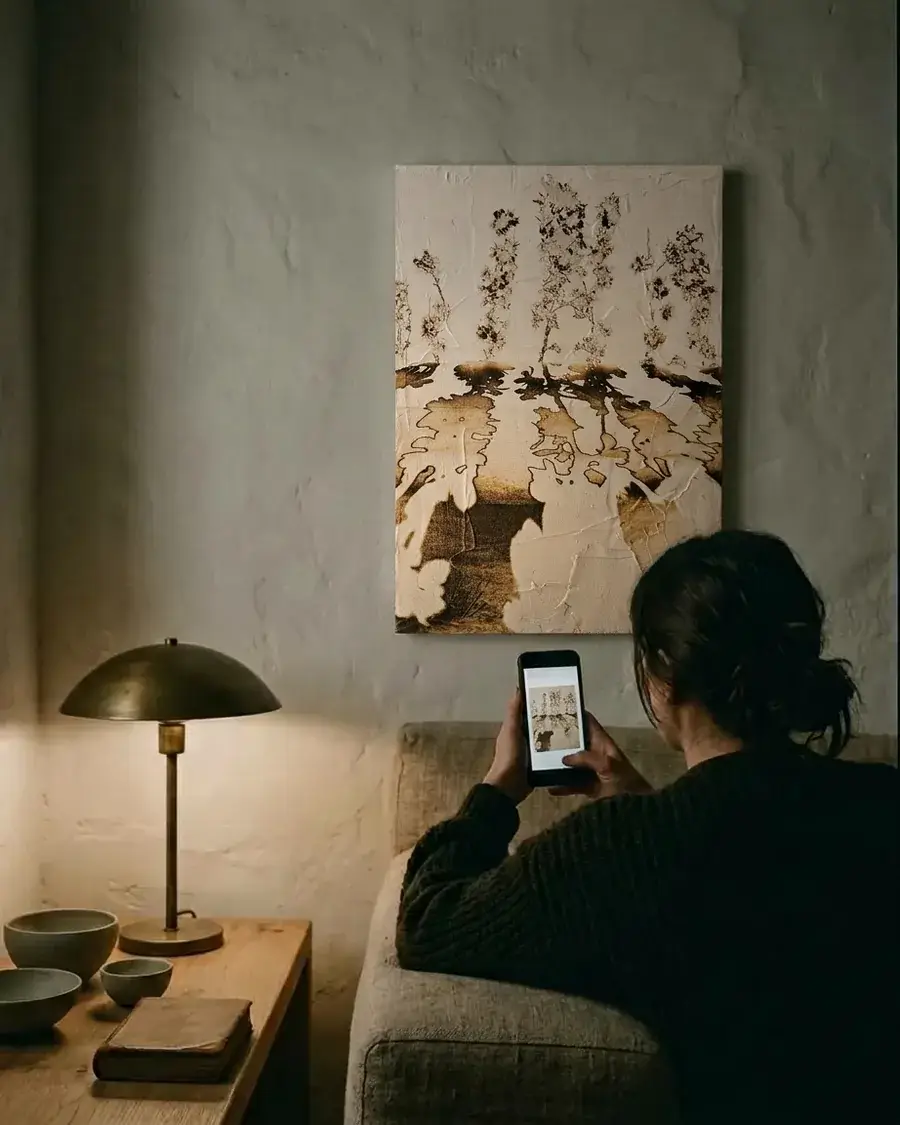
How to tell if a painting is original: take it sideways
The second question is easier, because it's about something you can hold. If the piece is in front of you, or the seller will film it for you, three checks settle most cases.
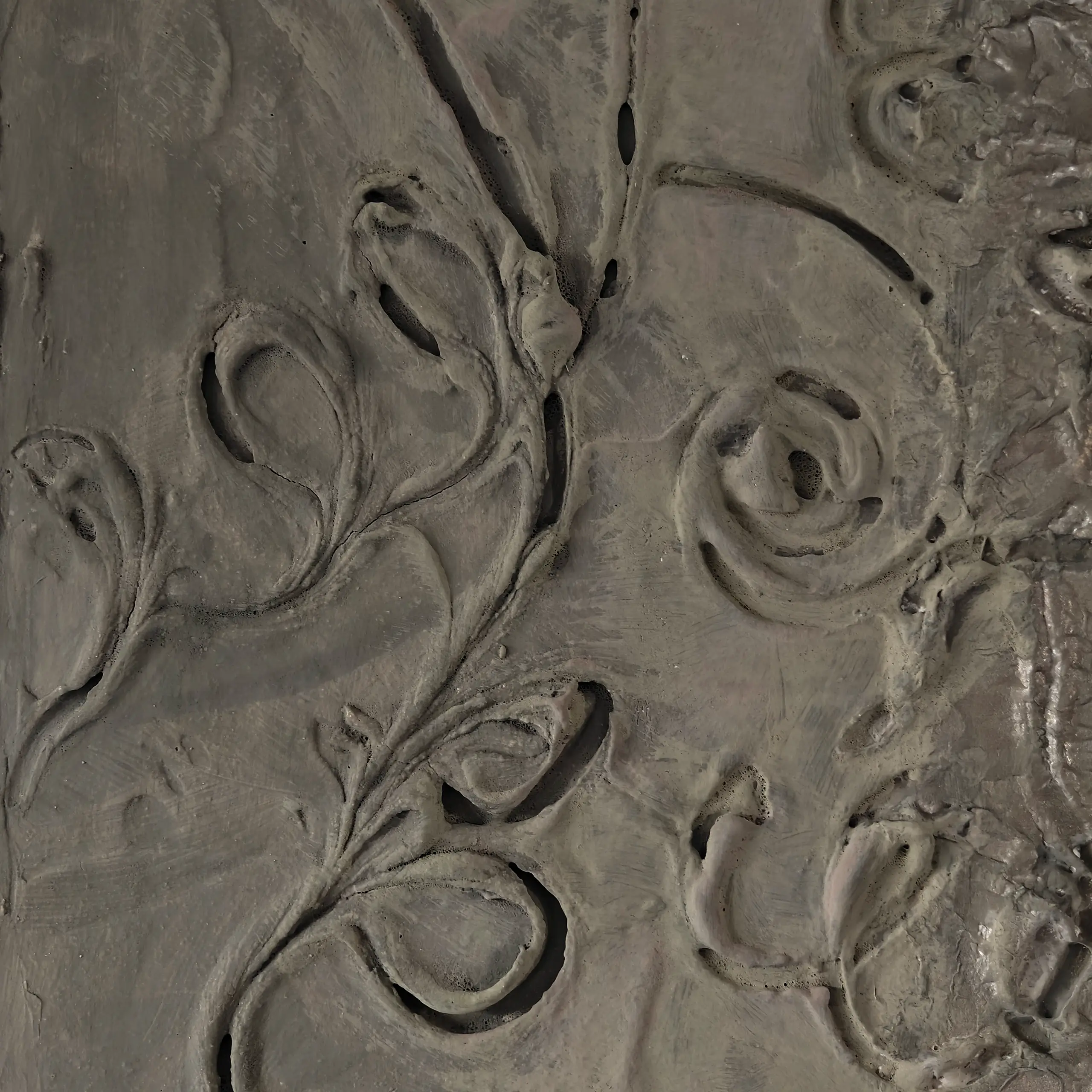
Light from the side. Switch off the ceiling light and hold a torch, or your phone, almost flat against the wall. A painted or modelled surface throws shadows: ridges, cracks, the edge of a stroke. A print stays flat. It's the same principle we use to light textured art, seen the other way round: there, low light shows the texture off; here, it proves the texture is there.
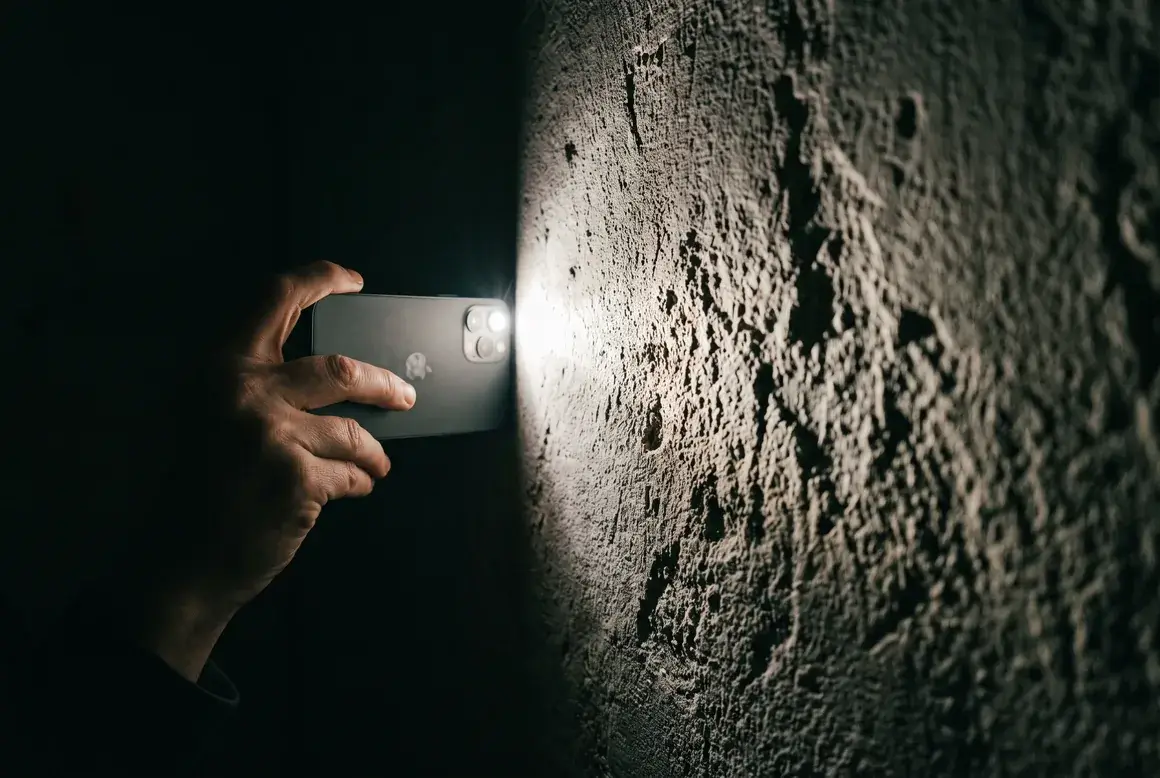
Seen from the side, with the wall on the right. Not to scale: the relief is drawn deeper than it is, so its shadows can be seen.
The edges and the back. A printed canvas often has the image wrapped around its sides, or sides in one flat colour. An original tends to show its making at the edge: layers, drips, the bare canvas. Turn it over and look for the stretcher, a signature, a date, labels.

A magnifier. At ten to twenty times, a digital print shows a regular grid of tiny dots. Paint shows irregular grains of pigment.
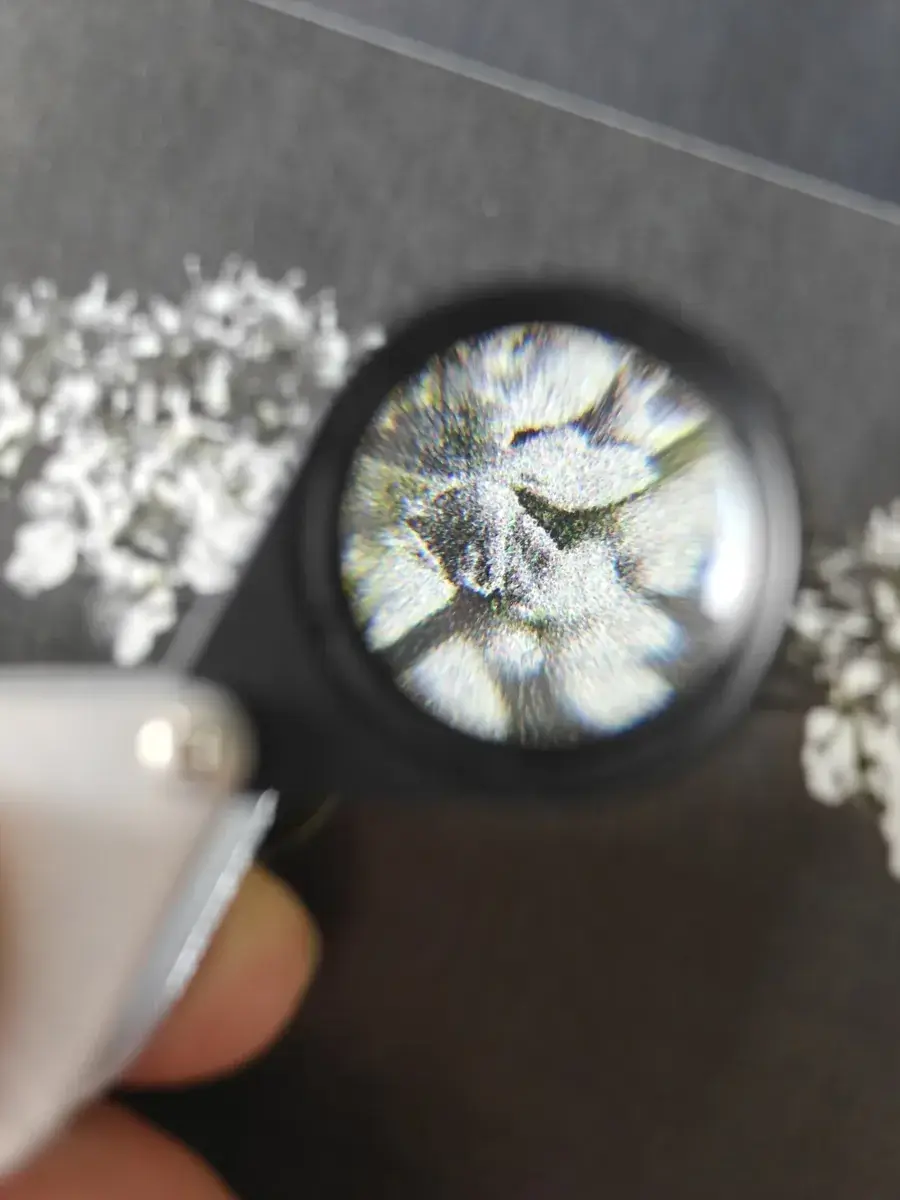
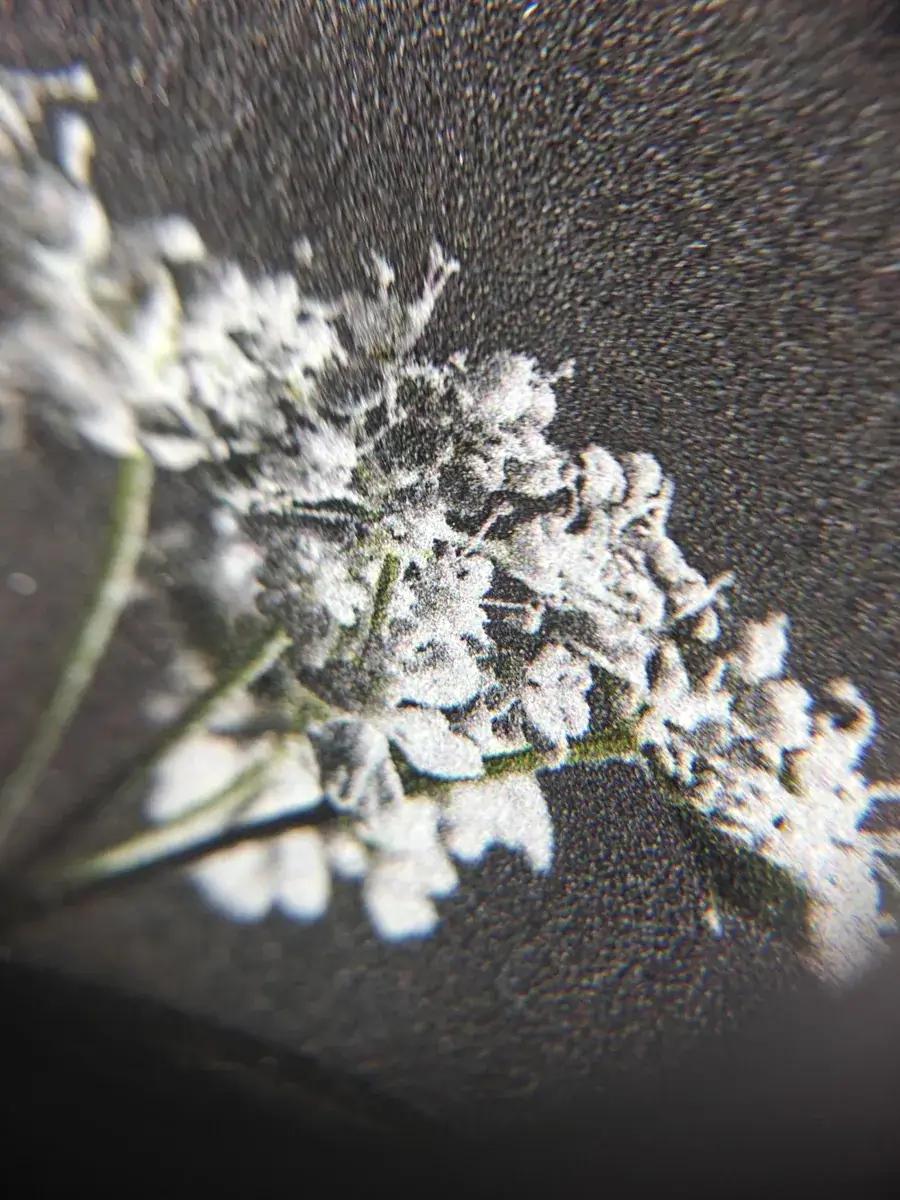
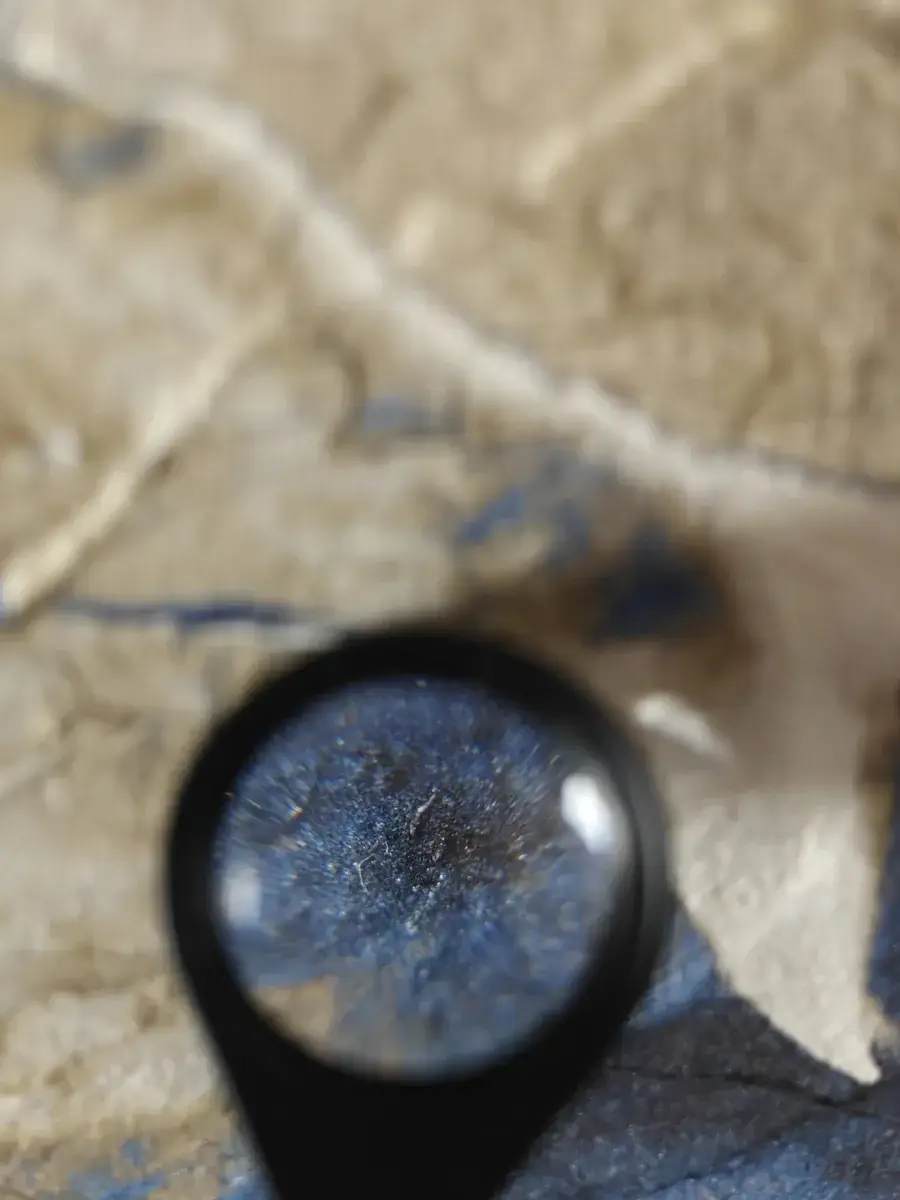
The magnifier needs one caution. It tells you how an image reached the surface, not whether the object is original. Any work that starts from a photograph carries an image that was developed, printed or transferred at some point in its making: a silver gelatin print, a photogravure, the drawings Robert Rauschenberg made around 1958 by transferring pages of magazines. A regular pattern under the lens means a printing process was involved. On a poster, that's the whole story. On a photographic work, it's only the first line of it.
Can texture be faked?
Yes, and it has been for more than a decade. In 2013 the Van Gogh Museum and Fujifilm began selling what they called Relievos: full-size replicas of five paintings, scanned in three dimensions and printed with the relief of every brushstroke. They reproduced the back of each canvas too, labels and stamps included. Each came in an edition of 260.
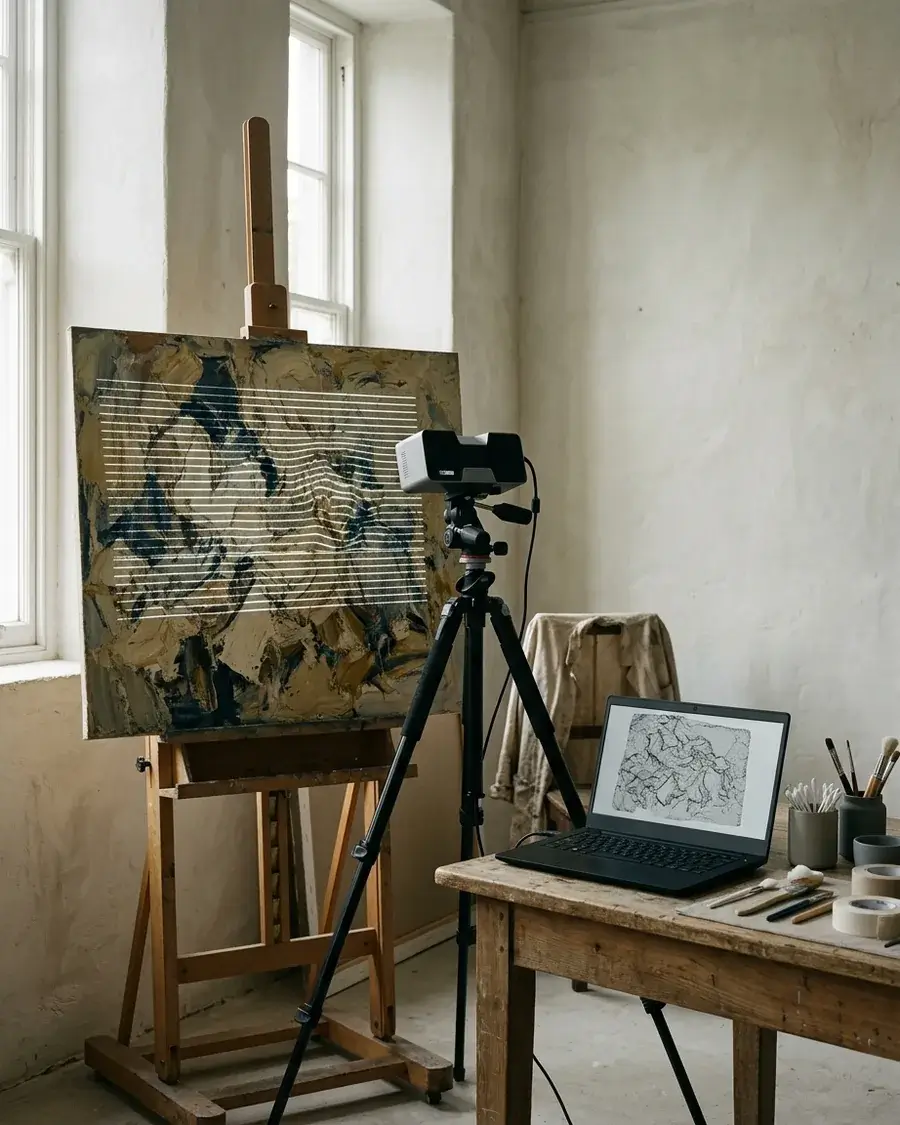
So a relief under side light proves you're looking at an object with a real surface, which is a lot. It rules out the flat print and the image that only exists on a screen. What it doesn't prove is that the object is the only one. A Relievo passes every surface test in this article and is, openly and honestly, one of 260.
Did you know...?
260 identical copies
of each Van Gogh painting in the Relievo series, brushstrokes and all. Every one would pass the surface tests above.
What separates an original from a very good reproduction isn't on the surface at all. It's the edition, and an edition is a decision somebody made and wrote down.
Four questions to ask before you pay
That decision is what to ask about, and a good seller answers without being pushed. Four questions cover it.
Before you pay, ask
- Is there an edition? One of a kind, an edition of thirty, an open edition: any answer is fine as long as there is one, in writing, and the price matches it.
- Can you show me the piece from an angle I choose? The bottom left edge, the back, a close-up in side light. A real object can be photographed from anywhere, and it's a fair thing to ask, politely.
- What does the certificate say? A certificate of authenticity is only as good as what's in it. Look for a number, a register it's recorded in, a signature, your name, and something the artist commits to, such as never reissuing the image. A certificate that only says "this is an original" says nothing.
- Can I send it back? A return window turns every doubt above into a test you can run in your own room, in your own light.
Platforms are moving the same way. Since July 2024 Etsy files anything made with AI under "Designed by" rather than "Made by", and asks sellers to say so in the listing. Saatchi Art doesn't accept work whose final result comes out of a generator. And in a 2024 survey for the insurer Hiscox, 82 per cent of art collectors said they wanted a clearer line between what people make and what AI makes. The line is starting to be drawn. Where it isn't, ask.
How we answer them
It would be odd to write all this and not answer the four questions ourselves.
Our pieces are photographic reliefs. The image starts as a photograph we take ourselves, and we rework it until it's closer to abstraction than to a record of a plant. The relief is plaster, modelled by hand on canvas, and the image is transferred by hand into it, so it becomes part of the plaster. There's no paper and no film on top: what you touch is the relief. In side light you'll see the cracks and the ridges; at the edge, the canvas and the layers.
The edition is one. Each image is transferred once, and the file is archived and never opened again. That's the part no photograph can show you, so it's written down: every piece comes with a numbered certificate, recorded in our register, whose number is never reused, and which carries that commitment. And you have 14 days from delivery to send it back.
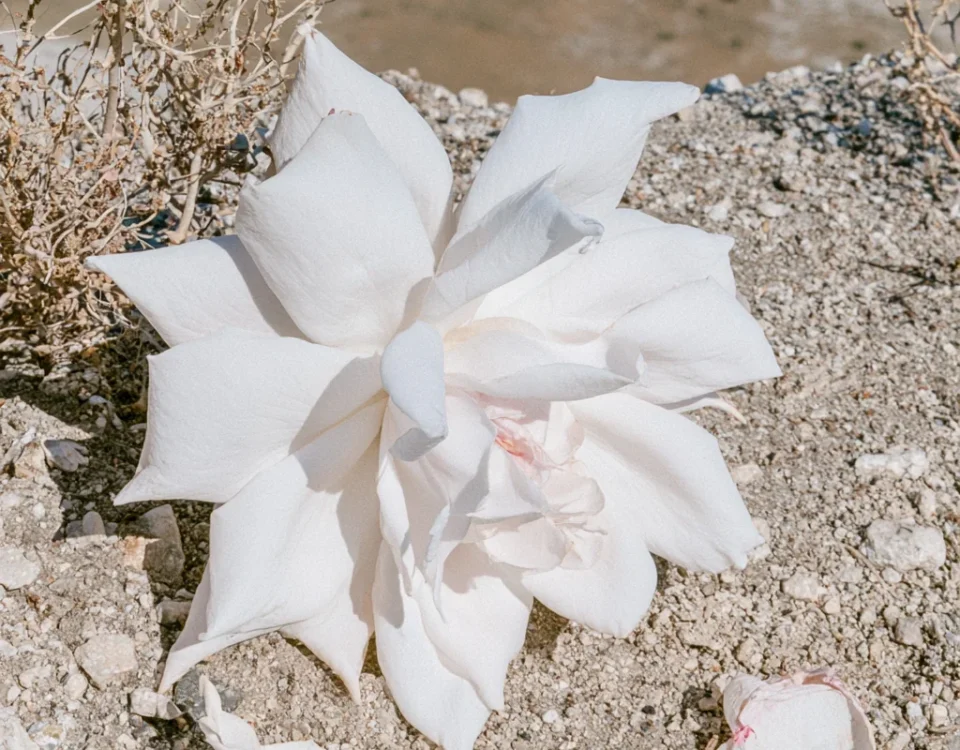
And yes, we use AI. Not in the work: in the rooms. We don't yet have photographs of our pieces in the homes they went to, so to help you imagine one on your own wall we generate room settings from many photographs of each piece. They're there for imagining, not for checking. Here are two images of ROSE XII: one is a photograph, the other was generated. Which is which isn't obvious, and that is the point of this whole article.
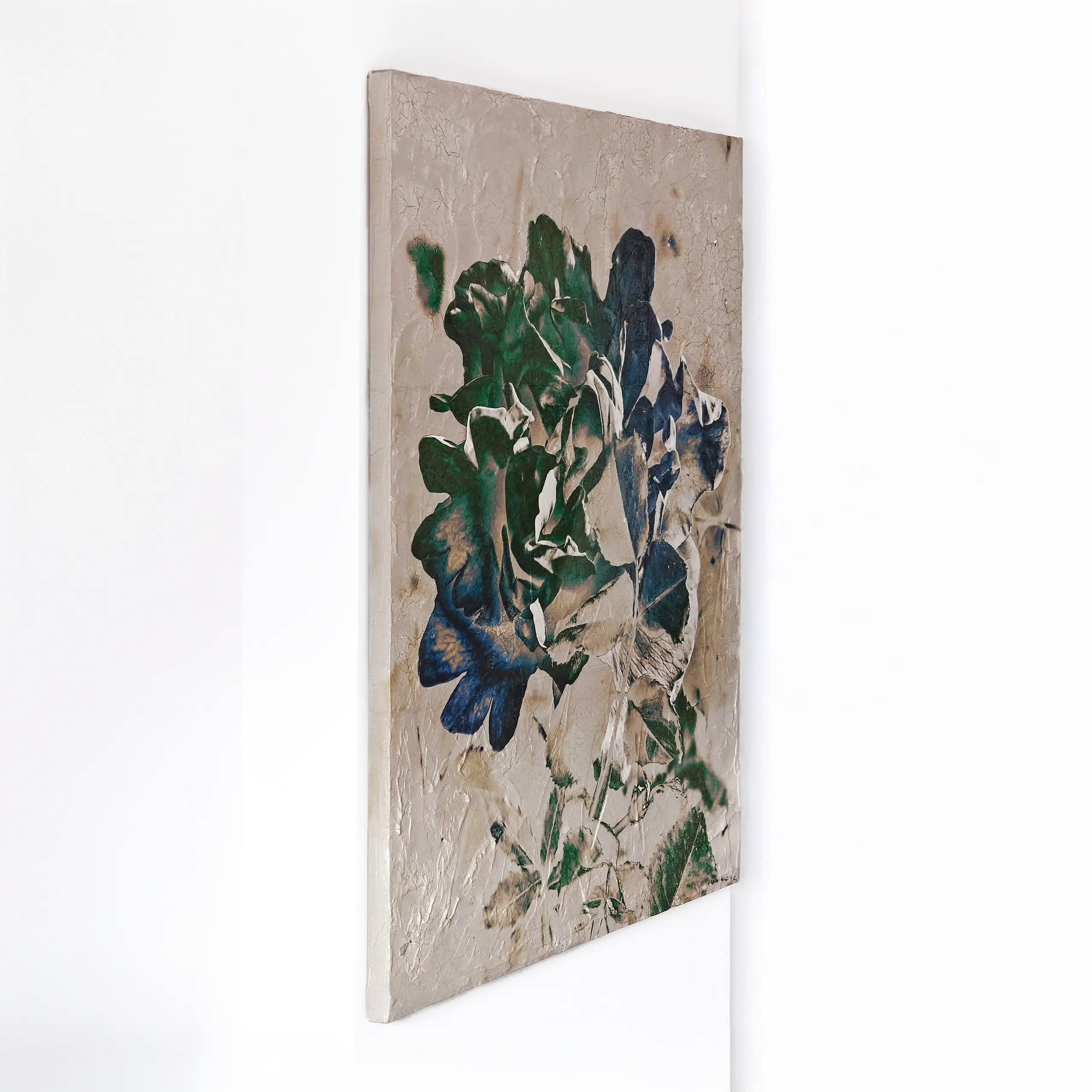
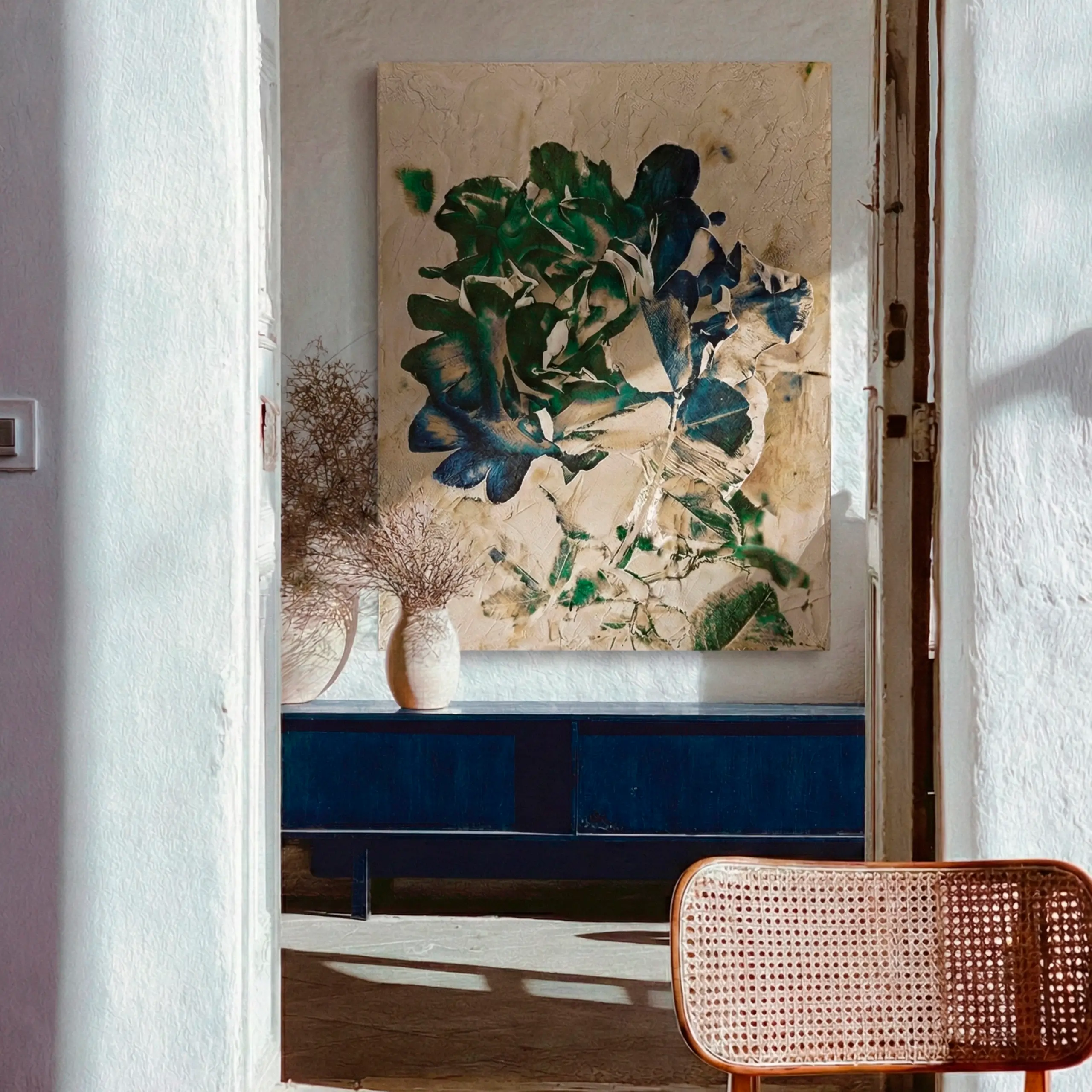
Which one is the photograph?
A. We photographed ROSE XII on a white wall. B was generated from photographs like that one: the doorway, the sideboard and the chair were never there.
So when you look at our work, use the rooms to imagine and the close-ups to check. The close-ups, the edges and the side-lit details are photographs of the object, taken by us.
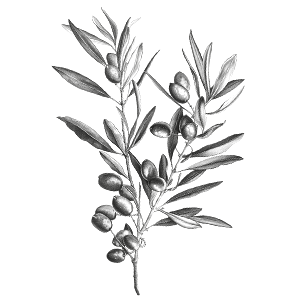
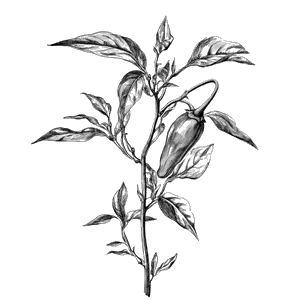
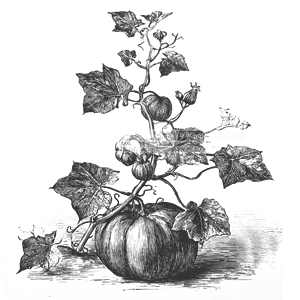
If you want to see how the pieces get made, it's on our Instagram: the tests that didn't work, the making of KANZAN I, PEPPER I and PUMPKIN I, where YUCCA II came from, and the two of us talking through KANZAN I and BORAGE III, one of our clay sculptures.
Four pieces you can watch being made:
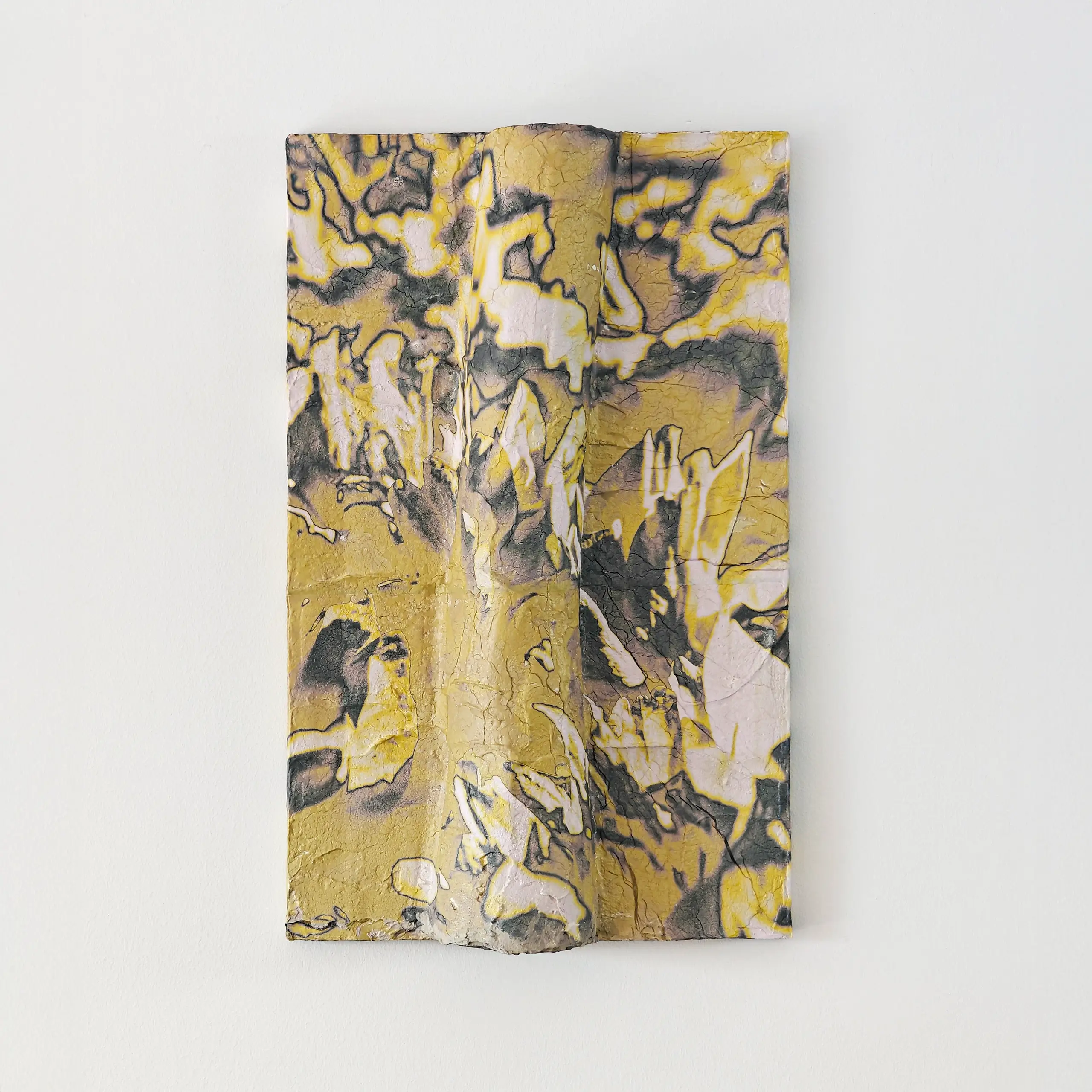
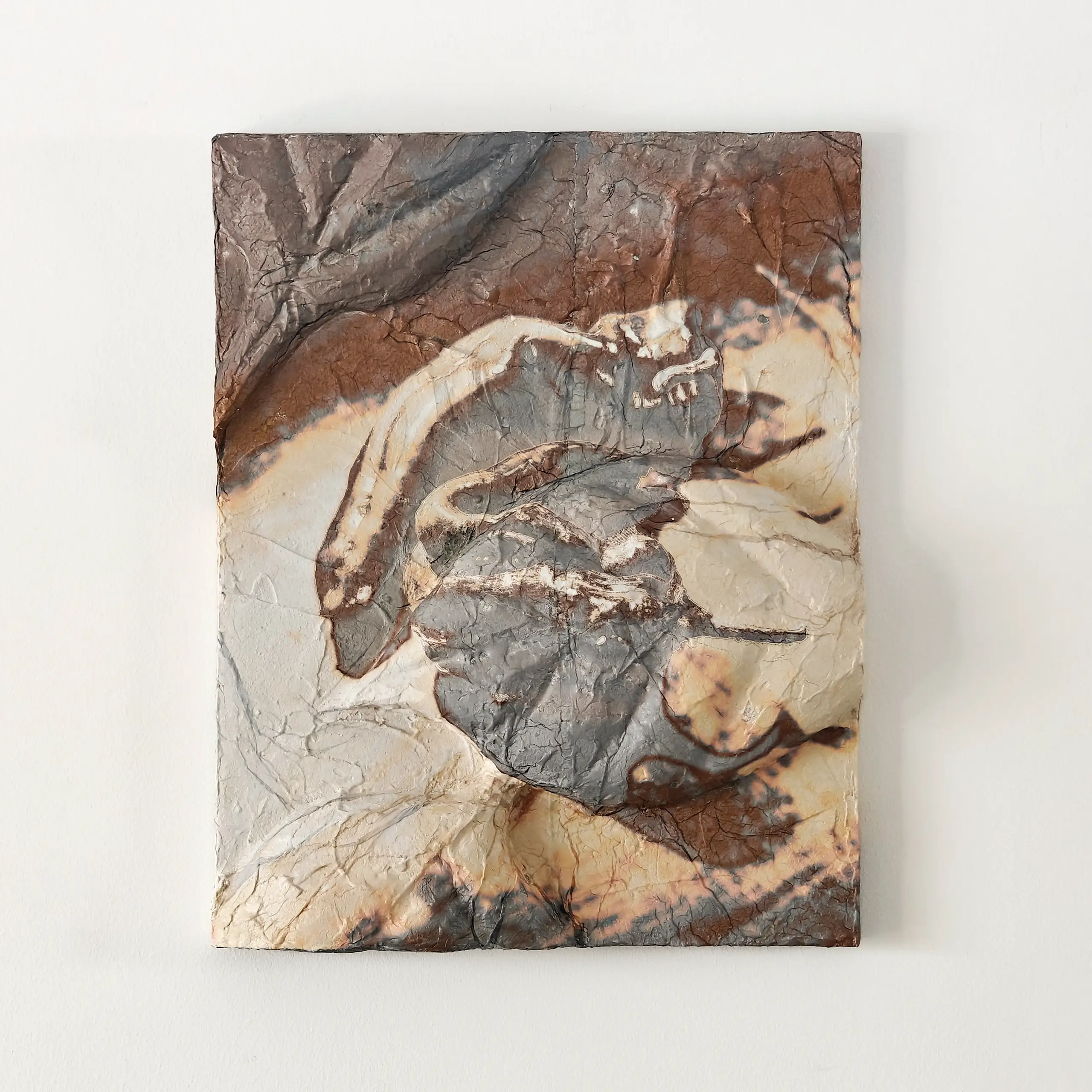
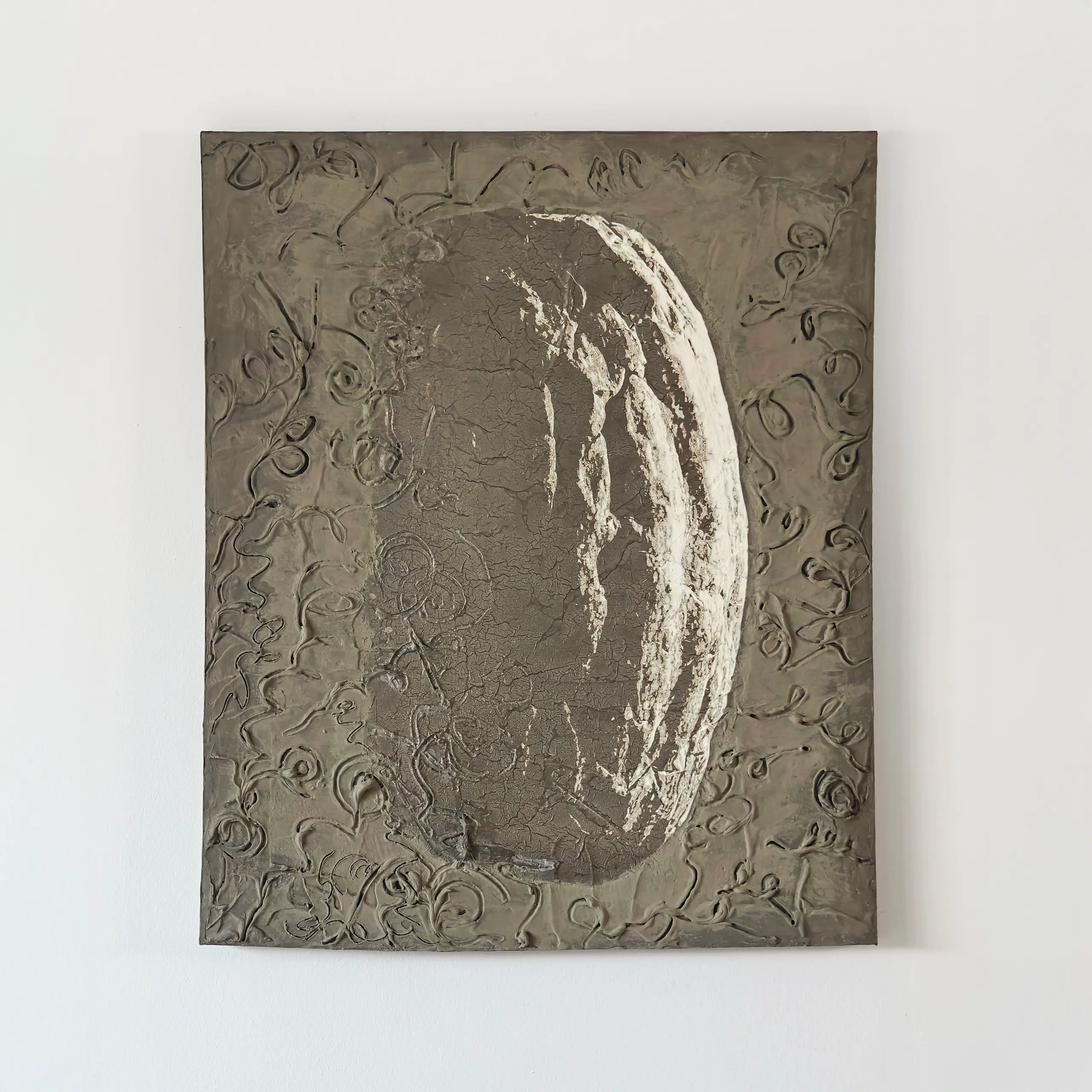
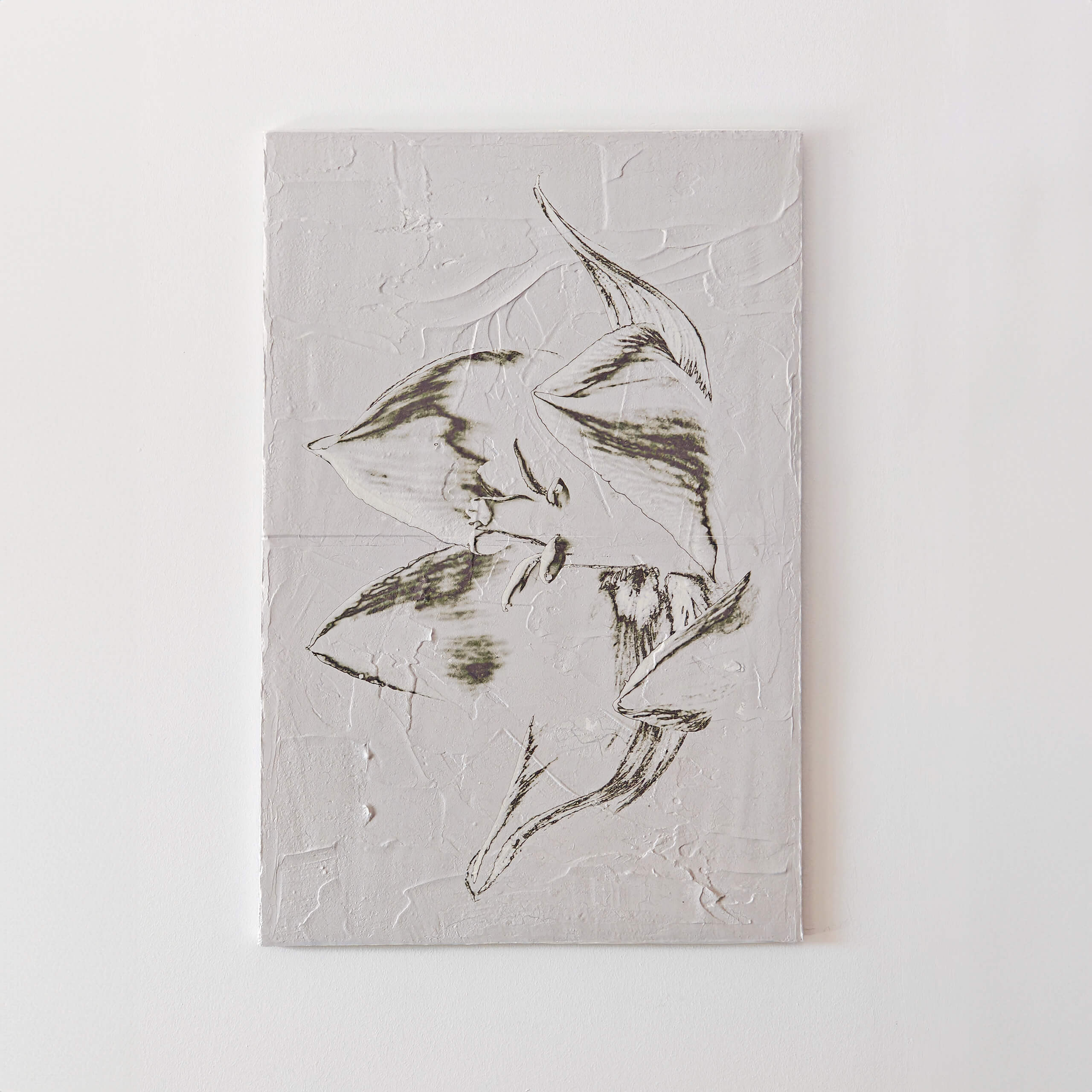
From Nature to Canvas
The picture on your screen can't settle the question.
The object can, and the people who made it should be able to tell you everything about it. If you want to try the four questions on us, start with KANZAN I: you can watch it being made, hear the two of us talk about it, and ask us for any angle you like.
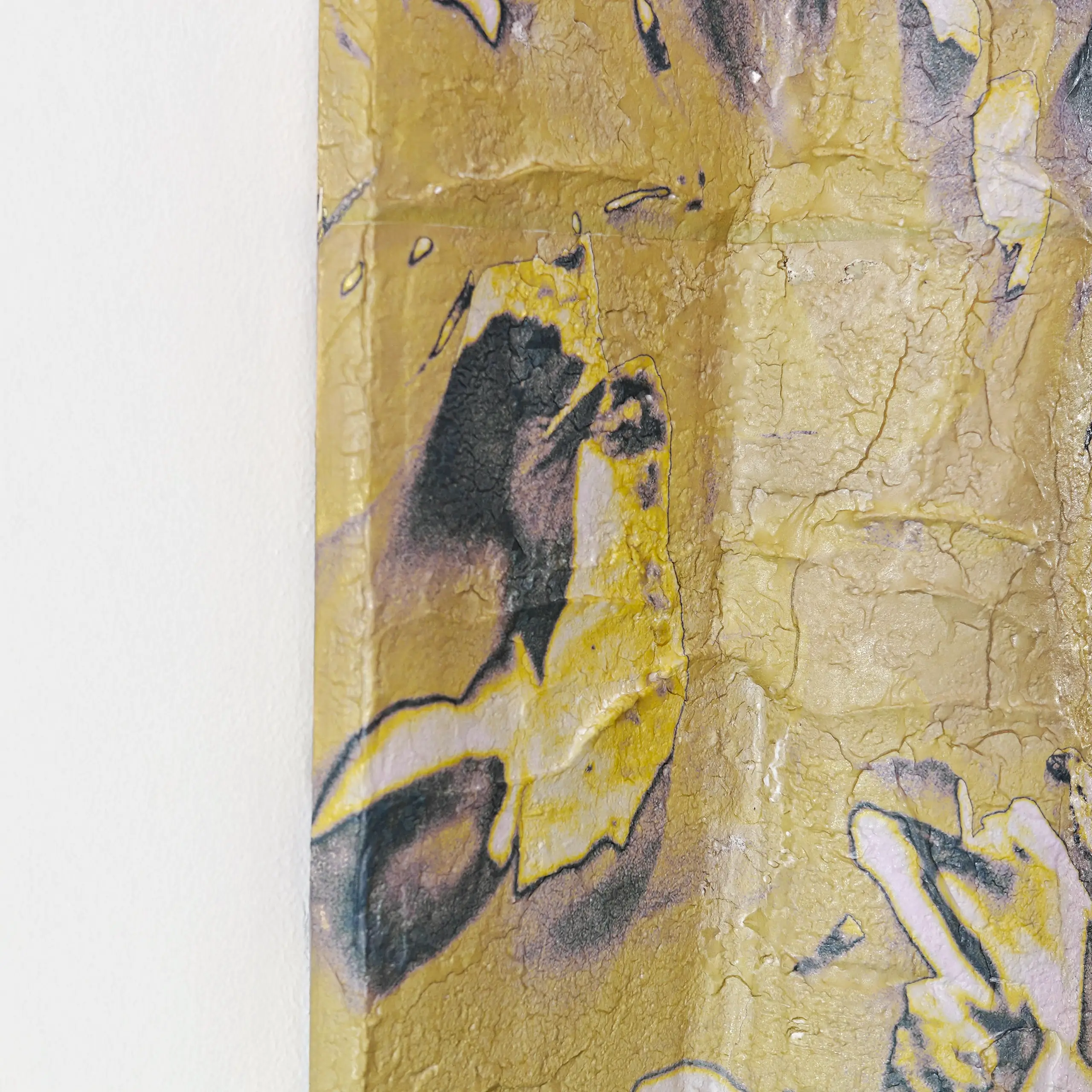
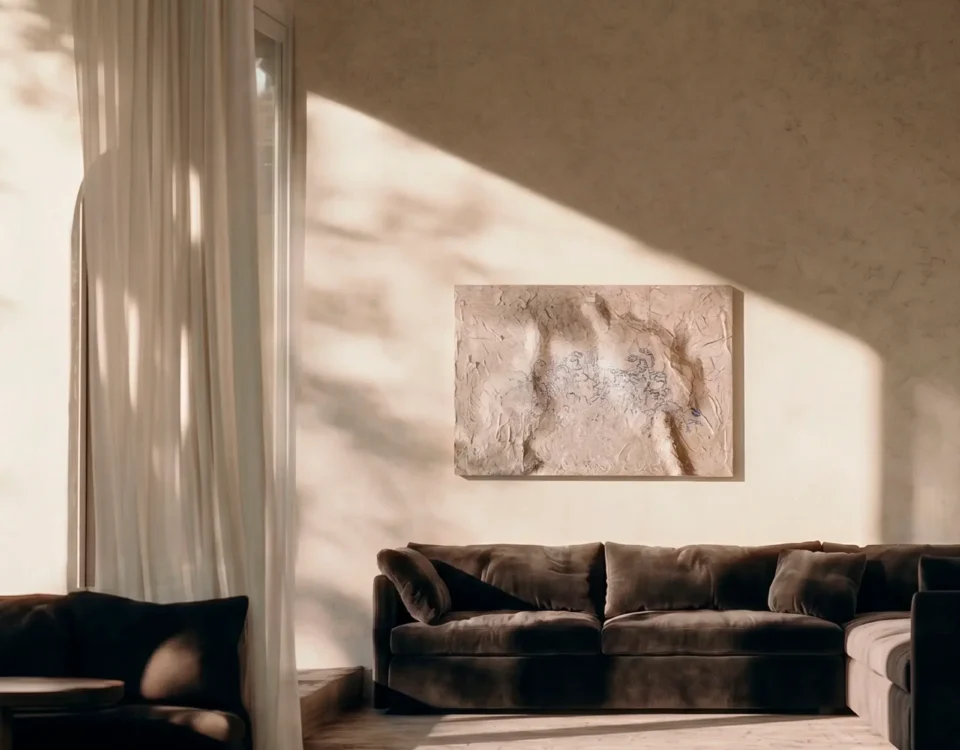
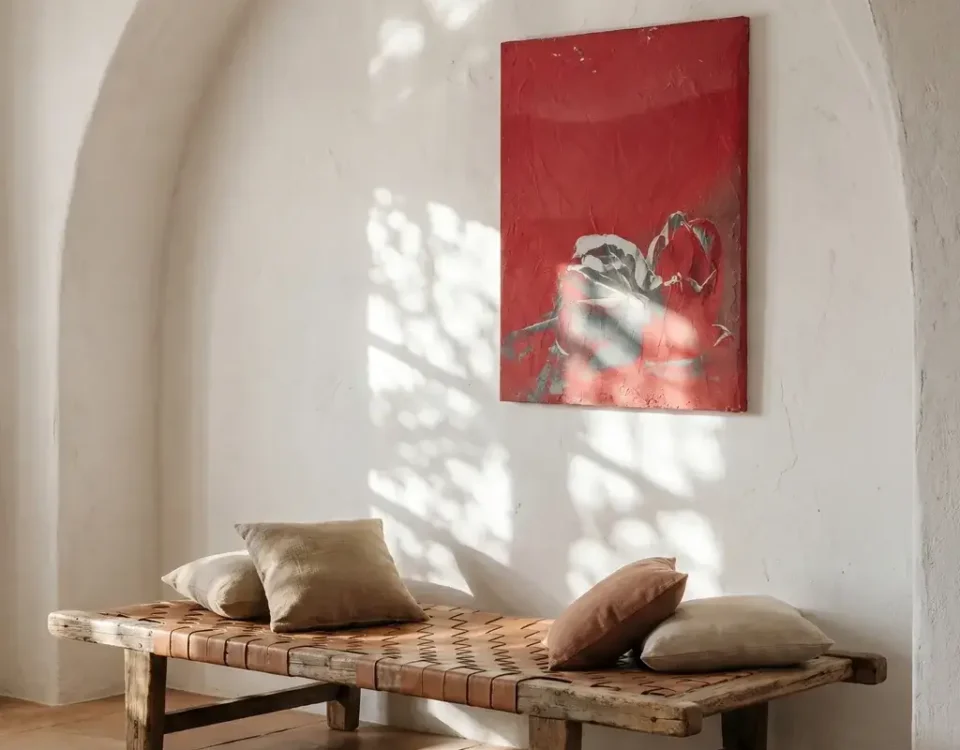
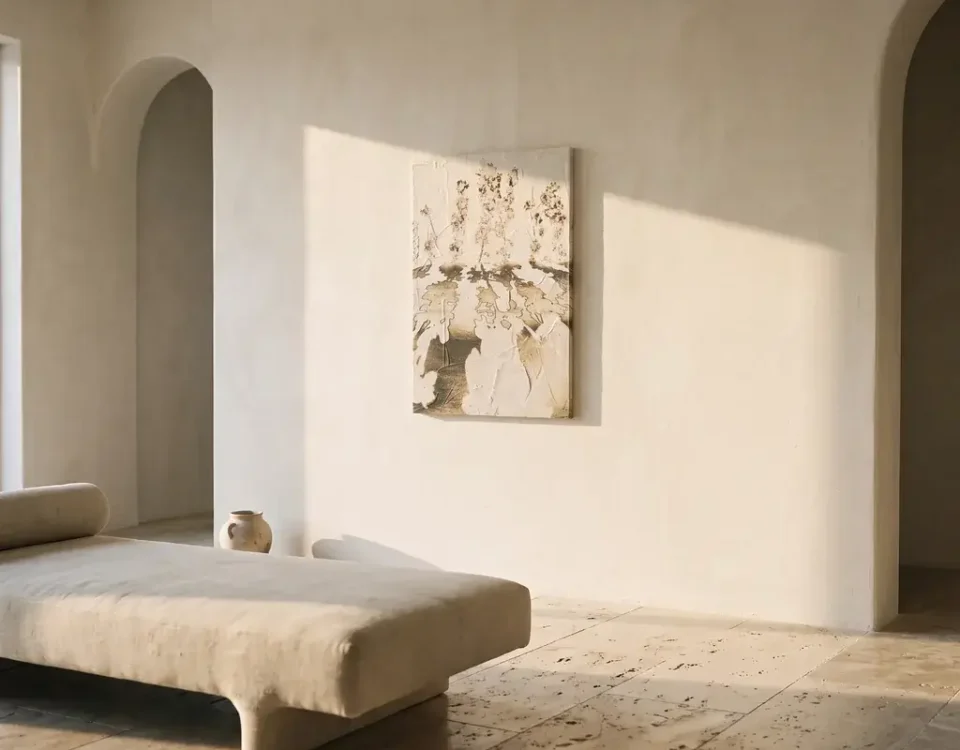
Image B of ROSE XII and the three scenes captioned as visualisations are generated. Every other image on this page is a photograph, including the three taken through the magnifier, and the Gauguin is a real painting.