





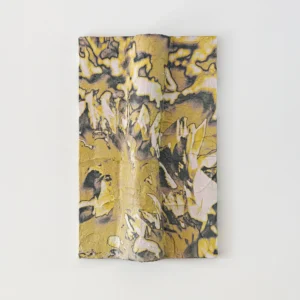
KANZAN I. Icebergs in the Sand
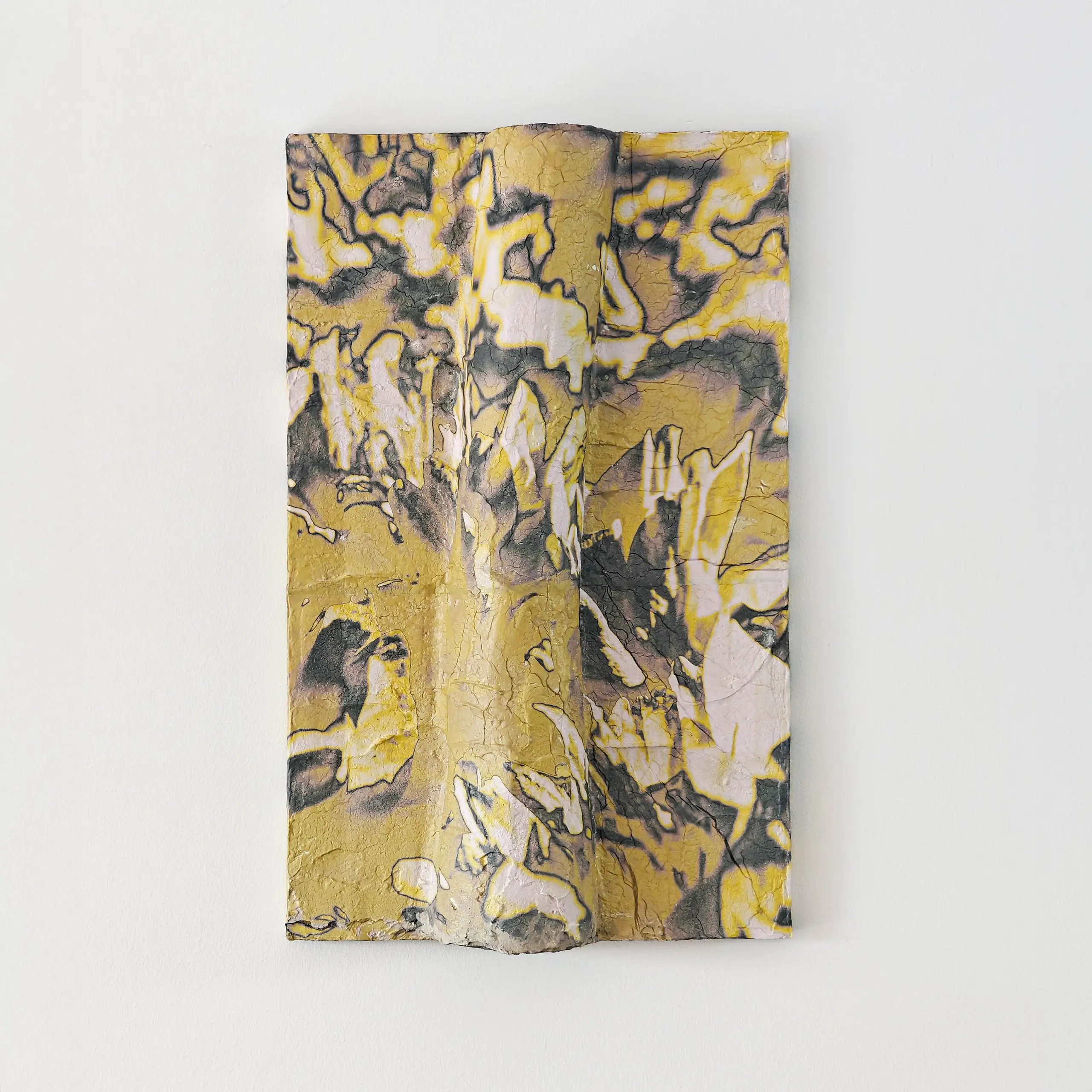
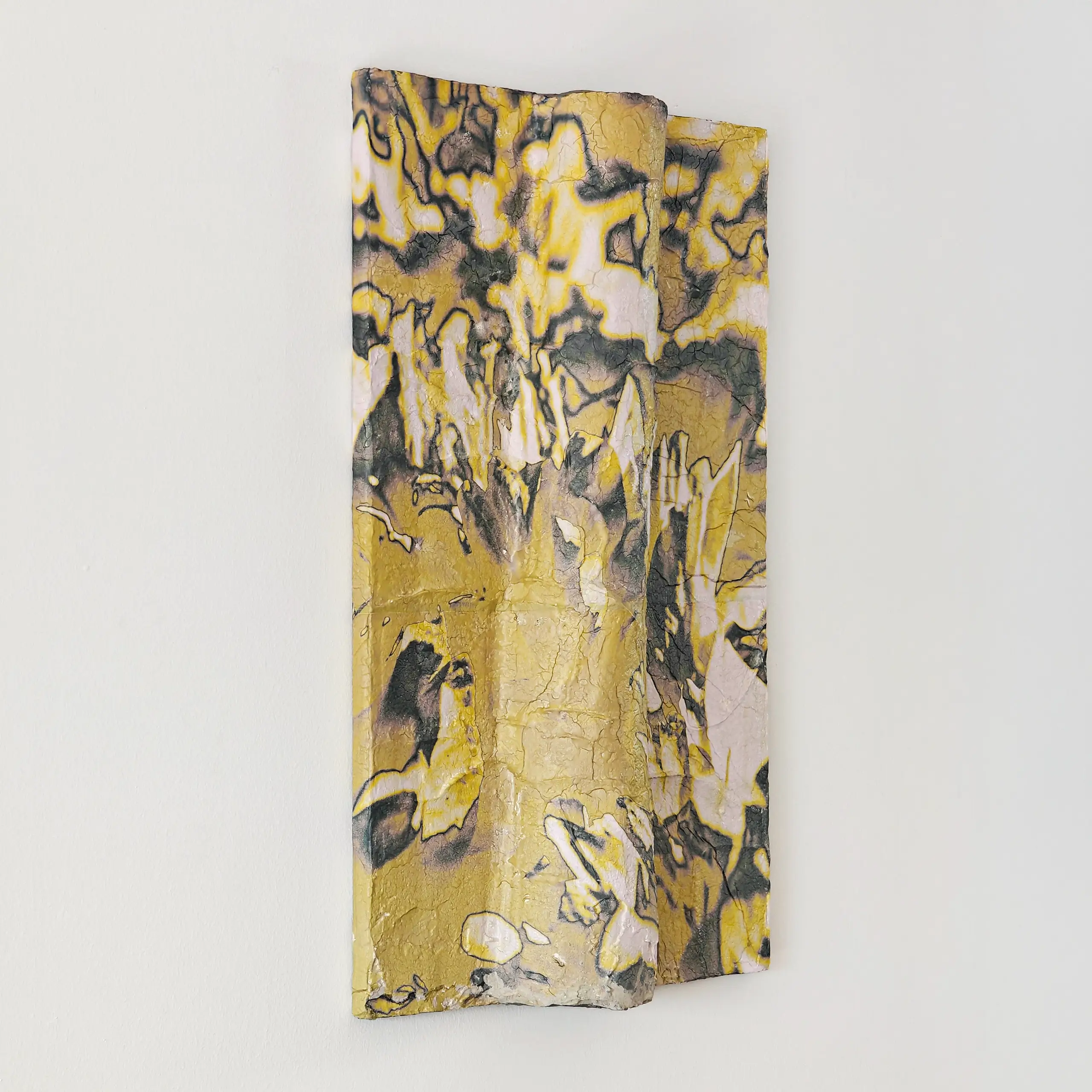
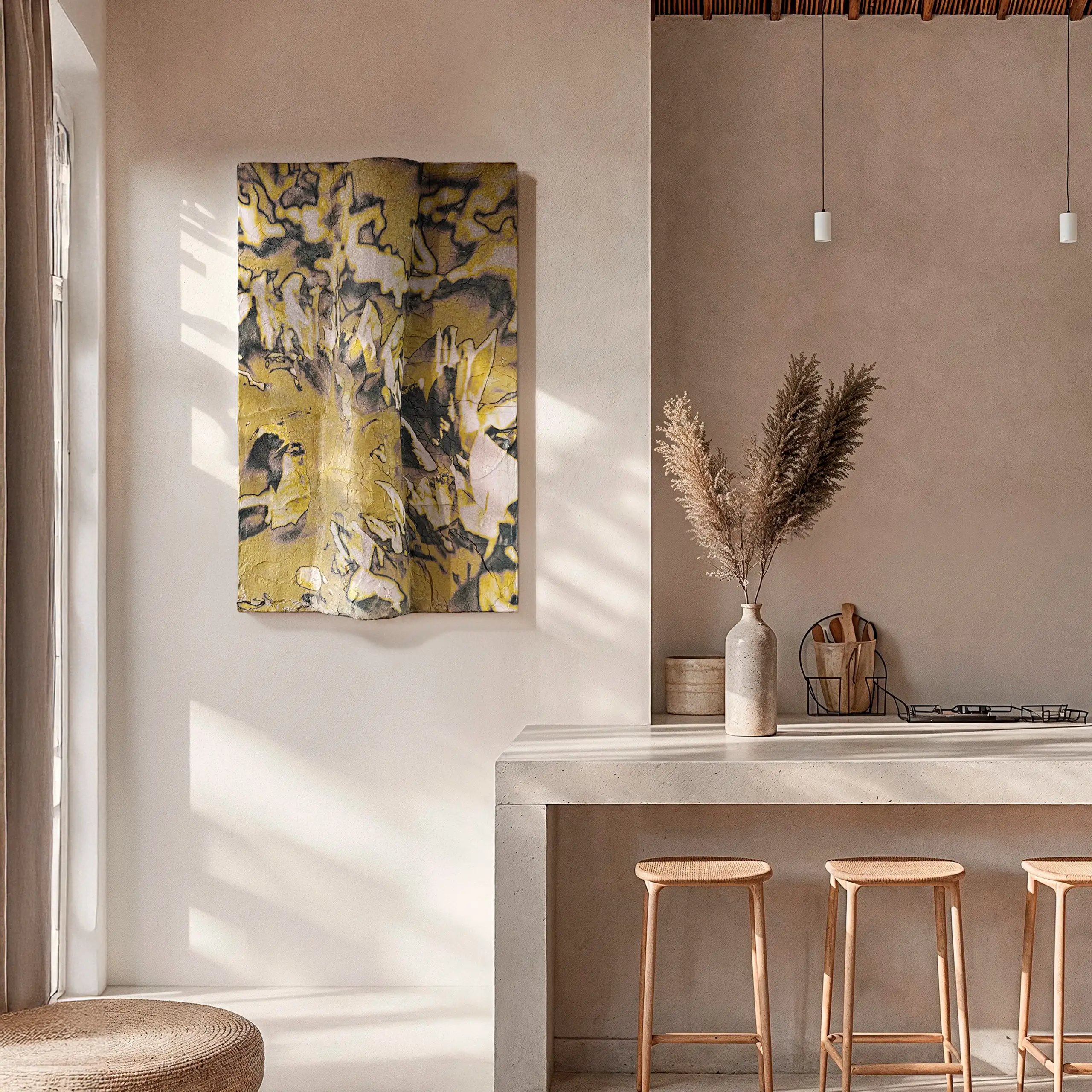
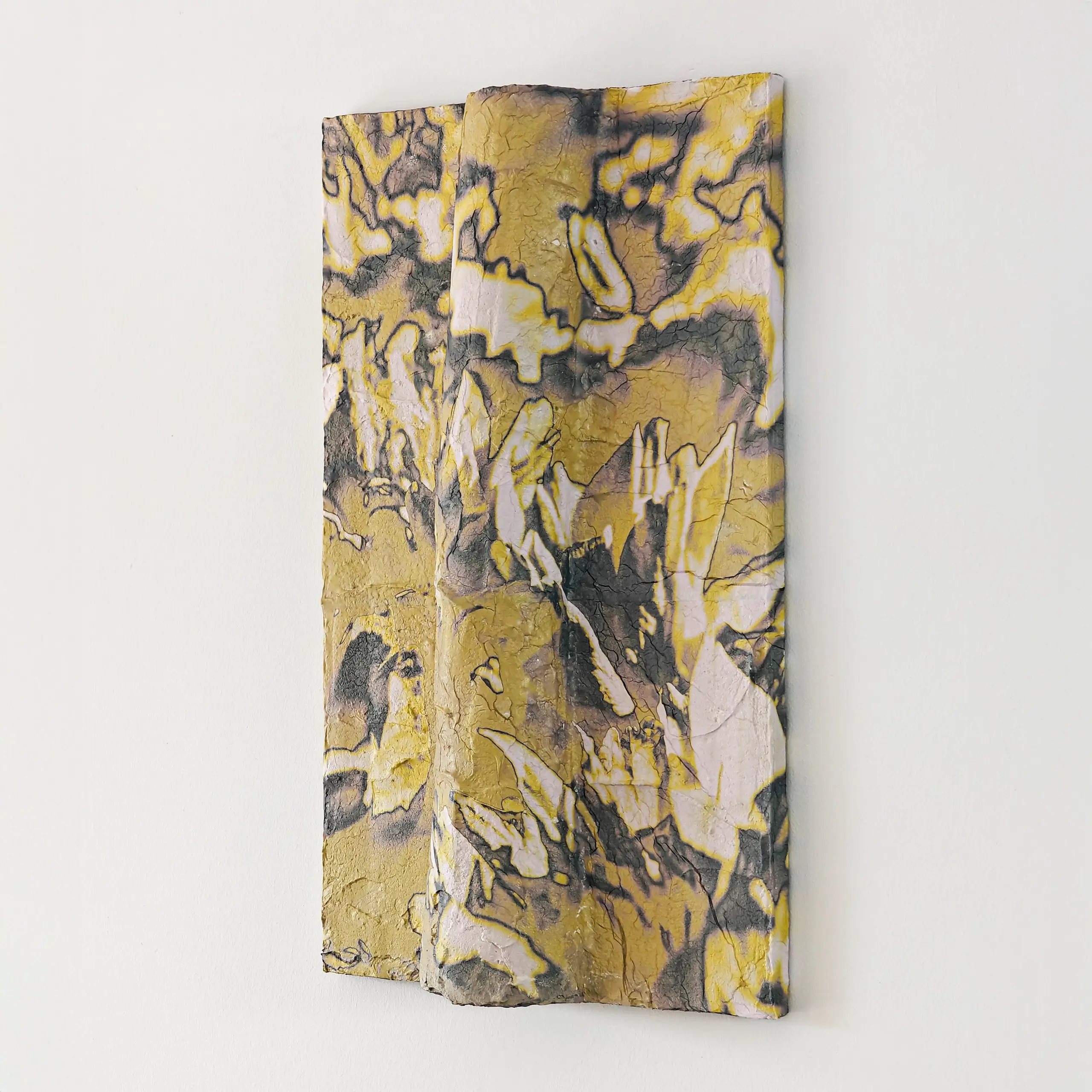
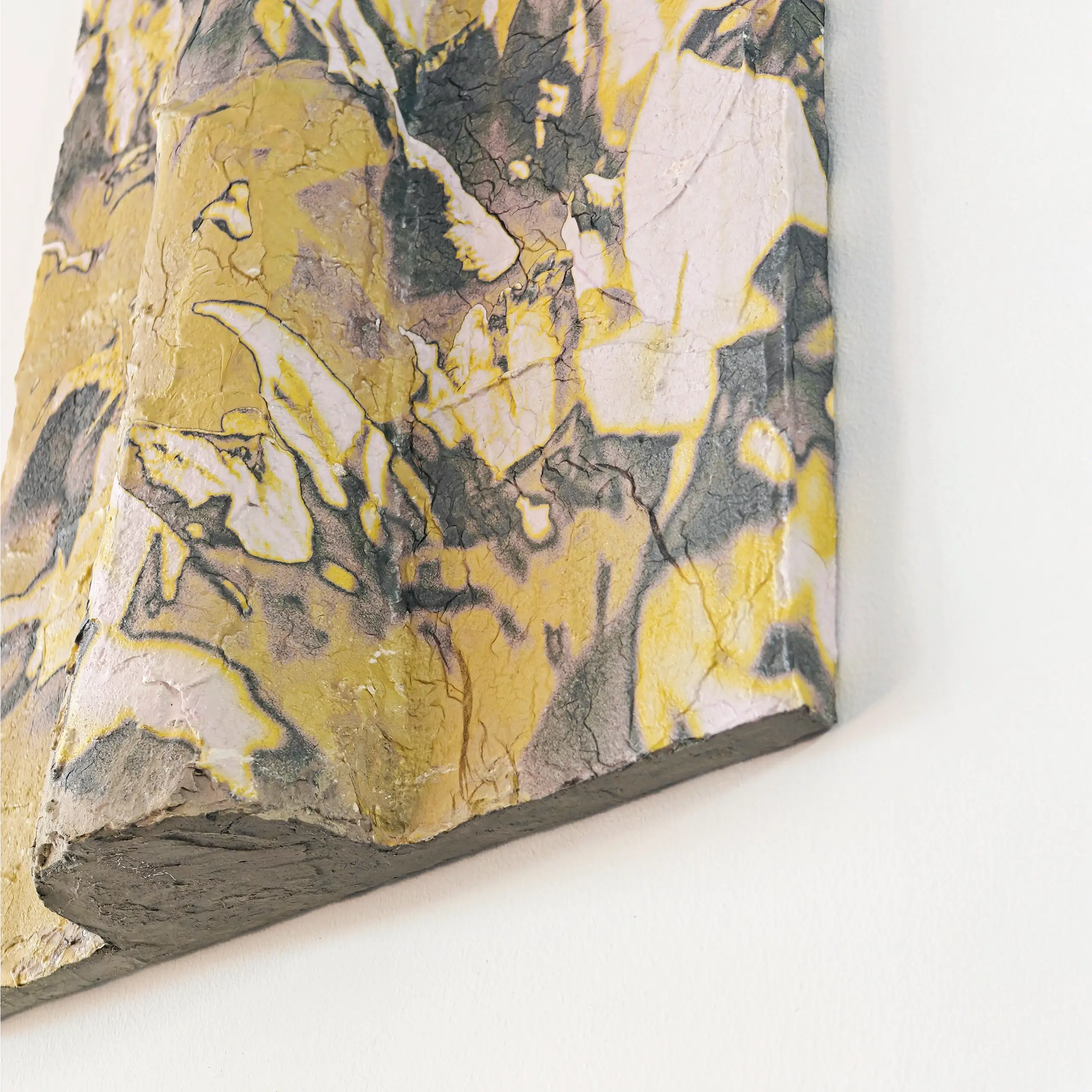
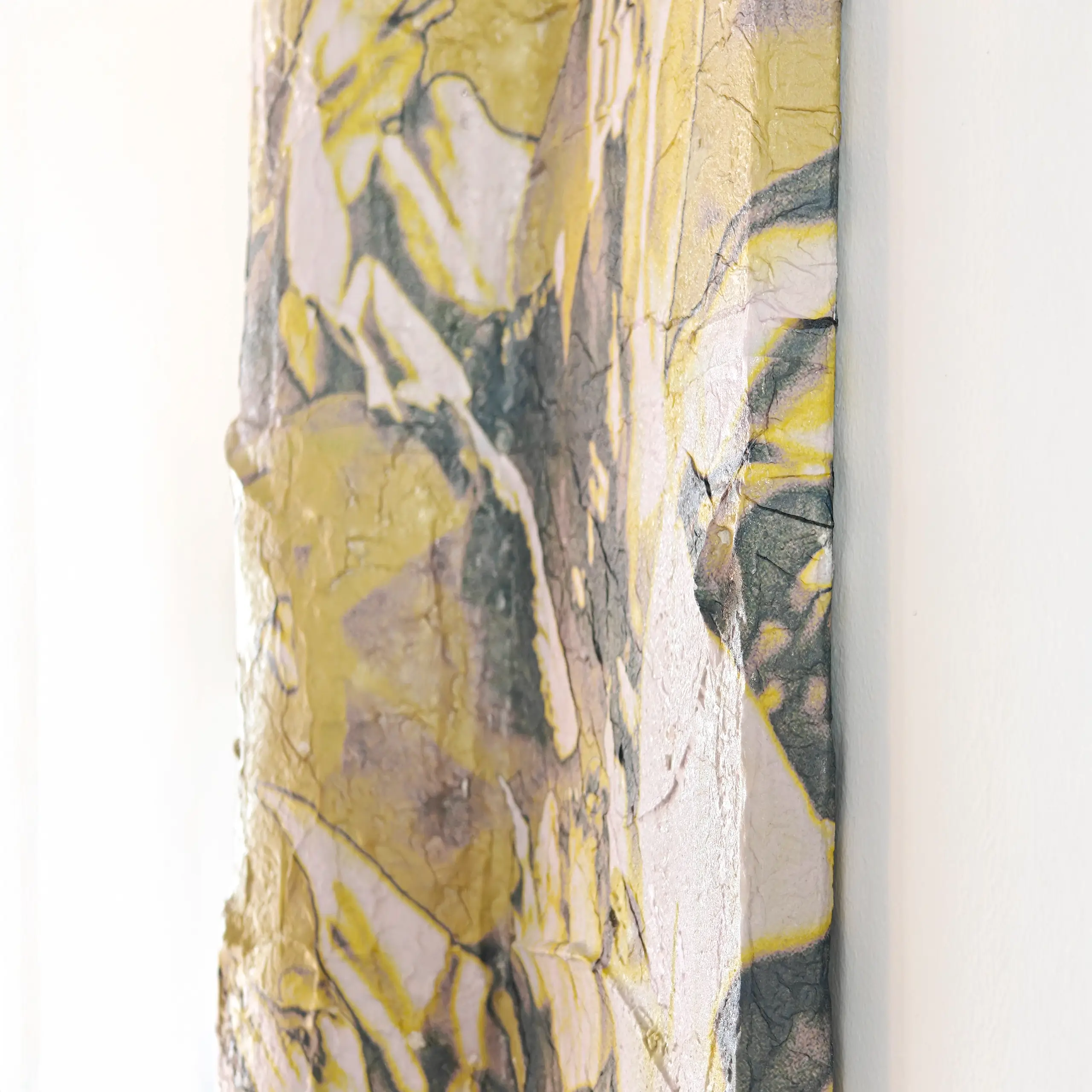
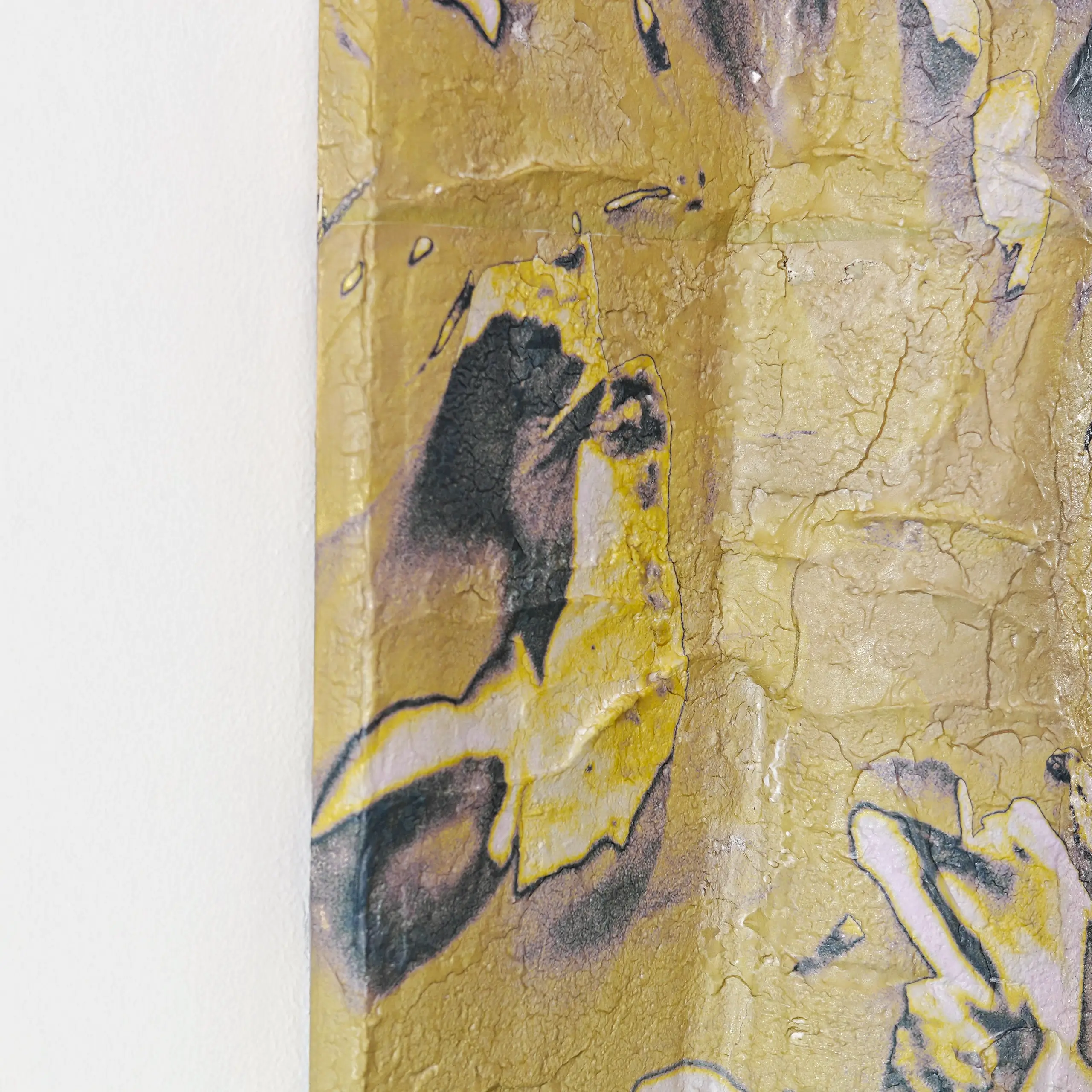
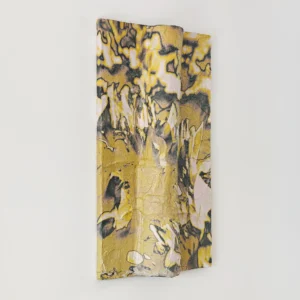
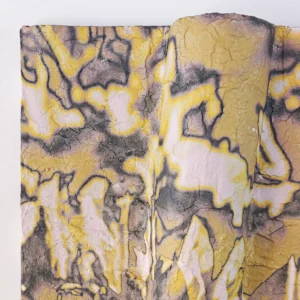
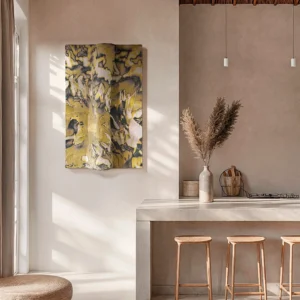
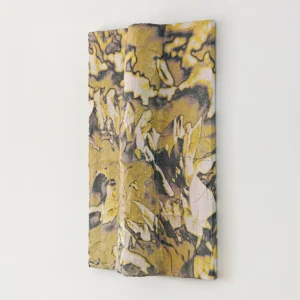
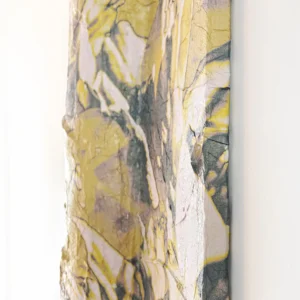
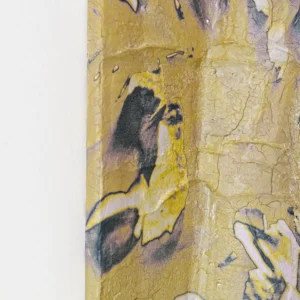
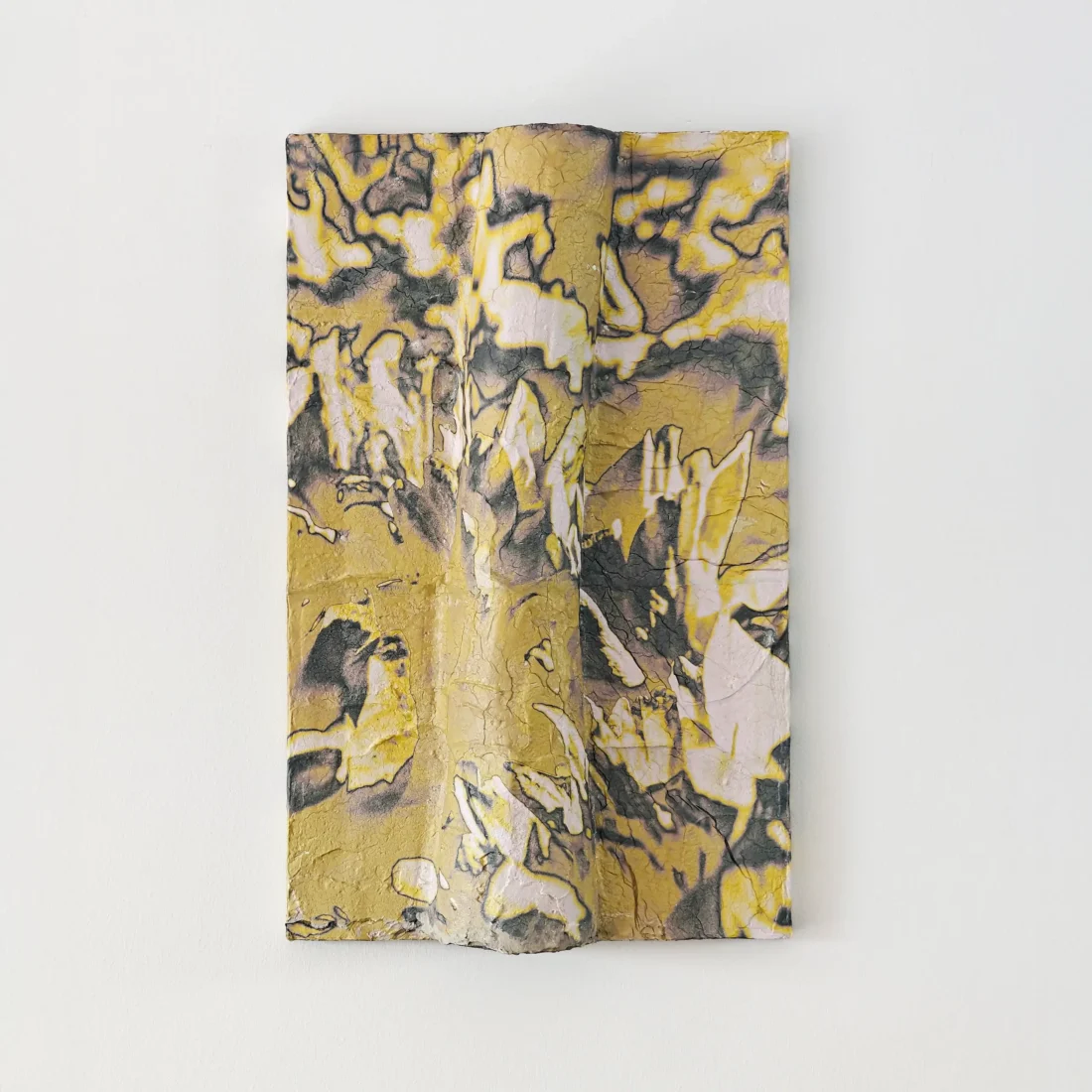
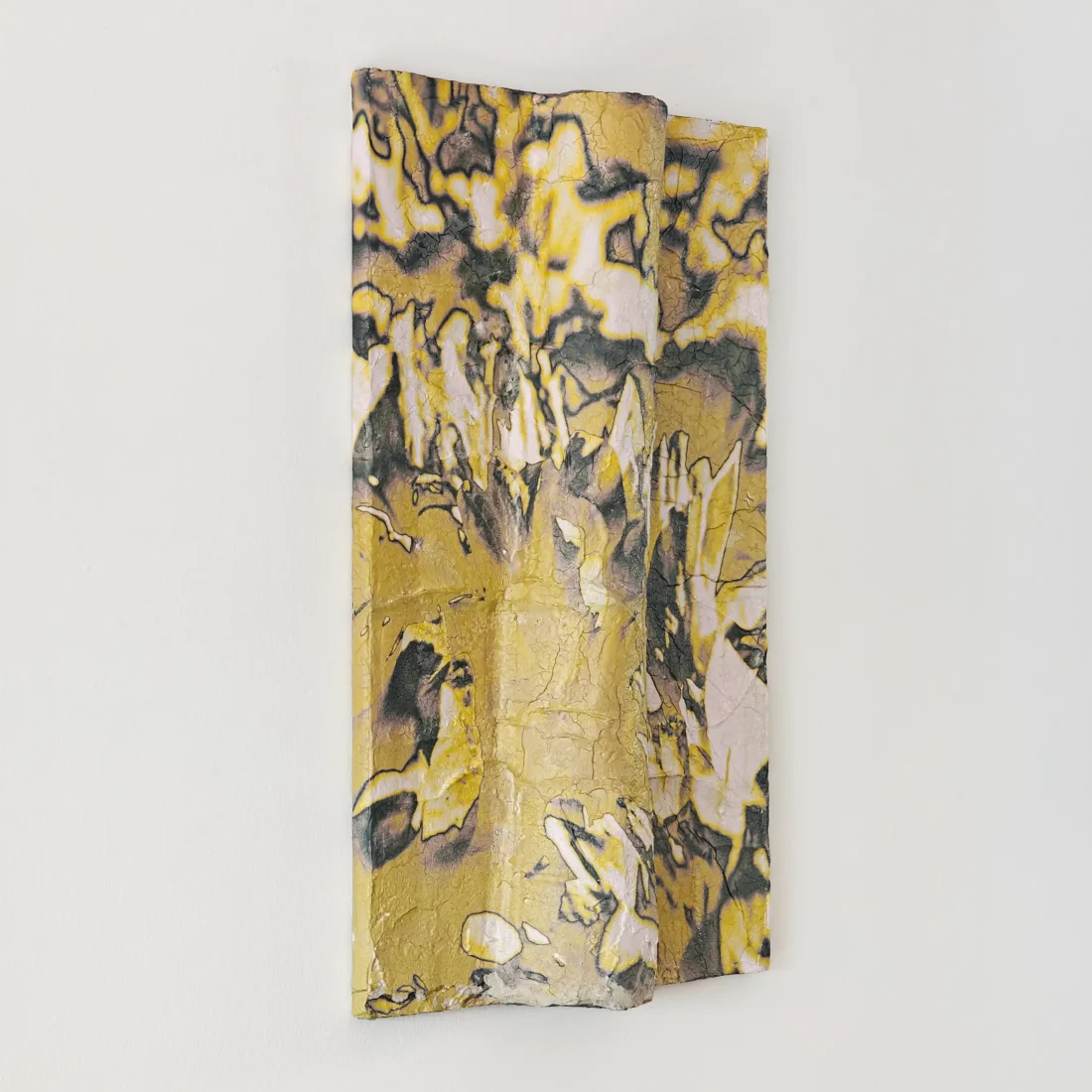
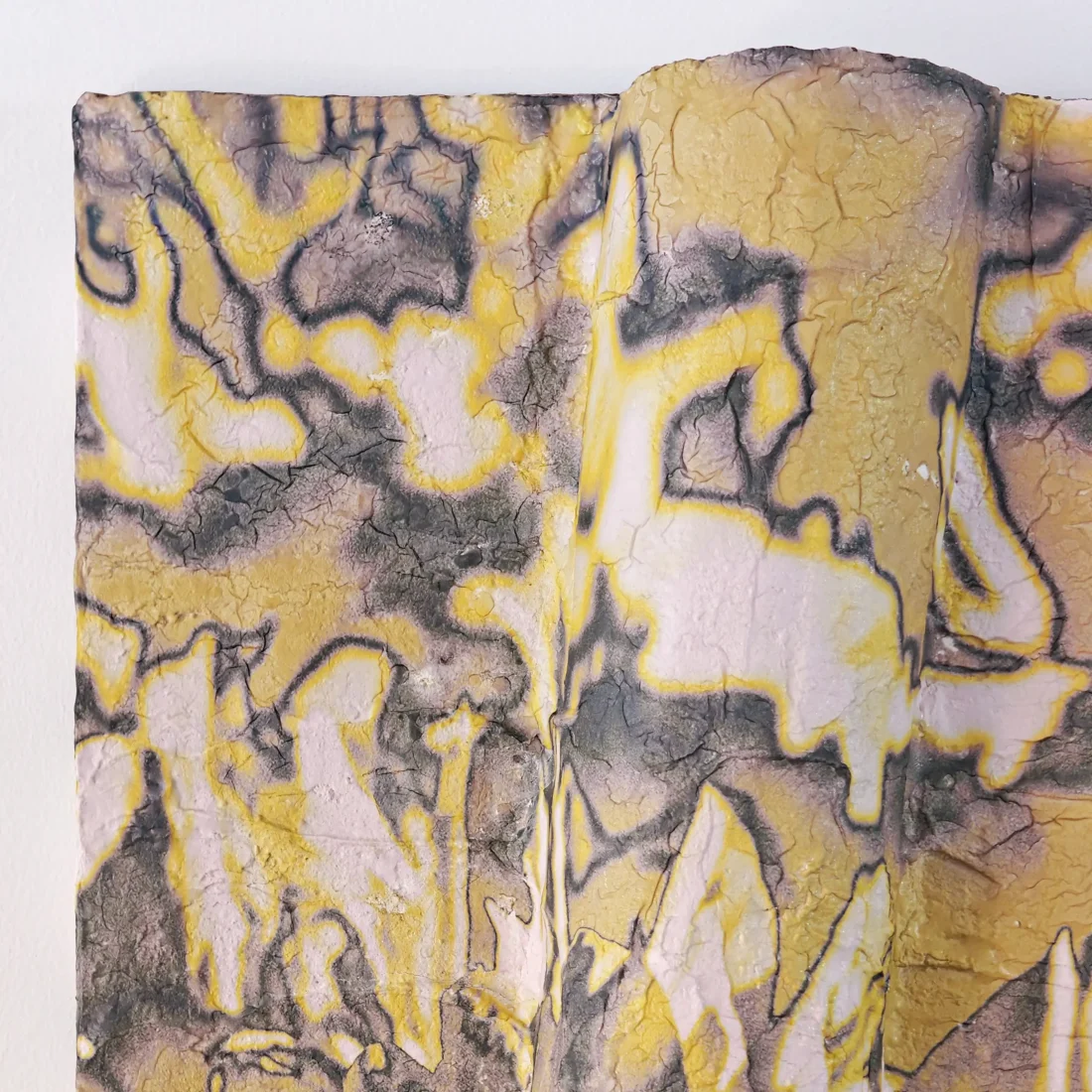
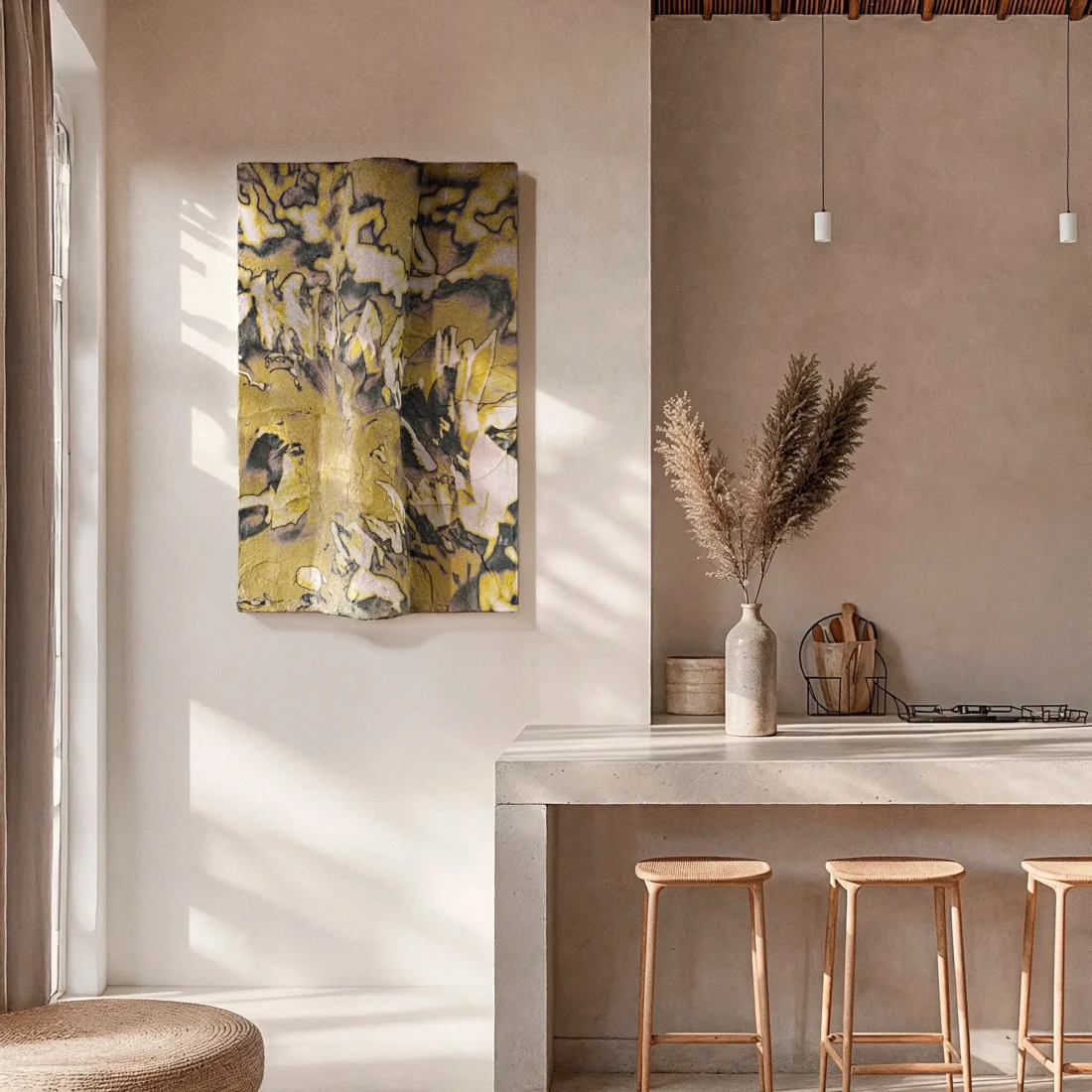
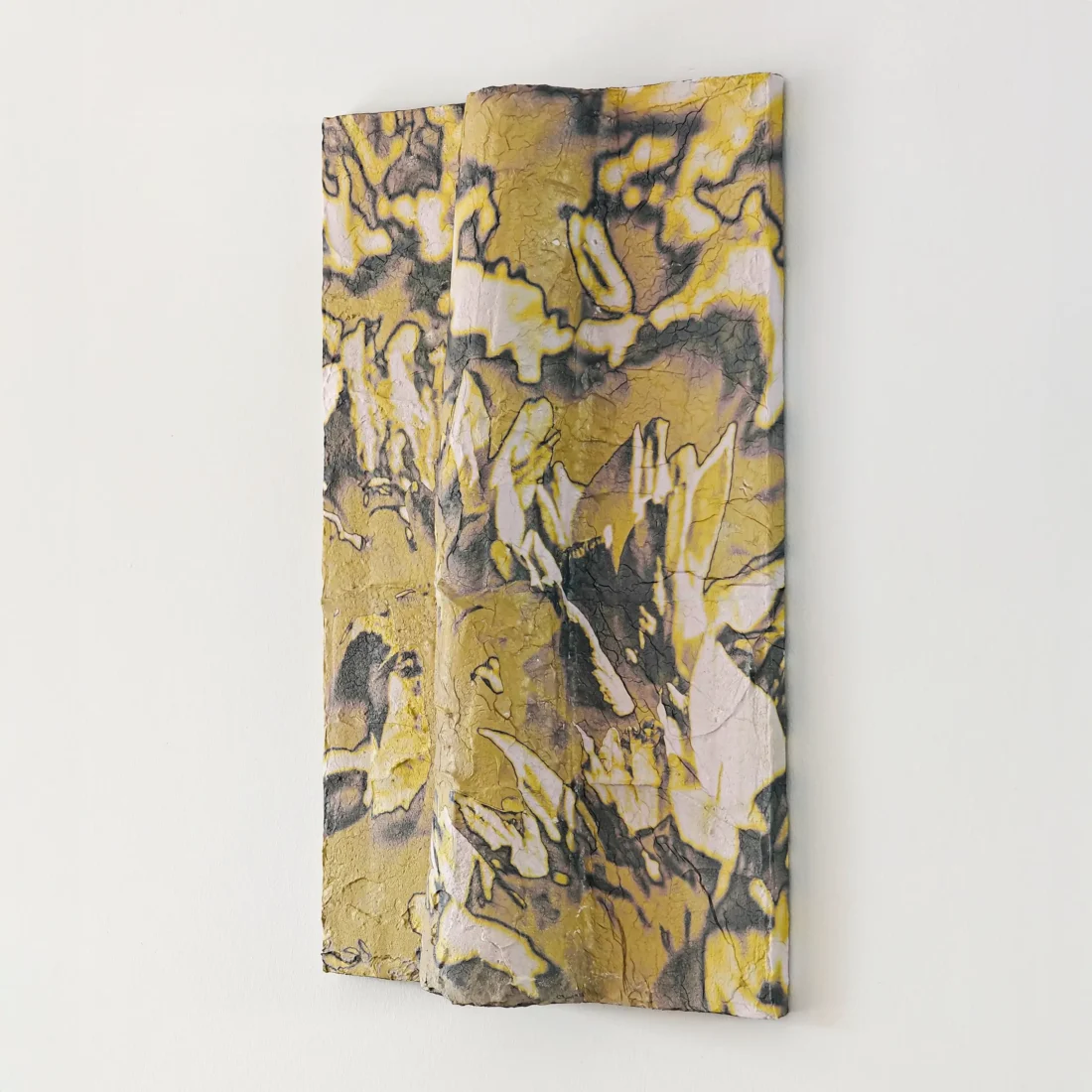
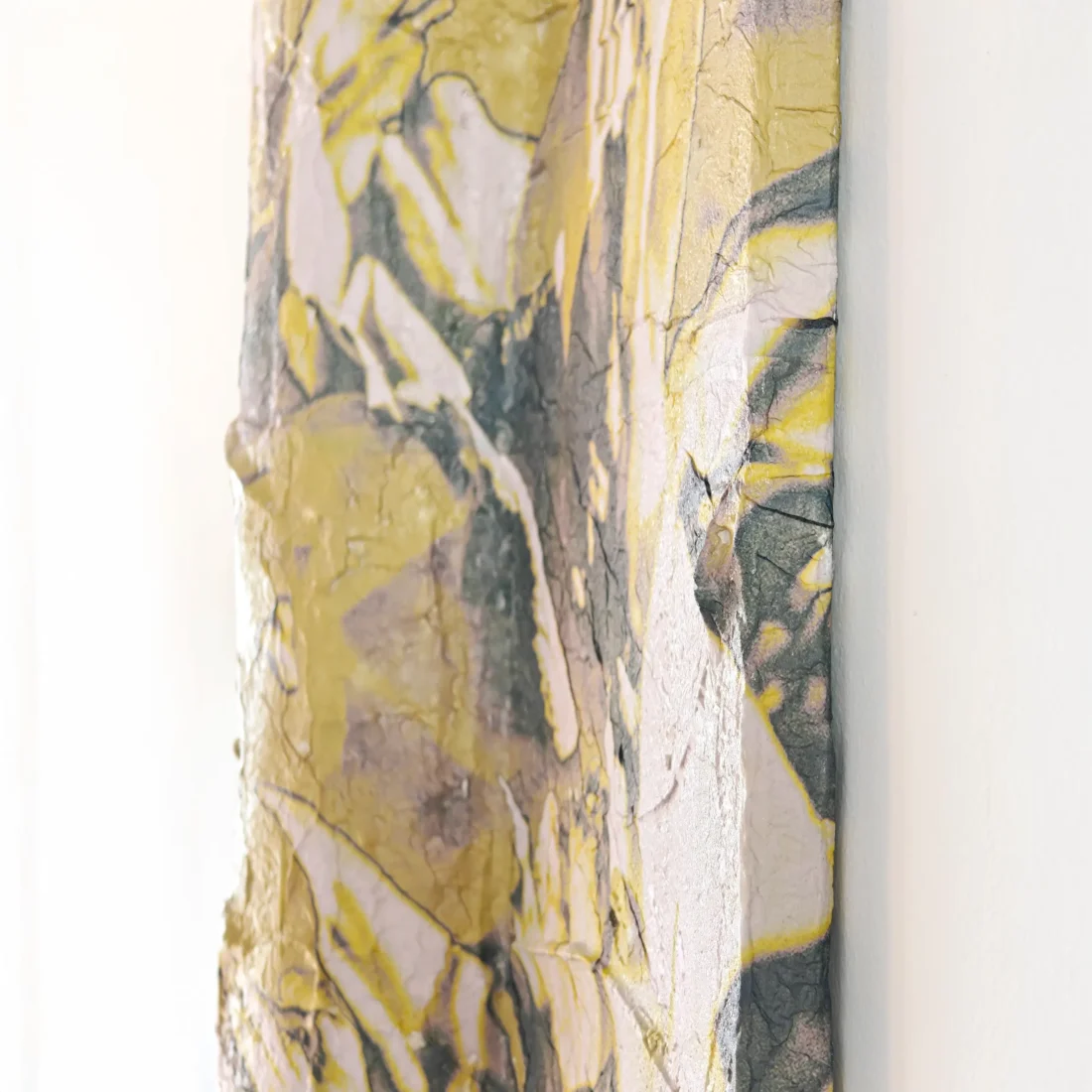
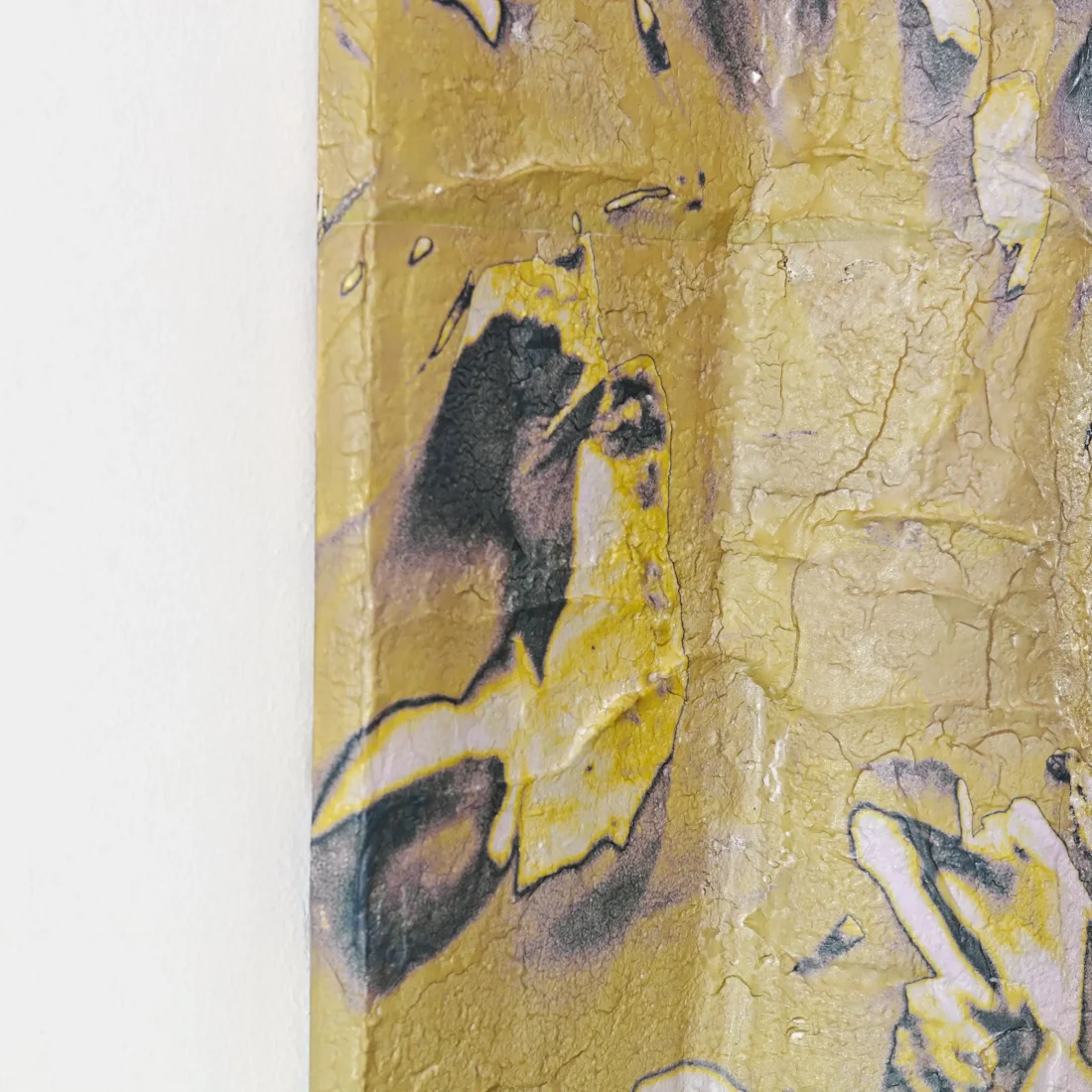
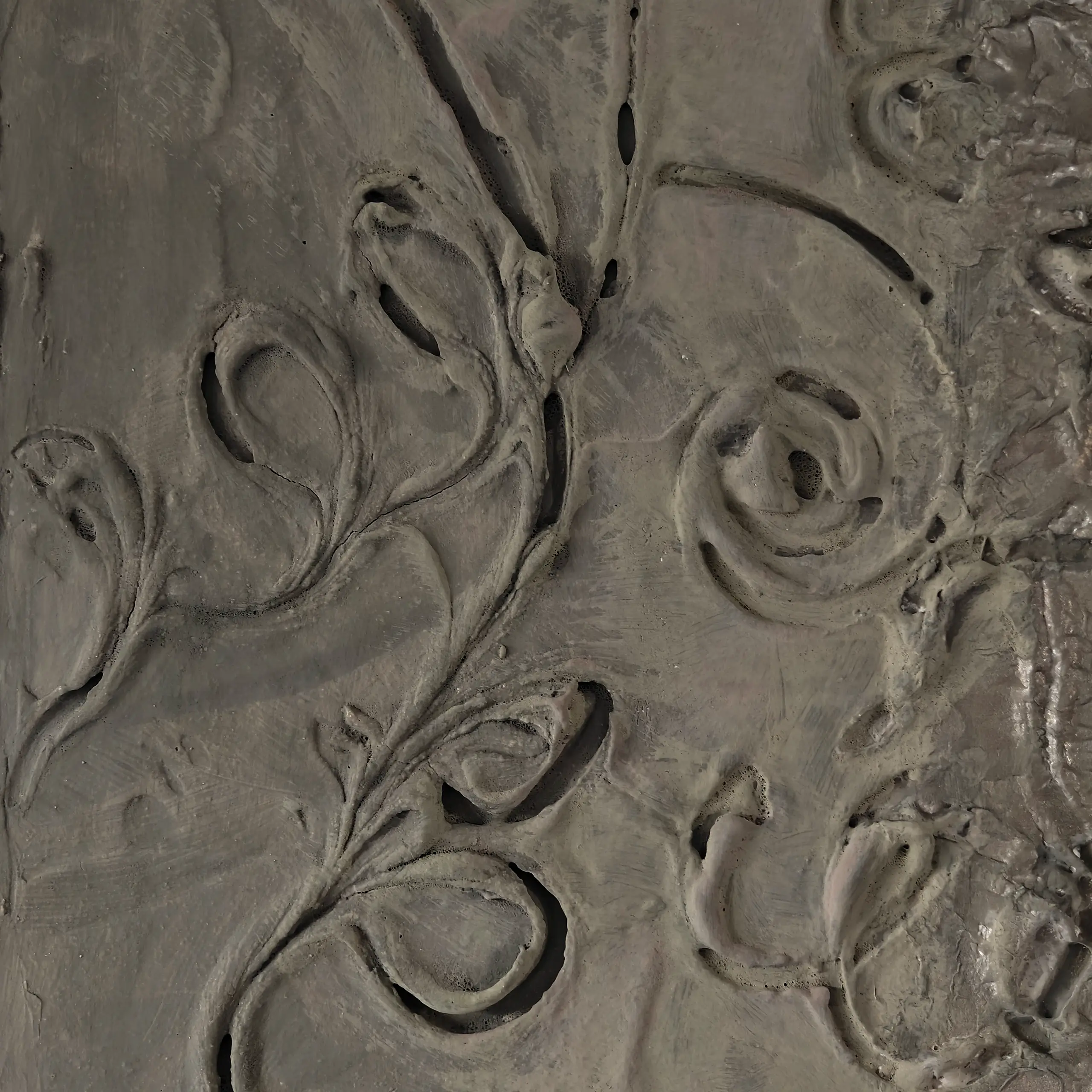
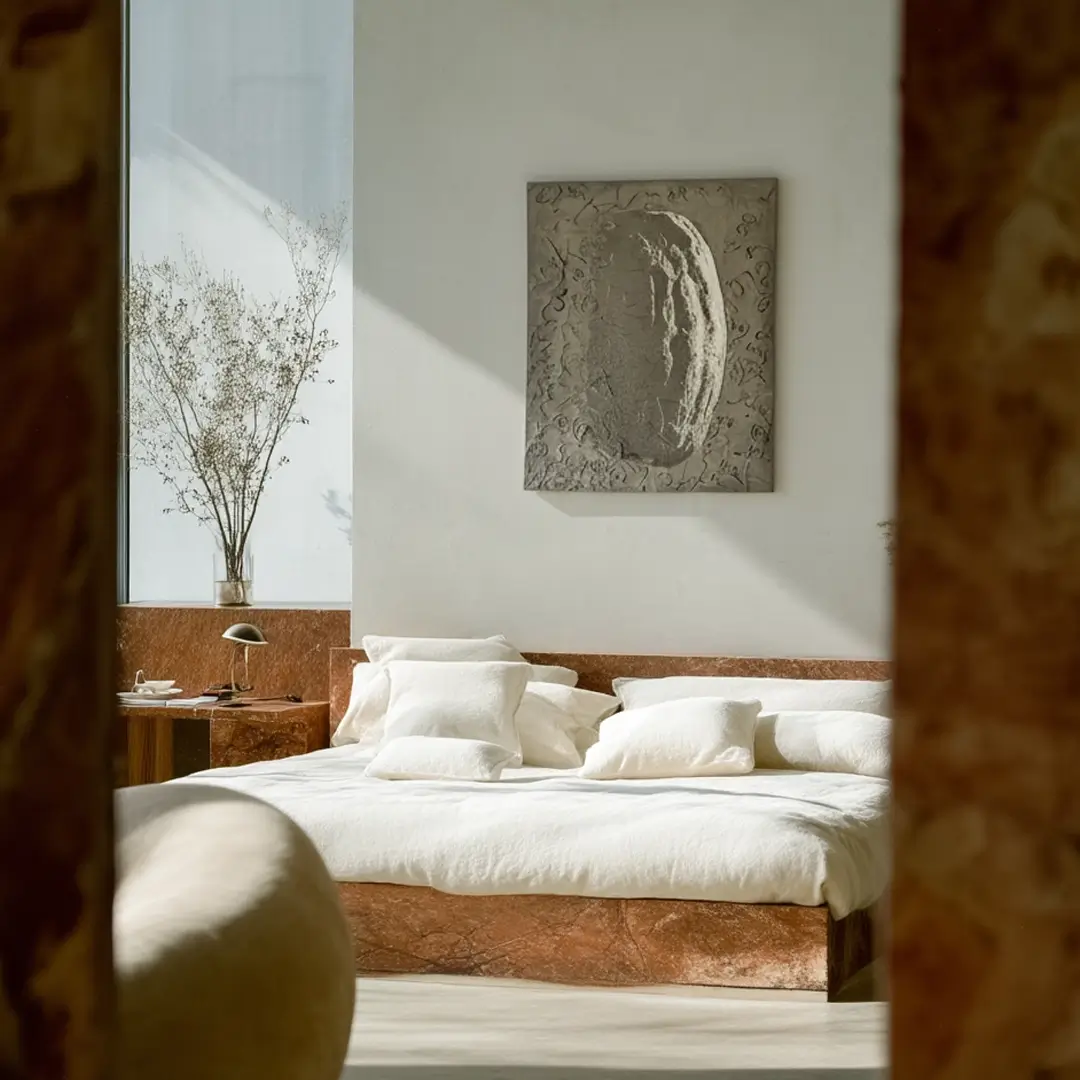
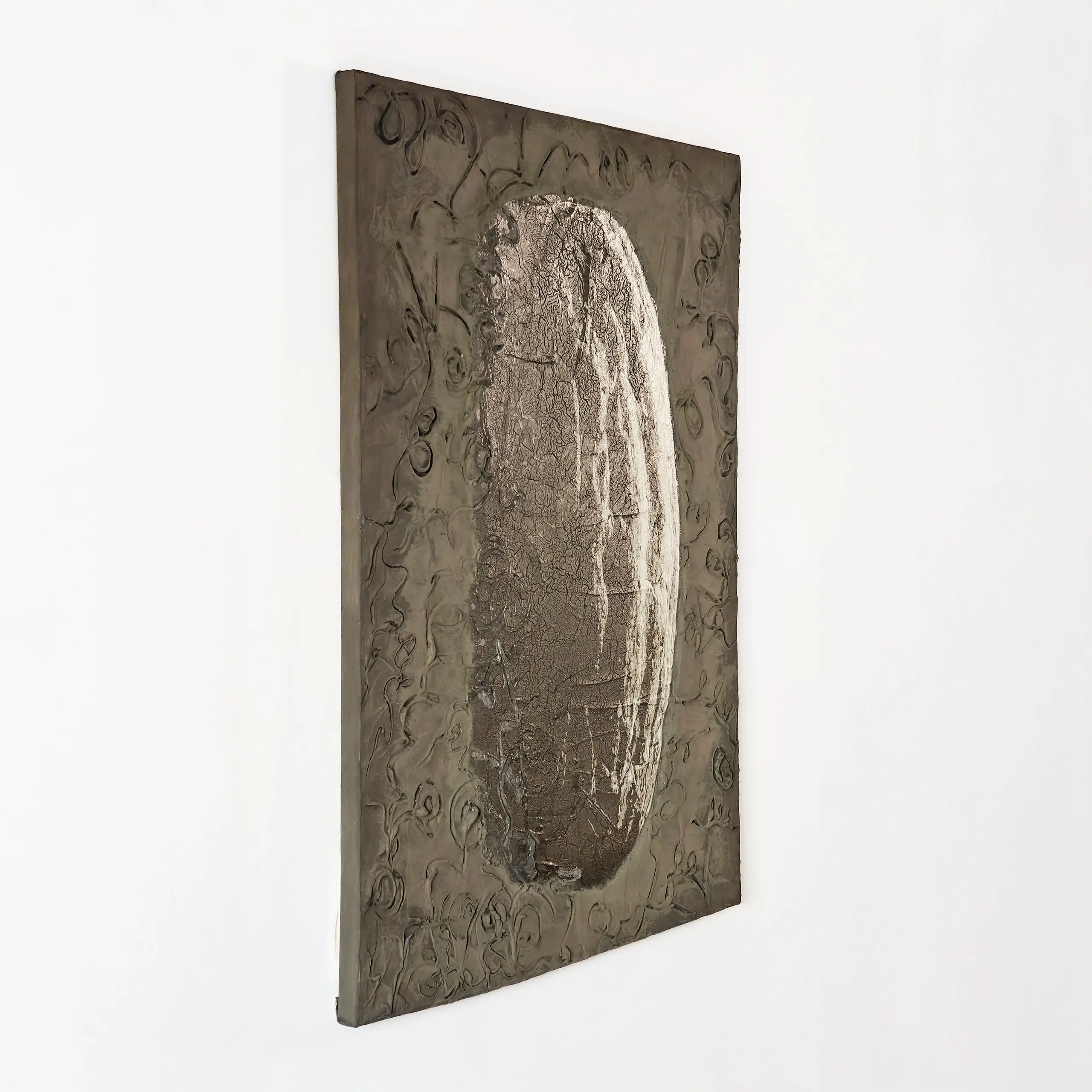
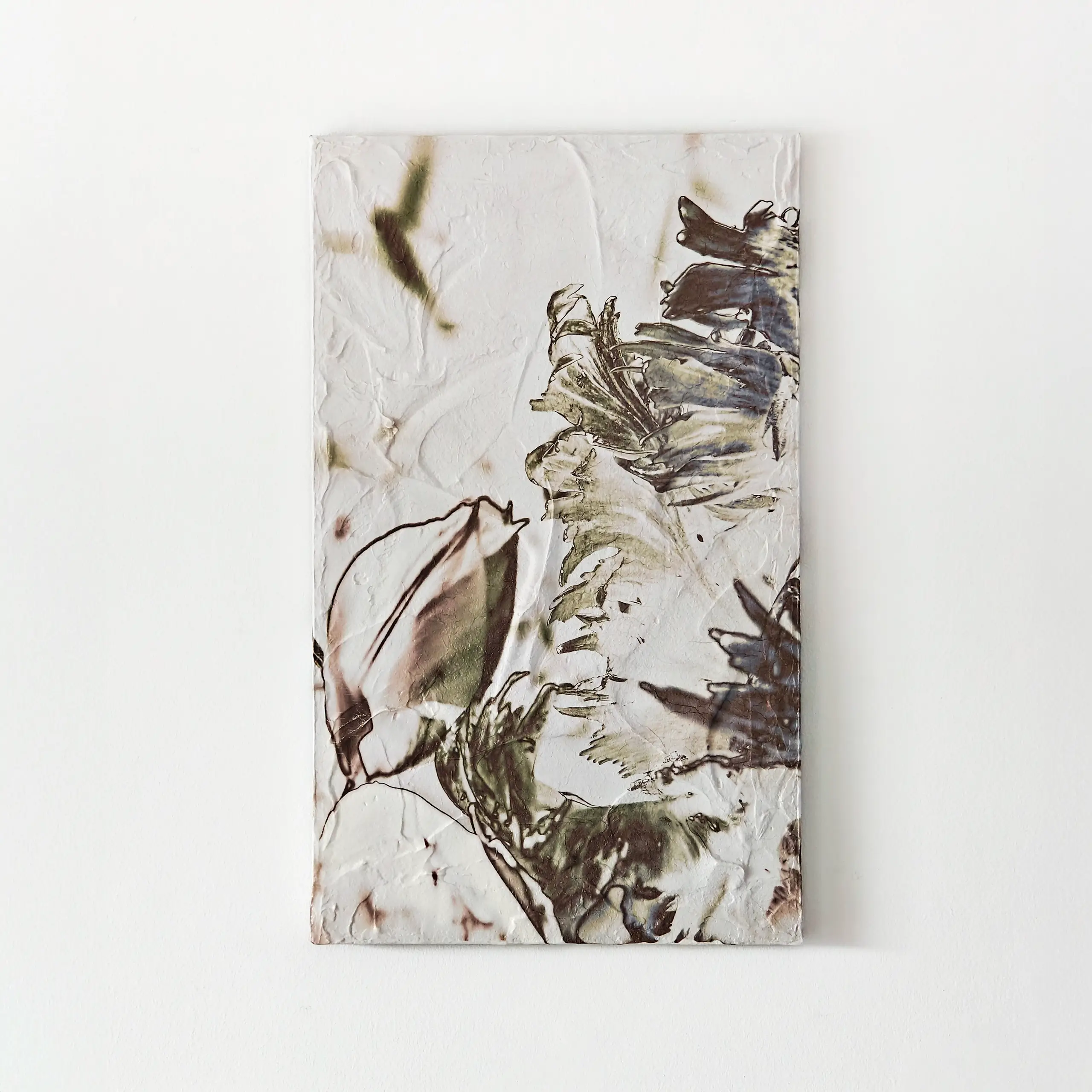
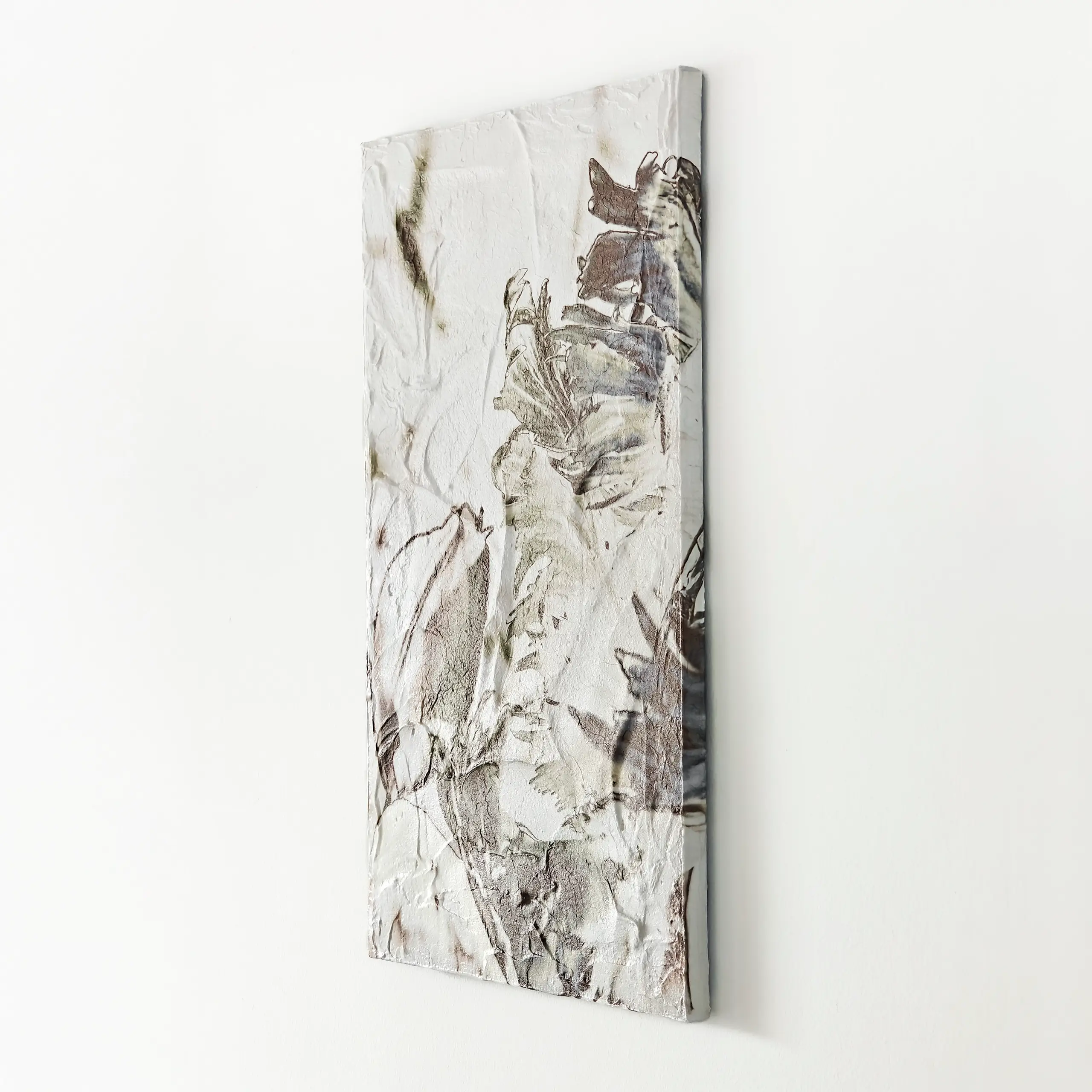
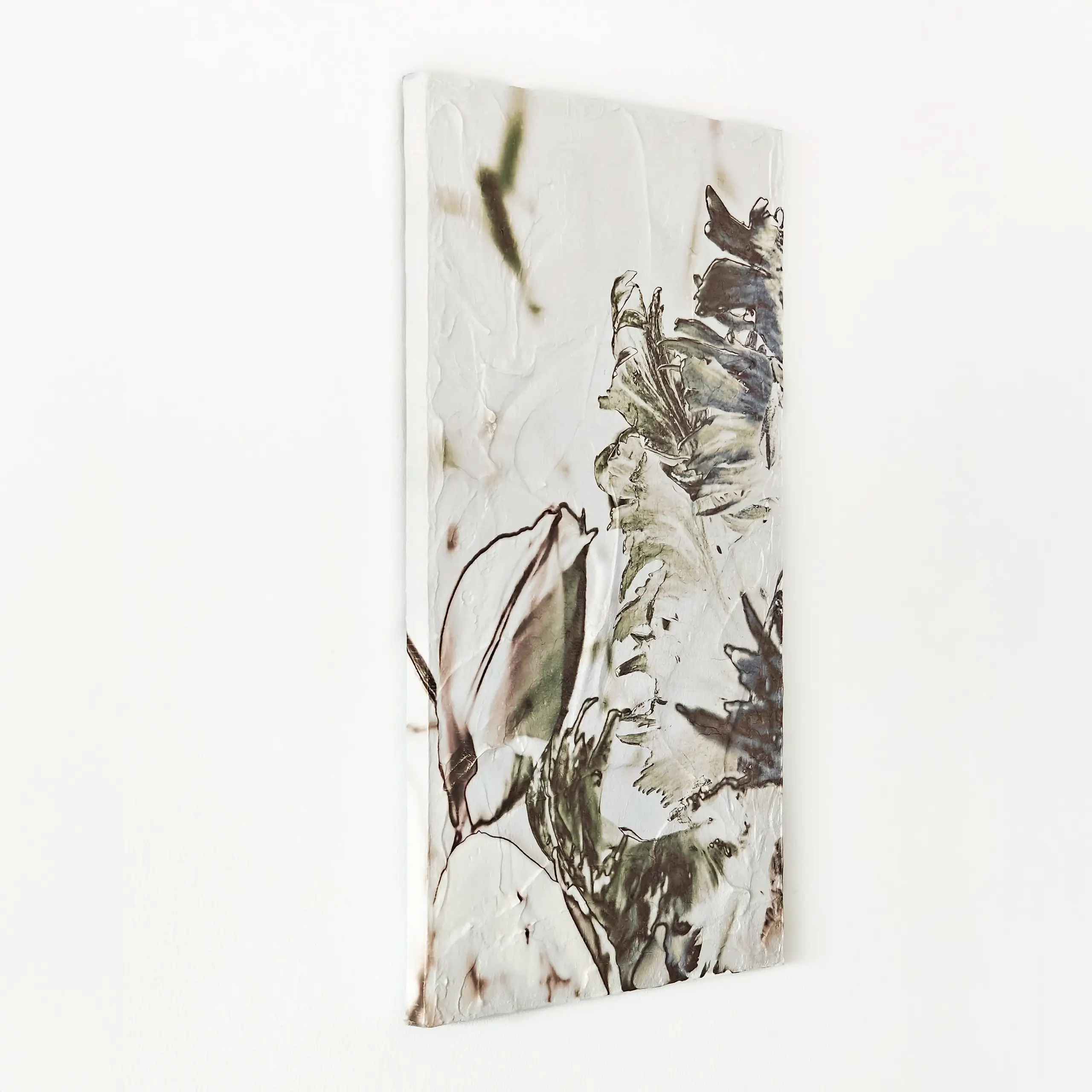
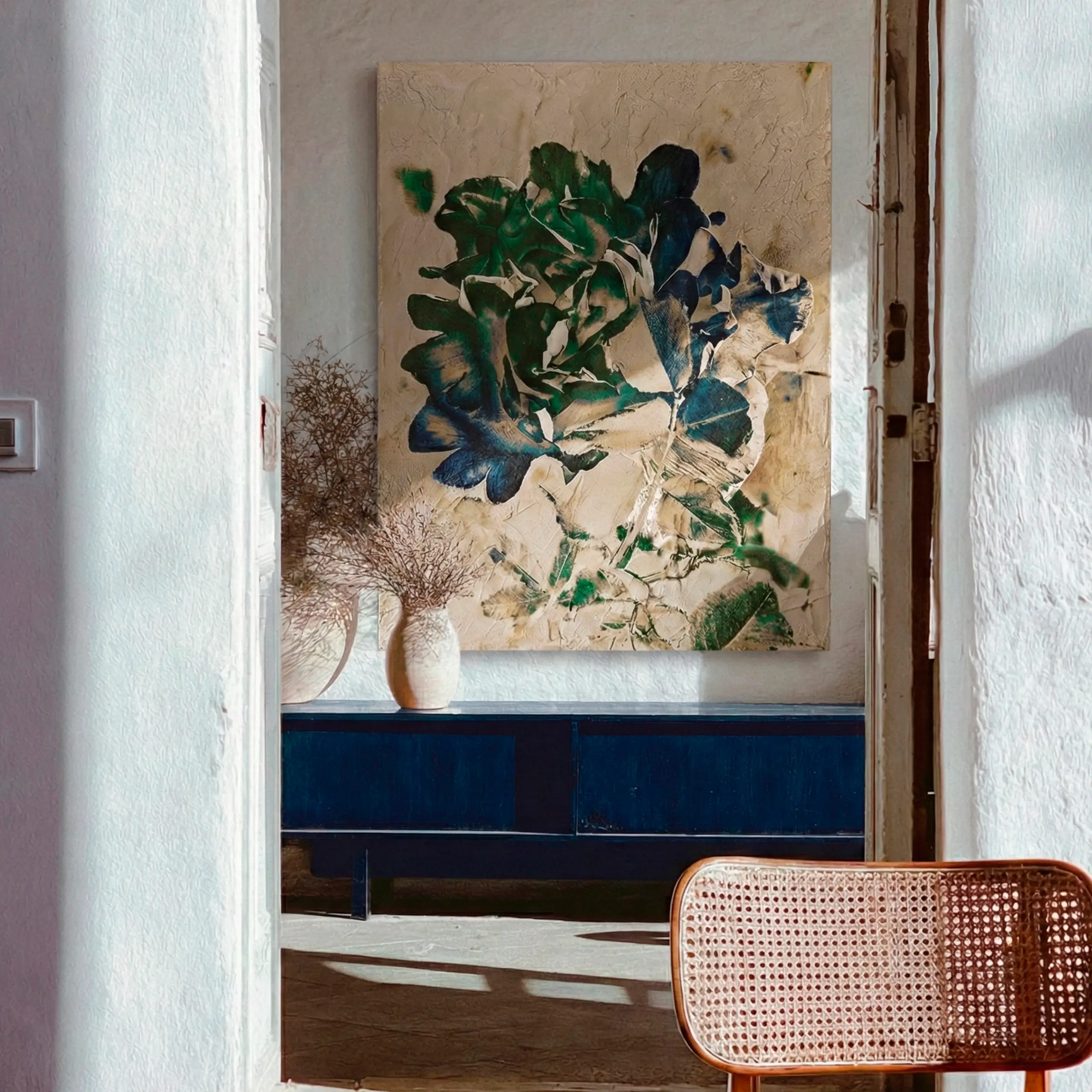
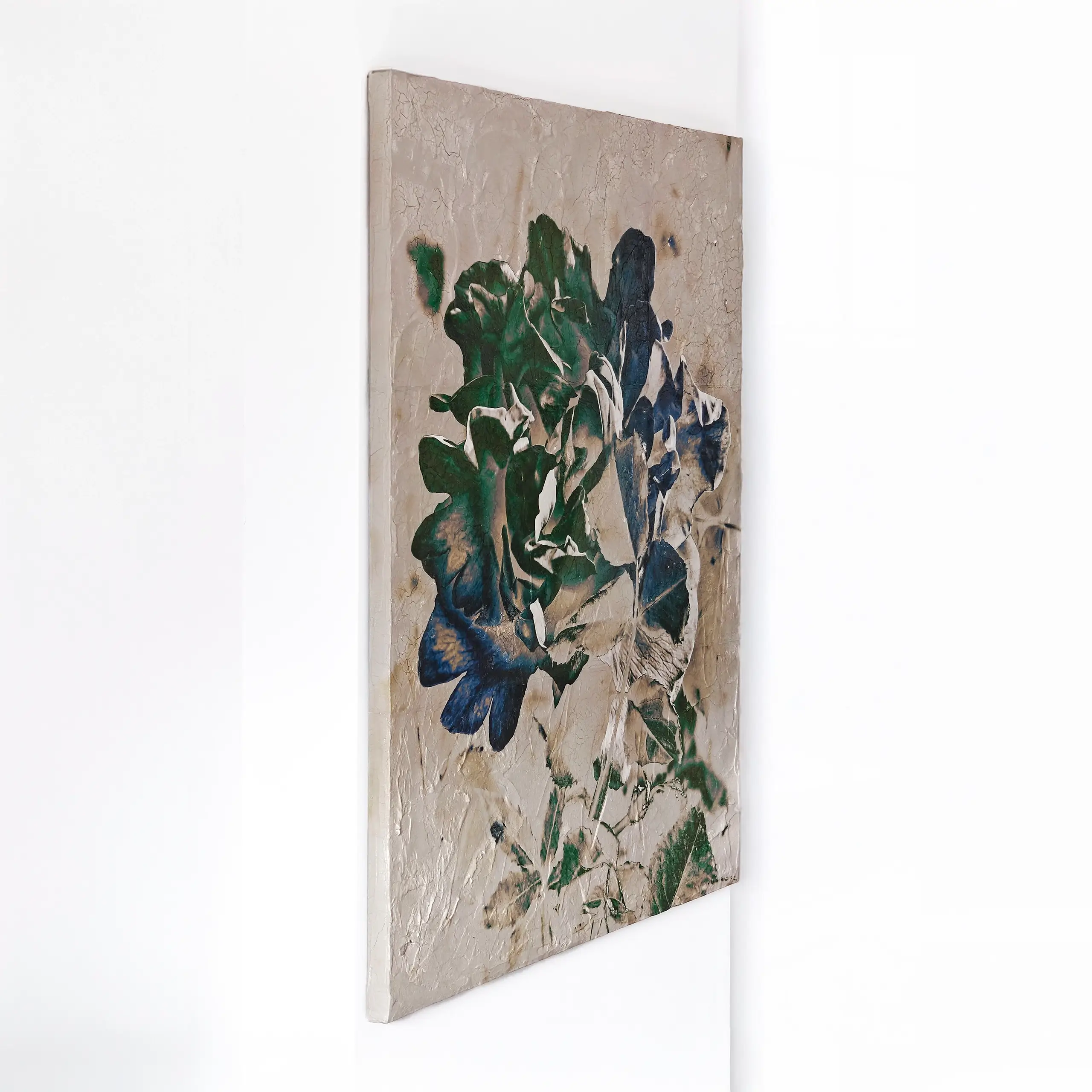
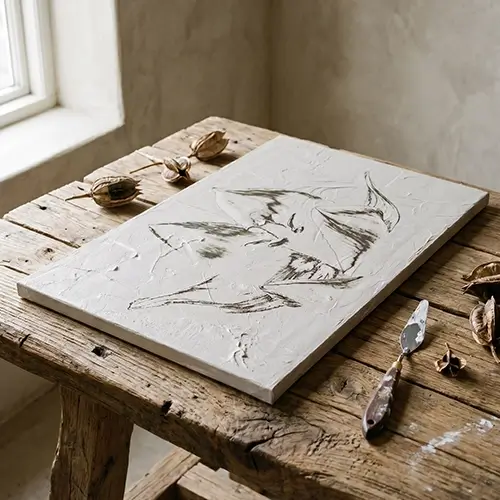
Textured Wall Art | Photographic relief in plaster | Unique piece | 38x61cm
FREE SHIPPING
Secure Shipping | 100% Safe Payment | Certificate of Authenticity
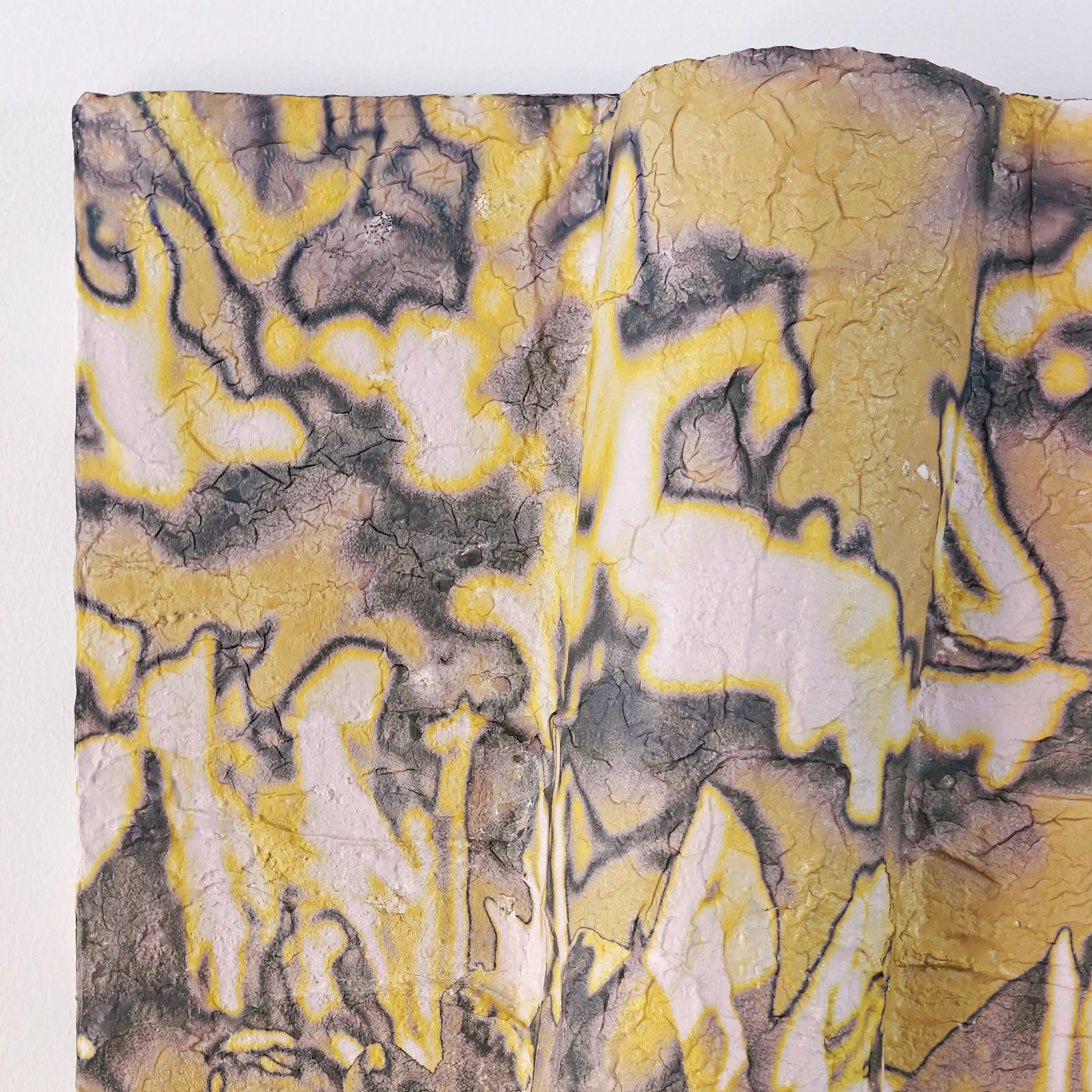
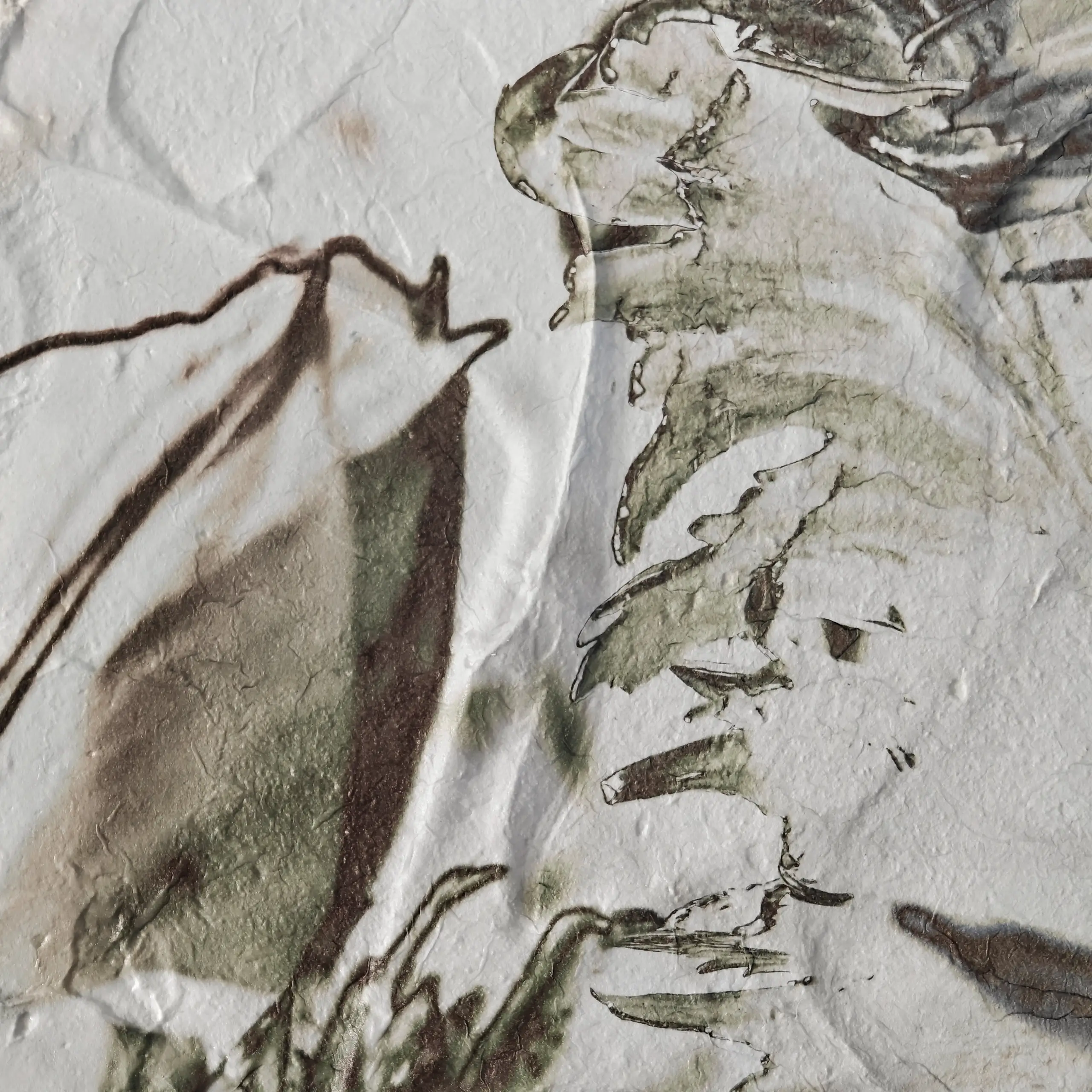
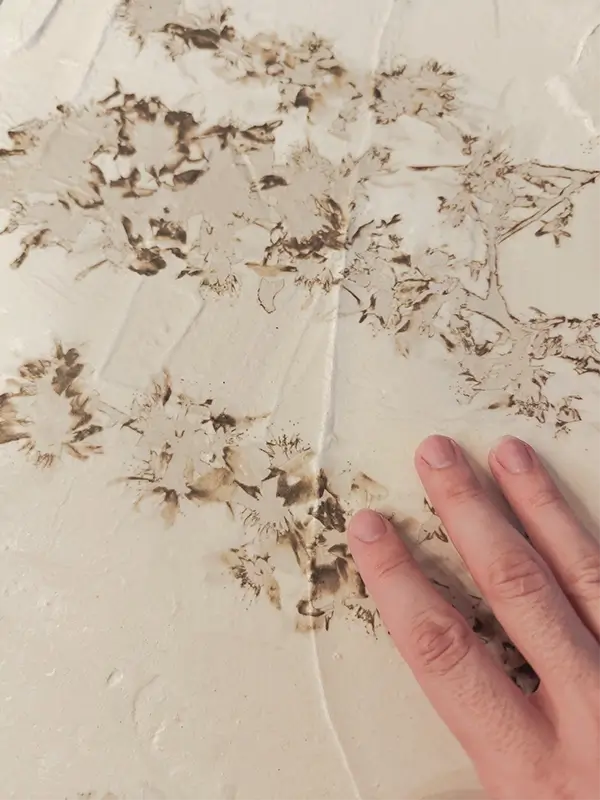
They rise exultantly among the soft dunes, like spear tips piercing a taut, undulating fabric. Are they made of rock, of crystal, of ice? What were they before turning to stone? Splinters of shattered wood, the crests of a dinosaur, fragments of an explosion flooding everything with light, or perhaps the product of two tectonic plates colliding… Could they be the peaks of a mountain range challenging the mist…? Who’s to say they aren’t flowers submerged in water at dusk, trying to present a hard and firm appearance in their fragility, revealing only part of their slender petals, like the tips of an iceberg. And meanwhile, the shadow of their stem can be glimpsed, holding them in the current.
The story behind
Kanzan cherry trees are not native here; these ones stand along a tree-lined walk in Sant Cugat and blossom all at once, in April. The flowers last no time at all, so we didn’t risk carrying them to the studio: we hauled a white surface out to the trees and set everything up right there, under the branches, in the soft light of late afternoon. That hour is the most spring-like spring we have ever felt: branches heavy with clusters, and winter’s cold finally letting go. This piece was our biggest bet on volume, and we wanted the trunk to show as well: if you can take your eyes off the flowers, the bark has an almost metallic sheen that is worth the look.
Kanzan
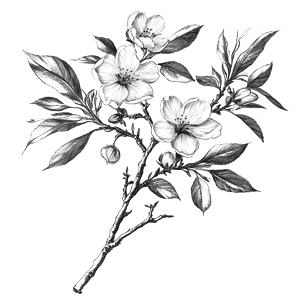
Kanzan cherry (Prunus serrulata ‘Kanzan’), native to Japan, is famed for its exuberant double-pink spring blossoms; a fruitless cultivar symbolizing fleeting beauty and renewal, central to hanami.

Think, plan, collect, select, position, illuminate, photograph and rework the image until it stops describing what was there and starts saying what we feel. That is the first half of the work.
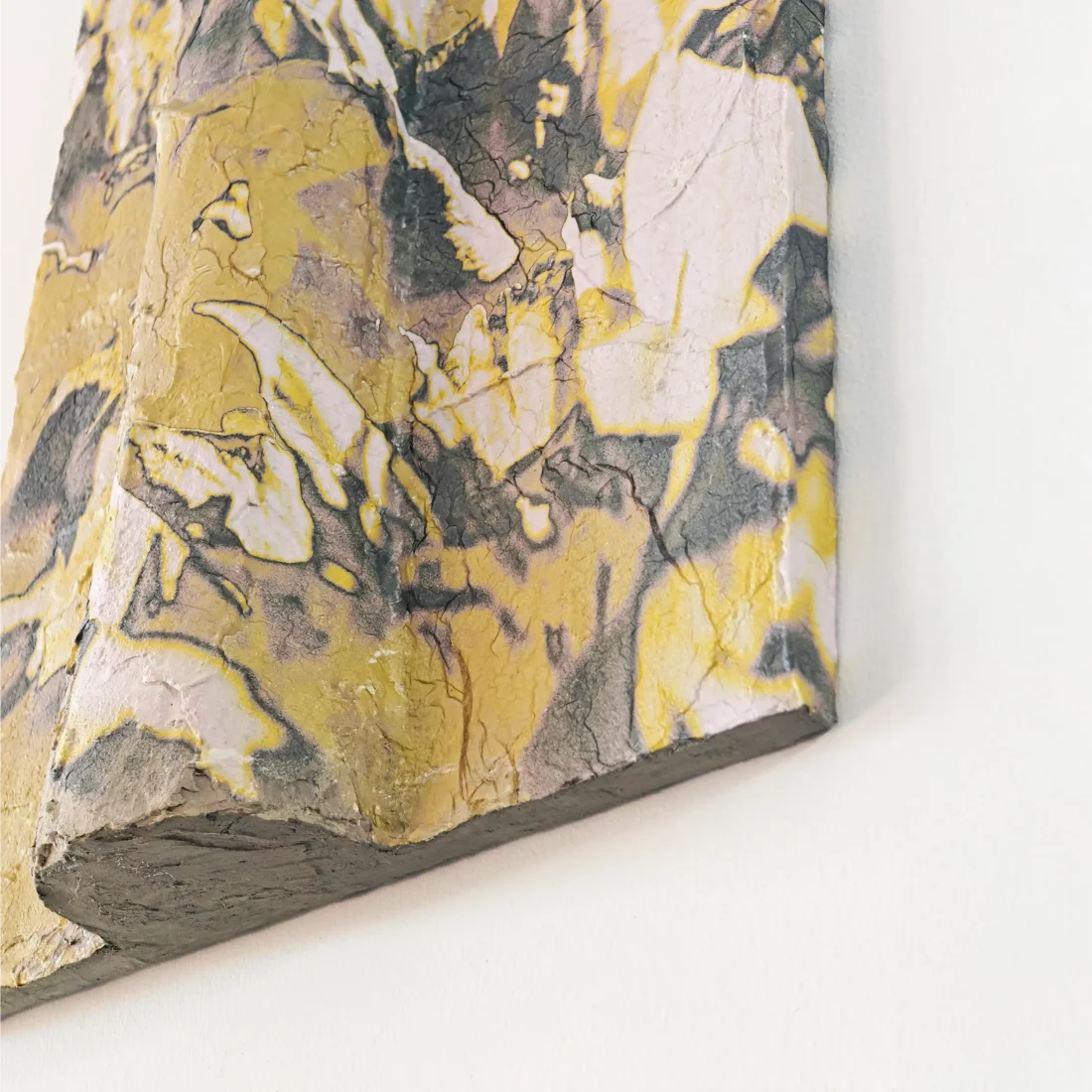
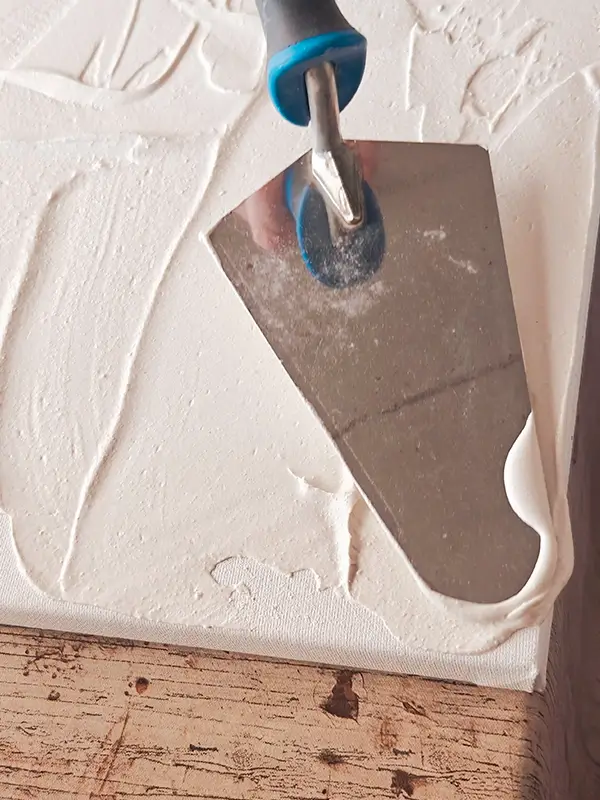
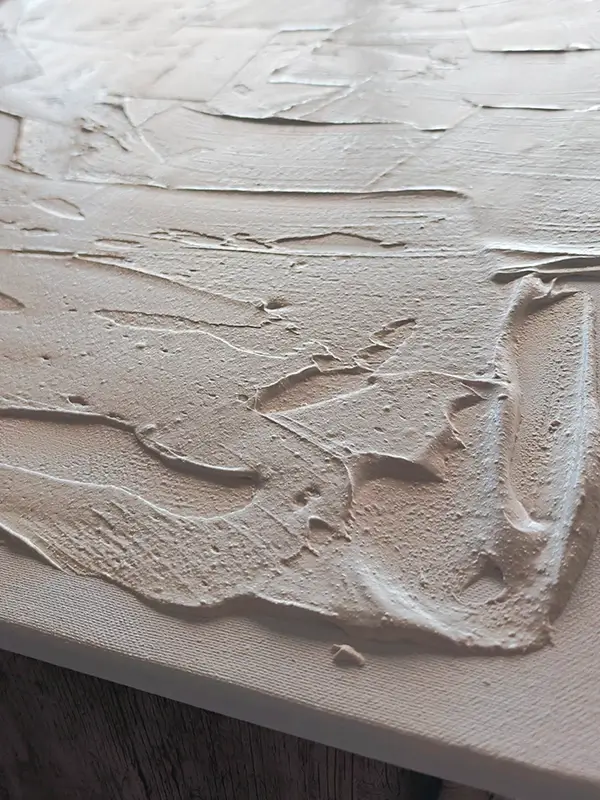
Measure, mix, spread, shape, wait, smooth, transfer, merge, seal and sign. The matter completes the work.
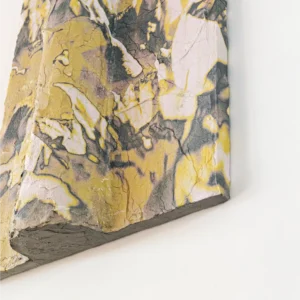
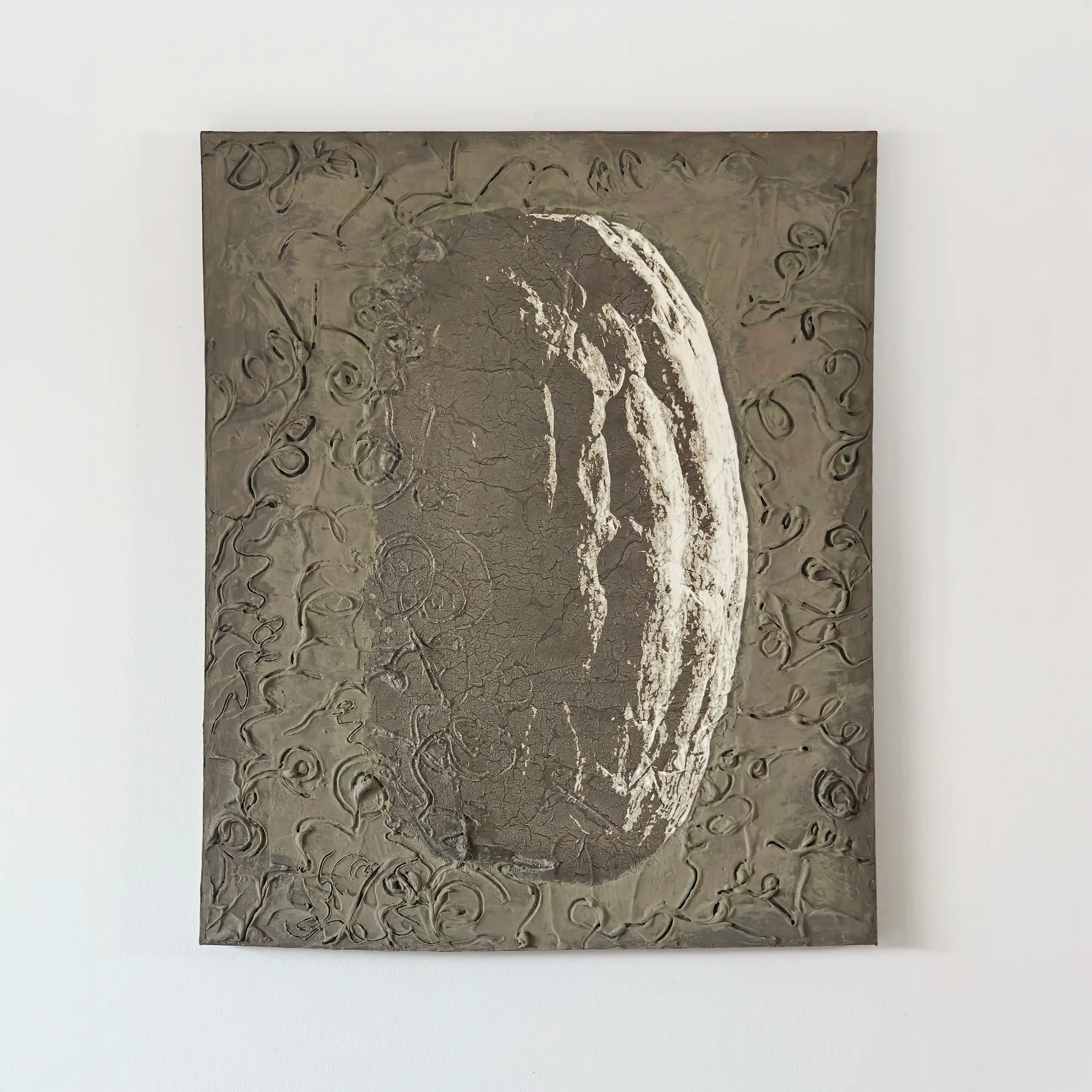
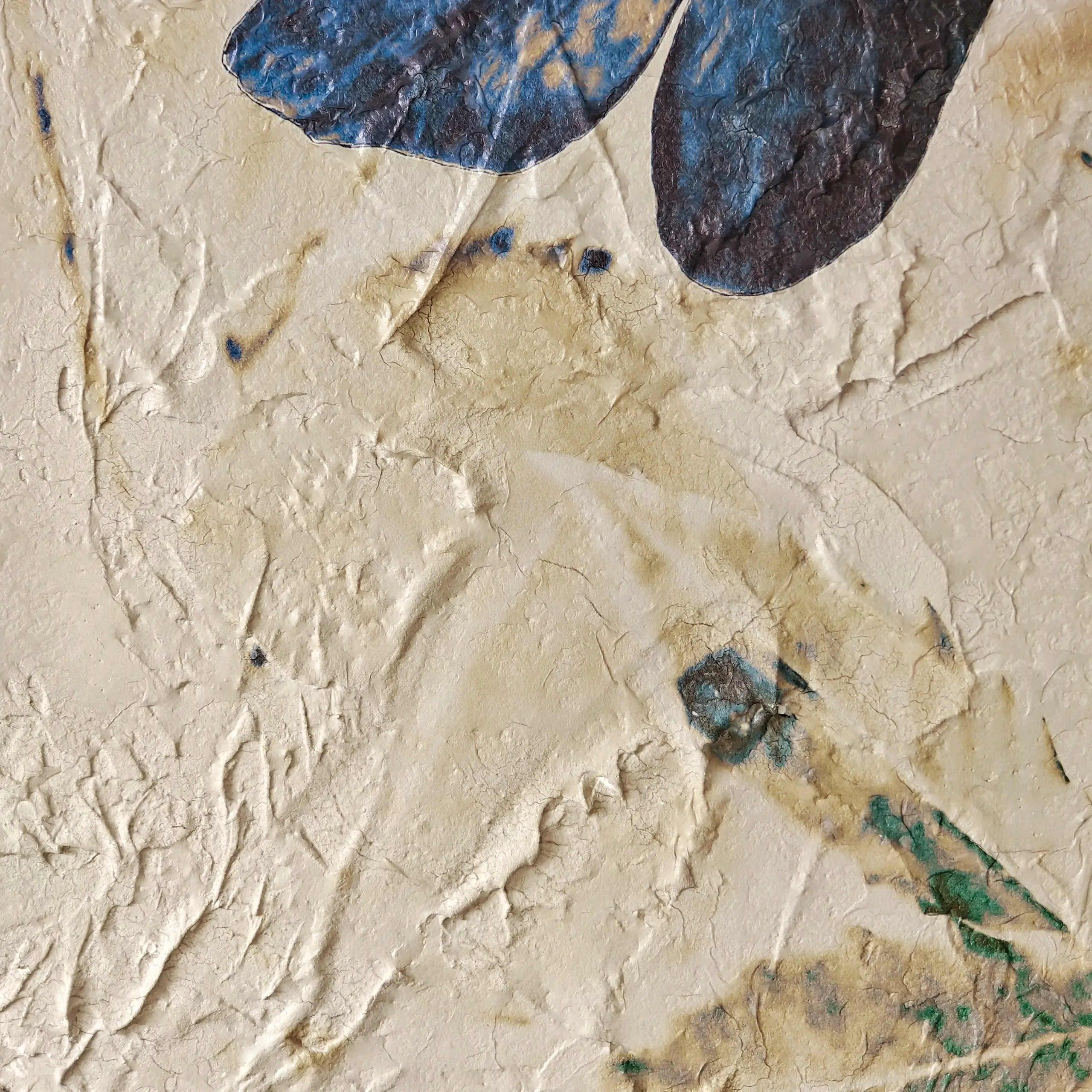
Image integrated into the plaster. No paper, no film — what you see and touch is the relief. One unique image for each unique piece. Two-dimensional and three-dimensional. Nature that feels natural.
Related products
650€
140€
320€
960€
ABOUT THE ARTIST
The artists play with the viewer's limit to recognize the photographed nature, they seek to suggest, to attract towards a bridge between the dreamlike and the real.
They make a study on sacrifice as a means of creation. The painful suppression of a part generates a new whole, a reality with unsuspected edges where subtracting gives us an unexpected abundance of beauty and visual interest. In a parallelism with time spilled in grey, boring or distressing moments that, in some way, give us a broader perspective of what it means to live and allows us to distinguish and covet the sweet stages.
Thus, in their photographs, the form faces a process of transformation, subjected to the dominion of light to be reborn in an unknown version. The volume is sectioned revealing silhouettes previously unnoticed. Different planes, different moments captured in the same vision.
At this point, the material aspect of the work plays a major role. There is a primitive emotional connection that artists ascribe to natural, earth-related, irregular and ancestral materials such as clay or plaster. This made it inevitable to embark on an arduous process of self-taught research, with countless trial and error until they were able to transfer all the power of their images from the screen to the plaster. Now, photography and volume merge into a single entity, in an unexplored materiality far from traditional supports.