







Borage
Facts and Features
| Common & Scientific Name: | Borago officinalis (Borage) |
| Etymology: | From Latin “Borago” and Greek “Bouglōssos” (ox-tongue). It also derives from the Celtic word "borrach," meaning "courage." |
| Family: | Boraginaceae |
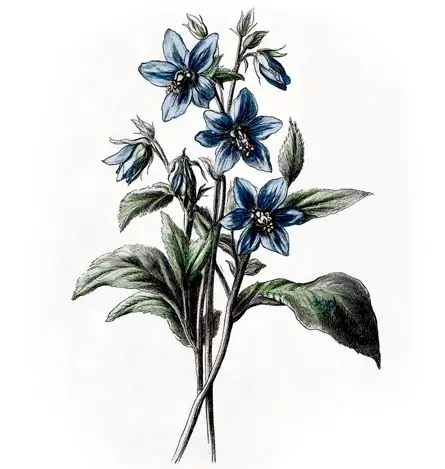
| Blossoms: | Blue, five-petaled star-shaped flowers |
| Foliage: | Hairy, oval leaves with a cucumber-like scent |
| Fruit: | Small dark nutlets, typically used for seed propagation |
| Height: | 60-90 cm |
Borage main features chart
A Plant Rooted in History
Borage has been turning heads—and lifting spirits—for millennia. Ancient Greeks, including Theophrastus and Dioscorides, were early fans, using it to soothe the lungs and steady the nerves. The Romans took note, mixing borage with wine before battle to stir courage. Arab traders introduced it to medieval Spain, where it became known as “the vegetable of the queen.”
It then starred in 14th-century English cookbooks, enchanted Renaissance herbalists like John Gerard and Nicholas Culpeper, and made its way across the Atlantic with European settlers. From monastic medicine to spring salads, borage proved it could charm across cultures and centuries.

The Greeks and Romans believed borage gave courage, with warriors drinking borage-infused wine before battle.
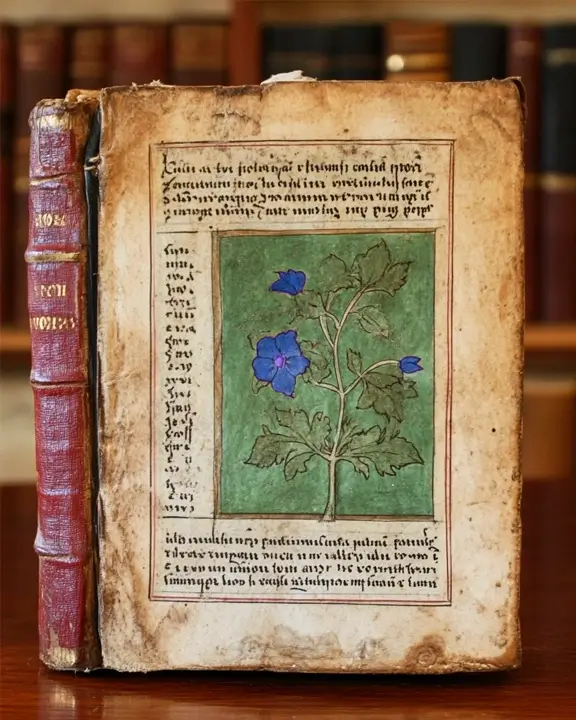
During the Middle Ages, borage held a prestigious place in Islamic cuisine and medicine, where it was famously called "the vegetable of the queen" in Moorish culture.
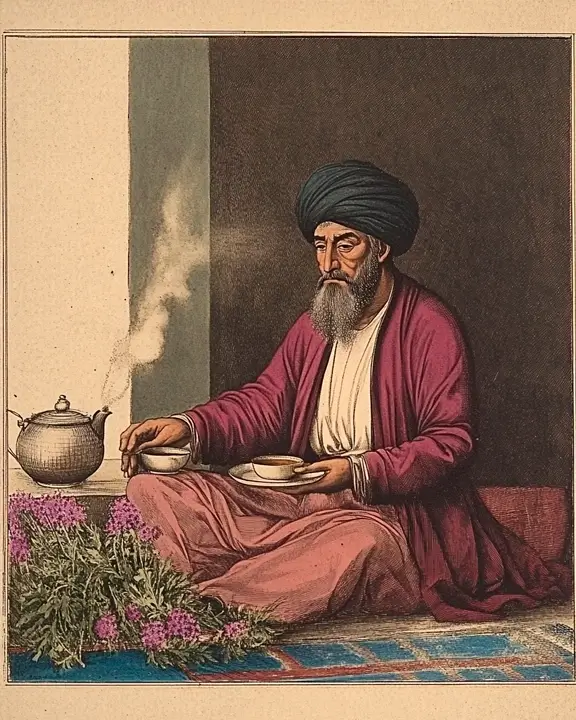
In Persian tradition, dried borage (gol gavzaban) has long been brewed into a tea to calm the heart and mind, a custom still alive today.
Wherever it grows, borage makes its presence known—bright blue blooms light up fields, meadows, and even the cracks of city sidewalks, proving its resilience and adaptability.

Originally a wildflower of the Eastern Mediterranean and Western Asia, borage has expanded across nearly every continent thanks to its ability to self-seed and thrive in diverse conditions.
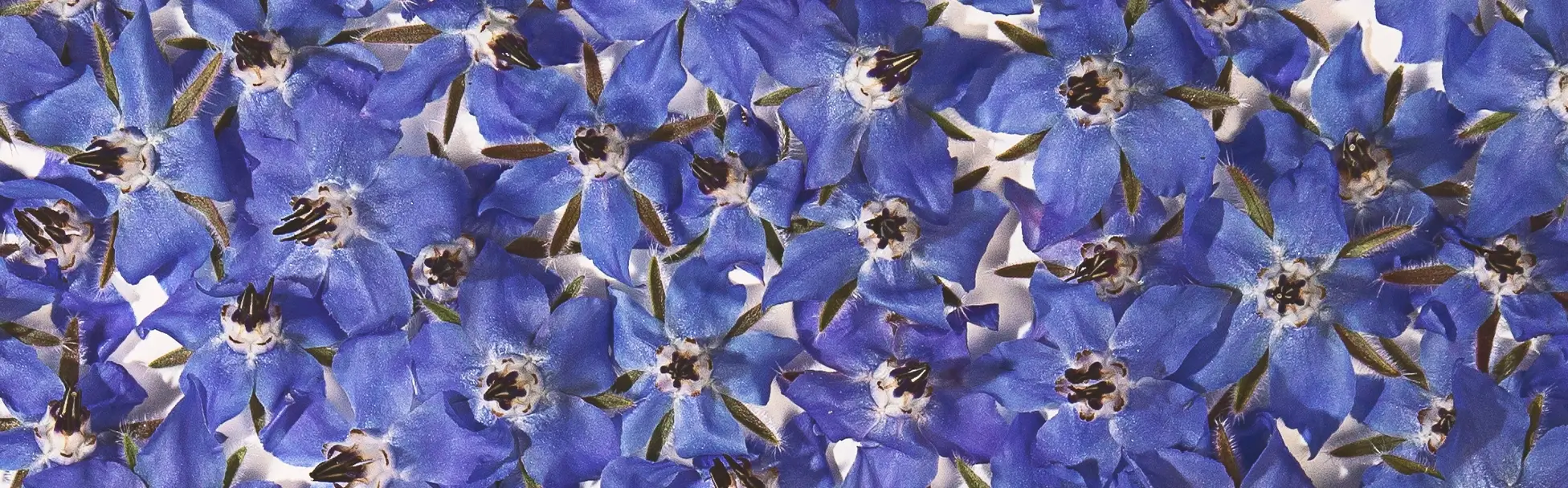

“Sow Borage, sow courage.”
The Magic of Borage: Properties & Benefits
Borage is much more than just a pretty flower. It is medicinal and nutritional, offering a variety of health benefits. Some of its key properties include:
-
Skin-healer: Borage oil is one of the richest plant sources of gamma-linolenic acid (GLA), an omega-6 known for reducing inflammation and supporting skin health
-
Mood & Nervous System Support: Borage has mild sedative properties, helping to ease stress, anxiety, and even insomnia. Often used in teas to cleanse the body and relax the mind.
-
Supports Heart Health: Known to reduce high blood pressure.
-
Hormonal Balance: Helps alleviate symptoms of PMS and menopause.
-
Digestive & Blood Purification: Used in traditional medicine to support liver function, reduce fevers, and purify the blood.
-
Anti-Inflammatory & Respiratory Relief: Borage contains compounds known for reducing joint pain and inflammation. It has also been used in herbal medicine as an expectorant to ease coughs and bronchial issues.
-
Superfood status: Packed with vitamin C, vitamin A, iron, potassium, and magnesium, making it an excellent choice for a balanced diet
DID YOU KNOW...?
to refill its nectar
The Blue Secret: Science and Seduction
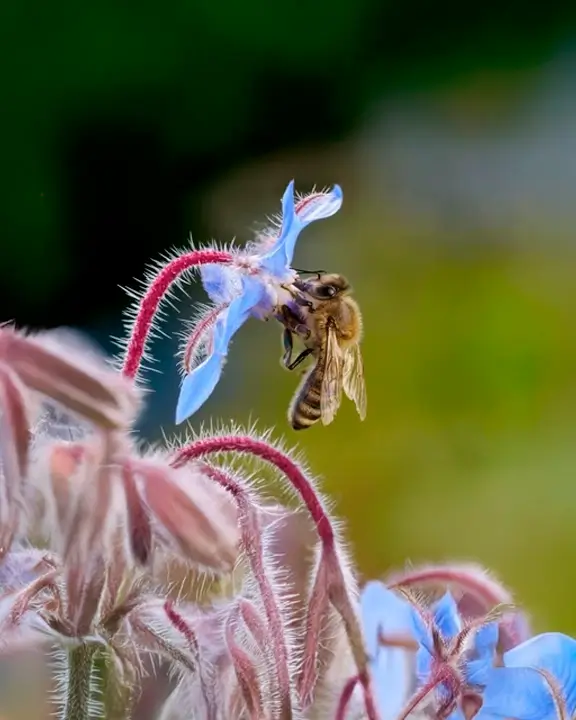
That dazzling blue? It’s not just pretty—it’s science and strategy. Borage gets its hue from pH-sensitive pigments that shift as the flower matures, often starting pink and turning blue. Bees adore blue, so this color evolution isn’t just beautiful—it’s a built-in pollinator magnet.
The Royal Horticultural Society (RHS) recommends borage as a bee-friendly plant, and it's included in major pollinator conservation initiatives like the All-Ireland Pollinator Plan.
A Tiny Flower with a Huge Ecological Impact
-
Soil Enrichment: Borage is a natural soil booster, drawing up trace minerals with its deep roots and enhancing soil fertility when tilled back into the earth as green manure.
-
Pest Control & Companion Planting: Farmers use borage as a natural ally in crop protection—it confuses and repels tomato hornworms, cabbage worms, and aphids, reducing the need for pesticides.
-
Water Efficiency: Once established, borage is drought-tolerant and thrives in low-water conditions, making it ideal for climate-resilient agriculture.
-
Erosion Control: Borage’s fast-spreading growth stabilizes soil and prevents degradation in fragile ecosystems.
Borage 2.0: Varieties and Surprising Uses
While Borago officinalis is the most widely known species, there are a few variations worth noting:

White Borage (Borago officinalis ‘Alba’): A rare variety featuring white flowers instead of the typical blue. Great ornamental contrast.

Pink Borage: A lesser-known variety with soft pink flowers, primarily cultivated for decorative gardens and unique aesthetic appeal
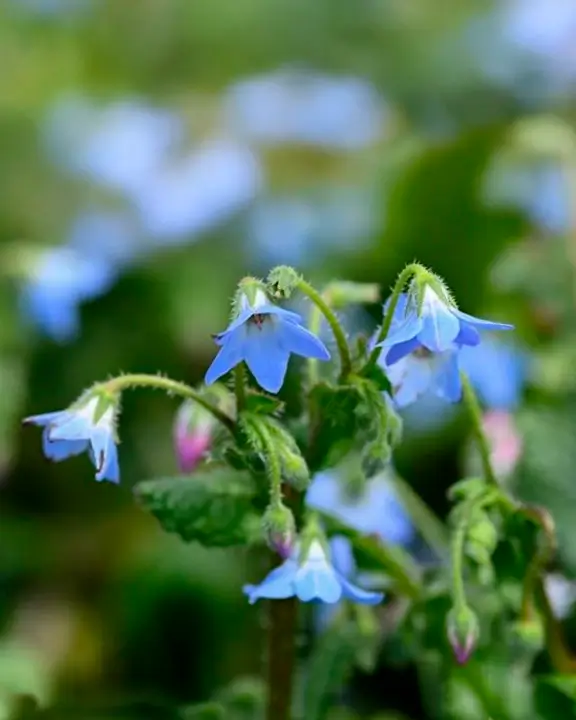
Creeping Borage (Borago pygmaea): Native to Corsica and Sardinia, this low-growing perennial has delicate, bell-like blue flowers and is often used as a decorative garden herb rather than for culinary purposes.
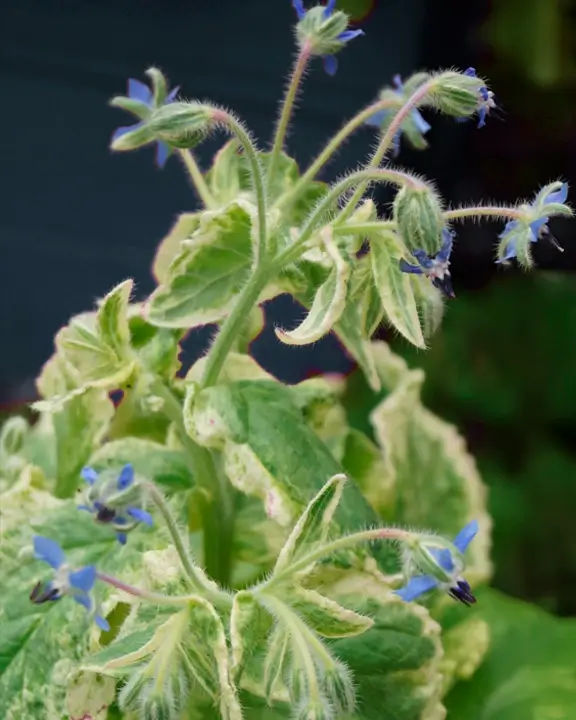
Variegated Borage (Borago officinalis ‘Variegata’): A unique cultivar with green leaves marbled with white or yellow, offering a striking visual appeal in herb gardens.
Culinary Uses
Borage is a versatile ingredient in gastronomy, appreciated for its refreshing cucumber-like flavor and vibrant appearance:
-
Michelin-Starred Dishes: At the renowned El Celler de Can Roca in Spain, borage is featured in their dish 'Borage Emulsion with Citrus and Herbs'.
-
German Cuisine: In Germany, borage is a key herb in Frankfurt Green Sauce.
-
Infused Desserts & Sweets: In the Elizabethan era, borage flowers were crystallized with sugar and used to decorate desserts, a tradition that continues in some artisanal sweet-making today.
-
Plant-Based & Herbal Cuisine: Frequently used in detox smoothies and plant-based dishes for its nutritional benefits.
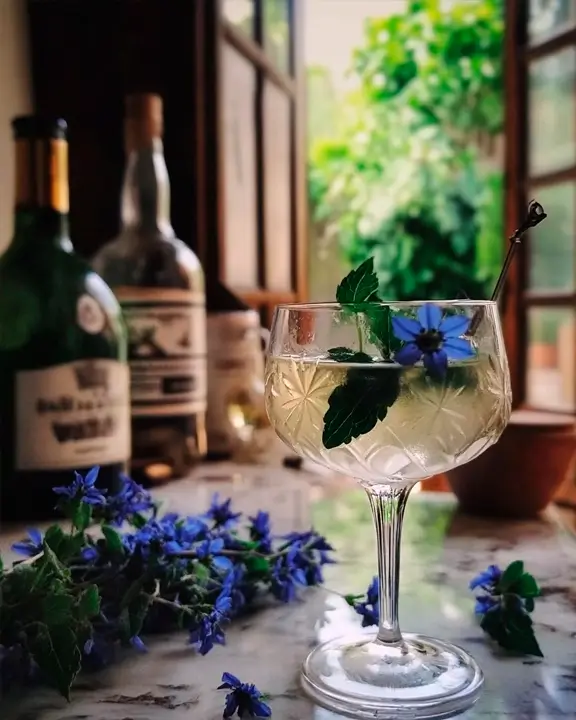
Cocktails & Mixology: Borage has a long history in British cocktails. Its flowers were used as a garnish in Pimm’s Cup, a popular summer drink at Wimbledon and other high-end British events.
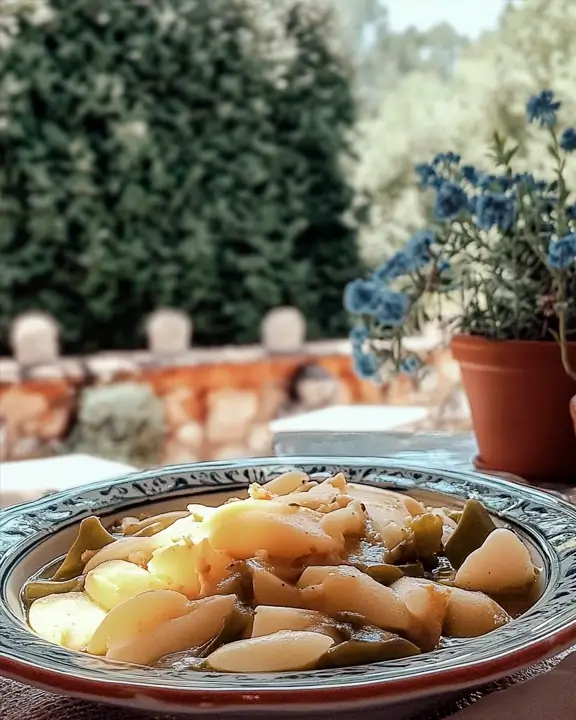
Traditional Mediterranean Recipes: In Spain, borage (borraja) is a beloved winter vegetable, often boiled and served with potatoes or added to stews. In Italy, especially in Liguria, borage is a key ingredient in pansotti and ravioli fillings.
“Quedó en agua de borrajas”
Other Contemporary Uses
-
Commercial Oil Production: The UK and Canada lead in cultivating borage as a specialty oilseed crop, primarily for borage oil extraction.
-
Fashion & Textile: Some designers are experimenting with borage-infused fabrics due to its natural dyeing properties, producing a subtle blue tone.
-
Cosmetics & Skincare: Found in many organic skincare products, borage oil is valued for its rejuvenating and moisturizing properties.
-
Eco-Friendly Packaging: Some researchers are studying the potential of borage-based biodegradable materials as an alternative to synthetic packaging.
Symbolism of Borage, the 'Starflower'
The vibrant blue of borage flowers link them to celestial themes, representing the infinite and the divine. Its nickname “Starflower” (bloom like a star in the sky) and its shape, with its uplifting properties, symbolize hope and guidance, like a star leading one out of darkness.
As we have already seen, throughout history borage has been associated with courage, vitality, and renewal. Medieval texts referenced borage as the "herb of happiness" attributing its calming and strengthening properties to its mystical nature.
In folklore, the plant symbolized protection and encouragement, often planted in gardens as a charm against negativity. It was also a popular ingredient in love potions and herbal brews, thought to inspire confidence and openness in personal relationships.
In art and literature, borage sometimes represents blunt truth (because of the word borra meaning hairy or rough in Latin – an unrefined exterior but with wholesome benefits). In Victorian floriography (the coded language of flowers), borage was said to represent bluntness and directness, possibly due to its rough, hairy texture contrasting with its delicate bloom.
“Ego Borago, gaudia semper ago”—“I, Borage, bring always joy.”
Painted in Blue: Borage in Art
Few plants offer such a sculptural aesthetic as borage. Its sharp-edged petals, contrasting dark stamens, and hairy stems make it an artist’s dream. Throughout history, borage has been depicted in botanical illustrations, medieval manuscripts, and even classical still-life paintings.
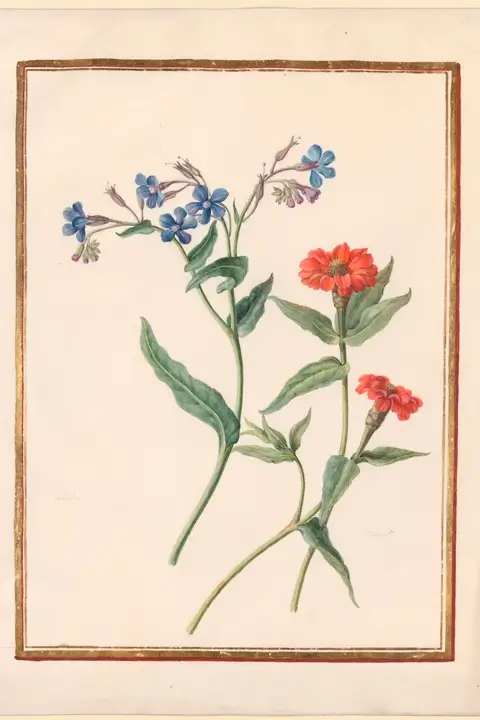
Borage (Borago officinalis) watercolor – Madeleine Françoise Basseporte, 1750
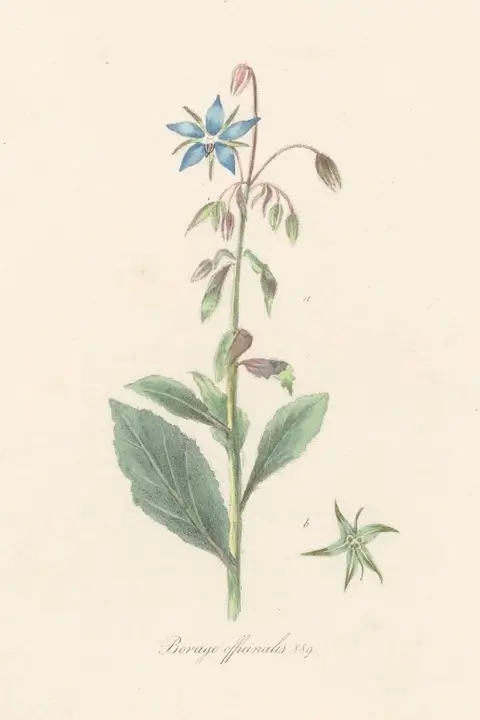
Borago officinalis illustration in Flora Batava publication, 1840
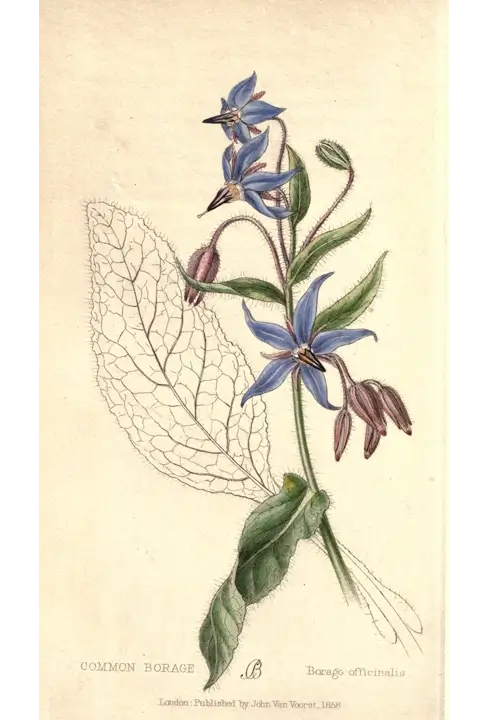
Borago officinalis – Charlotte Berrington, 1858
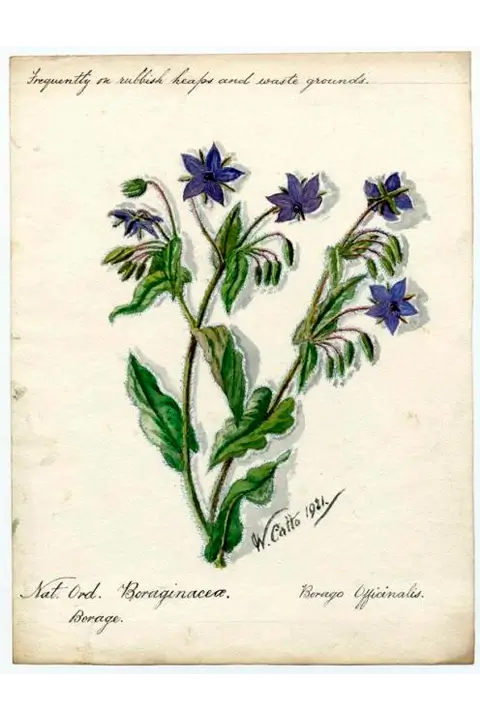
Borage – William Catto, 1921
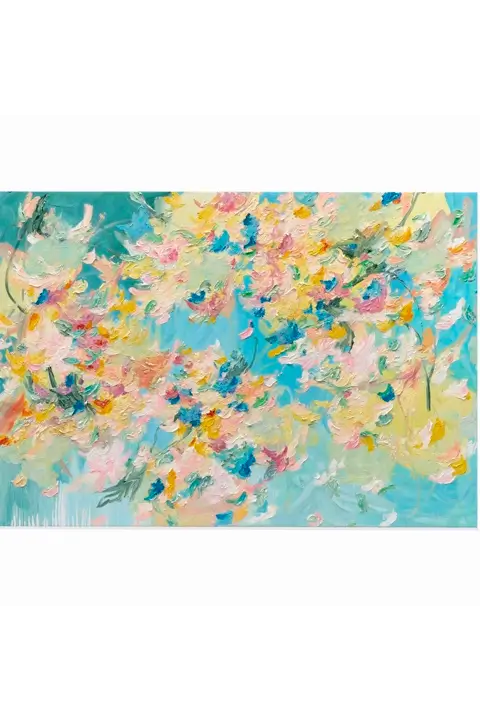
Borage, a Wildflower Fields – Arne Quinze, 2022
Borage, Herb of Gladness – Winifred Nicholson, 2017
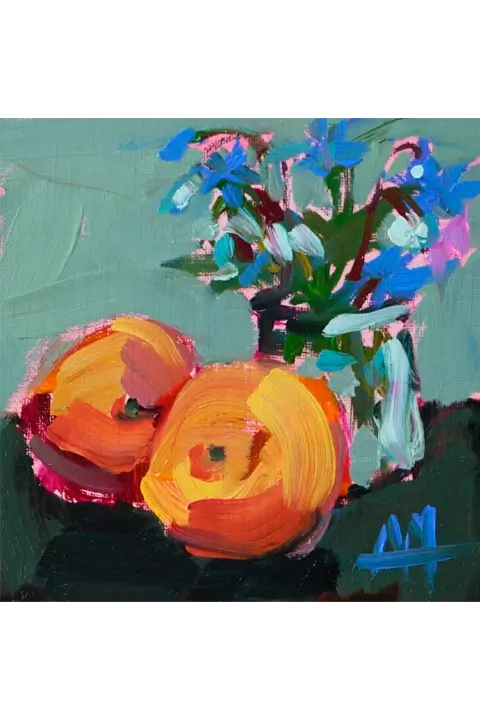
Peaches and Borage Flowers – Angela Moulton
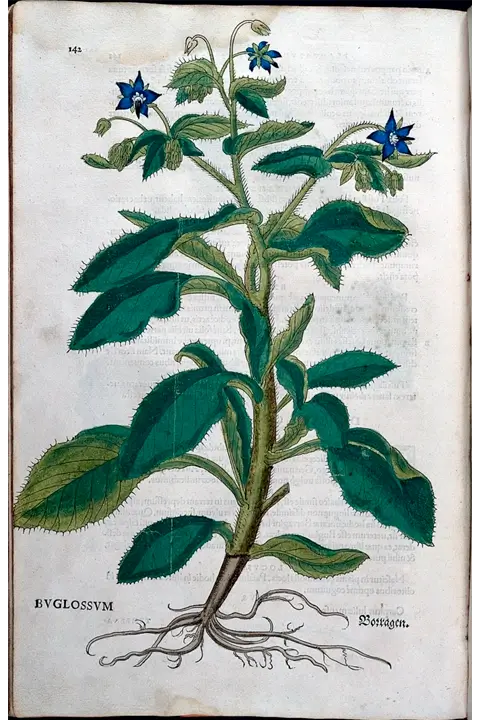
‘Buglossum’ – Leonhart Fuchs (1542)

‘Borage (Komkommerkruid)’ – Tiety Bouma, 2020
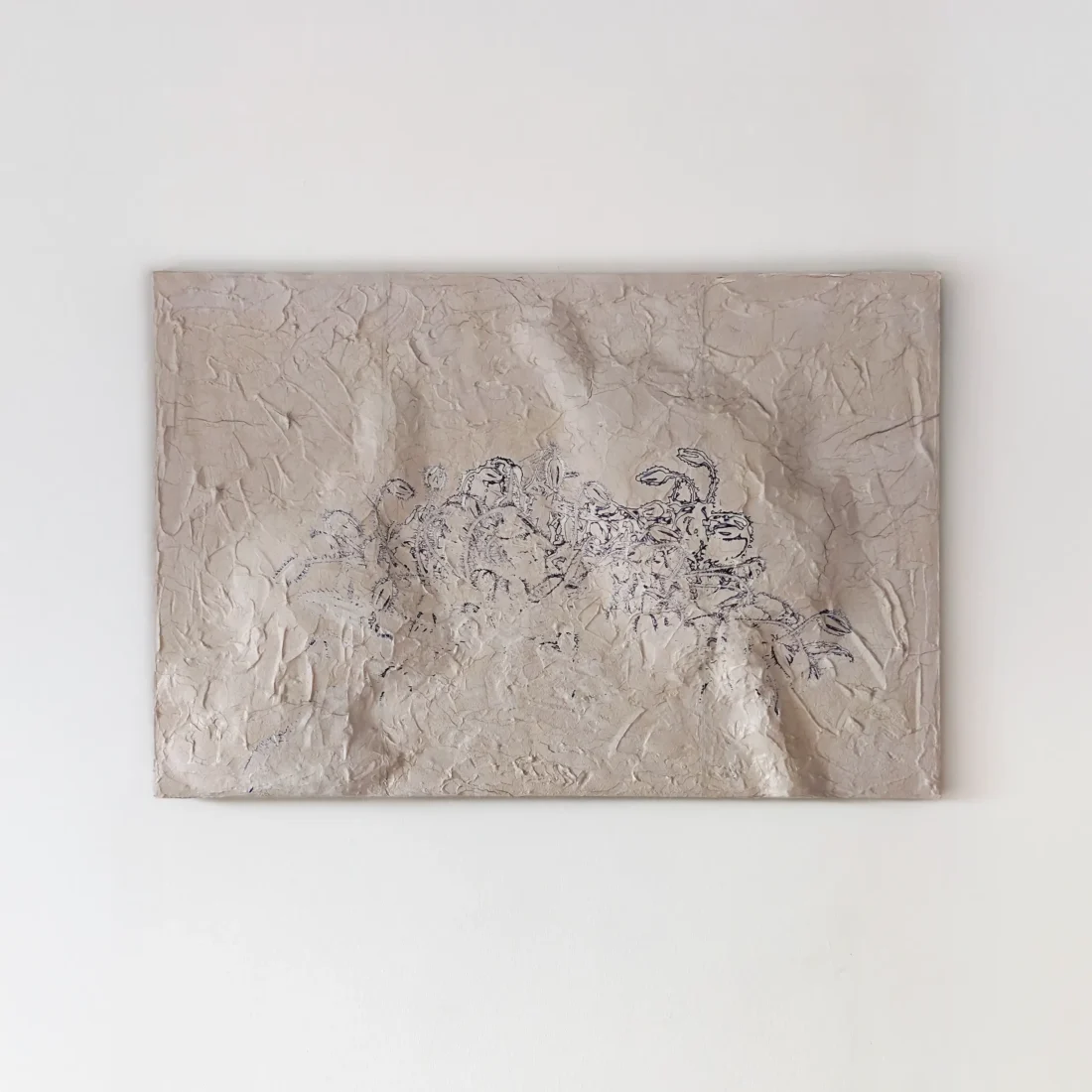
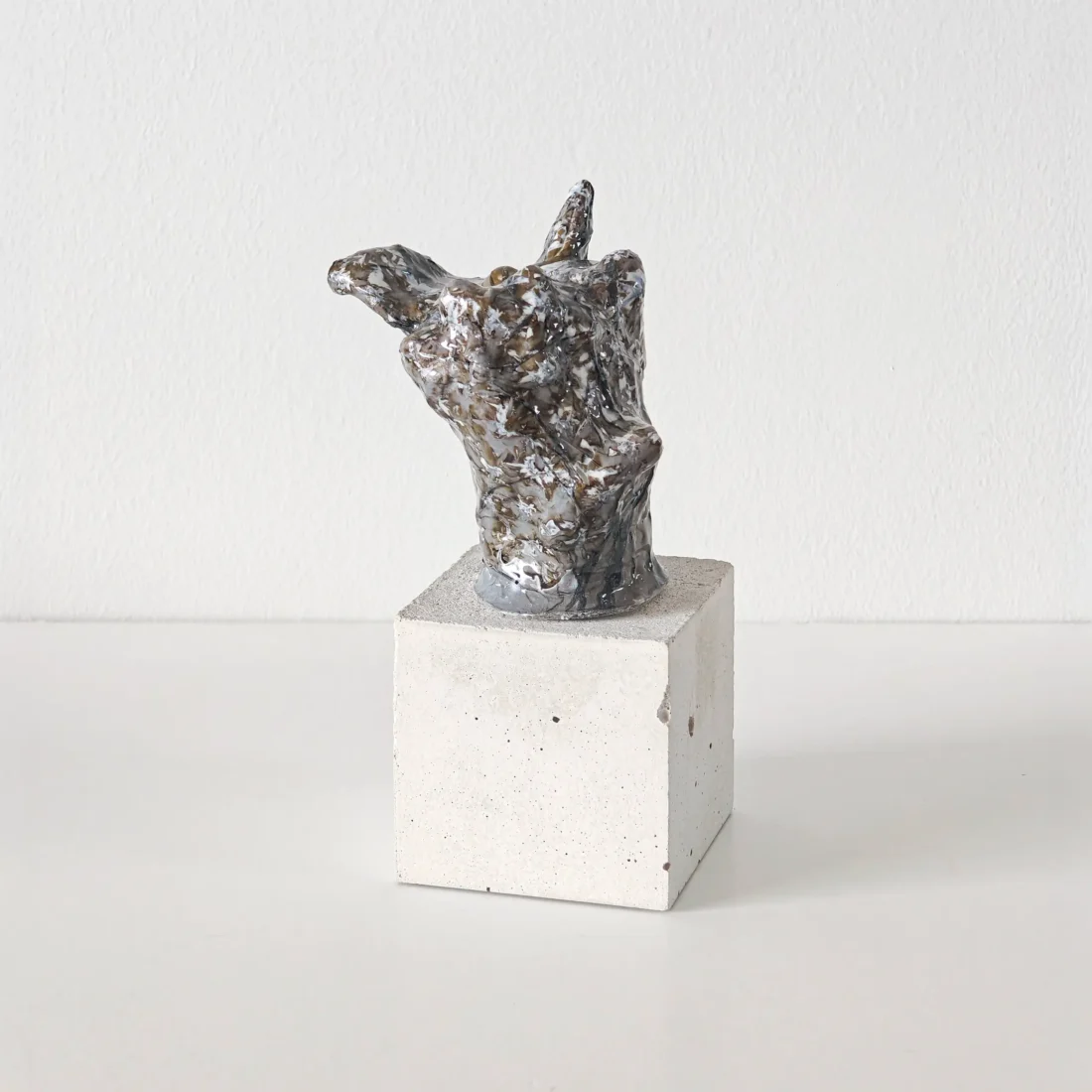
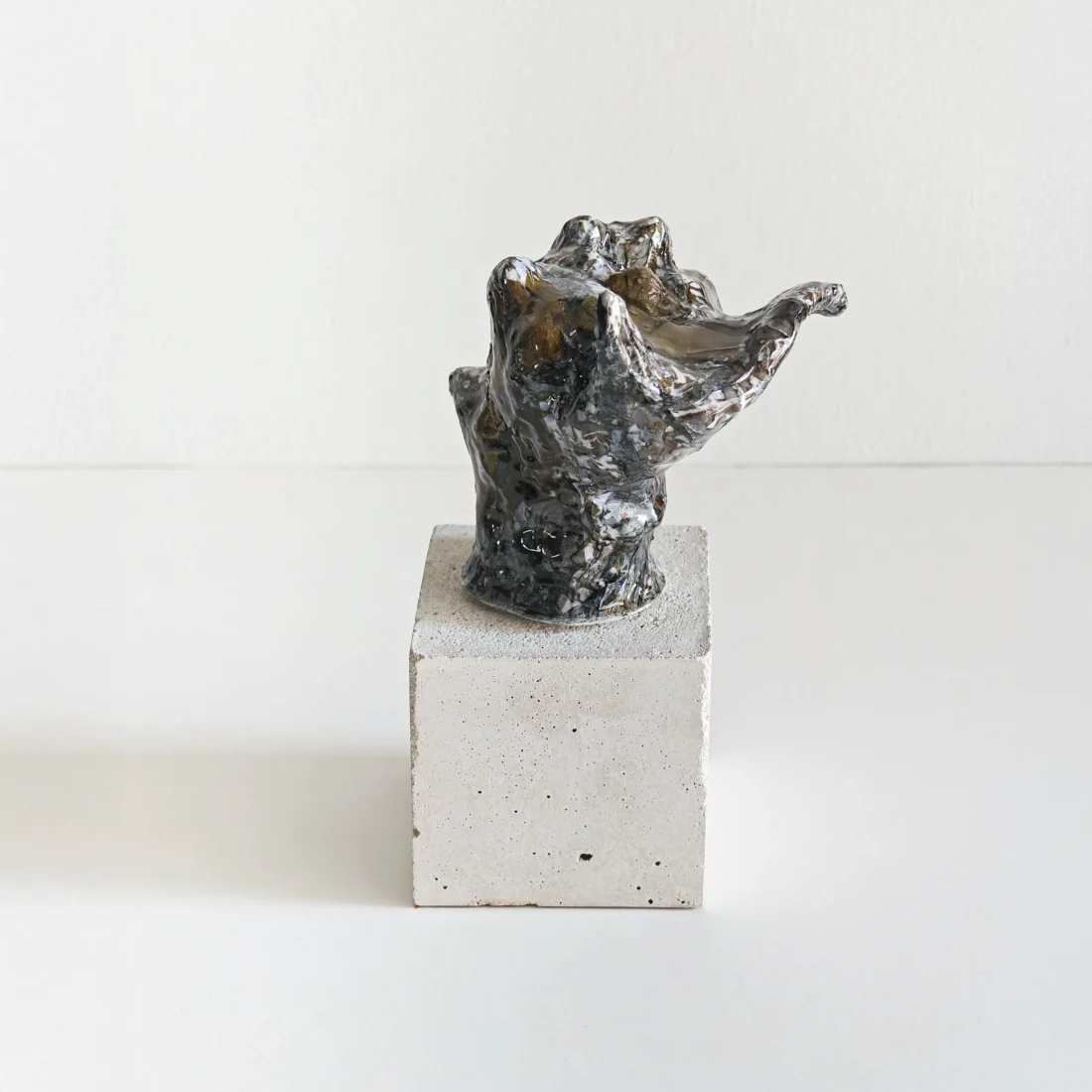
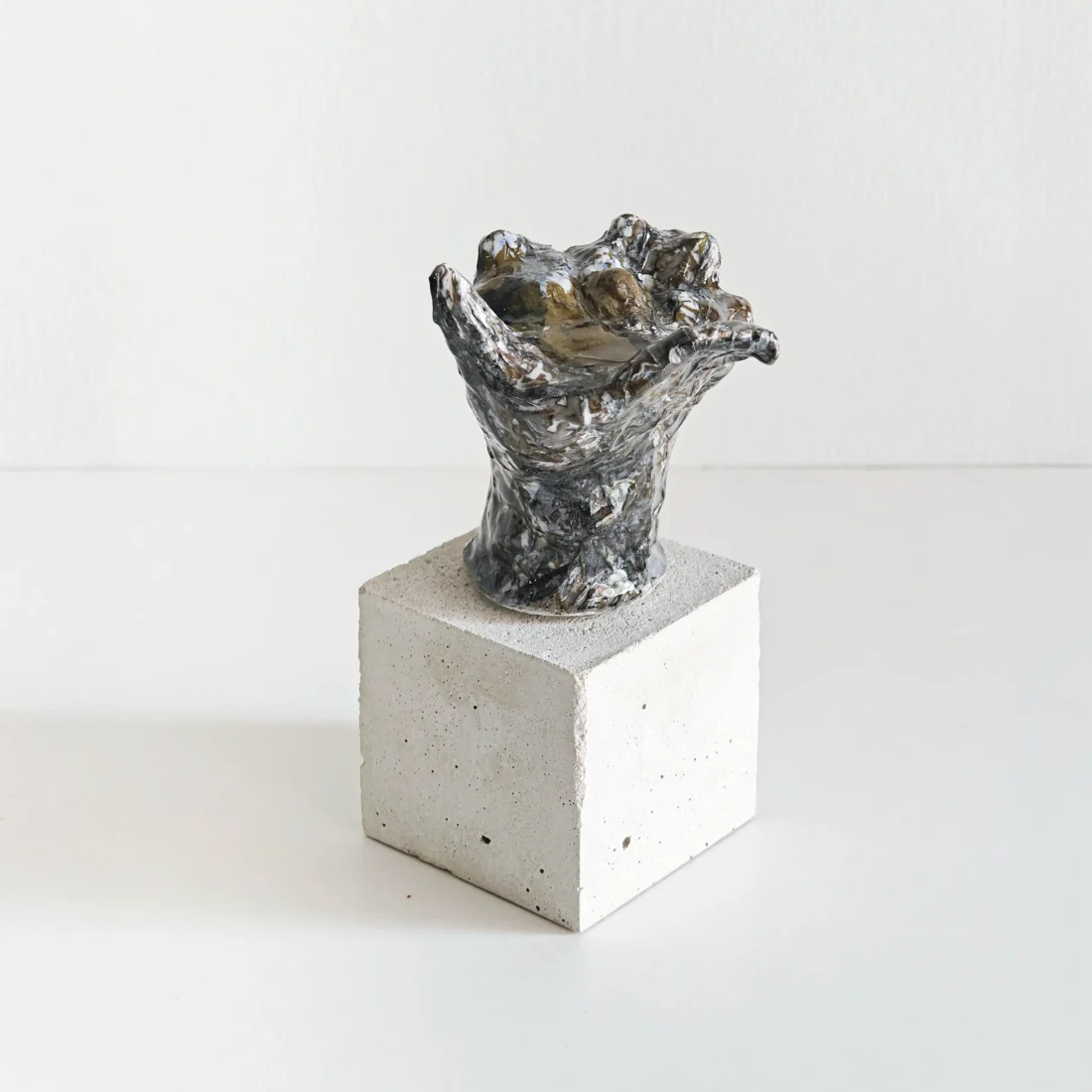
For us at COBELIO, borage represents a perfect fusion of wild elegance and structured form. When photographing it, we often play with backlighting to highlight its fuzzy texture, emphasizing details invisible to the naked eye. In our plaster-based reliefs, we aim to capture its ephemeral beauty, preserving its intricate patterns in a modern, tactile art form.




Famous Figures Inspired by Borage
Throughout history, notable figures have admired borage for its unique qualities. Plinio el Viejo, the Roman naturalist, referred to borage as "Euphrosinum" for its uplifting effects on mood and vitality. Galeno y Plutarco, notable scholars of antiquity, even suggested that borage might have been the mythical "nepente" mentioned by Homer in The Odyssey, a potion known to bring forgetfulness of sorrow.
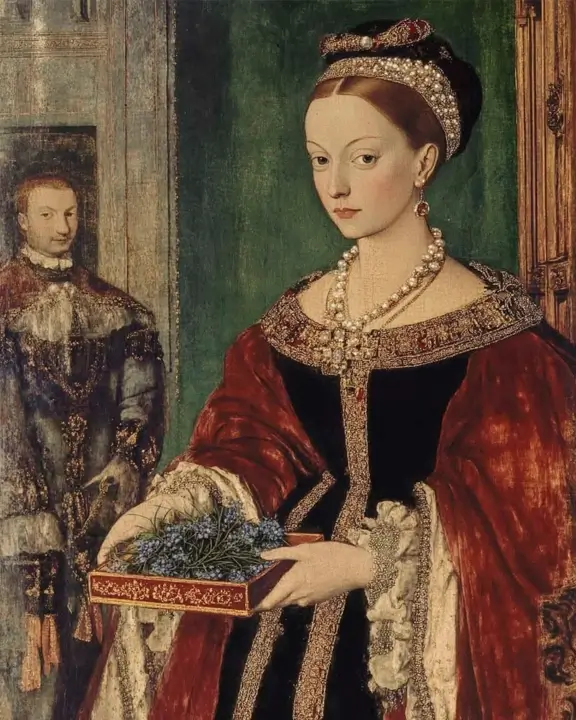
Catherine Parr (1512-1548): The last wife of King Henry VIII, who allegedly used borage as part of her medicinal tonics to improve the king’s mood and health

Francis Bacon (1561-1626): The famous philosopher and scientist, who once wrote, "Borage has an excellent spirit to dispel the dark vapors of melancholy" recognizing its effect on emotional well-being
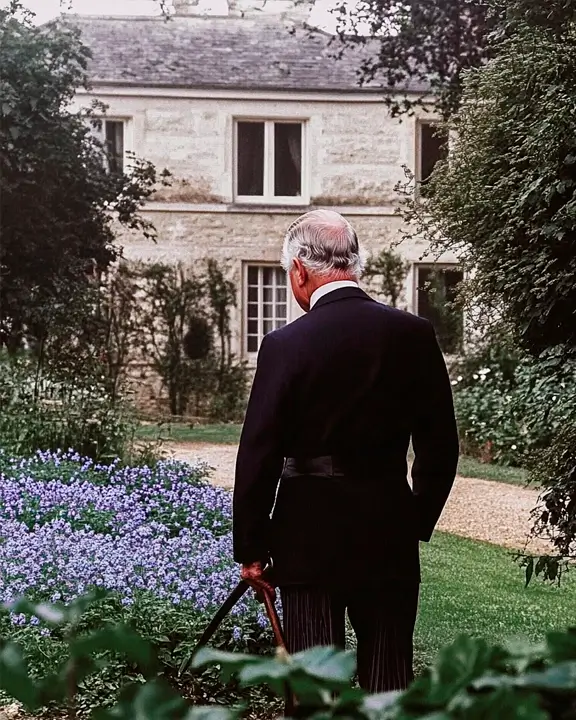
King Charles III (formerly Prince Charles): A long-time advocate of organic gardening, he has promoted borage as an essential plant for pollinator conservation and biodiversity in the gardens of Highgrove Estate
Borage for Every Passion
 For book enthusiasts: Explore historical herbal books that mention borage’s role in medicine, such as The Complete Herbal by Nicholas Culpeper or Hildegard von Bingen’s Physica, which describe borage’s traditional uses vividly.
 For cinema fans: Watch “A Little Chaos” (2014), where 17th-century gardens showcase plants like borage. The fantasy genre, particularly Harry Potter, provides imaginative connections for the role of herbs like borage in magical contexts.
 For foodies: Try borage-infused dishes at high-end restaurants. At Boragó in Santiago, Chile, chef Rodolfo Guzmán integrates wild borage into avant-garde creations inspired by native landscapes. In Spain, Eduardo Salanova presents the striking 'Borraja Marina' (Marine Borage) at his Michelin-starred restaurant, showcasing the plant’s elegant flavors in a modern culinary context.
 For art admirers: Discover how borage has been captured in our COBELIO artworks, as well as in botanical gardens such as The Cloisters (New York) and Madrid’s Royal Botanical Garden, which present borage among medieval plant displays.
 For travelers: Experience annual culinary festivals in Navarra (Spain), such as Tudela’s vegetable festival, where borage is celebrated culturally and gastronomically. Italy's Liguria region offers local gastronomy incorporating borage.
 For Eco-Activists: Support initiatives promoting bee-friendly habitats with borage plantations. Initiatives like urban planting campaigns, promoted by organizations such as Slow Food, highlight borage as essential for pollinator health and ecological education.
From Nature to Canvas
At COBELIO, borage is more than a botanical fascination—it’s a tactile muse. Its fuzzy textures, geometric symmetry, and celestial blue tone speak directly to our artistic instincts. We translate these forms through photo-relief and plaster-based techniques, immortalizing what would otherwise be fleeting.
Its bold silhouette and star-shaped blossom inspired our sculptural explorations, while its symbolism—resilience, honesty, joy—aligned with our creative vision. When we discovered how borage flowers change color, seduce bees, and nourish skin, it only deepened our appreciation.
By highlighting borage in our artistic pieces, we aim not just to capture a plant, but to channel its timeless energy—wild yet refined, fleeting yet permanent. That is the story we tell in plaster and pigment.