





Pumpkin
Facts and Features
| Common & Scientific Name: | Pumpkin — Cucurbita pepo (also C. maxima, C. moschata) |
| Etymology: | From Greek pépon (“ripe/large melon”) → French pompon → English pumpion → pumpkin |
| Family: | Cucurbitaceae (gourd family) |
| Blossoms: | Separate male/female flowers, open at dawn for a brief window; insect‑pollinated |
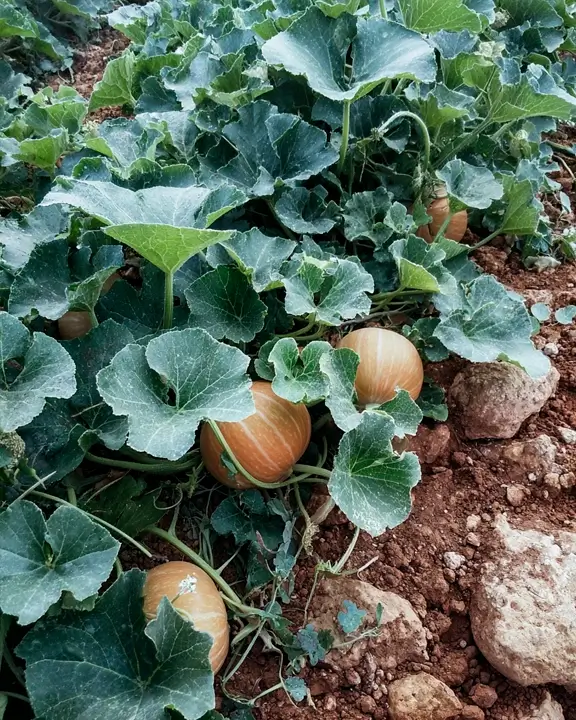
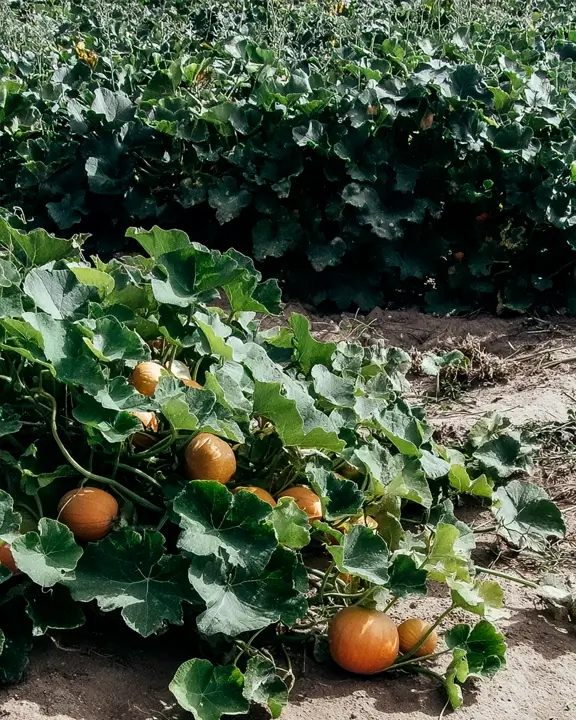
| Foliage: | Large, solar‑hungry leaves on sprawling vines |
| Fruit: | A pepo (berry) with a firm rind and ribbed geometry |
| Height: | Vines commonly run 2–3 m (and far beyond in giant cultivars) |
Pumpkin main features chart
From Three Sisters to Halloween: Origins & History
Pack your time‑compass: our story starts in Oaxaca, where early farmers began taming wild gourds thousands of years ago. Tiny seeds got bigger, bitterness faded, rinds toughened—quiet edits that turned a scrappy vine into a pantry ally. In the Indigenous Three Sisters guild (maize, beans, squash) the pumpkin sprawled as living mulch; flesh was dried, seeds roasted, rinds used as vessels—everything was used.
Fast‑forward to the age of sails: seeds circle the globe. In Japan, kabocha takes root and appears at the winter solstice as comfort and good luck. By the early 1500s, a prayer book for Anne of Brittany already pictured a pumpkin; in colonial North America, cooks baked whole pumpkins filled with milk, honey, and spice in hot ashes—the ancestor of pie.
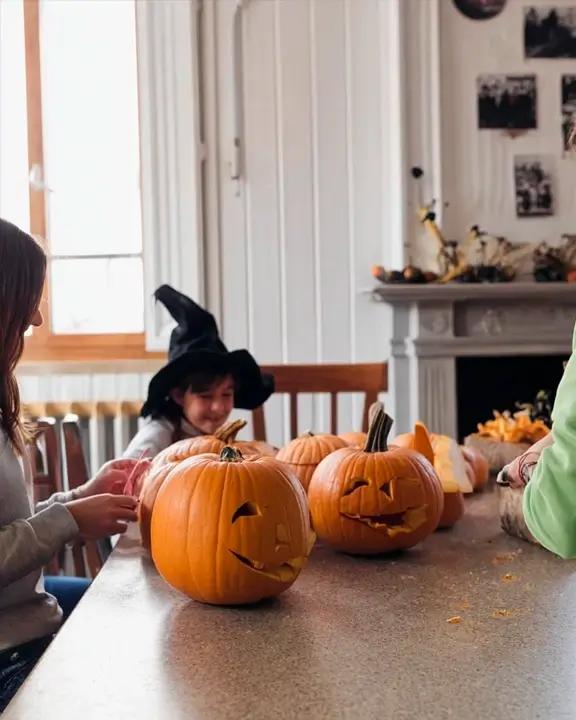
After 1500, the story is mostly cultural. By the 1800s in America, people carved pumpkins into jack‑o’‑lanterns—hollowed pumpkins with a candle inside for Halloween. In the 1900s, canning factories in Illinois made canned pumpkin easy to buy, so pumpkin became a pantry staple. Town weigh‑offs, parades, and fairs turned it into a community celebration. Today, pumpkin‑spice drinks and desserts signal the start of fall even in big cities.
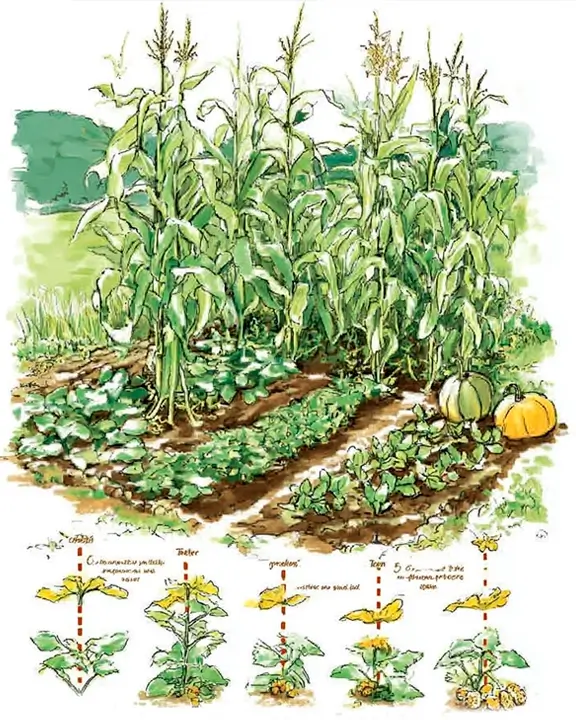
The Indigenous Three Sisters guild is an ancient companion planting system where corn, beans, and squash are grown together because the plants provide mutual benefits
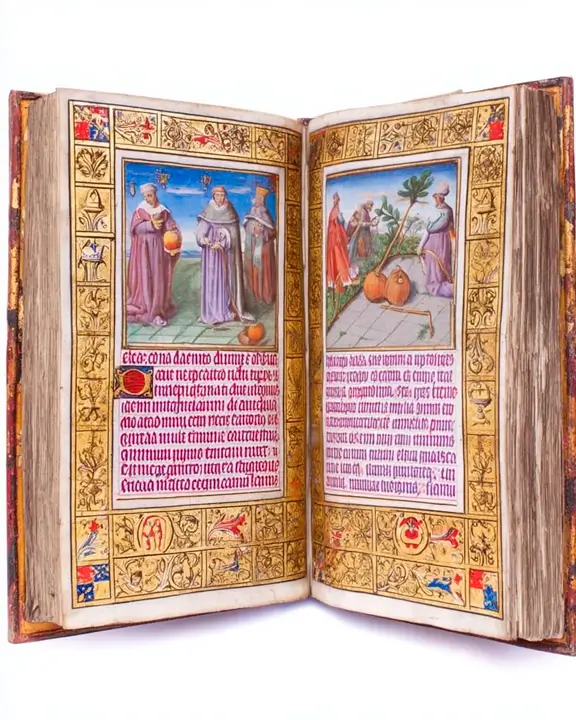
By the early 1500s, a prayer book for Anne of Brittany already pictured a pumpkin
“Only the knife knows what goes on in the heart of a pumpkin.”
Where Does Pumpkin Grow?
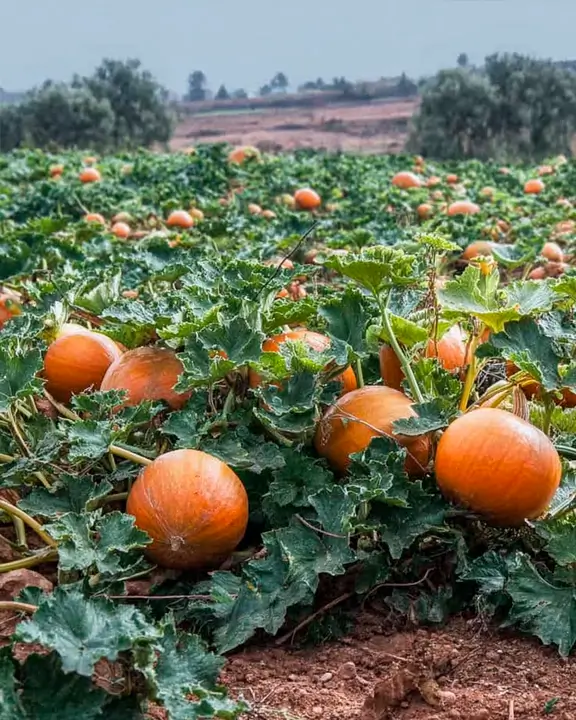
From North America’s patchwork to Asia’s markets and European kitchen gardens, pumpkins are global—grown on every continent except Antarctica.
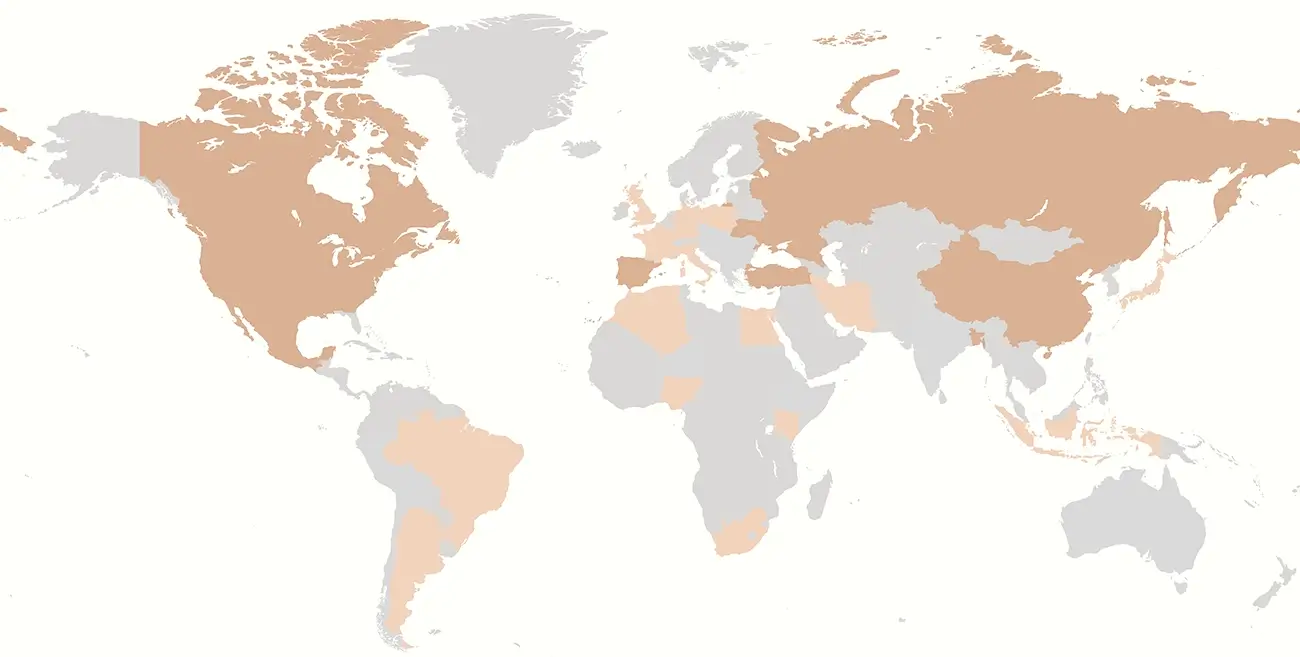
Picture a choropleth where Asia swells with color and China alone accounts for roughly one‑third of world output. Ukraine, Russia, the United States, Mexico, and Spain follow with serious tonnage, together pushing the family total to about ~23 million tonnes a year (pumpkins, squash, and gourds combined). Zoom in: within the United States, the Midwest—especially Illinois—glows as a processing powerhouse (over 650 million pounds in 2021).
Benefits & Why Your Body (and Planet) Say Yes
Comfort food, without the compromise: easy on digestion, heart‑friendly, naturally hydrating—and those crunchy “Happiness Seeds” that lift mood. Bonus: dawn flowers feed bees, and leftovers return to soil as rich compost.
Nutritional Highlights
-
Bright vision & resilient skin. Beta‑carotene (vitamin A) supports eye health, skin renewal, and an agile immune response.
-
Heart‑smart by nature. Potassium and gentle fiber help keep blood pressure and cholesterol in check—naturally low in saturated fat.
-
Kind to your gut. Soft, soluble‑leaning fiber supports digestion and steady fullness without heaviness.
-
Built‑in hydration. High water content keeps pace with crisp days and balances richer autumn plates.
-
Seeds = the “Happiness Seed.” Sometimes nicknamed this for their tryptophan, a serotonin precursor; add magnesium for calm and zinc for immunity—well‑being in a crunchy handful.
-
Daily repair crew. Antioxidants and B‑vitamins help counter everyday oxidative stress and fatigue.
Environmental Impact
- Dawn choreography: Pumpkin flowers open for hours, not days. Specialist squash bees arrive early; without them (or other friendly pollinators) fruit set drops. Consider this your gentle nudge to garden for bees.
- Soil sense: Grown with cover‑crop residue and minimal tillage, pumpkins help build structure, reduce erosion, and conserve moisture—fewer weeds, fewer passes, more biodiversity.
- Waste to wealth: Post‑season composting (think “Pumpkin Smash” community events) turns decorative leftovers into climate‑smart soil.
- Circularity at scale: After Halloween, up to ~1 billion lb can end up in U.S. landfills. Flip the script with Pumpkin Rescue drives, zoo/farm donations of unpainted pumpkins, using patches as trap crops, and seed‑saving heirlooms—keeping pumpkins in the loop.
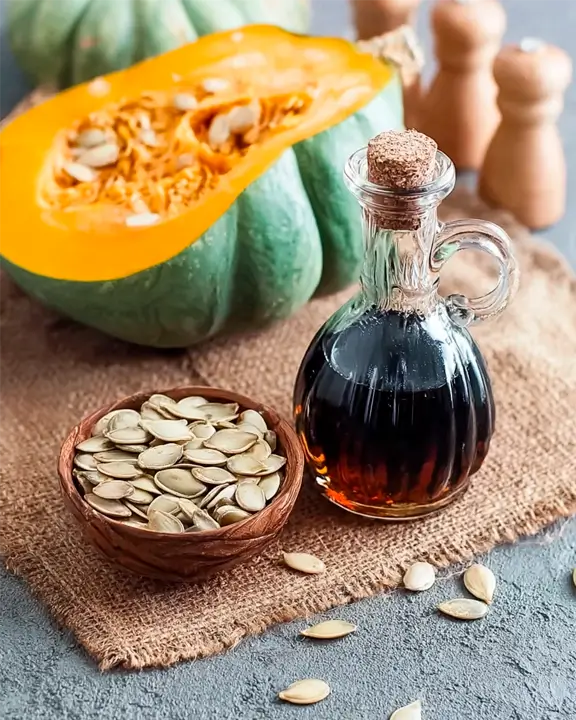
Pumpkin seed oil: Emerald-green pumpkin seed oil (Styrian style): nutty, velvety, and best drizzled raw to finish soups, salads, or risotto.
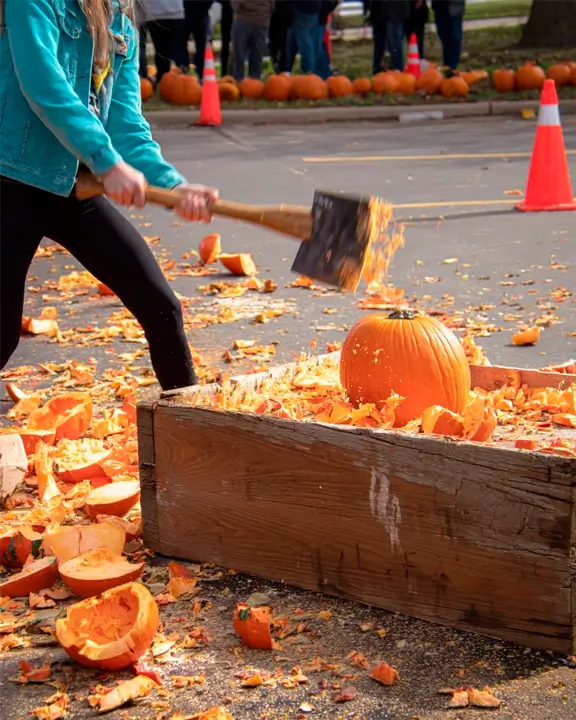
Pumpkin Smash: a cheerful post-Halloween composting day—jack-o’-lanterns skip the landfill and return as soil.
DID YOU KNOW...?
per pumpkin
Varieties & Uses: Quick Tour
Meet four pumpkin species, four personalities—Cucurbita pepo, Cucurbita maxima, Cucurbita moschata, and Cucurbita argyrosperma—a quick visual tour of how shape, flavor, and use branch along the vine.
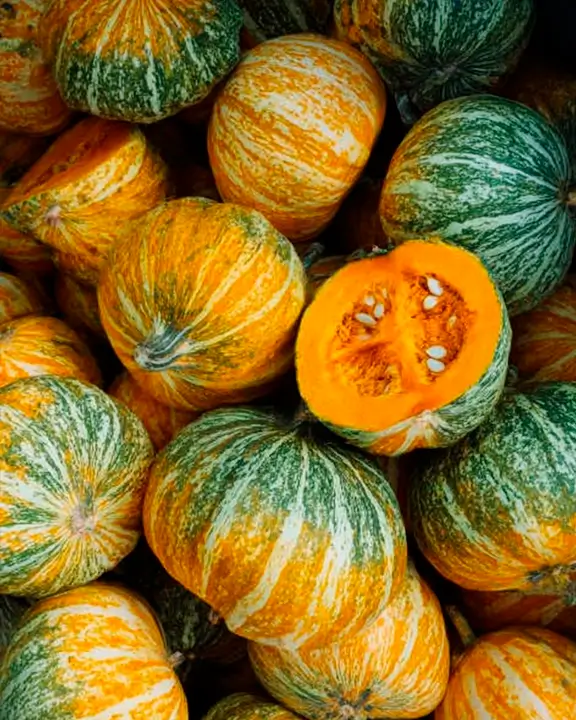
Cucurbita pepo — many field and carving types (your classic jack‑o’‑lanterns)
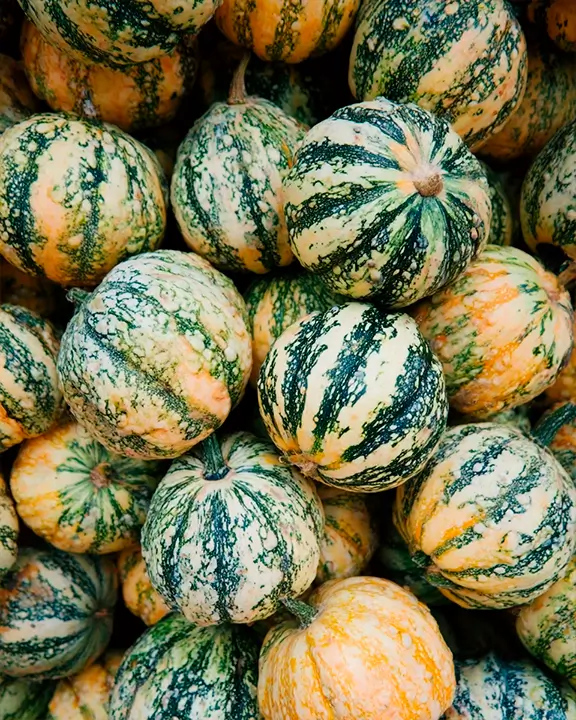
Cucurbita maxima — includes kabocha (dense, sweet, green‑rinded or red‑kuri types) and giant strains like ‘Atlantic Giant’; prized for richly textured flesh
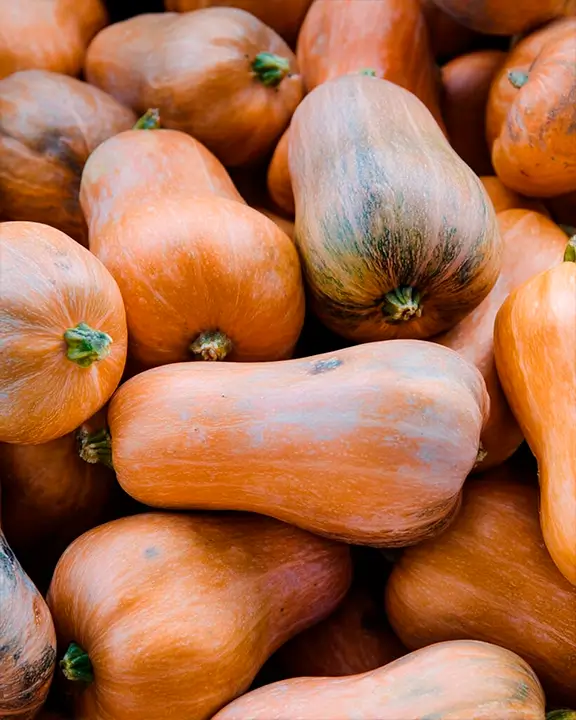
Cucurbita moschata — butternut and “cheese” styles with deep flavor
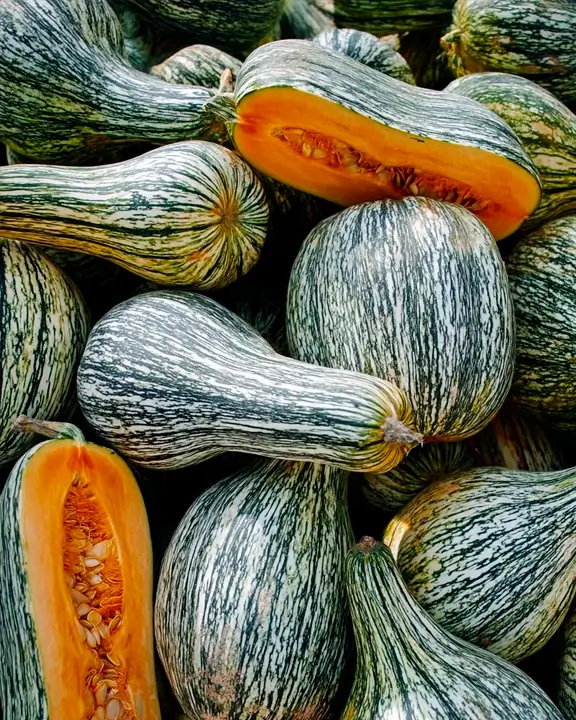
Cucurbita argyrosperma — cushaw‑type long‑necked pumpkins; heat/drought‑tolerant, often green‑striped; used for pies, preserves, and prized seeds
-
In the kitchen: Think velvety purées and soups, roasted wedges with crisp edges, gnocchi/risotti, and stuffed blossoms. Toast the seeds for a snack or press them into deep‑green pumpkin seed oil (Styrian style).
-
Skincare & cosmetics: pumpkin enzymes and seed oil in gentle masks/peels/moisturizers.
-
Animal care & enrichment: uncarved pumpkins for zoos and farms; press-cake from seed oil pressing as a protein-rich feed.
-
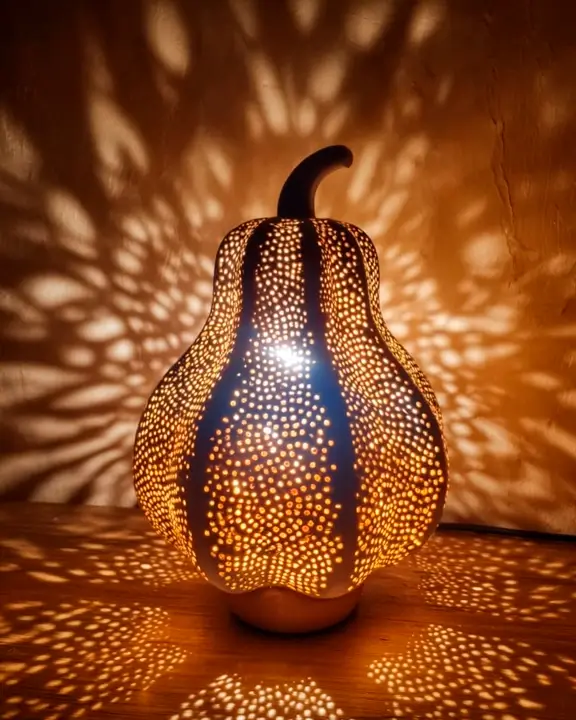
Craft & sound: dried shells used as small containers and traditional rattles; seasonal display design.
-
Novelty engineering: pumpkin boat regattas with hollowed giants.

Pumpkin Boat Regatta — hollowed giants paddled like kayaks, autumn gone nautical.
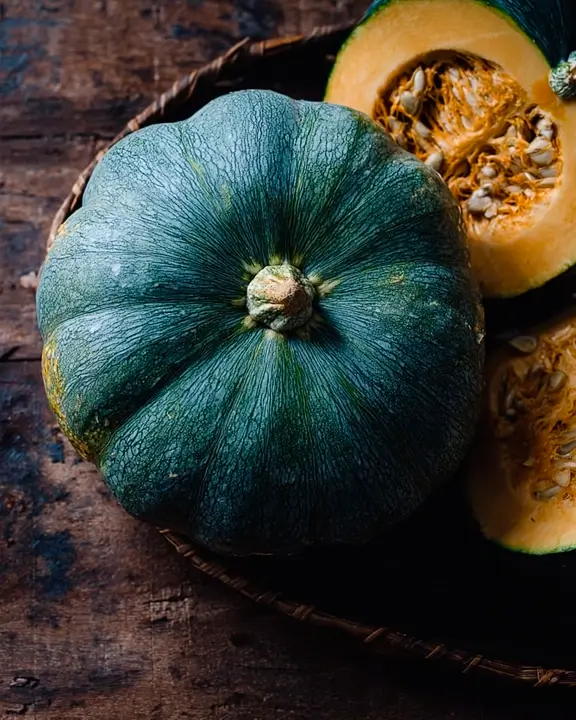
Kabocha: Japan’s Velvet Pumpkin
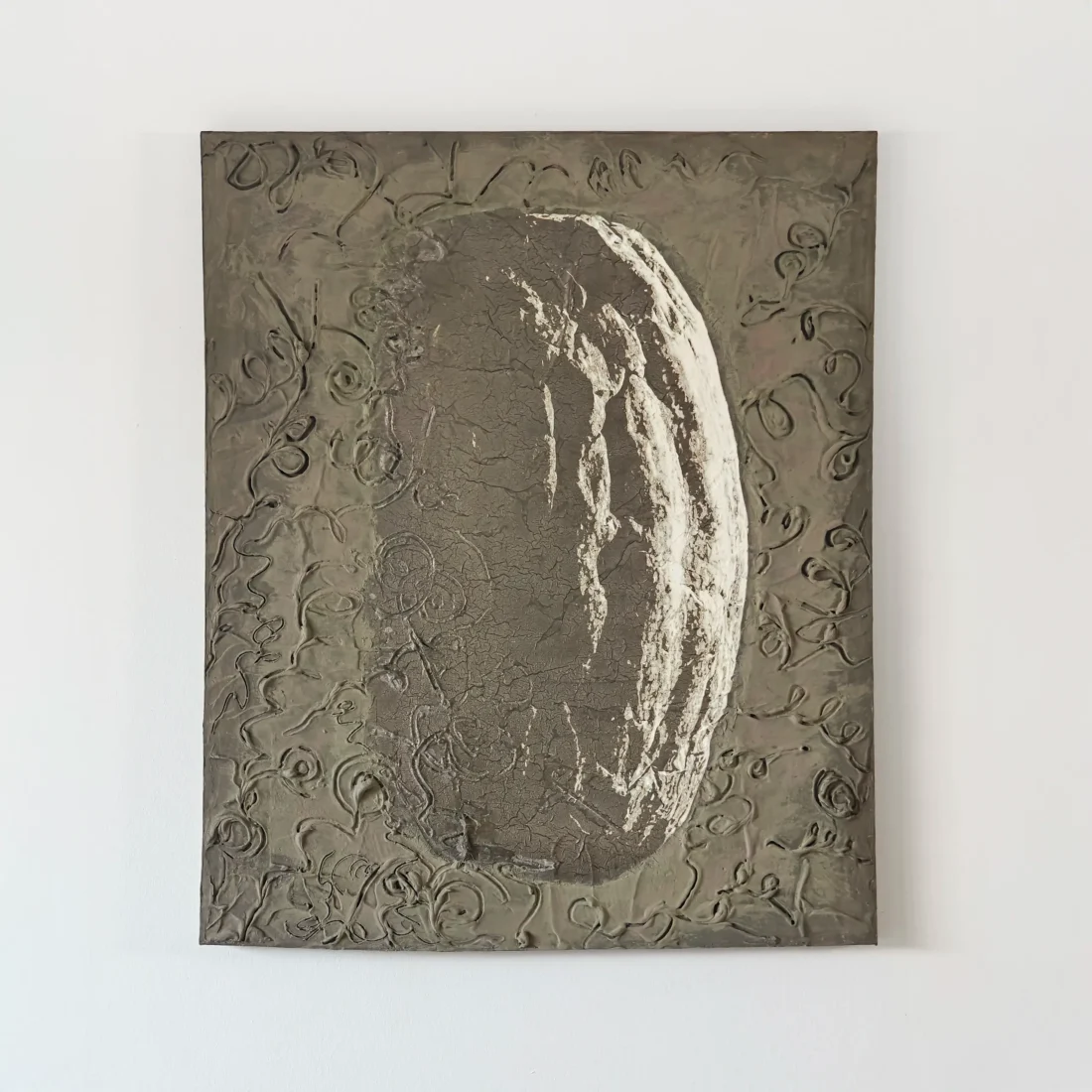
A beloved Cucurbita maxima group, kabocha packs dense, dry‑sweet, chestnut‑like flesh and a thin skin that turns tender (and edible) as it cooks. Roast wedges or nimono/tempura show why chefs prize it; puréed, it’s satin. Its deep‑green (and red kuri) rinds with firm ribs are a ready study in volume and matte light—exactly the geometry that fuels our photo‑relief and textured pieces. Culturally it appears around the winter solstice as comfort‑and‑good‑luck food, and it stores well, keeping curiosity alive (and sketchable) all winter.
Pumpkin Symbolism: Lanterns, Carriages, Abundance
Folklore gives us a mischievous spirit in a glowing rind; fairy tales turn a pumpkin into a carriage at the stroke of imagination. Across cultures, it signals harvest, transformation, and plenty.
Harvest & guardianship. The jack‑o’‑lantern began as a threshold light to ward off mischief in autumn’s liminal hours—part welcome, part warning.
Metamorphosis. In Cinderella, a humble fruit becomes a coach: a neat metaphor for potential, for the leap from ordinary to extraordinary.
Ritual & memory. From solstice bowls of kabocha in Japan to Thanksgiving pies in the Americas, the pumpkin stands for abundance kept—and for the comfort of traditions we return to every year. (In Ukraine, gifting a pumpkin once signaled a rejected proposal—a folklore footnote of startling clarity.)
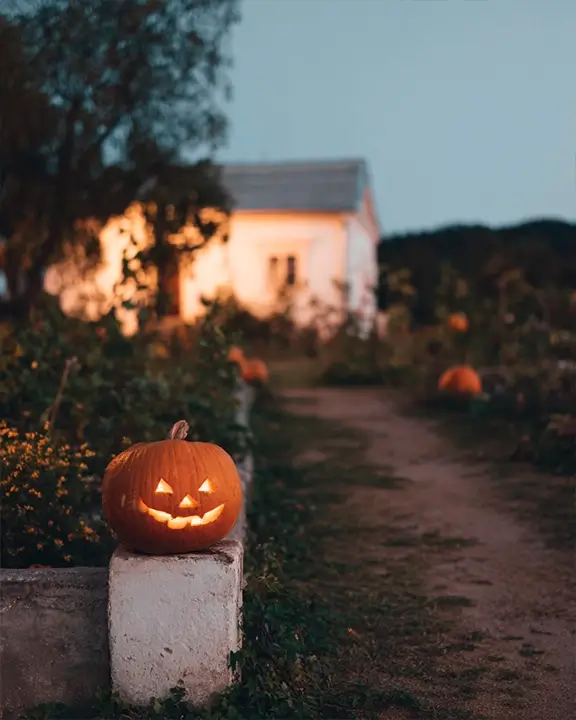
The jack‑o’‑lantern began as a threshold light to ward off mischief in autumn’s liminal hours—part welcome, part warning.

In Cinderella, a humble fruit becomes a coach: a neat metaphor for potential, for the leap from ordinary to extraordinary.
“I would rather sit on a pumpkin than be crowded on a velvet cushion.”
Ten Pumpkin Moments in Art
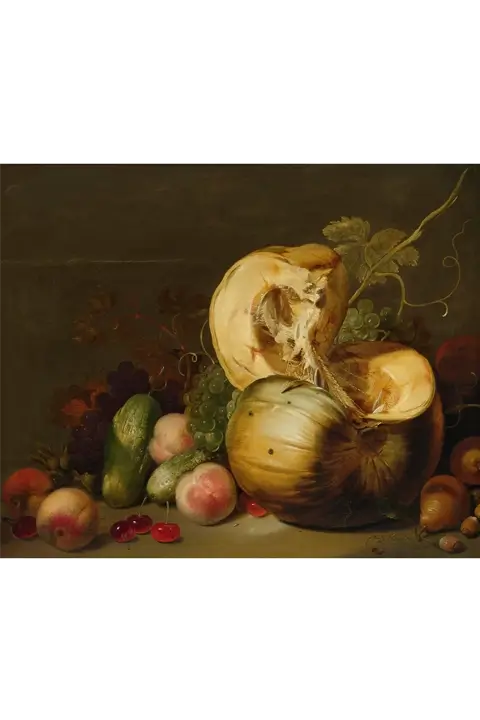
Still Life with Pumpkin and Other Fruit (17th c.) – Hans Bollongier
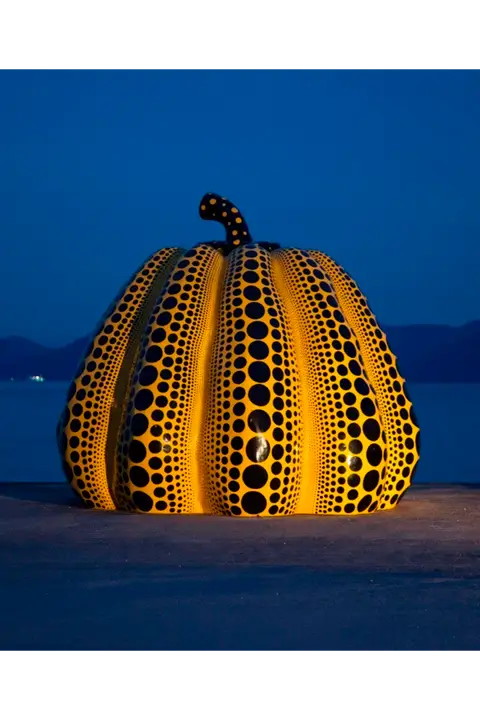
Pumpkin (1994) – Yayoi Kusama
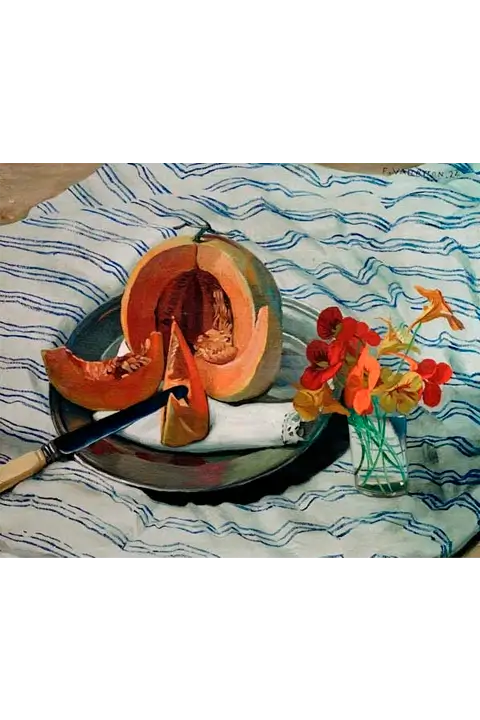
Nature morte aux citrouilles (1916) – Félix Vallotton
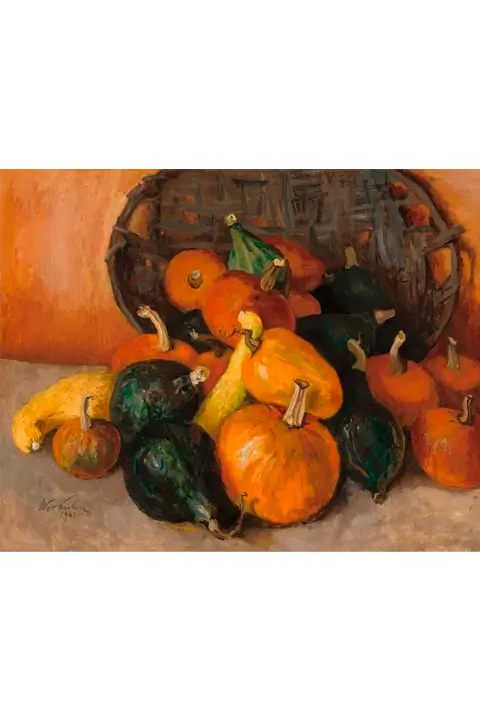
Pumpkins (1941) – Walt Kuhn
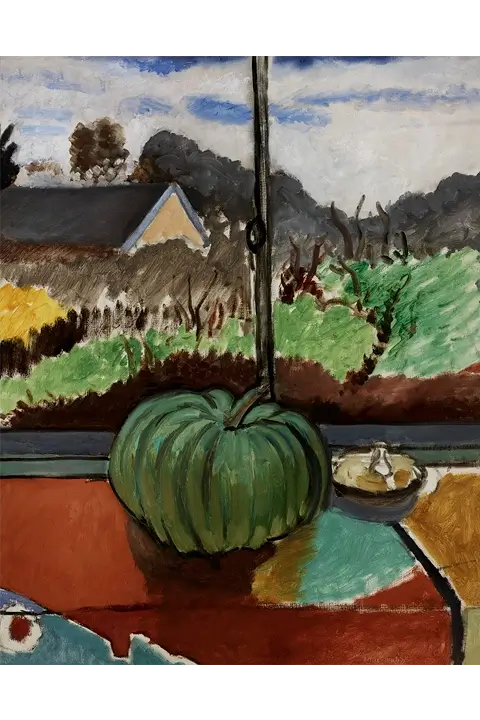
The Green Pumpkin (20th c.) – Henri Matisse
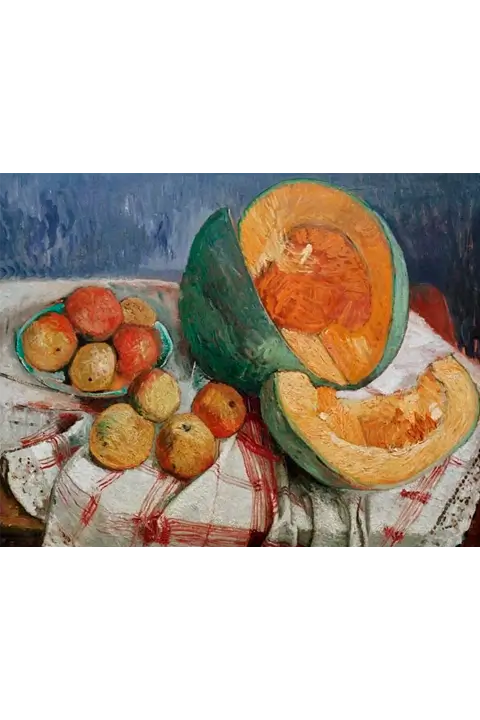
Still Life with Pumpkin (early 20th c.) – Paula Modersohn-Becker
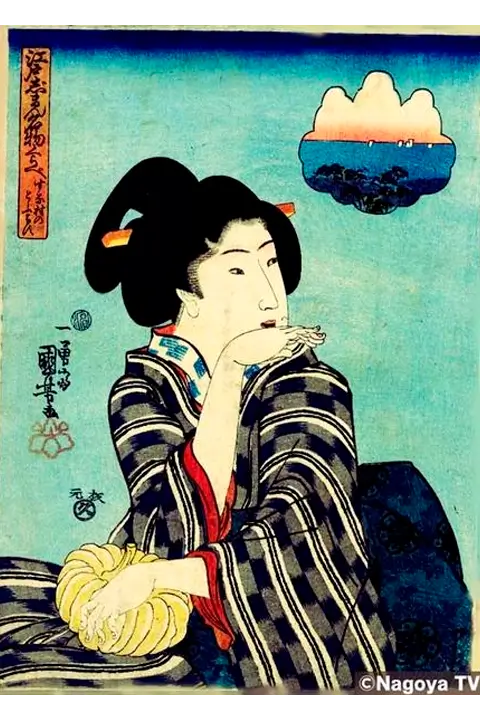
The Pumpkins of Sunamura (19th c.) – Utagawa Kuniyoshi
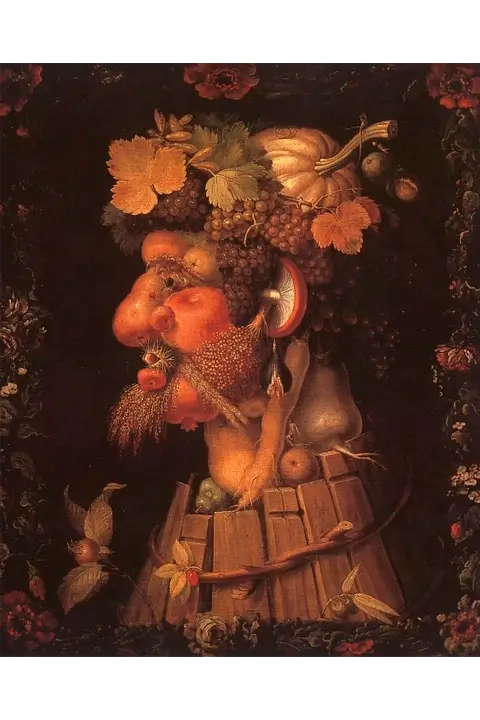
Autumn (1573) – Giuseppe Arcimboldo
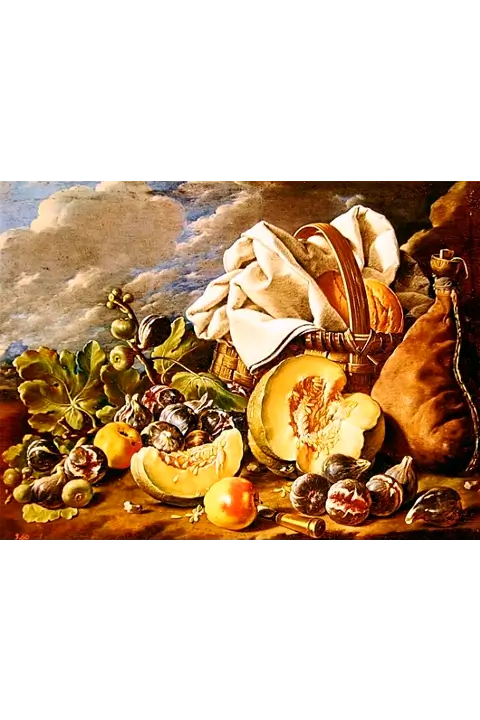
Still Life with Figs, Wicker Basket, Pumpkin, and Bread (late 18th c.) – Luis Egidio Meléndez
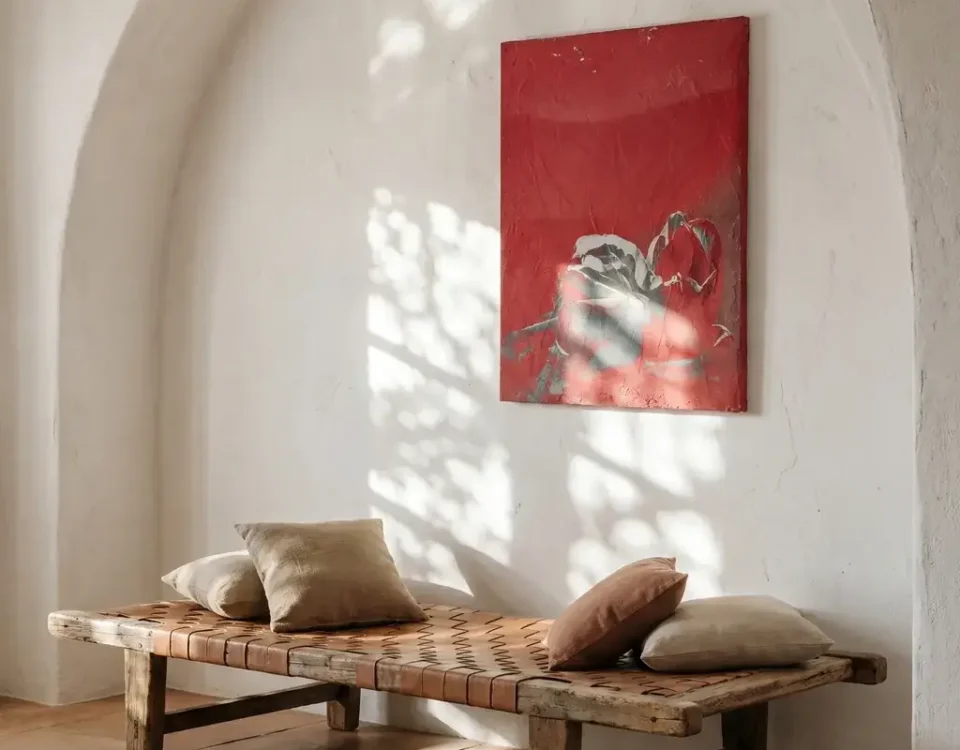
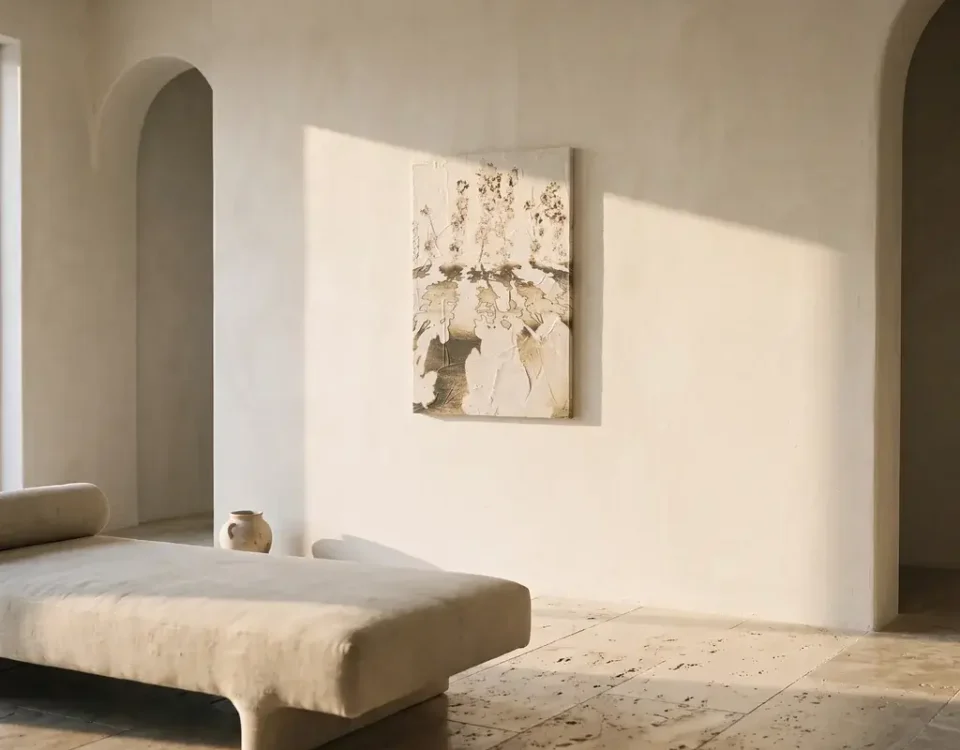
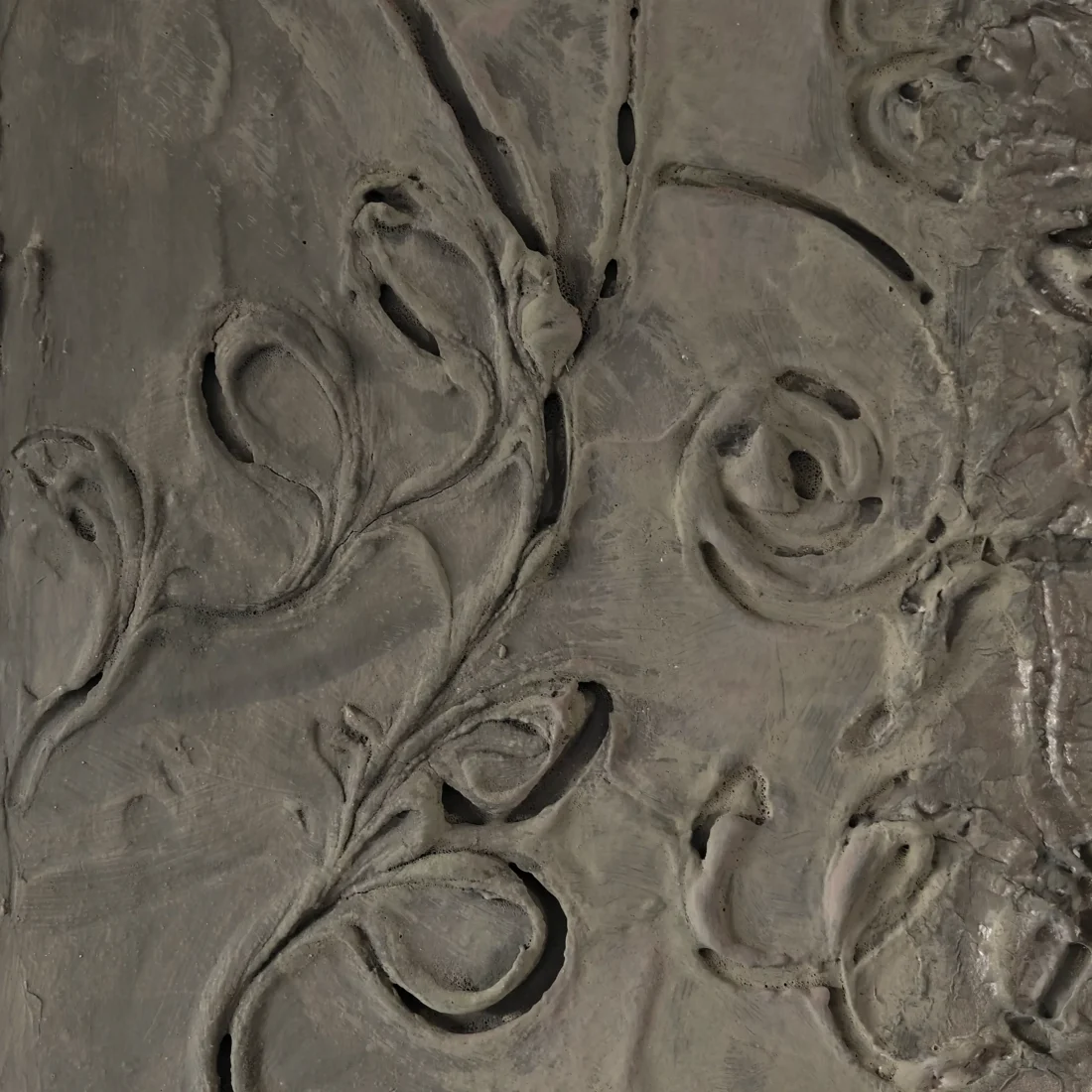
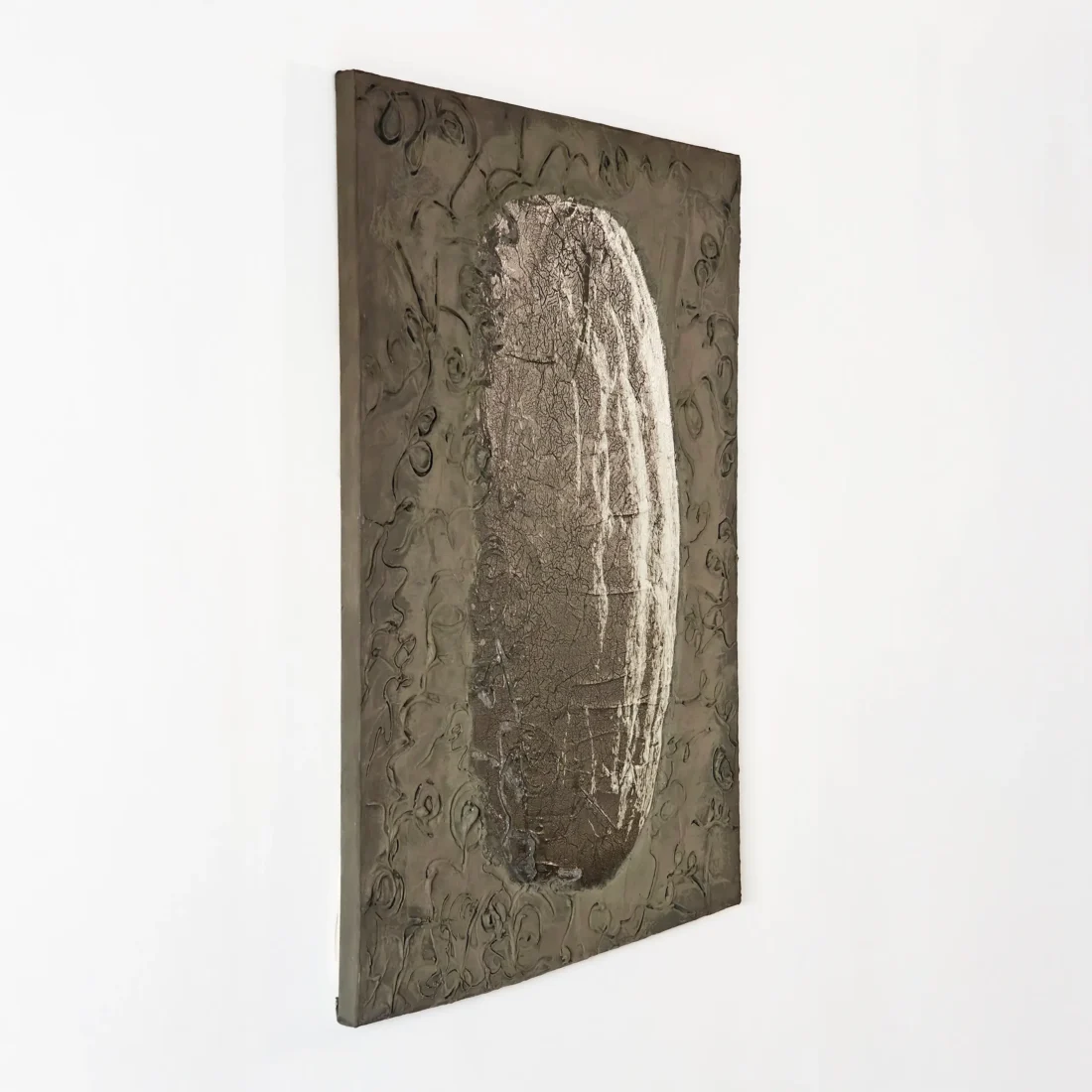
We continue this lineage at COBELIO, translating the pumpkin’s ribs, stems, and stone‑soft curves into abstract textured artworks. From light‑carved photographs to plaster and spackle impressions, each piece is a tactile tribute to harvest geometry—autumn held on the wall. Explore our pumpkin‑inspired works in our contemporary art shop, where kabocha greens and amber oranges become textured reliefs and quiet volumes you can live with.

DID YOU KNOW...?
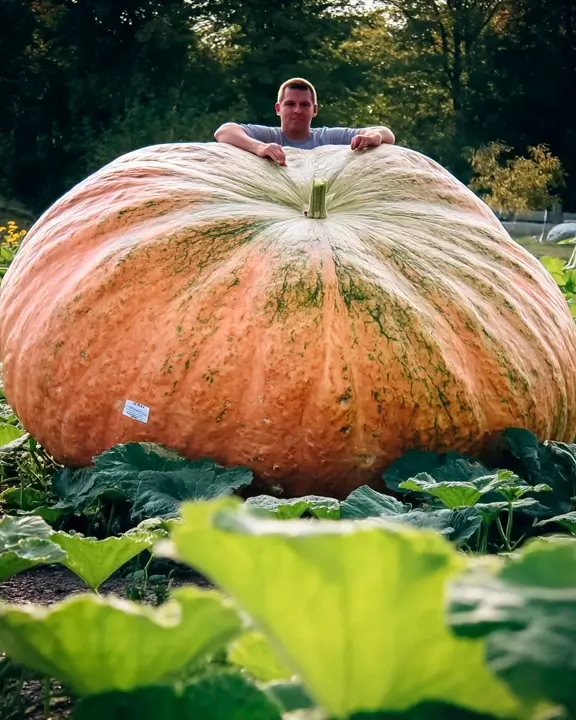
pumpkin weight record
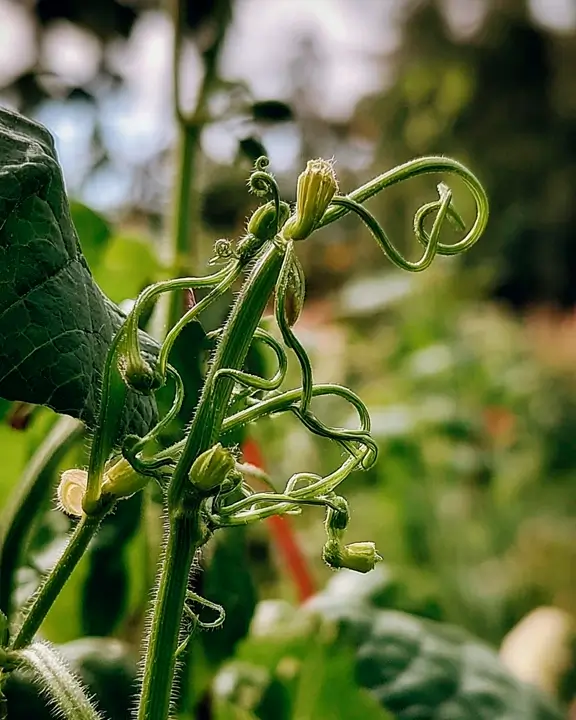
Tendrills: pumpkin's sinuous anchor
Pumpkin vines send out slender, touch‑sensitive tendrils—little springs that grasp whatever they find. Triggered by contact (thigmotropism), a tendril coils into a double helix and gently shortens, pulling the vine closer to its support and anchoring long runners against wind. In the patch, that means fewer snapped stems and fruit held steady. Once you see them, the plant’s architecture makes sense!
Famous Pumpkin‑Minded Personalities
From Yayoi Kusama to Charles M. Schulz, Henry David Thoreau, and Ray Villafane, these names show how a simple pumpkin can spark high art, pop culture, philosophy, and playful sculpture.
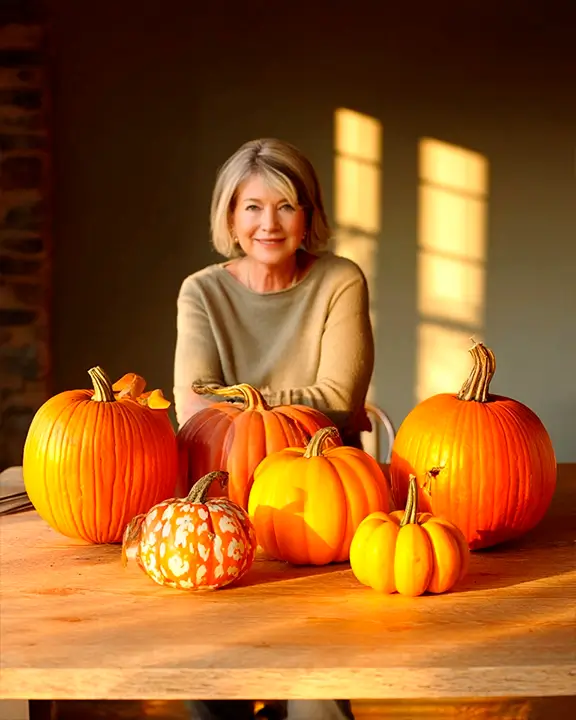
Martha Stewart — Culinary and décor evangelist of the autumnal palette.

Tim Burton — The jack‑o’‑lantern as archetype of Halloween imagination.
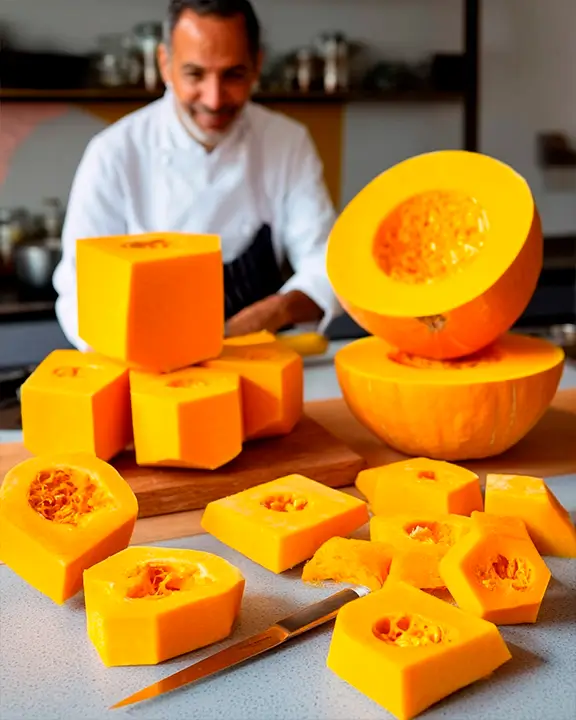
Yotam Ottolenghi — Modern recipes that let squash/pumpkin sing.
Inspire Action: Choose Your Path
📚 For Book Lovers:
Start with Pumpkin: The Curious History of an American Icon by Cindy Ott—part cultural study, part love letter. Then tour the canon: Washington Irving’s “The Legend of Sleepy Hollow” (1820) for spooky Americana, and John Greenleaf Whittier’s “The Pumpkin” (1844) for nostalgic harvest verse.
🎬 For Film Lovers:
Revisit Cinderella (pumpkin → carriage) and It’s the Great Pumpkin, Charlie Brown for a dose of Americana.
🍽️ For Foodies:
For a pilgrimage dish, seek tortelli di zucca at Dal Pescatore (Lombardy, Italy). In the U.S., seasonal tasting menus at Blue Hill at Stone Barns (New York) have featured squash/pumpkin in fall. In Japan, kaiseki restaurants in Kyoto often showcase kabocha nimono when the weather turns cool. Tip: check menus—these dishes rotate with the harvest.
🖼️ For Art Lovers:
Browse COBELIO’s nature‑driven experiments—photo relief, plaster/spackle surfaces, and modern art riffs that elevate the pumpkin’s silhouette. Explore our contemporary pumpkin art page and the abstract art shop for wall art works that echo ribs, stems, and stone‑like patina. If floral geometry moves you, you’ll also enjoy our almond tree artworks.
🌍 For Travelers:
Plot a fall itinerary: Half Moon Bay Weigh‑Off (California), Circleville Pumpkin Show (Ohio), Tualatin Pumpkin Regatta (Oregon), or Europe’s spectacular Ludwigsburg Pumpkin Exhibition (Germany). Off‑beat pilgrimages: Morton, Illinois—the self‑proclaimed Pumpkin Capital—and the lantern seas of Salem (MA) and Keene (NH). In Spain, Valtierra (Navarre) hosts an International Giant Pumpkin Fair each September. Keep an eye out at farm stands and markets for hallmark varieties: ‘Connecticut Field’ (classic carving), ‘Sugar Pie’ (baking), ‘Jarrahdale’ (blue‑grey heirloom), and ‘Lumina’ (ghost‑white).
🌱 For Eco‑Activists:
Host or join a community Pumpkin Smash; composting keeps biomass out of landfills and returns nutrients to soil. Support Pumpkin Rescue‑style drives, donate uncarved pumpkins to zoos and local farms, and back seed‑saving groups that keep heirlooms alive.
Pumpkin FAQs (Because curiosity feeds creation)
Is a pumpkin a fruit or a vegetable?
Botanically a fruit (a pepo), culinarily a versatile vegetable.
Why do pumpkin flowers open so early?
It’s their pollinator contract; many blossoms are dawn‑only, aligning with specialist squash bees.
Which pumpkin is best for artful plating?
We reach for kabocha (dense, sweet) and heirloom moschata for sculptural slices and vivid color.
How long do pumpkins last (carved vs. uncarved)? Uncarved pumpkins keep about a month at room temperature and 2–3 months in a cool, dry spot. Carved pumpkins last a few days up to two weeks depending on weather—so carve close to Halloween.
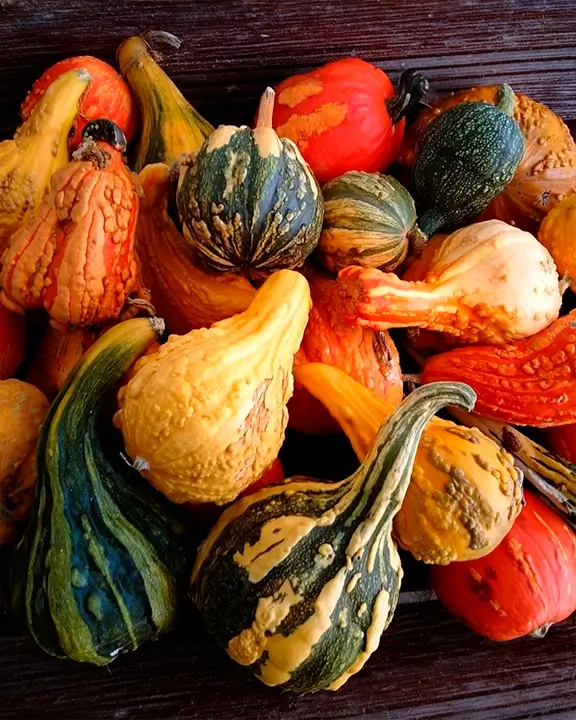
Are all pumpkins edible? Most pumpkins (Cucurbita spp.) are technically edible, but carving types tend to be watery/bland; pie/culinary types taste better. Note: ornamental gourds aren’t for eating.
Will cross‑pollination make my pumpkins look different this year? No. Cross‑pollination doesn’t change this year’s fruit; it only affects the seeds (next year’s plants), and mainly when varieties are within the same species (e.g., C. pepo with C. pepo).
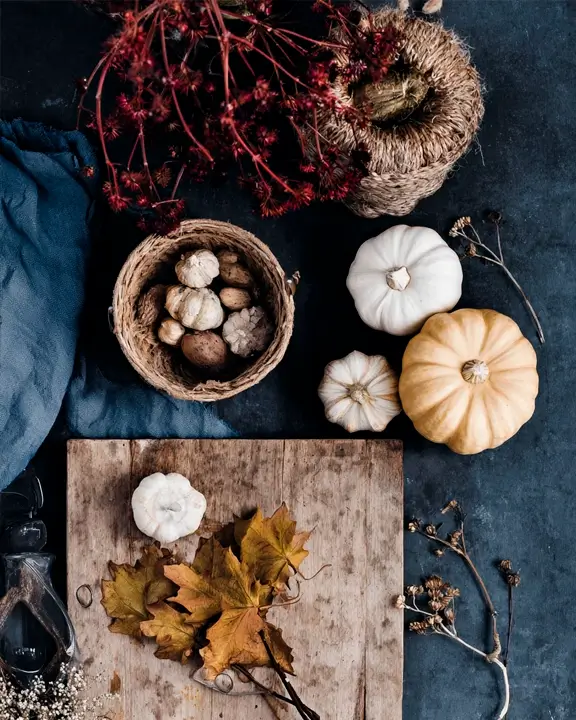
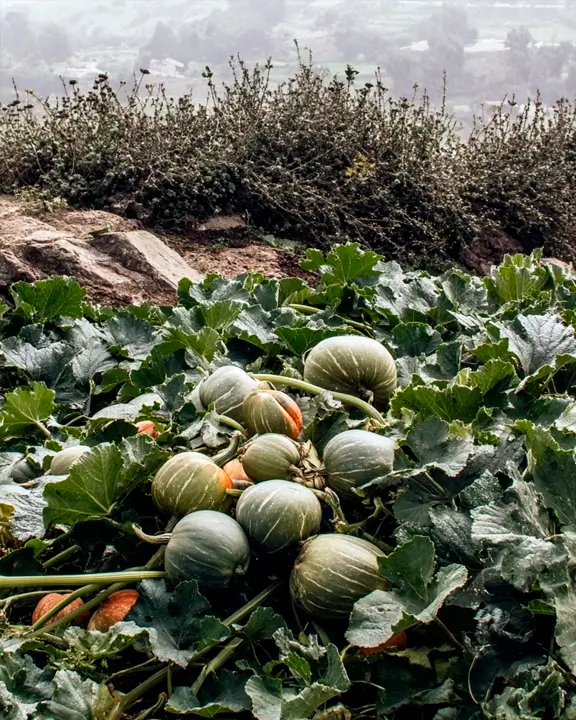
From Nature to Canvas - Our artistic note
Autumn is joy in our studio. We love pumpkin in the kitchen, yes—but lately it’s the form that pulls us in: elongated, squat, ribbed, voluptuous. In Japan we discovered kabocha’s greens, oranges, and yellows: unexpected palettes that pushed us beyond local habits. Back home, we staged quiet sessions where light carved each fruit into something almost stone—surface turning to relief, silhouettes slipping between reality and dream.
That is the threshold where COBELIO lives: fascination for nature, a constant urge to explore, and a sustainable respect for what the earth offers. Primitive materials—plaster, pigments, fiber—become identity. We aim to surprise, to study attraction, and to build objects that spark happiness when you see them. From rib to ridge, we translate the pumpkin into textured art—photo relief and spackle tactility—so a seasonal muse becomes a lasting companion on your wall.
Discover more: Visit our gallery at cobelio.com, explore the pumpkin collection, and continue the journey with our studio stories on peppers, borage, or kanzan cherry.