
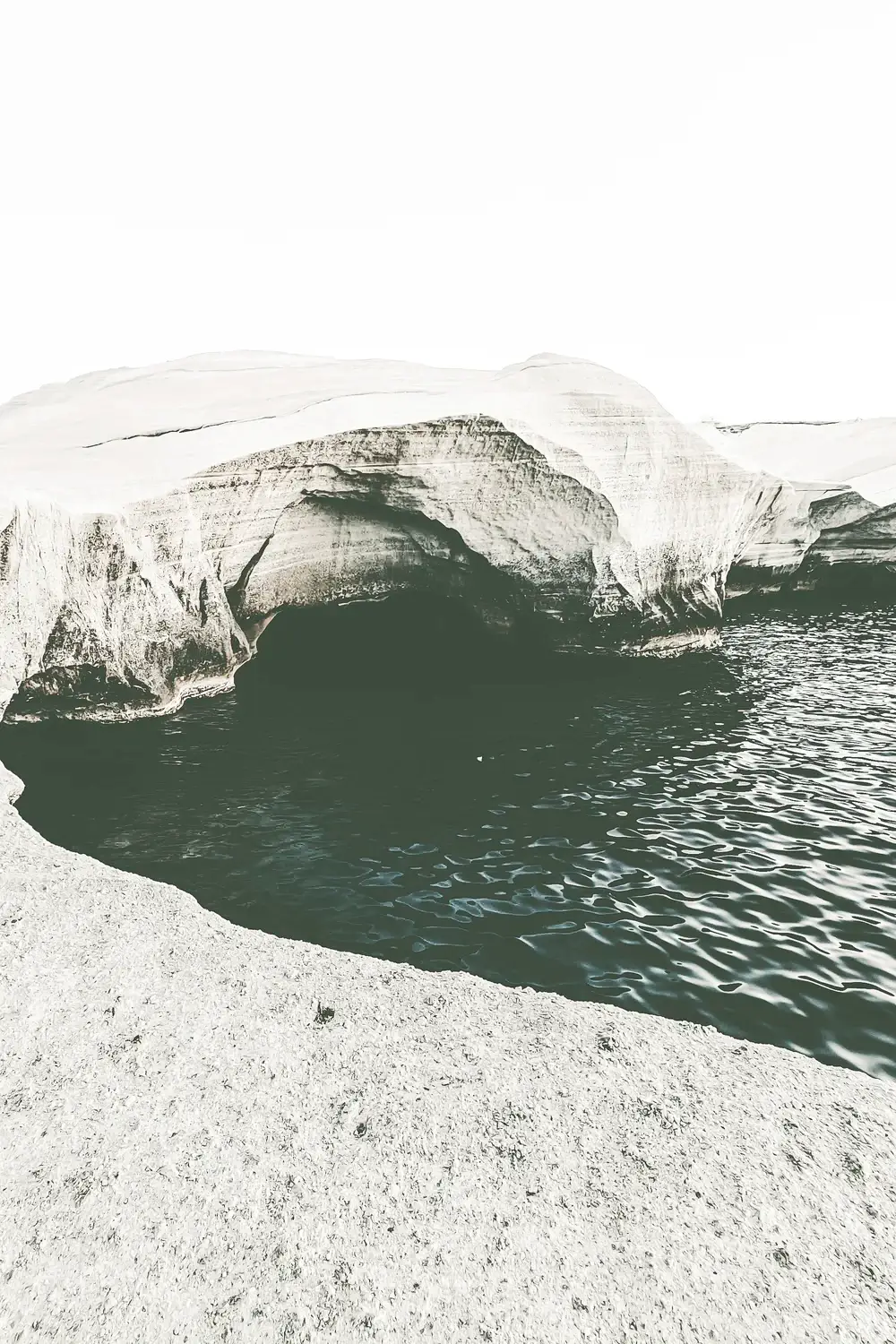
ABOUT US
WHO ARE WE?
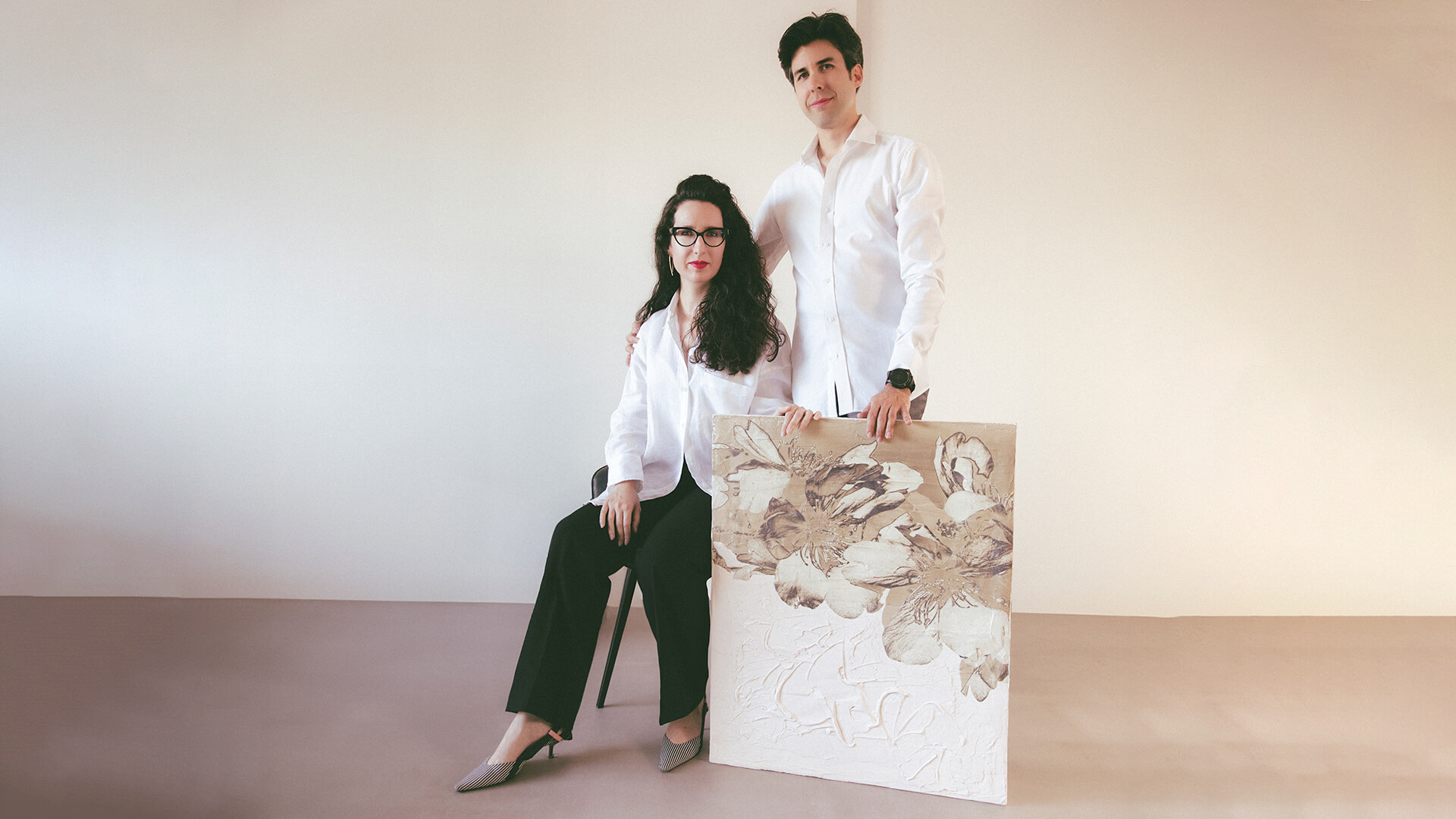
COBELIO is a couple who have been making art together since 2007: Teresa Marco and Jose Viciana.
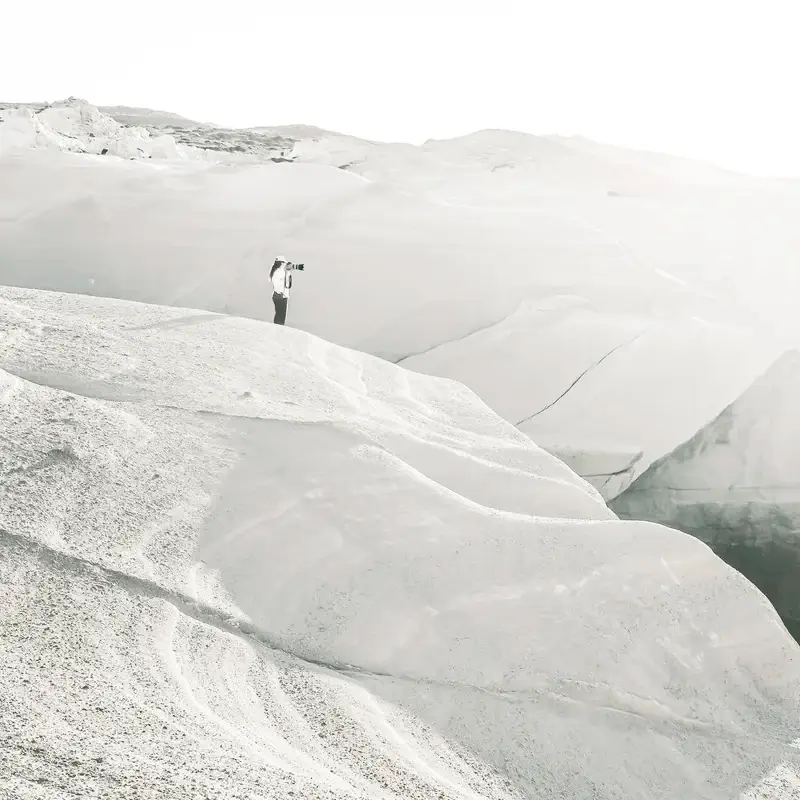

Two photographers, he (Jose Viciana) specialising in still life and she (Teresa Marco) in fashion, brought together by two shared passions: art and nature. That is how COBELIO began.
The artists play with the point at which the viewer can still recognise the nature photographed; they seek to suggest, to draw you onto a bridge between the dreamlike and the real.
They have worked on a visual language that brings the styles of the past they love into dialogue with their photographs: the first cave paintings, 30,000 years old, Greek ceramics and Egyptian drawings, the monochrome of classical bas-reliefs, the Japanese prints of Hokusai and Utamaro, the wonderful plant photographs of Blossfeldt and Edward Weston.
In them they recognise something of their own: the spontaneous, almost primordial gesture in which you can sense the trace of the hand; an imperfection left uncorrected; a direct, unaffected way of saying a great deal with very little. They are drawn to their play with silhouettes that can be read at a glance, to nature taken as a model, to evocation over description. And, in many of them, to an image that lives in volume and in an earthy material (the wall of the cave, the clay of the vessel, the stone of the relief), finished by light and shadow. Even what is fleeting has stayed: an animal at full gallop or a wave about to break, fixed centuries ago and still in motion.
Their work is a study in selective letting go as a means of creation. The deliberate removal of one part creates a new whole, a reality with unsuspected edges, where subtracting gives us an unexpected wealth of beauty and visual interest. Life works in a similar way: no one can do everything, because time and means are limited, and that forces you to choose very carefully where to put your focus.
Every choice leaves behind paths that were also appealing, with no way of knowing yet where the chosen one will lead. Sometimes it takes leaps of faith and mistakes to reach higher and build our identity.
And so, in their photographs, form undergoes a process of transformation, subjected to the rule of light, to be reborn in an unknown version. Volume is sectioned, revealing silhouettes that had gone unnoticed. Different planes, different moments captured in a single vision.
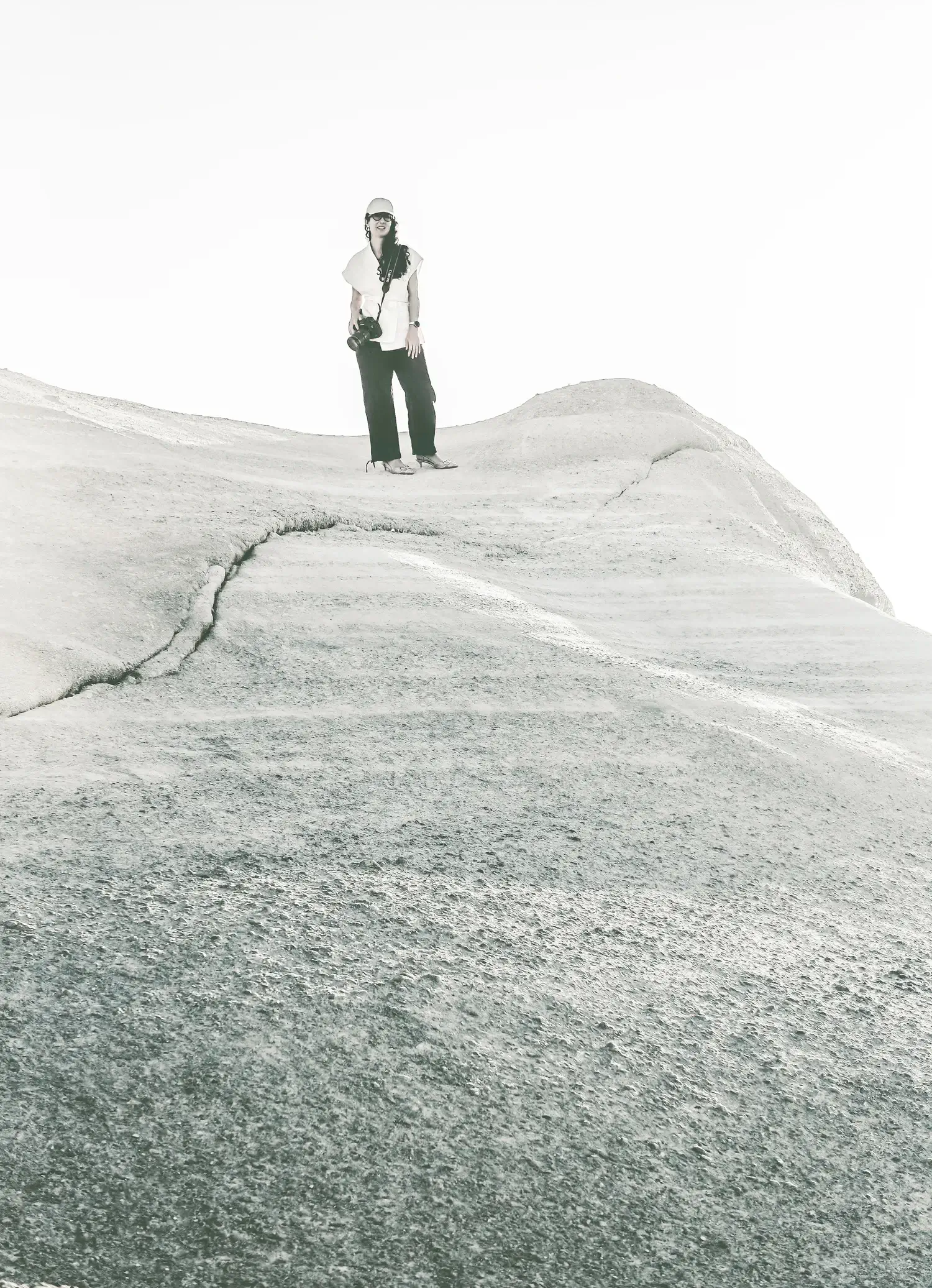
At this point, the material side of the work plays a fundamental role. The artists feel a primitive emotional connection with natural materials, tied to the earth, irregular and ancestral, such as clay or plaster. But how do you transfer a photograph onto a tangible medium with those qualities? They loved their images, but not their physical expression: to the artists, paper is not imperfect enough, and far too refined. This made it inevitable to embark on an arduous process of self-taught research, with countless trials and errors, until they managed to transfer the full power of their images onto plaster. Now photography and volume merge into a single entity, an unexplored materiality far from traditional supports. They call it photographic relief: the image does not sit on top of the plaster, it becomes part of it, with no paper and no film. Each piece is worked by hand, made only once, and changes with the light throughout the day.
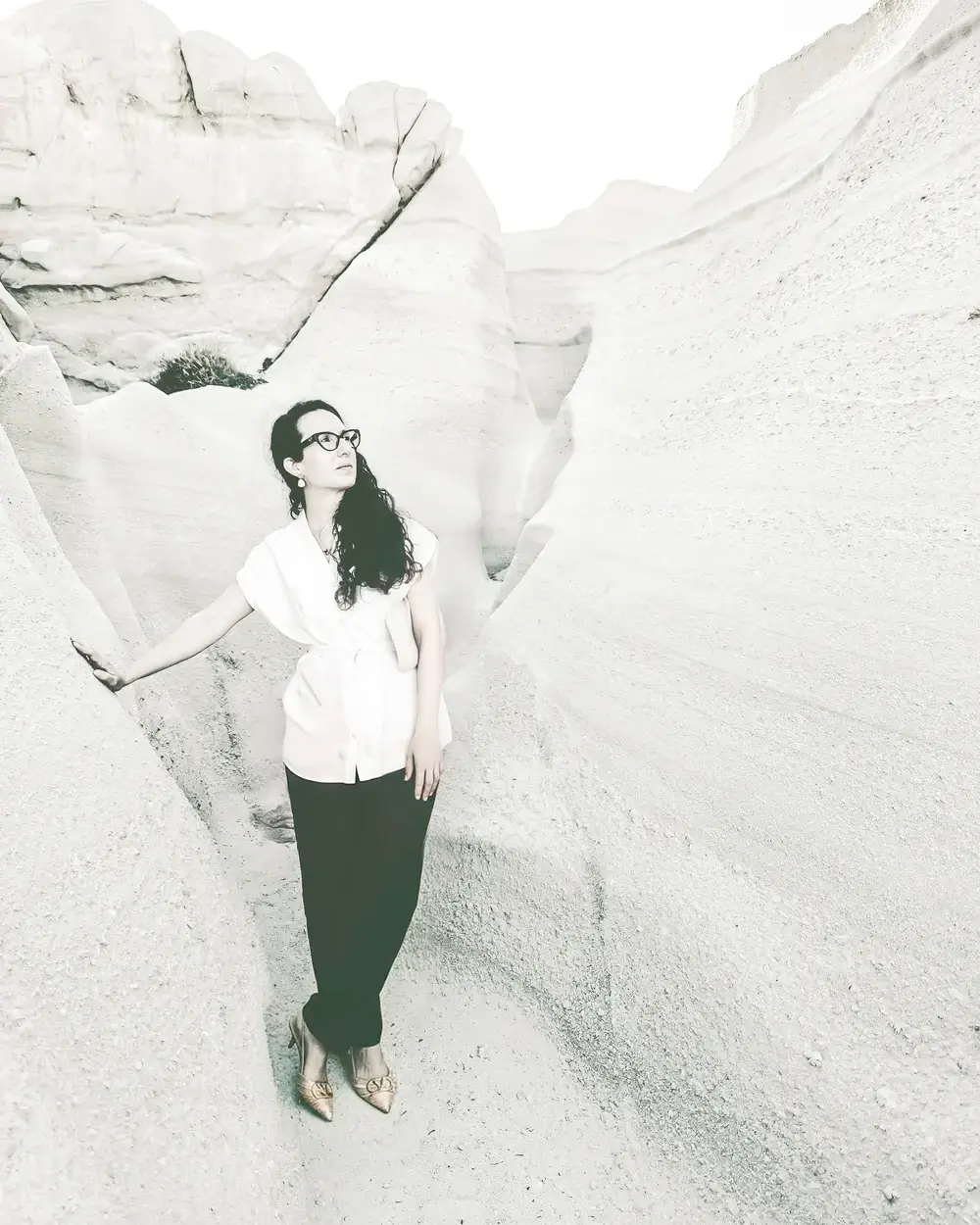
Teresa Marco. Photographer & artist
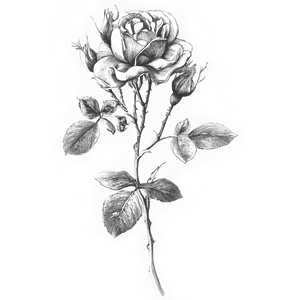
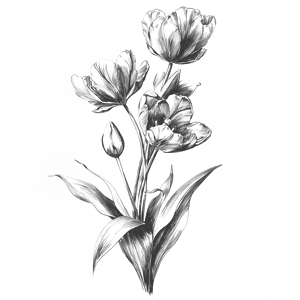
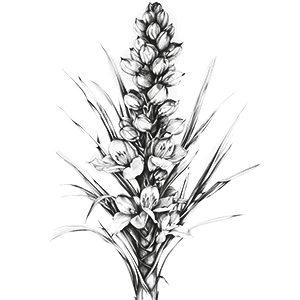
Their starting point is biophilia, that human need for the living, which they never take for granted. With the intention of establishing a two-way relationship of forces, they let the plant act on them as much as they act on its image, creating a series of photographs devoted to and conceived for each plant they choose to admire and study in detail, in their studio or in its habitat. The plant brings its gesture and the light of that moment; they bring a gaze that alters the image until it looks more like the emotion the plant stirred in them than like what stood before them.
They are driven by curiosity about the immense diversity of plants, which seems inexhaustible: as soon as they look closely, shapes, textures and colours appear that they had never noticed, and they can spend years discovering them. Everything they look at is fleeting, constantly renewing itself, with no guarantee it will still be there, so they fix it before it changes.
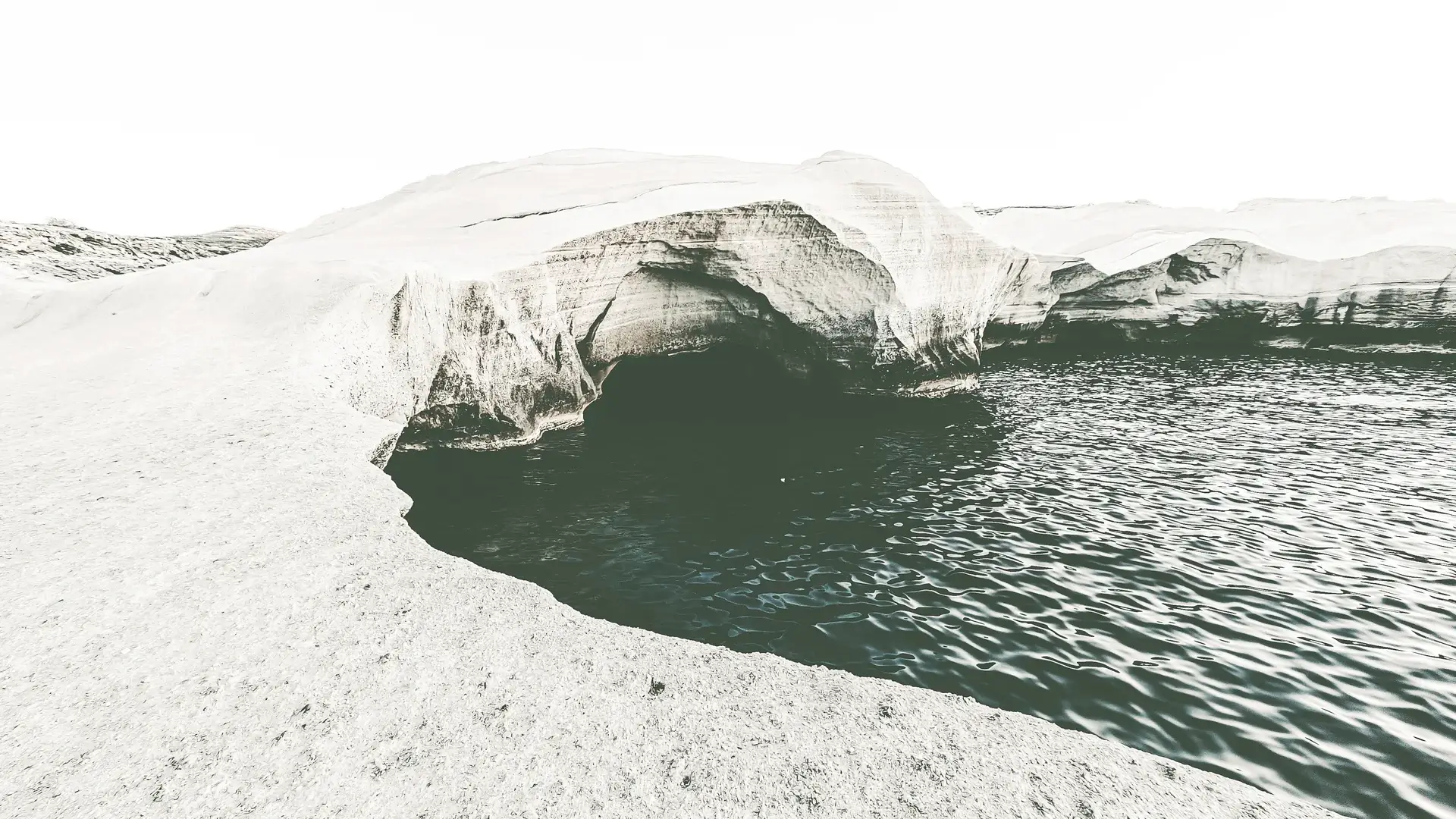
With that gaze they recognise human emotions in plants: strength and fragility living in the same body, what happens between two elements that seek each other out or drift apart, the invisible energy that sparks a change of state, the courage to stay true to who you are. Or they play with shapes and textures to evoke imaginary landscapes or architectures: the immensity of mountains stacking up in the distance, a monument that has stood for centuries.
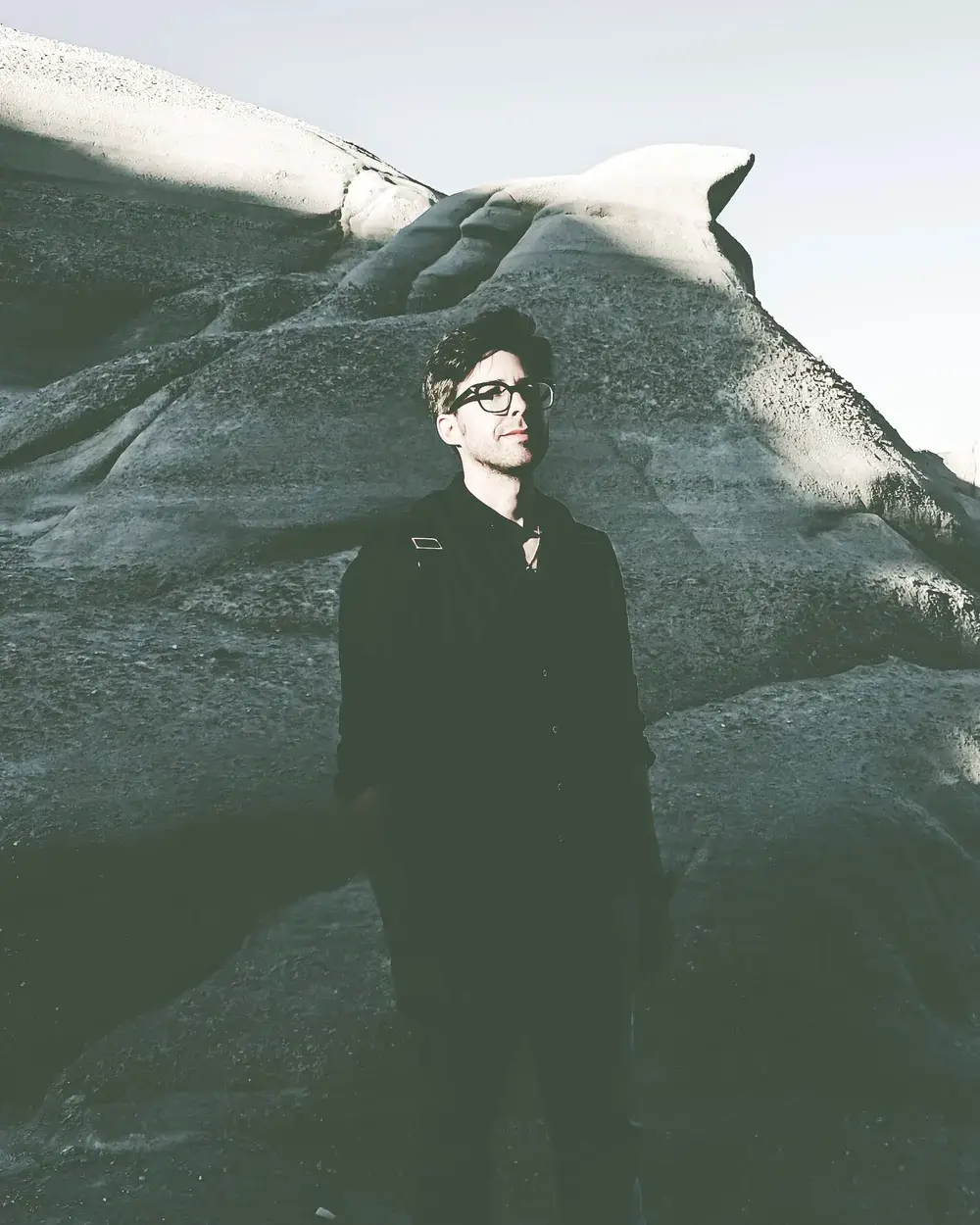
Jose Viciana. Photographer & artist
Look closely at branches, leaves, flowers, roots... and they begin to look a lot like us: they cling, they brush against each other, they wait for their moment, they ignite, they dare to be different. From this, and from what the artists feel as they look, come the themes of COBELIO.
They like to think that their hours of contemplation end up in a piece someone else will look at, in passing or every day. Each image holds the plant's moment and theirs too: the time they spent observing it and what they felt. The plant will sprout again, but never quite the same; sharing something so intimate is their way of making sure it does not vanish without witnesses, and that others notice what would otherwise have passed them by.
They met while studying industrial design engineering in Valencia and went on to train in Barcelona, at Elisava, Idep and IEFC. Teresa's fashion work has been published in Vogue, Esquire and Forbes. Since 2013 they have always had a project of their own under way, alongside their jobs. The last one, ROCKOBEL, already started from photography and plants, but it was produced in multiples. They closed it in 2022, when it was already selling, because they wanted one-of-a-kind pieces and room to tell what lies behind each one. That led to the search that ended in plaster, and they have not stopped making work since 2024.